Where to Buy Portable Heaters: Your Guide to Warmth
Finding the perfect portable heater can significantly boost your comfort during colder months, offering localized warmth without heating an entire home. These versatile units are ideal for supplementary heating in bedrooms, offices, or any room that feels consistently chilly.
This guide will walk you through the best places to find reliable portable heaters, helping you make an informed decision that balances quality, price, and convenience. We’ll explore various retail environments and online platforms, ensuring you can secure the right heating solution for your needs.
Simply put, you can buy portable heaters at large retail chains like Walmart and Target, home improvement stores such as Home Depot and Lowe’s, and directly from online giants like Amazon and Best Buy. Consider specialty appliance stores for a wider selection of brands and models.
Key Takeaways
- Portable heaters are widely available from major retailers both online and in physical stores.
- Home improvement stores offer a broad range of options, often with expert advice.
- Online marketplaces provide extensive selection, competitive pricing, and customer reviews for portable heaters.
- Consider manufacturer websites for direct purchases and potential warranty information.
- Always check return policies and warranty details before purchasing your portable heater.
What Are the Types of Portable Heaters Available?
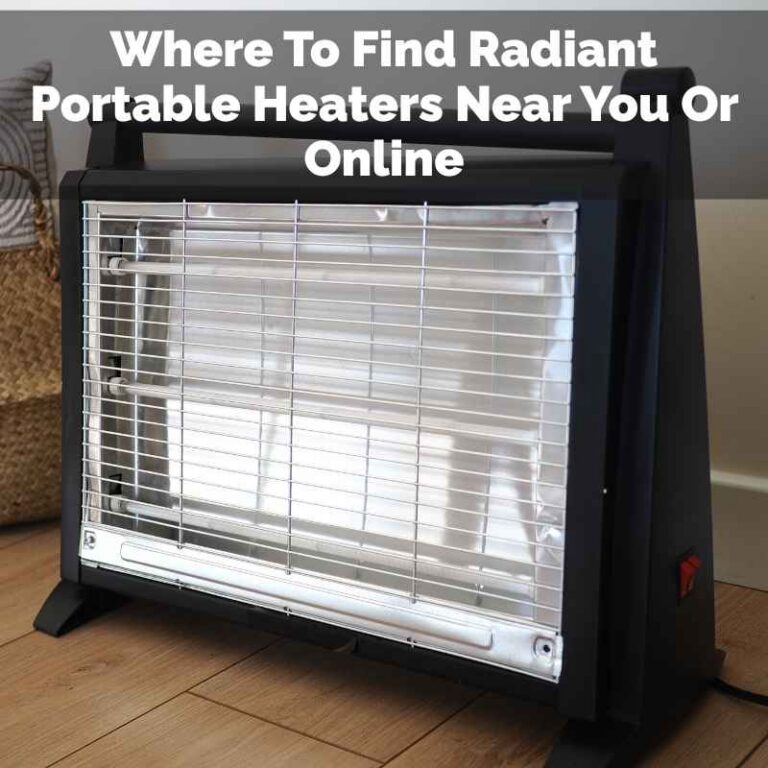
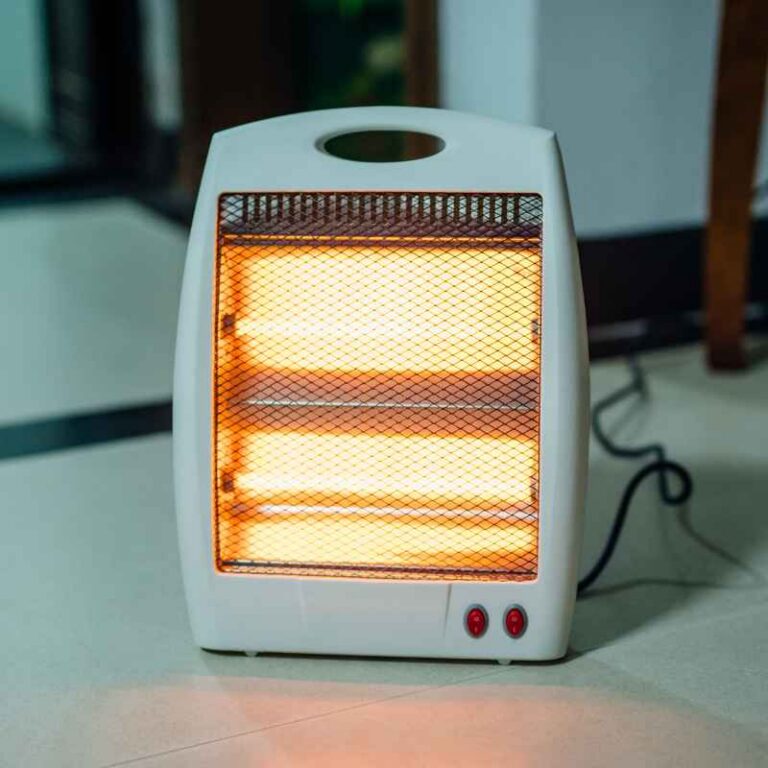
Portable heaters come in several designs, each offering different heating methods and benefits. Understanding these distinctions is crucial when deciding where to shop and what to look for. The most common types include ceramic heaters, infrared heaters, oil-filled radiators, and fan heaters. Ceramic heaters are popular for their quick heating capabilities and safety features, often incorporating tip-over switches. Infrared heaters, on the other hand, warm objects and people directly rather than the air, making them energy-efficient for targeted heating.
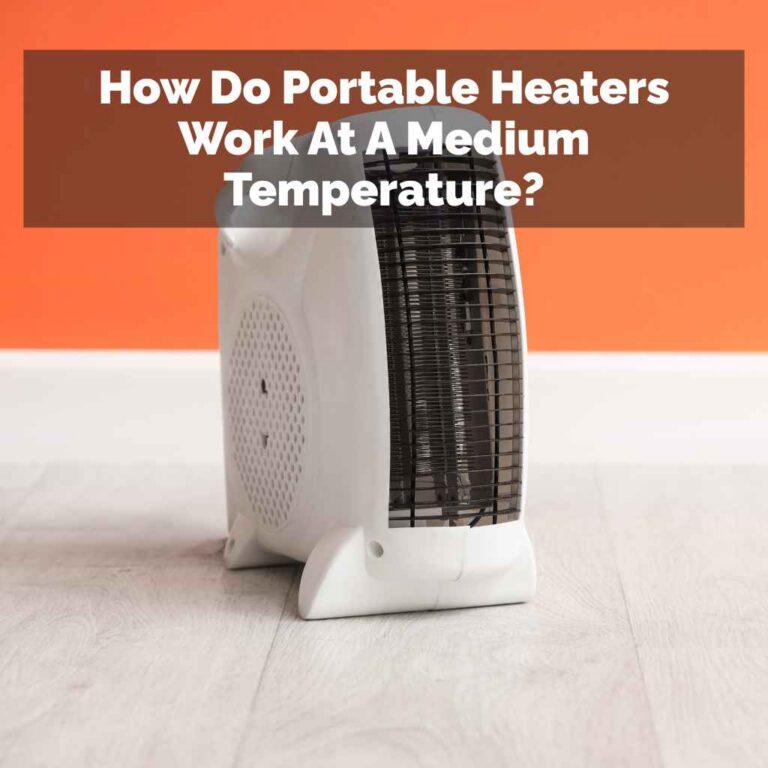
Oil-filled radiators provide a gentle, consistent heat that lingers long after the unit is turned off, creating a cozy ambiance without the noise of fans. Fan heaters, also known as convection heaters, use a fan to circulate heated air quickly, making them effective for rapidly warming a space. When you visit a store or browse online, you’ll likely encounter a mix of these, with retailers often categorizing them by type to help you compare. The availability of specific types might vary, with some stores specializing in certain models or brands.
The decision between these types often depends on your specific needs. For a small office, a compact ceramic heater might suffice. For a larger room or supplemental heat in a living area, an oil-filled radiator could be more suitable. Infrared heaters are excellent for spot heating in drafty areas, while fan heaters offer rapid warmth. Knowing which type best suits your environment will streamline your search and help you choose the right retail destination. Many stores will have displays or online filters that allow you to easily sort by heater type, making the shopping process more efficient.
- Ceramic Heaters: Fast-acting, often with safety features like automatic shut-off.
- Infrared Heaters: Direct radiant heat, energy-efficient for spot warming.
- Oil-Filled Radiators: Provide consistent, quiet heat that lasts.
- Fan Heaters: Quick air circulation for rapid room warming.
- Micathermic Heaters: Combine convection and radiant heat for efficient warming.
Where to Buy Portable Heaters: Major Retail Chains
When you need a portable heater quickly or prefer to see it before buying, major retail chains are often the most convenient option. Stores like Walmart, Target, and Kmart typically stock a wide selection of portable heaters, especially as the colder seasons approach. These retailers aim to provide a range of price points, from budget-friendly basic models to more feature-rich options.
You can expect to find popular brands readily available, and the sheer volume of stock means you’re likely to find something suitable. The advantage of shopping at these superstores is the one-stop-shop experience; you can pick up other household essentials while you’re there. Many of these stores also have robust online presences, allowing you to check stock at your local store or order for home delivery or in-store pickup.
The downside can sometimes be a less specialized selection compared to dedicated home improvement stores. However, for everyday portable heaters that offer reliable performance, these chains are a solid choice. Their return policies are generally consumer-friendly, which is an important consideration for any appliance purchase.
Keep an eye out for seasonal sales and promotions, as portable heaters are often featured during fall and winter.
In-Store Experience
Walking into a Walmart or Target during the fall or winter will almost certainly reveal an aisle dedicated to heating solutions. You can physically inspect the size, build quality, and features of different models. This is particularly useful if you’re concerned about noise levels, tip-over safety, or the simplicity of the controls.
Online Convenience
If you prefer shopping from home, their websites offer extensive catalogs. You can filter by price, brand, type of heater, and read customer reviews. This aggregated feedback from hundreds or thousands of users can be invaluable in assessing a portable heater’s real-world performance and reliability.
| Retailer | Typical Selection | Pros | Cons |
|---|---|---|---|
| Walmart | Wide range, budget to mid-tier | Accessibility, competitive pricing, online/in-store options | Selection can be less specialized |
| Target | Curated selection, focus on design | Often stylish options, good return policy | May have fewer technical models |
| Kmart | Basic models, often on sale | Potentially lowest prices | Limited selection, fewer locations |
Major retail chains offer broad accessibility and often competitive pricing for portable heaters, making them a go-to for many consumers.
Home Improvement Stores: A Deeper Dive
For those who prioritize a more specialized selection and potentially better quality control, home improvement stores like Home Depot and Lowe’s are excellent destinations. These retailers understand that heating is a crucial aspect of home maintenance and comfort, so they tend to carry a more robust inventory of heating appliances, including a wider array of portable heaters. You’ll find not only the common ceramic and fan heaters but also more advanced options like radiant panel heaters, industrial-strength units, and models with sophisticated thermostats and timers.
The staff at home improvement stores are often more knowledgeable about the products they sell. If you have specific questions about BTU output, energy efficiency ratings, or safety certifications, you can often get helpful advice. They may also carry brands that are not as commonly found in general merchandise stores, offering access to higher-end or more specialized heating solutions. This can be particularly beneficial if you’re looking for a portable heater for a specific purpose, such as a workshop, a large basement, or a frequently used guest room.
Furthermore, these stores are excellent places to find accessories or related items, such as extension cords, surge protectors, or even air purifiers that complement heating. Their return policies are usually straightforward, and they often offer extended warranties or service plans for larger purchases. Shopping here allows you to compare models side-by-side, get a feel for their weight and portability, and sometimes even test out the controls.
Expert Advice and Support
The sales associates at stores like Home Depot and Lowe’s often have training on the products they sell. They can help you understand the differences between various heating technologies and recommend a model that best fits your room size and heating needs.
Broader Brand and Model Variety
Expect to see a more extensive range of brands and models, including those known for durability and advanced features. This is where you might find specialized units designed for specific applications.
| Store Type | Selection Focus | Key Advantages | Potential Downsides |
|---|---|---|---|
| Home Improvement | Performance, durability, specific heating needs | Knowledgeable staff, specialized models, wider brand variety | Prices might be slightly higher than general retailers |
| General Merchandise | Price, accessibility, variety of basic models | Convenience, competitive pricing, seasonal sales | Less specialized knowledge, selection may be limited to popular brands |
Home improvement stores offer a more specialized inventory and knowledgeable staff, making them ideal for consumers seeking performance and specific heating solutions.
Online Retailers: The Power of Choice and Convenience
Online shopping has revolutionized how we buy almost everything, and portable heaters are no exception. Platforms like Amazon, Best Buy, Wayfair, and Overstock provide an unparalleled selection that often dwarfs what you’d find in a physical store. This vast inventory means you can compare dozens, if not hundreds, of models from various manufacturers, all from the comfort of your home.
The key advantage of online shopping is the wealth of information available at your fingertips. Customer reviews are abundant, offering real-world insights into a heater’s performance, durability, and any potential quirks. You can often find detailed product specifications, comparison charts, and even video demonstrations.
Furthermore, online retailers frequently offer competitive pricing, frequent sales, and discount codes, allowing you to find a great deal.
However, the digital nature of online shopping means you can’t physically inspect the product before purchase. It’s crucial to thoroughly read product descriptions, check dimensions, and pay close attention to return policies and shipping costs. For a large purchase like a heater, understanding the warranty process and ease of returns is paramount.
Many online retailers also offer refurbished or open-box options, which can provide significant savings if you’re comfortable with minor cosmetic imperfections.
- Amazon: Massive selection, competitive pricing, quick delivery with Prime, extensive customer reviews.
- Best Buy: Focus on electronics and appliances, often has good deals on well-known brands, offers Geek Squad support.
- Wayfair: Specializes in home goods, wide variety of styles and brands, good for finding unique or designer options.
- Overstock: Similar to Wayfair, often has good sales and a broad range of home appliances.
- Manufacturer Websites: Direct sales from brands like De’Longhi, Honeywell, Lasko, offering specific model availability and direct support.
Leveraging Customer Reviews
Online reviews are a goldmine for assessing a portable heater. Look for patterns in feedback regarding heating effectiveness, noise levels, ease of use, and durability. A heater with hundreds of positive reviews is generally a safer bet than one with few or mixed feedback.
Comparing Prices and Deals
Use price comparison tools and keep an eye on seasonal sales events (like Black Friday or holiday promotions) to snag the best deals. Shipping costs and times can vary significantly, so factor these into your total cost.
| Online Platform | Primary Strength | Key Considerations |
|---|---|---|
| Amazon | Vast selection & reviews | Verify seller reputation, check return policies |
| Best Buy | Brand variety & support | Compare online vs. in-store prices, look for open-box deals |
| Wayfair/Overstock | Home decor focus | Read reviews carefully for performance, check shipping times |
Online retailers provide extensive choice, competitive pricing, and detailed customer feedback, empowering informed purchasing decisions for portable heaters.
Specialty Appliance and Electronics Stores
Beyond the big-box and online giants, there are specialty stores that focus on home appliances or electronics. Stores like P.C. Richard & Son, Fry’s Electronics (where available), or local independent appliance dealers often carry a more curated selection of high-quality portable heaters.
These establishments typically prioritize brands known for their reliability and performance.
The advantage here is the potential for expert advice from staff who are passionate and well-versed in appliance technology. They might carry premium brands or models with advanced features that aren’t readily available elsewhere. If you’re looking for a specific type of heater, perhaps one designed for very large spaces or with specific energy-saving certifications, a specialty store is a good place to start.
While the selection might be smaller than on Amazon or at Home Depot, the focus on quality can be higher. Prices might also reflect this higher quality, but it’s worth exploring if you’re investing in a heater that you intend to use for many years. These stores often provide excellent after-sales support and may have more flexible warranty or repair services.
- P.C. Richard & Son: Known for a wide range of appliances and electronics with good customer service.
- Local Independent Dealers: Offer personalized service and may carry niche or high-end brands.
- Electronics Retailers (e.g., Best Buy, if they have a strong appliance section): Can offer competitive pricing on specific models.
Considering Used or Refurbished Options
For budget-conscious shoppers, looking into used or refurbished portable heaters can be a smart move. You can find these items through online marketplaces like eBay, Craigslist, Facebook Marketplace, or even through the “open-box” or “refurbished” sections of major online retailers like Amazon or Best Buy.
Refurbished units have typically been returned, inspected, repaired if necessary, and cleaned by the manufacturer or a certified technician. They often come with a limited warranty, though it may be shorter than for a new product. Buying used directly from an individual seller carries more risk, as there’s usually no warranty, and the unit’s history is unknown.
It’s essential to be cautious. For refurbished items, ensure you’re buying from a reputable source and understand the warranty terms. For used items, try to inspect the unit thoroughly for damage, test its functionality if possible, and be wary of deals that seem too good to be true.
For safety reasons, particularly with heating appliances, new or certified refurbished is often the preferred route.
| Source | Pros | Cons | Key Considerations |
|---|---|---|---|
| Refurbished (Major Retailers) | Lower price, inspected & tested, often with warranty | Limited selection, warranty may be shorter | Verify warranty length and source reputation |
| Used (Online Marketplaces) | Potentially lowest prices | No warranty, unknown history, risk of damage | Inspect thoroughly, test if possible, prioritize safety |
Refurbished portable heaters offer a balance of cost savings and reliability, often backed by a warranty, making them a viable option for budget-conscious buyers.
Factors to Consider When Buying a Portable Heater
Beyond just where to buy, several critical factors should influence your choice of portable heater. The primary consideration is the size of the space you intend to heat. A small personal heater is sufficient for a desk area, while a larger room might require a unit with a higher BTU (British Thermal Unit) output.
Manufacturers often provide guidelines for room size suitability.
Safety features are paramount, especially if children or pets are in the home. Look for heaters with automatic tip-over shut-off mechanisms, overheat protection, and cool-touch exteriors. Energy efficiency is another key concern.
While portable heaters are generally used for supplemental heating, choosing an Energy Star certified model or one with an adjustable thermostat and timer can help manage electricity consumption. According to the U.S. Department of Energy, space heaters can account for 10-20% of a home’s total electricity bill, so efficiency matters.
The type of heating technology also plays a role. Ceramic heaters are good for quick, directional heat, while oil-filled radiators provide sustained, even warmth. Infrared heaters are excellent for spot heating without dramatically raising the ambient temperature.
Finally, consider noise levels, portability (weight and presence of wheels), and ease of use. A heater that is too loud can be disruptive, and a bulky or heavy unit might not be truly portable.
- Room Size: Match the heater’s output (BTU) to the square footage of the space.
- Safety Features: Prioritize tip-over shut-off, overheat protection, and cool-touch surfaces.
- Energy Efficiency: Look for Energy Star ratings, adjustable thermostats, and timers.
- Heating Technology: Choose between ceramic, infrared, oil-filled, or fan based on your needs.
- Portability: Consider weight, handles, and wheels for easy movement.
- Noise Level: Opt for quieter models if the heater will be used in living areas or bedrooms.
- Ease of Use: Simple controls and clear instructions are beneficial.
Understanding BTU Output
BTU is a measure of heating power. Generally, you need about 10 BTUs per square foot for adequate heating. For example, a 150 sq ft room would require approximately 1500 BTUs.
Many portable heaters are rated between 1500 to 5000 BTUs.
Energy Star Certification
Look for the Energy Star label, indicating that the appliance meets strict energy efficiency guidelines set by the EPA. These units use less energy to provide the same amount of heat, saving you money on electricity bills over time. The U.S.
Environmental Protection Agency notes that Energy Star certified room A/C units and heaters can save consumers 10-20% on energy costs.
Frequently Asked Questions
Where can I buy a reliable portable heater?
You can purchase reliable portable heaters from major retail chains like Walmart and Target, home improvement stores like Home Depot and Lowe’s, and numerous online retailers such as Amazon, Best Buy, and Wayfair. Specialty appliance stores also offer a curated selection.
Are portable heaters energy efficient?
Some portable heaters are more energy-efficient than others. Look for Energy Star certified models, those with adjustable thermostats and timers, and consider the heating technology. Infrared heaters, for instance, can be more efficient for spot heating as they warm objects directly.
What is the best type of portable heater for a bedroom?
For a bedroom, an oil-filled radiator or a quiet ceramic heater is often recommended. These types provide consistent, gentle heat and tend to operate more quietly than fan-forced heaters, ensuring a comfortable sleep environment.
How much should I expect to spend on a portable heater?
Prices for portable heaters can range from $30 for basic ceramic or fan models to $150 or more for advanced, high-BTU, or feature-rich oil-filled radiators. Refurbished or used options can lower this cost significantly.
What safety features are most important for portable heaters?
Crucial safety features include automatic tip-over shut-off, overheat protection, and cool-touch housings. Always ensure the heater is placed on a stable, non-flammable surface away from curtains and furniture.
Final Thoughts
Securing the right portable heater is made easier by knowing where to look. Whether you prefer the immediate gratification of an in-store purchase at a major retailer or home improvement store, or the vast selection and convenience of online shopping, there are ample options available. By considering your specific needs regarding room size, safety, and energy efficiency, and by leveraging customer reviews and expert advice, you can confidently find a portable heater that provides reliable warmth and comfort throughout the colder seasons.
Sponsored / affiliate links. As an Amazon Associate I earn from qualifying purchases. I may earn additional commission from eligible campaigns.