Where to Rent Portable Heaters for Any Space
Where to rent portable heaters is a common question for those facing unexpected cold snaps or needing temporary warmth for specific areas. Whether you’re dealing with a faulty central heating system, preparing for an outdoor event, or require localized warmth in a workshop or garage, renting a portable heater offers a flexible and often cost-effective solution. This guide will walk you through the best places and considerations when seeking to rent these essential devices, ensuring you stay comfortable without a long-term commitment.
In short, you can rent portable heaters from home improvement stores like Home Depot or Lowe’s, general equipment rental companies, party and event rental businesses, and even some online rental platforms. The best choice depends on the type of heater needed, duration of rental, and location.
Key Takeaways
- Major home improvement retailers often have portable heaters available for rent, suitable for various residential and light commercial needs.
- Specialty equipment rental companies offer a wider selection, including powerful industrial heaters for construction sites or large spaces.
- Party and event rental businesses are excellent sources for safe, indoor-rated portable heaters designed for gatherings.
- When renting, consider the heater type (electric, propane, kerosene), BTU output, safety features, and the duration of your rental.
- Always check the rental company’s terms, including pickup/delivery options, fuel policies, and deposit requirements, before finalizing.
Where to Rent Portable Heaters: Top Options
Finding the right place to rent a portable heater depends largely on your specific needs and location. For most common household issues or temporary warmth solutions, starting with readily accessible retailers is often the most convenient approach. These businesses are accustomed to offering a range of tools and equipment for DIY projects and seasonal needs, making their rental processes straightforward.
These larger chains typically stock electric models, which are generally safer and easier to operate in enclosed spaces compared to fuel-burning alternatives. Their inventory might include ceramic heaters, infrared heaters, and radiant panel heaters, each offering different heating methods suitable for various room sizes and preferences. Rental periods are usually flexible, from daily to weekly, catering to short-term needs.
Beyond the big box stores, numerous specialized rental businesses cater to more niche or demanding requirements. These companies often carry a broader spectrum of heating technologies and higher-capacity units. Understanding the variety available ensures you can select the most appropriate heater for your situation.
Home Improvement Retailers
Home improvement stores are a go-to for many consumers needing temporary heating solutions. Brands like The Home Depot and Lowe’s often have rental departments that carry a selection of portable electric heaters. These are typically good for smaller spaces, offices, or supplementing existing heating systems.
When you rent from these retailers, you can usually expect straightforward rental agreements. They often provide clear instructions on operation and safety for their electric models. It’s advisable to call ahead to confirm availability, as inventory can vary by location and season.
Types Available: Primarily electric heaters (ceramic, fan-forced, infrared).
Rental Terms: Daily, weekend, and weekly rentals are common.
Pros: Convenient locations, easy booking process, generally good for indoor use.
Cons: Limited selection of powerful or fuel-burning options, availability can be seasonal.
General Equipment Rental Companies
For more robust heating needs, such as construction sites, large workshops, or extensive outdoor events, general equipment rental companies are the better choice. Businesses like United Rentals, Sunbelt Rentals, or local independent rental shops often stock heavy-duty portable heaters. These can include powerful electric models, as well as propane or kerosene-fired units.
These companies are equipped to handle rentals for longer durations and for more demanding environments. Their staff are usually knowledgeable about the different types of heaters and can advise on the appropriate BTU output needed for specific square footage or conditions. Fueling and maintenance are often part of their service, though you’ll typically pay for fuel separately.
| Heater Type | Best For | Fuel/Power Source | Typical Rental Locations |
|---|---|---|---|
| Electric Fan Heater | Small rooms, offices, temporary spaces | Electricity | Home improvement stores, general rentals |
| Propane Heater (Torpedo) | Garages, workshops, construction sites, large open areas | Propane tank | General equipment rentals, construction supply |
| Kerosene Heater (Convection) | Warehouses, large workshops, areas needing sustained heat | Kerosene | General equipment rentals, industrial suppliers |
| Infrared Heater | Targeted spot heating, areas where airflow is limited | Electricity | Home improvement stores, general rentals |
These industrial heaters are designed for efficiency and power, capable of heating vast spaces. Ensure you understand the ventilation requirements, especially for fuel-burning models.
Party and Event Rental Companies
If you’re planning an outdoor event, a wedding reception tent, or need to heat a large gathering space, party and event rental companies are an excellent resource. They specialize in equipment that needs to be safe for public use, often providing propane-powered forced-air heaters or large electric radiant heaters designed for tents and covered outdoor areas.
These companies prioritize safety and reliability, offering units that are either fully enclosed or have safety guards to prevent accidental contact. They may also offer setup and delivery services, which can be invaluable when dealing with larger, more complex heating systems. They understand the nuances of heating temporary structures and can guide you to the most appropriate solution for your event’s size and duration.
Types of Heaters: Forced-air propane heaters, large infrared patio heaters, tent heaters.
Services: Delivery, setup, fuel management (sometimes).
Key Considerations: Ensure the heater is rated for enclosed spaces like tents if applicable; discuss ventilation needs.
Rental Periods: Typically available for the duration of the event, often with multi-day options.
Online Rental Platforms and Marketplaces
Emerging online platforms are also beginning to offer portable heater rentals. These can range from peer-to-peer marketplaces where individuals rent out their own equipment to dedicated online rental services that coordinate with local suppliers. Searching for “rent portable heater online” can reveal a variety of options.
These platforms often provide detailed descriptions, user reviews, and straightforward booking processes. Some may offer delivery services directly to your location, while others might require pickup from a designated point. It’s crucial to verify the reputation of the platform and the specific rental provider to ensure reliability and customer service.
How they work: Connect renters with available equipment, sometimes locally sourced.
Benefits: Wide selection, competitive pricing, convenience of online booking.
Things to check: Seller ratings, cancellation policies, delivery fees, insurance options.
Choosing the Right Portable Heater for Rent
When you rent a portable heater, selecting the correct type and size is paramount for safety and effectiveness. Several factors should influence your decision, from the environment where it will be used to the duration of the rental.
What Type of Portable Heater Should You Rent?
The primary distinction in portable heaters lies in their power source and heating mechanism. Each type has its advantages and disadvantages.
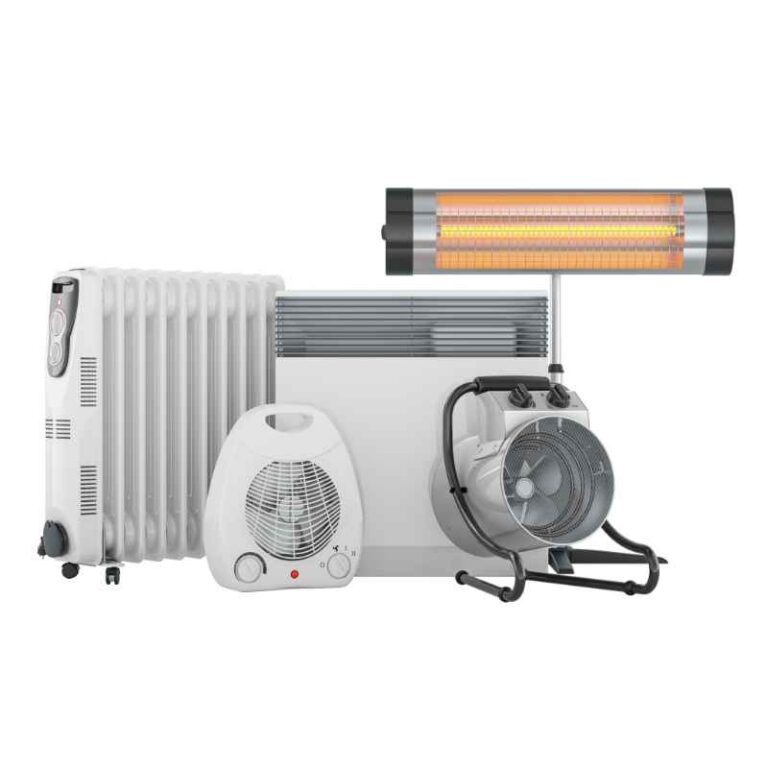
Electric Heaters
Electric portable heaters are the most common and safest for indoor use in homes and offices. They are easy to operate, require no ventilation, and provide clean heat. However, they draw significant electricity, which can increase your power bill. They are generally best suited for smaller, well-insulated spaces.
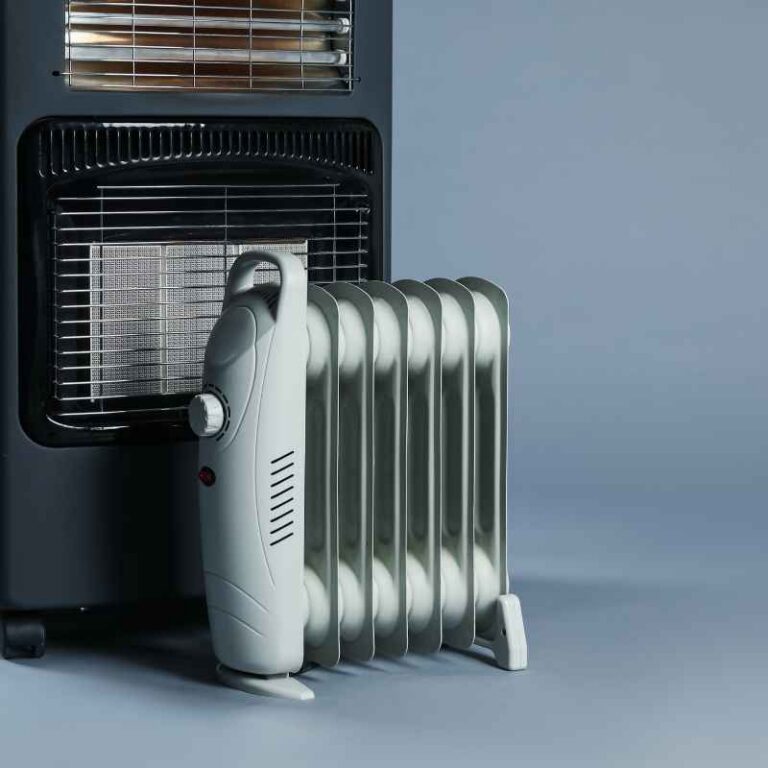
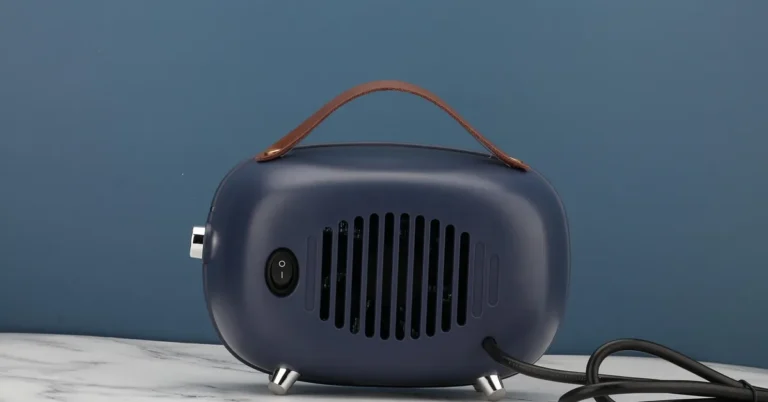
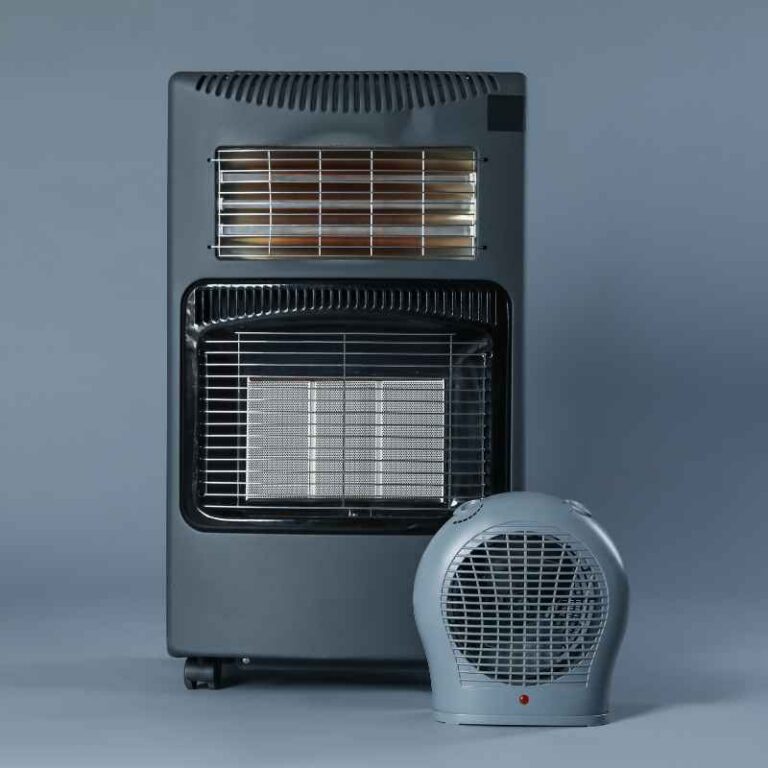
Ceramic Heaters: Use a ceramic heating element and a fan to distribute warm air. They are compact and provide quick, localized heat.
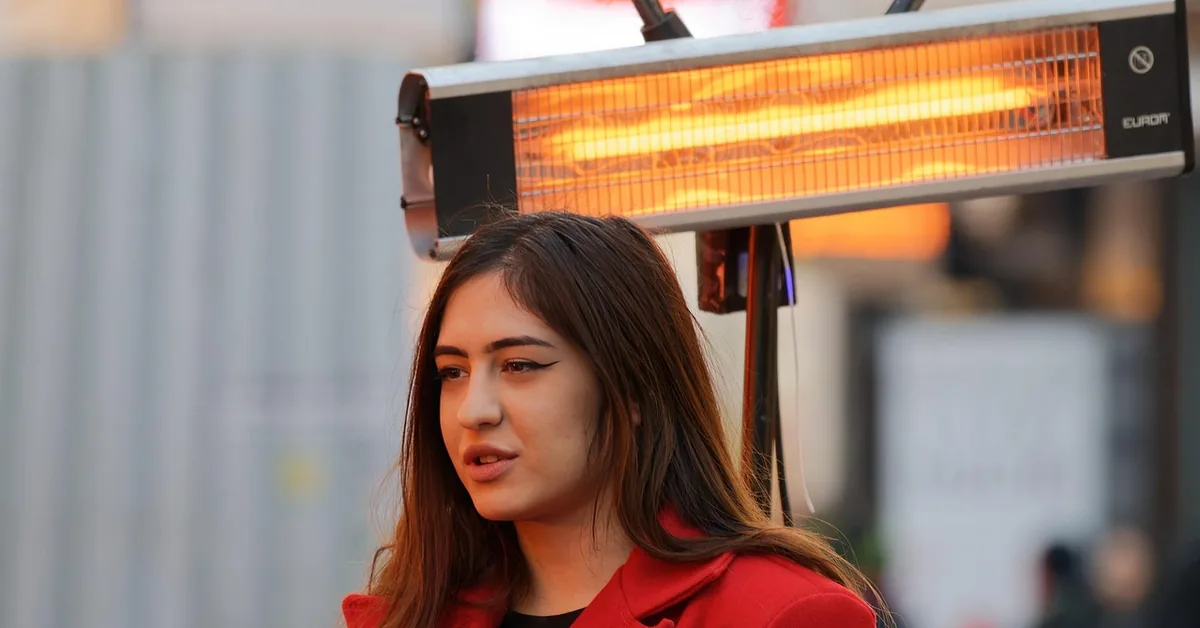
Infrared Heaters: Emit radiant heat that warms objects and people directly, rather than the air. This is efficient for spot heating and doesn’t blow air, making them quiet.
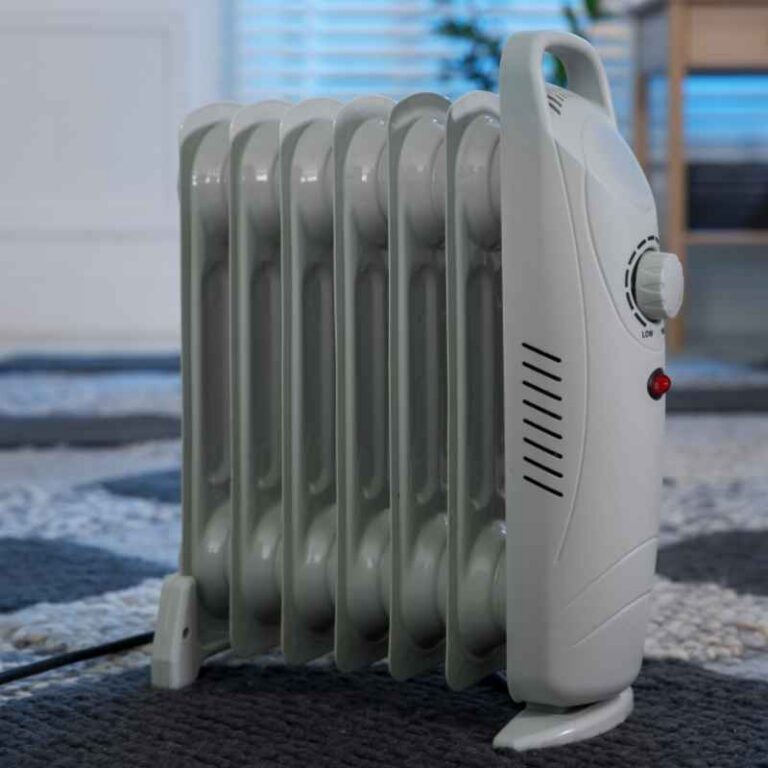
Convection Heaters: Heat air internally, which then rises and circulates naturally. They provide steady, quiet heat but take longer to warm a room.
Fan-Forced Heaters: Use a heating element and a powerful fan to push warm air out quickly. They are effective for rapid heating but can be noisy.
Fuel-Burning Heaters (Propane, Kerosene)
Propane and kerosene heaters are powerful and are often used for larger spaces, garages, workshops, construction sites, and outdoor areas. They produce a significant amount of heat but require adequate ventilation to prevent the buildup of carbon monoxide and other harmful fumes.
Propane Heaters: Available in direct-vent and unvented models. Direct-vent units exhaust fumes outside, while unvented units release heat and byproducts into the room, necessitating good airflow.
Kerosene Heaters: Typically convection or radiant types, they provide substantial heat but require specific kerosene fuel and proper ventilation.
Warning: Never use unvented fuel-burning heaters in a tightly sealed indoor space or sleeping area. Always ensure proper ventilation as per the manufacturer’s instructions and local safety codes. Install carbon monoxide detectors.
How to Determine the Required BTU Output
BTU (British Thermal Unit) is a measure of heating power. The higher the BTU, the more heat the unit produces. To rent the right size heater, you need to calculate the required BTU output based on the space you need to heat.
A common guideline is to use 20 BTU per cubic foot of space. To calculate cubic feet, multiply the length of the room by its width by its height. For example, a room that is 10 feet long, 10 feet wide, and 8 feet high has a volume of 800 cubic feet (10 x 10 x 8). This room would require approximately 16,000 BTU (800 x 20).
| Area Size (Sq. Ft.) | Average Ceiling Height (Ft.) | Estimated BTU Needed | Example Heater Rental Options |
|---|---|---|---|
| 100 – 200 | 8 | 2,000 – 4,000 | Small ceramic heater, personal electric heater |
| 200 – 400 | 8 | 4,000 – 8,000 | Medium electric fan heater, portable propane heater (small) |
| 400 – 600 | 8 | 8,000 – 12,000 | Large electric heater, medium propane torpedo heater |
| 600 – 1000 | 10 | 12,000 – 20,000 | Powerful propane heater, large electric radiant heater |
| 1000+ | 12+ | 20,000+ | Industrial propane heater, forced-air construction heater |
Factors like insulation quality, ceiling height, and whether you’re heating an indoor or outdoor space will affect the actual BTU requirement. For poorly insulated spaces or extremely cold climates, you might need to increase the BTU calculation by 10-20%.
Safety Features to Look For
Safety is paramount when renting and operating any portable heater, especially those powered by fuel. Always check for specific safety features.
Automatic Shut-off: This feature turns the heater off if it tips over or overheats, preventing fires.
Thermostat Control: Allows you to set and maintain a desired temperature, preventing overheating and saving energy.
Tip-Over Switch: A mechanism that immediately cuts power if the heater is accidentally knocked over.
Cool-Touch Housing: For electric heaters, housing that remains relatively cool to the touch reduces the risk of burns.
Flame Failure Protection: For fuel-burning heaters, this safety device shuts off the gas supply if the pilot light or main flame goes out.
Oxygen Depletion Sensor (ODS): Essential for unvented fuel-burning heaters, this sensor detects low oxygen levels and shuts off the heater.
Important: Always read and follow the manufacturer’s safety instructions and the rental company’s guidelines. Ensure any fuel-burning heater you rent is appropriate for the intended environment and has all necessary safety features.
Rental Process and Considerations
Once you’ve identified where to rent and what type of heater you need, understanding the rental process and other important factors will ensure a smooth experience.
Understanding Rental Agreements and Costs
Rental costs typically vary based on the type of heater, its size, and the rental duration. Expect to pay a daily, weekly, or monthly rate. Many companies also require a security deposit, which is refunded upon the safe return of the equipment.
When reviewing the rental agreement, pay close attention to:
Rental Period: How the time is calculated (e.g., per 24 hours, per week).
Fuel Costs: For propane or kerosene heaters, clarify who is responsible for providing and paying for fuel. Some companies offer refill services for an additional charge.
Delivery and Pickup Fees: If you require delivery, inquire about the associated costs, which can depend on distance and urgency.
Damage Waivers: Some companies offer optional damage waivers for a small fee to cover accidental damage. Understand what this waiver covers and excludes.
Cleaning Fees: Some agreements may stipulate fees if the heater is returned excessively dirty.
Fueling and Maintenance
For fuel-burning heaters, proper fueling is crucial for safety and performance. Always use the type of fuel recommended by the manufacturer and the rental company. For propane heaters, ensure the tank is securely attached.
Maintenance is usually the responsibility of the rental company, but you are expected to use the equipment as intended. If you notice any issues with the heater during your rental period, contact the rental company immediately. Do not attempt to repair it yourself.
What Happens if the Heater Malfunctions?
If a rented heater malfunctions, the first step is to contact the rental company. Most reputable rental businesses have a support line for technical issues. They can often troubleshoot the problem over the phone or arrange for a replacement unit to be delivered.
It’s important to note that rental agreements often specify that renters are responsible for damage due to misuse or negligence. However, malfunctions due to normal wear and tear or manufacturing defects are typically covered by the rental company.
Frequently Asked Questions
What is the most common type of portable heater to rent?
The most common type of portable heater available for rent is the electric portable heater, often found at home improvement stores. These are easy to use, generally safe for indoor environments, and suitable for a variety of common heating needs.
Do I need a special outlet for a portable heater?
Most standard electric portable heaters can be plugged into a regular household outlet (120V). However, high-BTU or industrial electric heaters may require a 240V outlet, similar to those used for large appliances like clothes dryers. Always check the heater’s power requirements and ensure your outlet can support it.
Are fuel-burning portable heaters safe to rent for indoor use?
Fuel-burning heaters like propane or kerosene can be used for indoor environments, but only with extreme caution and strict adherence to safety guidelines. Unvented models release combustion byproducts into the air, so they absolutely require excellent ventilation and are not recommended for bedrooms or small, enclosed spaces. Vented or direct-vent models are safer as they exhaust fumes outdoors.
How long can I rent a portable heater?
Rental periods for portable heaters are typically flexible. Most companies offer daily, weekend, weekly, and sometimes monthly rental rates. The duration you choose will depend on your specific needs, such as the length of a construction project, the duration of a cold spell, or the length of an event.
What is the rental cost for a portable heater?
Rental costs vary significantly. A small electric heater might cost between $15-$30 per day, while a powerful propane torpedo heater for industrial use could range from $30-$70 per day, excluding fuel costs. Weekly and monthly rentals often offer discounted rates.
Final Thoughts
Renting a portable heater is a practical solution for immediate warmth without long-term investment. By understanding the various rental locations, heater types, and crucial safety considerations, you can confidently select the right equipment. Always prioritize safety, especially with fuel-burning models, and ensure you clarify all terms of the rental agreement before you take possession of the unit. Staying warm is essential, and renting makes it accessible.
Sponsored / affiliate links. As an Amazon Associate I earn from qualifying purchases. I may earn additional commission from eligible campaigns.