Comfort Zone Space Heater Keeps Shutting Off: Safe Checks
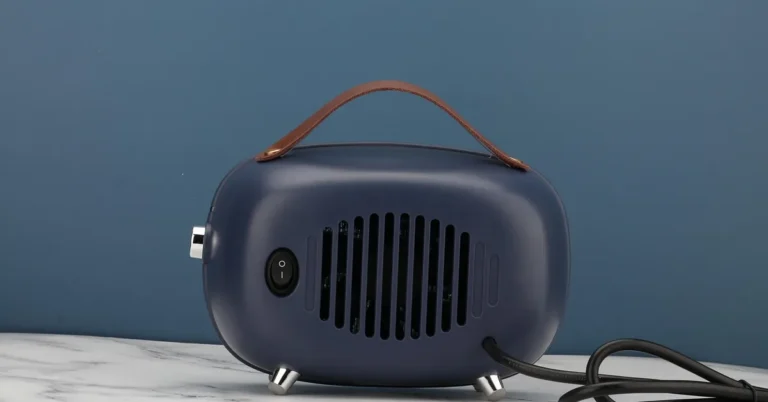
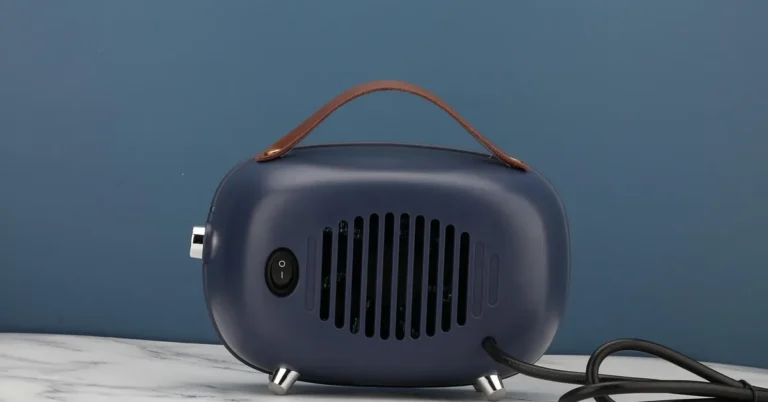
A Comfort Zone space heater that keeps shutting off is almost always doing exactly what it’s designed to do: tripping one of its built-in safety switches because of tip-over, overheating, or an overloaded circuit. It’s rarely a sign the unit is broken. This guide covers the specific safety features on Comfort Zone models, the checks that identify which one is triggering, and when repeated shutoffs mean it’s time to stop using the heater.
The Tip-Over Switch
Every Comfort Zone electric space heater includes a tilt sensor, a small mercury-free switch or ball-and-plunger mechanism that cuts power the instant the unit isn’t sitting flat. Carpet, rugs, and uneven flooring are the most common cause: the heater can look level to your eye while actually resting at a slight tilt that the sensor detects. Set the heater on a hard, flat surface rather than carpet, and check that all four feet (or the base ring on tower models) are making even contact. If the unit shuts off within seconds of being unplugged and replugged while sitting on a rug, move it to a hard floor and retest before assuming anything else is wrong.
The Overheat Protection Sensor
A thermal cutoff switch inside the housing shuts the heater down if internal temperature climbs too high, which happens when the intake or exhaust vents are blocked. Comfort Zone models need clearance on all sides, typically 3 feet from furniture, curtains, and walls, and the rear or side intake grille must stay free of dust buildup. Check whether the heater runs fine when pulled away from a wall or corner and away from any fabric draped nearby; if it stops shutting off once you give it open air on all sides, blocked airflow was the cause. A layer of dust across the intake grille restricts airflow the same way, so vacuuming the vents with a brush attachment is worth doing every few weeks during heavy winter use.
Circuit Overload and the Outlet Itself
Most portable heaters draw close to 1,500 watts on high, which is 12.5 amps on a standard 120-volt circuit, close to the limit of a 15-amp breaker especially if anything else is running on that same circuit. If the heater shuts off (or the breaker trips, not the heater itself) when another appliance kicks on, that’s an overloaded circuit, not a heater fault. Plug the heater directly into a wall outlet on its own circuit rather than a power strip or extension cord; Comfort Zone heaters, like most portable heaters, aren’t rated for extension cord use because the added resistance can cause the cord to overheat before the heater itself even senses a problem.
When It’s the Thermostat, Not a Safety Feature
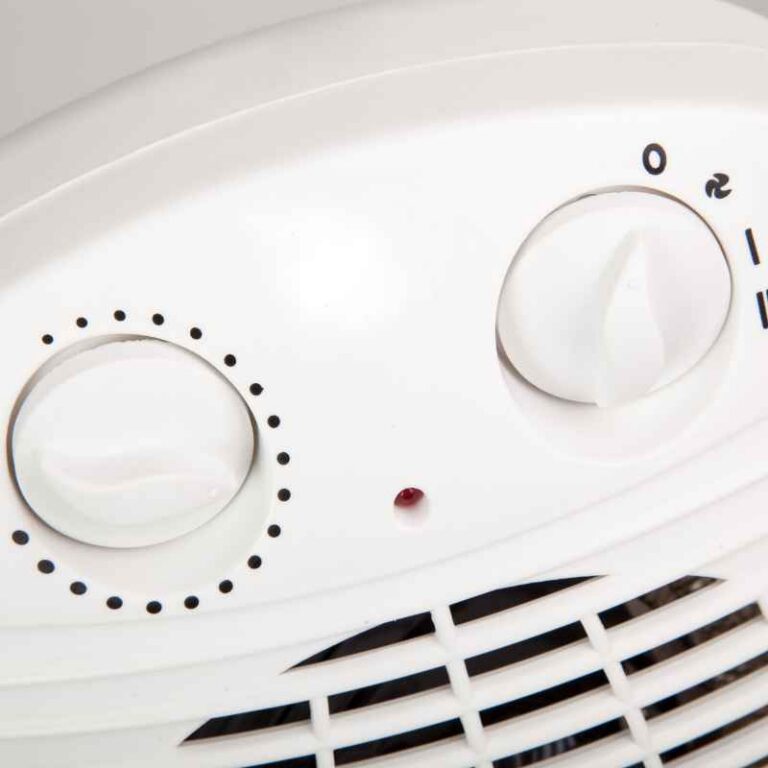
If the room has genuinely reached the temperature you set on the dial or digital display, the heater cycling off and back on is the thermostat working correctly, not a malfunction. This is easy to mistake for a fault on models with a wide dead-band, where the heater might stay off for 10 to 15 minutes before the room cools enough to trigger it again. Compare the shutoff pattern against a separate room thermometer; if it’s cycling near your set temperature, that’s normal operation. If it’s cutting off well below your set point, the internal thermostat sensor itself may be failing, and repeated portable heater keeps turning off issues like this one after ruling out placement and airflow usually mean the unit needs replacing rather than repairing, since most portable heater thermostats aren’t sold as standalone parts.
Frequently Asked Questions
Can I bypass or disable the tip-over switch?
No. It’s a fire-prevention feature, and disabling it removes the protection that stops the heating element from continuing to run if the unit gets knocked over onto flammable material. If it’s tripping on a level floor, the switch itself may be faulty and the heater should be serviced or replaced.
Why does my heater work fine for a few minutes and then shut off?
This timing is the signature of overheat protection: it takes a few minutes of restricted airflow for internal temperature to climb high enough to trip the sensor. Immediate shutoff points to the tip-over switch instead, since that reacts to position, not heat buildup.
Is it safe to keep using a heater that shuts off intermittently?
If you’ve confirmed it’s placement, airflow, or the thermostat cycling normally, yes. If the heater shuts off randomly with no clear pattern, or you smell anything burning, unplug it and stop using it. That’s a sign of an internal fault, not a safety switch working as designed.
Sponsored / affiliate links. As an Amazon Associate I earn from qualifying purchases. I may earn additional commission from eligible campaigns.
 AZEUS Portable AC and Heater Unit, 420W 110V Compact Air Conditioner for Tent RV Truck Cabin and Small Room, 1400W Cooling, 800W Heating, Remote Control, Dehumidifier, Sleep Timer, ChampagneMEGAWISE Portable Air Conditioner and Heater, 420W 110V Compact AC Unit with Remote Control, 1400W Cooling Capacity, 800W Heating, Dehumidifier, Fan, Sleep Timer, Champagne