How Safe Are Portable Heaters for Home Use?
In short, portable heaters can be safe when used correctly, following manufacturer guidelines, maintaining proper clearance, and ensuring adequate ventilation, especially for fuel-burning models. Always prioritize models with safety features like tip-over shutoff and overheating protection.
Key Takeaways
- Portable heaters are generally safe if operated according to instructions and safety guidelines.
- Electric heaters pose fewer risks than fuel-burning types, primarily related to electrical faults and overheating.
- Fuel-burning heaters (kerosene, propane) present significant risks of fire and carbon monoxide poisoning if not properly ventilated.
- Essential safety features include automatic shut-off, tip-over protection, and thermostat controls.
- Maintaining clear space around the heater and regular inspection are crucial for safe operation.
What is a Portable Heater and How Does It Work?
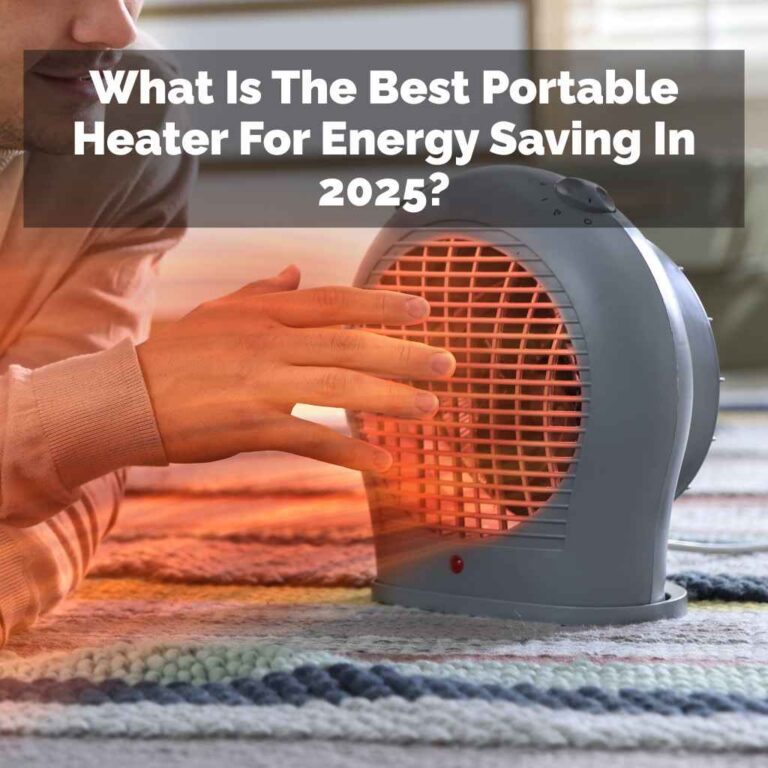
A portable heater is a compact, self-contained heating appliance designed to provide localized warmth in a room or area. Unlike central heating systems that warm an entire building, portable heaters are ideal for supplementing existing heat, warming specific spaces like a home office, or providing quick heat to an unoccupied room.
These devices operate on various principles depending on their type. Electric heaters typically use resistance coils to generate heat, which is then distributed by a fan or through radiant heat. Fuel-burning heaters, such as kerosene or propane models, combust fuel to produce heat, requiring careful attention to ventilation to prevent dangerous gas buildup.
The primary advantage of portable heaters is their flexibility and energy efficiency for targeted heating. They can be moved easily from room to room, allowing you to direct warmth precisely where it’s needed most, potentially saving energy compared to heating an entire home to a high temperature. However, this convenience comes with inherent safety considerations that must be understood and managed.
Types of Portable Heaters
- Convection Heaters: These circulate warm air around a room. They are often quiet and provide steady heat.
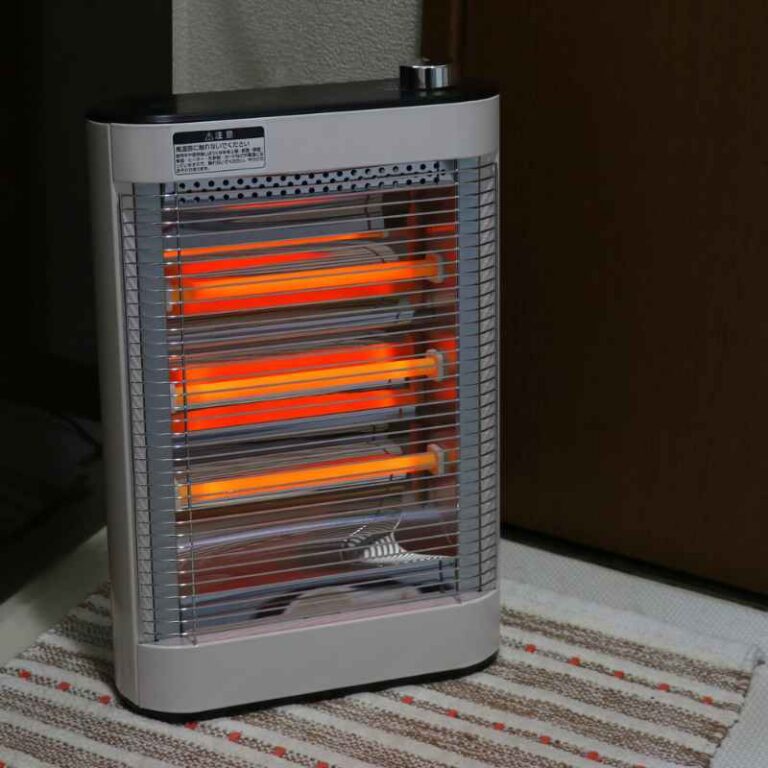
- Radiant Heaters: These emit infrared radiation to heat objects and people directly, offering quick, targeted warmth, similar to sunlight.
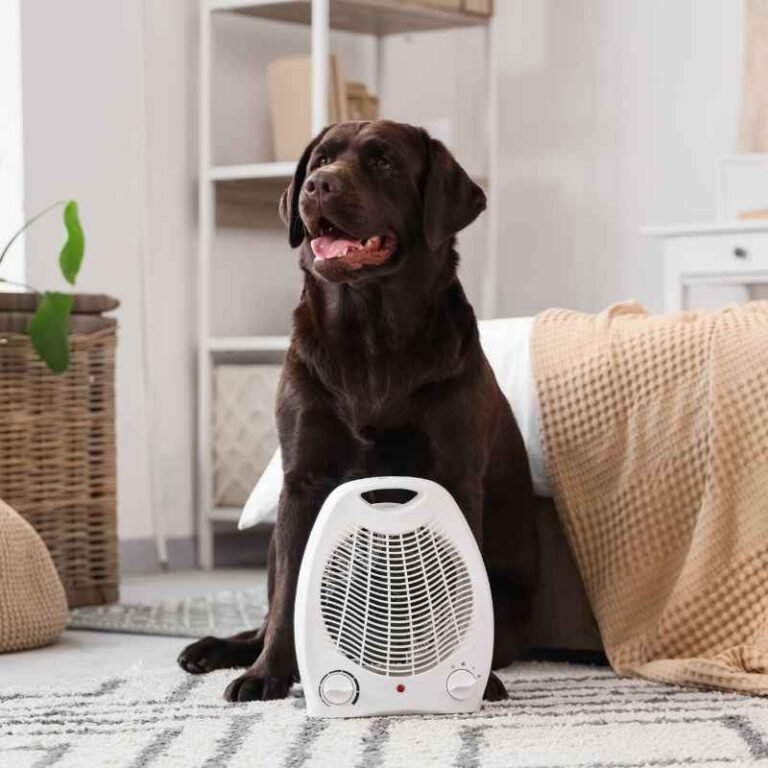
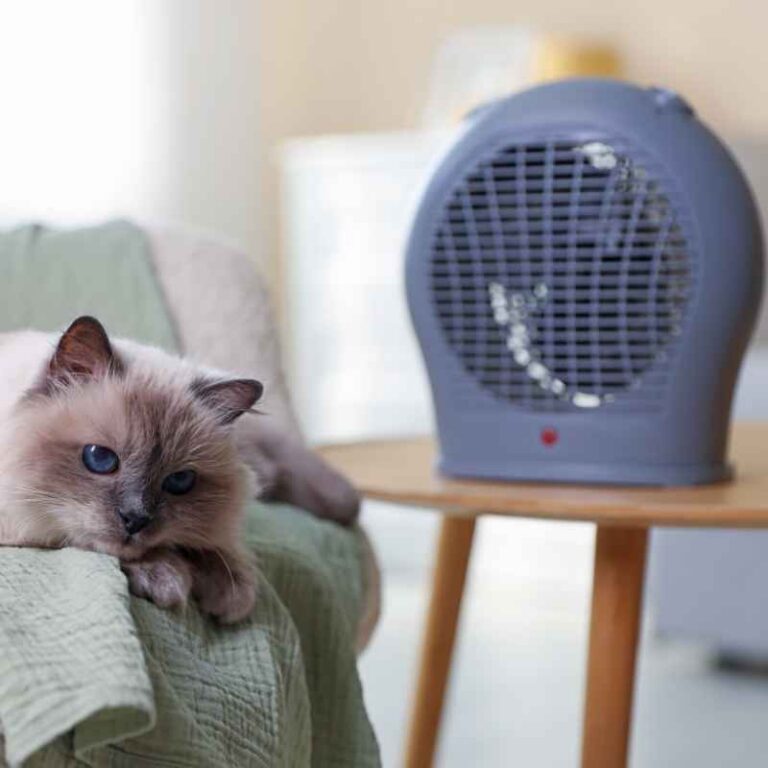
- Ceramic Heaters: A type of electric heater that uses a ceramic plate and a fan to blow heated air. They are generally safe and efficient for smaller spaces.
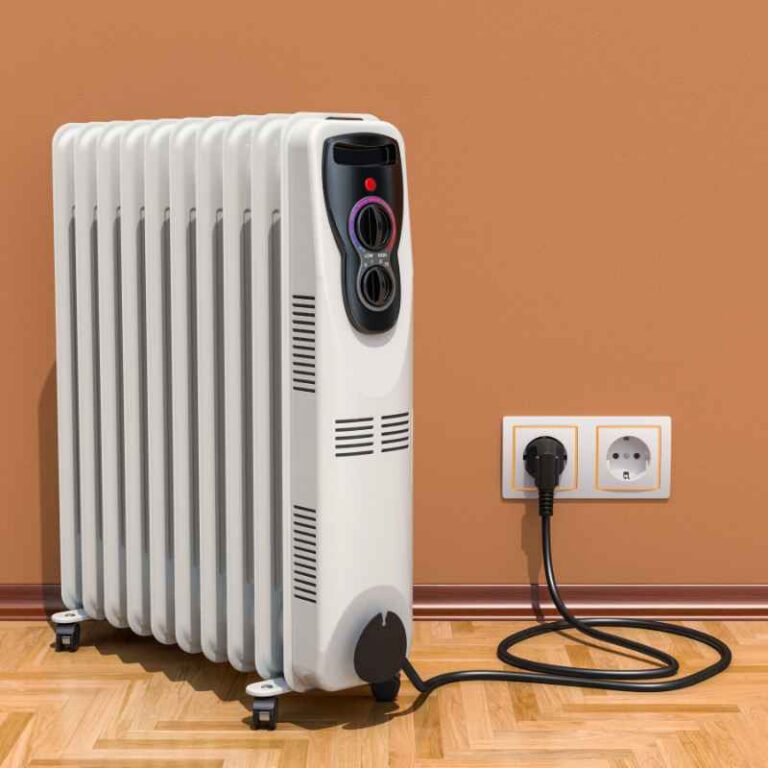
- Oil-Filled Radiators: These resemble traditional radiators but are filled with a special oil that heats up and then radiates heat. They are slow to heat but provide long-lasting warmth and are very quiet.
- Fuel-Burning Heaters (Kerosene, Propane): These are powerful but come with significant safety risks, including fire and carbon monoxide poisoning, and require proper ventilation.
Heating Mechanisms Explained
Electric portable heaters primarily rely on electrical resistance. When electricity passes through a resistive element (like nichrome wire or a ceramic plate), it generates heat. This heat is then transferred to the surrounding air.
Fan-forced heaters use a blower to push this heated air into the room. Radiant heaters, on the other hand, have elements that glow hot and emit infrared radiation, which heats surfaces and occupants directly in its path.
Fuel-burning portable heaters work by combusting a flammable liquid or gas. Kerosene heaters burn kerosene, while propane heaters use propane tanks. The combustion process releases heat, which is then transferred to the environment.
These units are often used in unheated garages or during power outages, but they are the most dangerous due to their reliance on combustion and the potential for dangerous byproducts like carbon monoxide.
The safety of a heater is directly linked to its heating mechanism and how it’s used. Electric heaters generally have fewer immediate combustion-related risks but can still pose fire hazards if faulty or misused. Fuel-burning heaters demand strict adherence to safety protocols, particularly regarding ventilation and fuel handling.
Safety Risks Associated with Portable Heaters
Despite their utility, portable heaters, especially when misused, can present several safety risks. The most significant dangers include fire hazards and the potential for carbon monoxide (CO) poisoning, particularly with fuel-burning models. Understanding these risks is the first step toward preventing accidents.
| Common Portable Heater Risks | Description |
|---|---|
| Fire Hazard | Overheating, proximity to flammable materials, electrical faults, and tip-overs can ignite nearby items. |
| Carbon Monoxide (CO) Poisoning | Incomplete combustion in fuel-burning heaters releases colorless, odorless CO gas, which can be fatal. |
| Burns | Hot surfaces of the heater can cause severe burns upon contact, especially for children and pets. |
| Electrical Shock | Damaged cords, plugs, or internal wiring in electric heaters can lead to shocks. |
| Tripped Breakers/Power Surges | High-wattage heaters can overload circuits, causing breakers to trip or potentially damaging wiring. |
The risk of fire is perhaps the most widely publicized concern. Portable heaters are a leading cause of home fires during winter months. This is often due to placing them too close to combustible materials like curtains, bedding, or furniture, or due to mechanical failures that lead to overheating.
Fire Hazards: What to Watch Out For
The National Fire Protection Association (NFPA) reports that heating equipment is involved in 1 in 7 reported home fires, and portable heaters are a significant contributor. The primary causes are items being too close to the heater, the heater tipping over, and the heater’s placement too close to things that can burn. For instance, a portable heater placed near a sofa or a pile of newspapers can quickly ignite them if the surface becomes too hot or if an ember escapes.
- Clearance: Always maintain at least three feet of clear space around your portable heater. This includes floors, walls, and any surrounding furniture or drapes.
- Surface: Place heaters on a stable, level, and non-combustible surface like a tile or cement floor, not on carpet or wooden surfaces that can char or ignite.
- Supervision: Never leave a portable heater unattended, especially when children or pets are present. Turn it off when you leave the room or go to sleep.
- Cord Safety: Ensure the power cord is not frayed or damaged. Avoid running cords under rugs or carpets, as this can damage the cord and create a fire hazard.
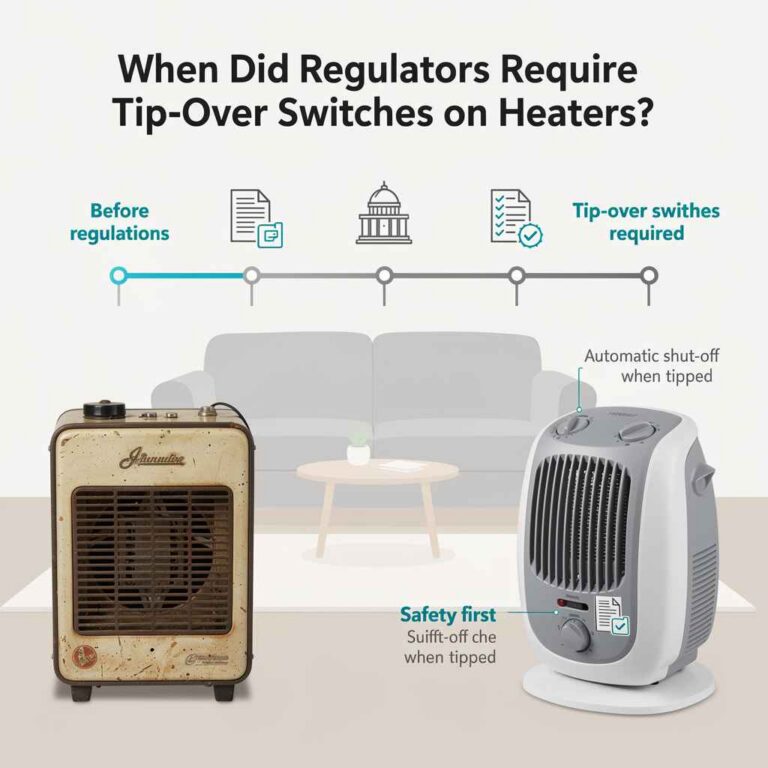
- Tip-Over Protection: Modern heaters often come with a safety feature that automatically shuts off the unit if it tips over. Ensure your heater has this feature and test it.
Carbon Monoxide (CO) Dangers
Fuel-burning portable heaters, such as kerosene and propane models, are a major source of carbon monoxide poisoning. CO is produced when fuels like kerosene, propane, natural gas, or wood don’t burn completely. This gas is odorless and colorless, making it incredibly dangerous as it can build up to lethal levels in an enclosed space without anyone realizing it.
Symptoms of CO poisoning can include headaches, dizziness, nausea, weakness, and confusion, mimicking flu-like symptoms. In higher concentrations, it can lead to loss of consciousness and death within minutes. This is why ventilation is absolutely critical when using any fuel-burning appliance indoors.
The U.S. Consumer Product Safety Commission (CPSC) strongly advises against using unvented indoor fuel-burning heaters.
To mitigate CO risks:
- Ventilation is Key: If you must use a fuel-burning heater, ensure the area is extremely well-ventilated. This means opening windows or doors, even in cold weather, to allow fresh air in and CO to escape.
- CO Detectors: Install carbon monoxide detectors on every level of your home, especially near sleeping areas. Test them regularly and replace batteries as needed.
- Indoor Use Only: NEVER use fuel-burning heaters indoors if they are designed for outdoor use, as they are not equipped with safety features for enclosed spaces.
- Manufacturer Instructions: Always follow the manufacturer’s instructions for fuel-burning heaters meticulously, paying close attention to ventilation requirements.
Essential Safety Features to Look For
Modern portable heaters come equipped with various safety features designed to minimize risks. When purchasing a new heater, prioritizing these features can significantly enhance your safety and peace of mind. Not all heaters are created equal, and some offer much better protection than others.
Automatic Shut-Off Systems
One of the most critical safety features is an automatic shut-off system. This system is designed to prevent hazards like overheating or fires. It typically works in one of two ways: either by sensing an abnormally high temperature or by detecting if the heater has tipped over.
- Overheat Protection: This mechanism senses when the heater’s internal components are reaching dangerously high temperatures. If this threshold is crossed, the thermostat will automatically shut off the heating element to prevent damage and potential ignition of nearby materials.
- Tip-Over Switch: This is a crucial feature for preventing fires caused by accidental knocks. The switch is designed to cut power to the heater immediately if it is tilted or tipped beyond a certain angle. This prevents the hot element from directly contacting the floor or surrounding materials.
These automatic shut-off systems are vital because they provide a safety net even when users might be distracted or forget to turn off the heater manually. It’s essential to ensure that your heater has at least one, and preferably both, of these features.
Thermostat Controls and Timers
Thermostat controls are not just about comfort; they also play a role in safety. By allowing you to set a specific temperature, a thermostat prevents the heater from continuously running at full power, which can reduce the risk of overheating and conserve energy.
Some advanced heaters also include built-in timers. A timer allows you to set the heater to turn on or off at specific times. This is beneficial for energy savings and also for safety, as you can program it to turn off after a few hours, ensuring it’s not running all night unattended.
This feature is particularly useful for warming up a bedroom before you go to sleep and then having it switch off automatically.
Cool-Touch Exterior
For heaters that generate significant surface heat, a “cool-touch” exterior is a valuable safety feature, especially in homes with children or pets. This means the outer casing of the heater remains at a temperature that is safe to touch, reducing the risk of accidental burns.
This is achieved through design elements like double-insulated casings, protective grilles, and strategic airflow. While it’s always advisable to keep children and pets away from any heating appliance, a cool-touch exterior provides an extra layer of protection against painful contact burns. This feature is more common on certain types of electric heaters, like ceramic fan heaters.
Safe Usage Guidelines for Different Heater Types
The safety recommendations for portable heaters can vary significantly based on the type of heater. While electric models generally pose fewer direct risks than fuel-burning ones, both require careful operation. Adhering to specific guidelines for each type is crucial for preventing accidents.
Electric Heater Safety
Electric portable heaters are generally considered safer for indoor use than fuel-burning alternatives because they do not produce combustion byproducts like carbon monoxide. However, they still pose fire risks if not used properly.
| Electric Heater Safety Tips | Details |
|---|---|
| Placement | Always place on a flat, stable, non-combustible surface. Maintain at least 3 feet of clearance from curtains, furniture, bedding, and other flammable materials. Do not place near water sources. |
| Cord Management | Never run the cord under carpets or rugs. Avoid extension cords if possible; if one must be used, ensure it is heavy-duty and rated for the heater’s wattage. Inspect the cord for damage before each use. |
| Supervision | Never leave an electric heater running unattended. Turn it off when you leave the room or go to sleep. |
| Maintenance | Keep the heater clean, especially the air intake and outlet vents, to prevent overheating. Check for any signs of damage. Discontinue use if damaged. |
| Safety Features | Ensure the heater has a tip-over shut-off switch and overheat protection. Test these features periodically. |
Using a dedicated outlet for high-wattage heaters is also a good practice to avoid overloading circuits. For instance, a 1500-watt heater draws over 12 amps, which can be a significant load on a standard 15-amp household circuit, especially if other appliances are running. Therefore, plugging it into an outlet that isn’t shared with other high-draw devices is wise.
Fuel-Burning Heater Safety (Kerosene, Propane)
Fuel-burning portable heaters, while effective for unheated spaces like garages or during power outages, are inherently more dangerous due to the risk of fire and carbon monoxide poisoning. Their use demands extreme caution and strict adherence to safety protocols. The U.S.
Consumer Product Safety Commission (CPSC) often warns consumers about the dangers associated with these units.
According to the CPSC, many indoor carbon monoxide poisonings and fires are linked to the improper use of portable kerosene and propane heaters. It is crucial to understand that these units are often designed for specific environments and not for general indoor residential use without proper safeguards.
- Adequate Ventilation is Non-Negotiable: This cannot be stressed enough. For any indoor use of fuel-burning heaters, ensure continuous and sufficient ventilation. This means opening windows or doors, even in cold weather, to allow fresh air to circulate freely and prevent CO buildup.
- Carbon Monoxide Detectors: Always have working CO detectors on every level of your home. Test them monthly and replace batteries at least once a year.
- Approved for Indoor Use: Only use fuel-burning heaters that are specifically certified and labeled for indoor use. Outdoor heaters are NOT safe for indoor environments.
- Proper Fuel Storage: Store fuel like kerosene or propane in approved containers, away from ignition sources and living areas. Never refuel a heater while it is hot or in operation.
- Regular Inspection: Check fuel-burning heaters regularly for any signs of damage, leaks, or malfunctioning parts before each use.
It is important to note that many experts and safety organizations recommend avoiding indoor use of unvented fuel-burning heaters altogether, due to the inherent risks. If such a heater is necessary, extreme caution and stringent adherence to safety measures are paramount.
Maintaining Your Portable Heater for Longevity and Safety
Regular maintenance is key to ensuring your portable heater operates safely and efficiently for years to come. Neglecting maintenance can lead to malfunctions, reduced performance, and increased safety risks. A little effort can go a long way in preventing issues.
Cleaning and Debris Removal
Over time, dust, pet hair, and other debris can accumulate in the vents and internal components of portable heaters. This buildup can obstruct airflow, causing the unit to overheat, reducing its efficiency, and potentially becoming a fire hazard. Regular cleaning is therefore essential.
- Exterior Wipe Down: Use a soft, damp cloth to wipe down the exterior of the heater. Ensure the unit is unplugged and completely cool before cleaning.
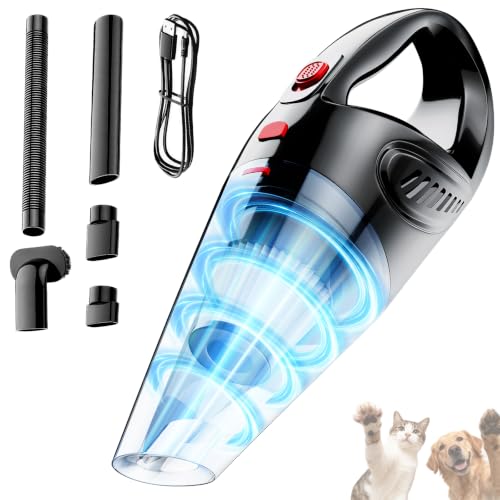
- Ventilation Cleaning: For electric heaters, use a vacuum cleaner with a brush attachment or a can of compressed air to gently remove dust from the air intake and outlet vents.
- Grille Inspection: Check the protective grilles to ensure they are free from obstructions that could impede airflow.
- Avoid Water: Never immerse the heater in water or any other liquid. Use only a damp cloth for cleaning the exterior and ensure the unit is thoroughly dry before plugging it back in.
Cleaning should ideally be done before the heating season begins and periodically throughout its use. For fuel-burning heaters, cleaning may involve checking and cleaning the wick or burner assembly according to the manufacturer’s instructions.
Checking Cords and Plugs
The power cord and plug are critical components of any electric heater. Damage to these parts can lead to electrical shocks, short circuits, or fire hazards. A thorough inspection before each use is a simple yet effective safety measure.
Look for any signs of fraying, cuts, or damage to the insulation of the cord. Check the prongs on the plug to ensure they are not bent, loose, or corroded. If any damage is found, the heater should not be used and should be repaired or replaced.
Warning: Do not attempt to repair a damaged power cord yourself. Take the appliance to a qualified technician or replace the unit if the cord is compromised.
Inspecting for Damage and Wear
Beyond the power cord, it’s important to inspect the entire heater for any signs of physical damage, wear, or tear. This includes cracks in the casing, loose parts, or any unusual noises when the unit is operated.
- Casing Integrity: Ensure the outer casing is intact and free from significant cracks or damage that could expose internal components.
- Operational Sounds: Listen for any grinding, rattling, or unusual noises when the heater is running. These could indicate internal mechanical issues.
- Smell Test: If the heater emits a burning smell that isn’t typical of normal operation (e.g., a faint odor when first turned on that quickly dissipates), unplug it immediately and investigate the cause or discontinue use.
- Safety Feature Check: Periodically test the tip-over switch and overheat protection by gently tilting the heater or allowing it to run for a bit longer to see if the overheat sensor engages (ensure this is done safely and without risk).
If any significant damage or concerning issues are found, it is best to cease using the heater and consult the manufacturer or a repair professional. Continuing to use a damaged appliance can lead to serious safety incidents.
Frequently Asked Questions
Are portable heaters safe to use overnight?
It is generally not recommended to leave portable heaters running unattended overnight, especially in bedrooms. While heaters with automatic shut-off and thermostat controls offer some safety, the risk of unexpected malfunction or fire remains. It’s safer to use them to warm a room before sleep and then turn them off, or use them under supervision.
Can portable heaters cause carbon monoxide poisoning?
Only fuel-burning portable heaters (like kerosene or propane) can cause carbon monoxide poisoning. Electric portable heaters do not combust fuel and therefore do not produce carbon monoxide. If you use fuel-burning heaters, ensure there is adequate ventilation and that you have working carbon monoxide detectors.
How far away should a portable heater be from furniture and walls?
A minimum clearance of three feet (about one meter) is recommended between a portable heater and any combustible materials, including furniture, curtains, bedding, and walls. This spacing helps prevent accidental ignition and allows for proper airflow around the unit.
Is it safe to use a portable heater in a bathroom?
It is generally unsafe to use electric portable heaters in bathrooms due to the risk of electrical shock when combined with water. Most portable heaters are not designed to be moisture-resistant. If a bathroom needs heating, consider a professionally installed electric baseboard heater or a dedicated bathroom heater with appropriate safety certifications for wet environments.
What is the safest type of portable heater?
Electric portable heaters are typically considered safer for indoor residential use than fuel-burning models because they do not produce carbon monoxide. Among electric heaters, those with multiple safety features like automatic tip-over shut-off, overheat protection, and a cool-touch exterior are generally the safest options.
Final Thoughts
Portable heaters can be valuable tools for providing supplemental warmth, but their safety hinges on responsible usage and diligent maintenance. Always prioritize models with robust safety features like tip-over protection and overheat sensors. Critically, fuel-burning units demand unwavering attention to ventilation to prevent the silent threat of carbon monoxide.
By understanding the risks and following these guidelines, you can enjoy the comfort of portable heating without compromising your home’s safety.
Sponsored / affiliate links. As an Amazon Associate I earn from qualifying purchases. I may earn additional commission from eligible campaigns.