What To Know About The Different Types Of Portable Heaters
Feeling that chill creep in? You’re not alone. Many homes, especially older ones or additions, can have rooms that just don’t get warm enough.
It’s frustrating to shiver while the rest of the house is cozy. You want a quick, safe, and effective way to heat that one cold spot without breaking the bank. But stepping into the world of portable heaters can feel like a maze.
What are all these different kinds? Which one is actually going to work for you? Let’s break it down, friend.
We’ll look at the most common types and what makes them tick, so you can make a smart choice for your comfort.
Portable heaters offer a flexible way to add warmth to specific rooms or areas. Understanding the different types, like radiant, convection, and ceramic heaters, helps you pick one that fits your needs for safety, efficiency, and heating style.
Understanding How Portable Heaters Work
Portable heaters are like little helpers for your home. They take energy and turn it into heat. This heat then warms up the air or objects around them.
Think of it as a mini furnace you can move wherever you need it most.
The main goal is to boost the temperature in a room. This is super useful for places like basements, garages, or even just that one drafty bedroom. They are designed for spot heating.
This means they focus on warming a particular space. They are not meant to heat your entire house. That’s usually a job for your main heating system.
They work by using electricity. This electricity powers a heating element. This element gets hot.
Then, it releases that heat into the room. Different types of heaters do this in slightly different ways. This affects how they warm things up and how quickly.
Some heaters push hot air out. Others use waves to warm objects directly. It’s all about how they transfer that precious warmth.
Knowing these basic ideas helps you see why one heater might feel different from another.
My Own Frustrating Heater Hunt
I remember one winter. My home office was like an icebox. Even with the main heat on, I’d be typing with numb fingers.
My breath would puff out in little clouds. It was terrible for productivity. I felt so annoyed.
I tried wearing extra sweaters, but it only helped so much.
I decided a portable heater was the answer. I walked into the store and felt overwhelmed. There were so many boxes!
Different shapes, sizes, and brands. One looked like a little tower. Another was a round, glowing panel.
A third looked like a mini ceramic stove. I didn’t know where to start.
I picked one that looked sleek and modern. It promised quiet operation. I brought it home, plugged it in, and… it was okay.
It took forever to warm the small space. And it made a weird fan noise that drove me crazy. I felt disappointed.
It was not the cozy solution I had hoped for. I ended up returning it and did more research. That’s when I really learned about the different types and what to look for.
Quick Guide to Heater Types
Radiant Heaters: Heat objects and people directly. Like sunshine. Great for spot heating.
Can warm you up fast.
Convection Heaters: Heat the air. The warm air then circulates. They warm a room more evenly over time.
Good for keeping a space at a steady temperature.
Ceramic Heaters: A popular type of convection heater. Use a ceramic plate to heat air. Often have a fan to blow the warm air.
They are usually compact and safe.
Oil-Filled Radiators: A type of radiant heater. They heat oil inside. The oil then gives off steady heat.
Very quiet and provide gentle warmth. Good for overnight use.
Radiant Heaters: The Sunbeam Effect
Radiant heaters work by sending out heat waves. Think of the sun warming your face on a cold day. That’s radiant heat.
These heaters don’t heat the air first. They heat the objects and people directly in their path.
This means you feel the warmth almost instantly. You just need to be in the line of sight of the heater. They are perfect for warming you up quickly.
This is great if you only need heat for a short time. Like sitting at your desk or by a chair.
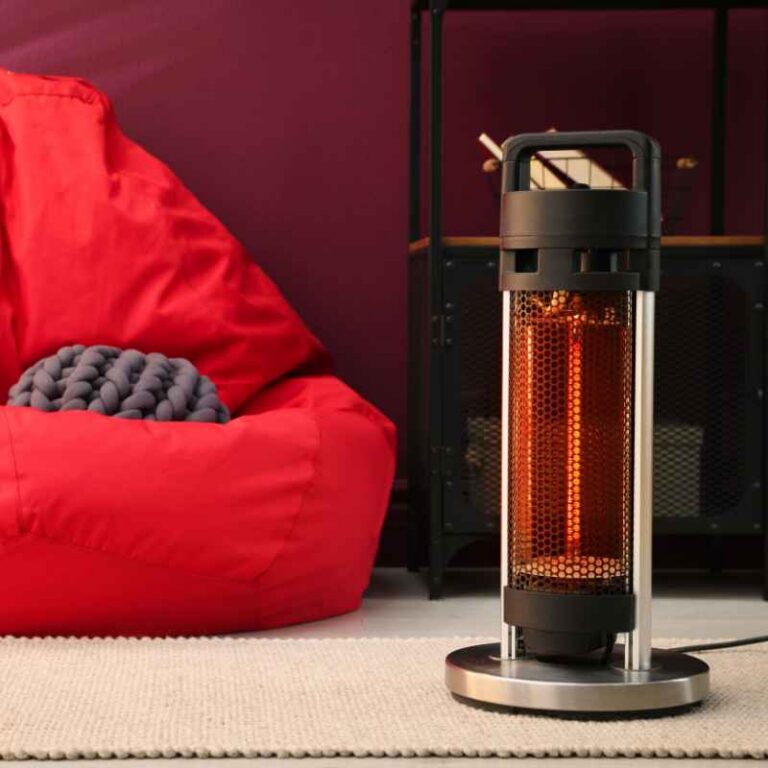
A common type of radiant heater uses a glowing coil or a halogen element. This element gets very hot and emits infrared radiation. This radiation travels through the air.
When it hits something, like you or your furniture, it turns into heat.
The big plus is speed. You don’t have to wait for the whole room to get warm. Just feel the direct heat on your skin.
However, radiant heaters don’t warm the air very much. So, if there’s a draft, the warmth might fly away quickly. They are best for smaller, enclosed spaces.
You might hear them called infrared heaters. The technology is the same. They are excellent for personal comfort zones.
They can make a cold spot feel much better very fast.
Radiant Heater Spotlight
How They Work: Emit infrared waves. These waves heat objects and people directly.
Feel the Heat: Instant warmth when you are in the direct path.
Best For: Spot heating, quick personal warmth, small areas.
Considerations: Don’t warm the air much. Warmth can escape with drafts.
Convection Heaters: Warming the Air Around You
Convection heaters work differently. They heat the air in the room. This is a more gentle, steady way to warm up a space.
They pull in cool air. Then, they heat that air up. Finally, they release the warm air back into the room.
This process makes the warm air rise. Then, cooler air gets pulled in to be heated. This creates a natural flow.
This circulating warm air gradually raises the temperature of the entire room. It’s a slower process than radiant heat. But it makes the whole room feel consistently warm.
These heaters are great for maintaining a comfortable temperature. They are good for rooms where you’ll be spending a longer time. Like a living room or a bedroom overnight.
They don’t rely on you being directly in front of them to feel warm.
The main benefit here is even heating. You won’t have hot spots and cold spots. The whole room will get there together.
They are often quieter than some other types too. Because they don’t always need a fan to push the heat out. They rely on natural air movement.
If you want to keep a whole small room cozy, a convection heater is a good choice. They provide a nice, ambient warmth that lasts. It’s like having a gentle, invisible blanket over the room.
Ceramic Heaters: The Popular Choice
Ceramic heaters are a very popular kind of convection heater. They are known for being safe and effective. Inside, they have a ceramic plate.
This plate heats up when electricity passes through it.
Most ceramic heaters have a small fan. This fan blows air across the hot ceramic plate. The air gets heated.
Then, the fan blows the warm air out into the room. This helps spread the heat quickly and evenly.
Ceramic heaters are usually compact. They don’t take up much space. Many have safety features like tip-over protection and overheat shut-off.
This makes them a good choice for homes with kids or pets. Or if you tend to worry about leaving things on.
They warm up a room relatively quickly. While they are a type of convection heater, the fan speeds things up. They can heat a small to medium-sized room quite well.
They are a good all-around option for personal comfort.
When you’re looking at ceramic heaters, check for features like adjustable thermostats. This lets you set the exact temperature you want. Some also have timers.
These can help you save energy by turning the heater off automatically.
Ceramic Heater Breakdown
Type: Convection heater with a ceramic heating element.
How it Works: Fan blows air over a hot ceramic plate.
Pros: Fast heating, compact size, common safety features, even heat distribution.
Best For: Small to medium rooms, quick warm-ups, general use.
Look For: Thermostat control, timer, safety features.
Oil-Filled Radiator Heaters: Silent Warmth
Oil-filled radiator heaters are another type that provides gentle warmth. They look a bit like old-fashioned radiators you might see in older homes. But they are completely portable and use electricity.
Inside these heaters is a special type of oil. This oil is sealed. When you turn the heater on, an electric element heats the oil.
The hot oil then circulates within the heater’s fins. These fins release heat into the room.
The main benefit of oil-filled radiators is how quiet they are. They have no fans. They produce heat through convection and radiation.
This makes them perfect for bedrooms. Or any place where you need peace and quiet. They provide a very steady, consistent heat.
They are a type of radiant heater, but they hold their heat for a long time. Even after you turn them off, they continue to radiate warmth. This is because the oil stays hot.
This makes them very energy efficient in the long run.
They take a little longer to heat up a room compared to a ceramic heater. Because they rely on heating the oil first. But once they get going, they keep the room toasty.
They are a great choice for continuous, gentle warmth.
These are often seen as a very safe option. Because the heating element is enclosed within the oil. The outer surfaces don’t get as scorching hot as some other types of heaters.
This is good news for households with children or pets.
Oil-Filled Radiator: Key Features
Heating Method: Heats oil, which then radiates and convects heat.
Sound Level: Extremely quiet, no fan noise.
Heat Quality: Gentle, steady, and consistent warmth.
Energy Efficiency: Holds heat for a long time, efficient use.
Best For: Bedrooms, quiet spaces, long periods of use, consistent warmth.
Infrared Heaters: Targeted Heat
Infrared heaters are a type of radiant heater. They use infrared light waves to warm things up. You feel the heat almost instantly.
It’s like standing near a warm fire.
These heaters are very good at targeting specific areas. You can point them at yourself, your desk, or your couch. They warm whatever they are pointed at directly.
They don’t waste energy heating the air that might just escape through a window.
They are often used in commercial settings like patios or garages. But they are also great for home offices or living rooms. If you want to feel warm right away without heating the whole room, an infrared heater is a solid choice.
There are different types of infrared heaters. Some have exposed glowing elements. Others use quartz tubes.
They are generally energy efficient because they deliver heat directly. You don’t need to wait for the air temperature to rise.
One thing to note is that the heat can feel intense if you are too close. Always keep a safe distance. And make sure they are placed on a stable surface.
They can also be more expensive upfront than some other types.
For personal comfort in a larger, drafty space, an infrared heater can be a game-changer. You get the feeling of warmth quickly. This is without needing to blast heat into empty air.
Infrared Heater Facts
Technology: Uses infrared waves for direct heating.
Speed: Provides instant warmth to objects and people.
Efficiency: Heats targeted areas, reduces energy waste.
Placement: Ideal for specific zones or personal comfort.
Common Uses: Home offices, living areas, garages, workshops.
Fan Heaters: Quick Air Movement
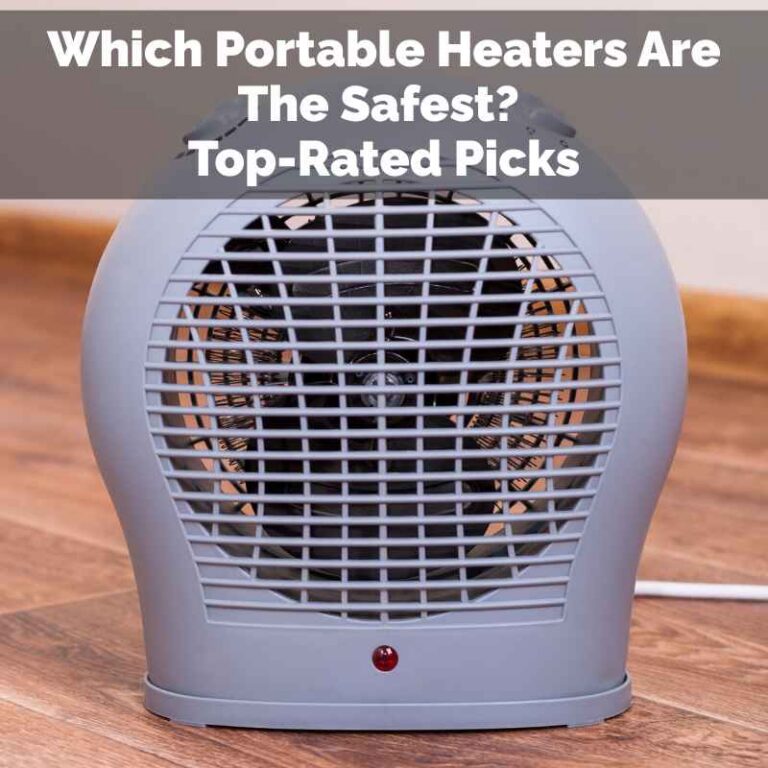
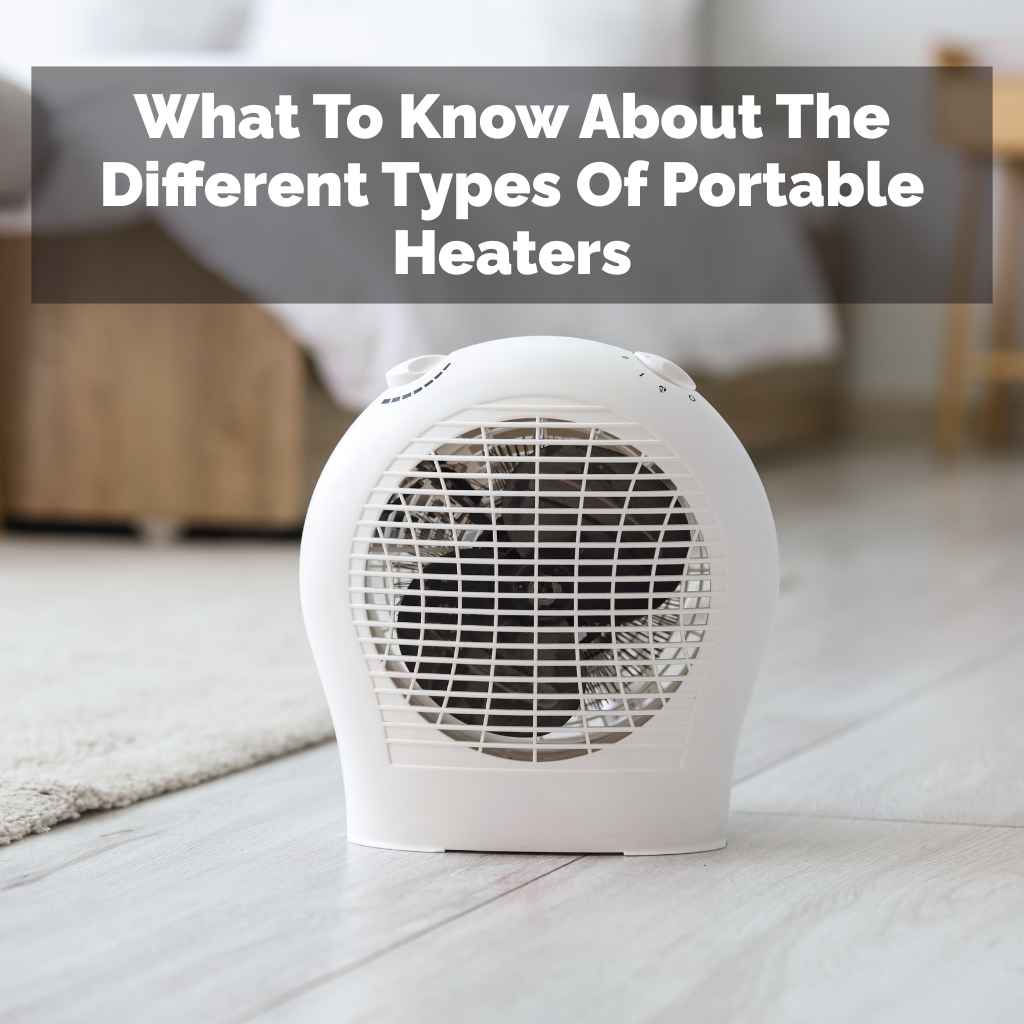
Fan heaters, also known as fan forced heaters, are designed for quick heat. They use a heating element, often ceramic or wire. A fan then pushes air across this element.
This blows hot air into the room rapidly. They are great for bringing a small room up to temperature very quickly. If you walk into a cold bathroom, a fan heater can make it comfortable in just a few minutes.
They are usually very lightweight and portable. Many have adjustable heat settings and thermostats. Some even have a cool air setting, making them useful as a fan in warmer months.
This gives them a dual purpose.
However, fan heaters can be noisy. The fan sound can be noticeable. They also tend to dry out the air more than other types.
And because they rely on moving air, they might not heat as evenly as a convection heater over a long period.
If your main goal is fast, temporary heat for a small space, a fan heater is a good option. They are usually quite affordable too. Just be mindful of the noise and dry air factor.
Fan Heater Overview
Primary Function: Rapidly heat and circulate air with a fan.
Heating Element: Often ceramic or wire coil.
Pros: Very fast heating, portable, dual-use (fan mode), affordable.
Cons: Can be noisy, may dry out air, less even heating over time.
Best For: Quick spot heating in small rooms (bathrooms, offices).
Real-World Context: Where and Why
Think about your home. Is it a newer build with good insulation? Or an older house with charming drafts?
The age and construction of your home play a big role. Older homes often need supplemental heat more than new ones.
Consider the rooms you want to heat. A basement might be damp and consistently cold. A garage might only need heat when you’re working in it.
A bedroom needs steady, gentle warmth overnight. Each of these scenarios calls for a different type of heater.
Habits matter too. Do you tend to forget things? Then a heater with automatic shut-off features is essential.
Do you want to set it and forget it? A thermostat-controlled unit is your friend. Your daily routines should guide your choice.
The size of the room is also key. A small bathroom needs much less power than a large living area. Trying to heat a huge space with a tiny heater is a waste of energy.
It just won’t get warm enough. Similarly, overheating a tiny closet with a powerful heater is inefficient.
The design and materials of the heater itself can affect its performance and safety. Metal casings might get hotter. Plastic casings might be lighter.
Look at how stable the heater is on its base. Does it look like it could tip over easily?
Finally, user behavior is critical. Always read the manual. Place heaters on a flat, stable surface.
Keep them away from flammable materials like curtains or bedding. Never leave them on unattended if you have pets or young children. Safety first, always.
Choosing Based on Your Space
Small, Drafty Rooms (e.g., Bathroom, Home Office):
Consider: Ceramic, Fan Heater, Infrared.
Why: Quick heat needed, compact size. Safety is key for bathrooms.
Medium-Sized Rooms (e.g., Living Room, Bedroom):
Consider: Convection, Oil-Filled Radiator.
Why: Steady, even warmth over longer periods. Quieter operation for bedrooms.
Garages or Workshops:
Consider: More robust Radiant, Infrared, or dedicated workshop heaters.
Why: Need to combat significant cold, durability may be important.
Larger Spaces or Open Areas:
Consider: Powerful Radiant or Infrared heaters for targeted warmth.
Why: Focus on personal comfort zones rather than trying to heat the whole volume.
What This Means for You: When is it Normal?
It’s totally normal to want an extra bit of warmth. Especially when the main system can’t quite keep up. Using a portable heater to supplement your heating is a smart move.
It can make a cold room feel cozy and inviting.
When it’s normal, the heater is making a noticeable but comfortable difference. The room feels warmer. You don’t feel that biting chill anymore.
The heater is running, but it’s not working overtime to achieve a mild increase in temperature.
When should you worry? If a heater seems to be struggling to make any difference at all, that’s a sign. Or if it’s running constantly on high and the room is still cold, your heater might be too small for the space.
Or there could be a bigger insulation issue in your home.
You should also worry if the heater smells strange. Or if it makes unusual noises. Or if it feels excessively hot to the touch, beyond what’s normal for that type.
These could be signs of a malfunction or a safety hazard.
Simple checks include ensuring the heater is plugged into the correct outlet. And that it’s not blocked by furniture or drapes. If you’ve checked these things and the room is still frigid, it might be time to look at insulation or sealing drafts.
For example, if your office is cold despite the heater, is the window sealed properly? Can you feel air coming in from under the door? Addressing these issues can make your portable heater work much better.
Quick Fixes & Smart Tips for Using Your Heater
Using your portable heater smartly can save you money and keep you safer. Here are some tips. Always read the instruction manual first.
It has important safety and usage details. Make sure your heater is clean. Dust can build up and affect performance.
Use a timer if your heater has one. This helps prevent overheating. It also saves energy.
Set it to turn on a little before you need the room warm. And to turn off after you leave. Or overnight if you prefer cooler sleeping temperatures.
For convection and oil-filled heaters, let them run for a bit to reach their full potential. They take time to warm the air or oil. Don’t expect instant results.
For radiant heaters, position yourself in the direct path of the heat. That’s where you’ll feel it most.
Keep doors and windows closed when the heater is on. This traps the warm air inside. It makes the heater more effective.
And reduces energy waste. Check for drafts around windows and doors. You can use draft stoppers or weather stripping to block them.
Never use an extension cord if you can avoid it. If you must use one, make sure it’s heavy-duty and rated for the heater’s wattage. Plug the heater directly into a wall outlet.
This is the safest option.
Unplug your heater when you are not using it. Especially if you are leaving the house for an extended period. Or if you are going to sleep.
Always ensure it is completely turned off. And give it time to cool down.
Energy Saving Heater Habits
- Use a Thermostat: Set it to the lowest comfortable temperature.
- Timer is Your Friend: Schedule heating times for efficiency.
- Zone Heating: Only heat the room you are in.
- Seal Drafts: Prevent warm air from escaping.
- Regular Maintenance: Clean filters and coils for better performance.
- Unplug When Not in Use: Safety and energy savings.
Frequently Asked Questions About Portable Heaters
Are portable heaters safe to leave on overnight?
It depends on the type and model. Many modern portable heaters, especially oil-filled radiators and ceramic heaters with safety features, are designed for safe overnight use. Always check the manufacturer’s instructions.
Look for features like automatic shut-off, tip-over protection, and overheat protection. If you have any doubts, it’s best to turn it off. Or set a timer.
What is the most energy-efficient type of portable heater?
Generally, convection and oil-filled radiator heaters are considered more energy-efficient for keeping a room warm over time. They heat the air and hold heat well. Radiant heaters are efficient for instant personal warmth but less so for heating a whole room air.
Fan heaters can use more energy due to the fan, but are fast for short bursts.
Can I use a portable heater in a bathroom?
Use extreme caution. Bathrooms can be damp and have water present. Only use heaters specifically designed and rated for use in damp or wet locations.
These heaters will have special safety certifications. Ensure it’s plugged into a GFCI (Ground Fault Circuit Interrupter) protected outlet. Never let the heater touch water.
How big of a room can a portable heater warm?
Portable heaters are best for small to medium-sized rooms, typically up to 400-500 square feet for most models. The heater’s wattage and type will determine its coverage. A small bathroom might only need 500-750 watts.
A larger living area might need 1500 watts or more. Always check the manufacturer’s recommended room size for the specific model.
What does wattage mean on a portable heater?
Wattage tells you how much power the heater uses. A higher wattage generally means more heat output. A 1500-watt heater will produce more heat than a 750-watt heater.
However, higher wattage also means higher electricity consumption. For most standard wall outlets in the US, you can safely use heaters up to 1500 watts.
Are there different types of safety features on portable heaters?
Yes, many. Automatic shut-off turns the heater off if it gets too hot. Tip-over protection shuts it down if it falls over.
Cool-touch housings mean the outside stays cooler. Overheat protection is a common safety mechanism. GFCI protection is crucial for bathroom use.
Always look for these features, especially if you have kids or pets.
Conclusion
Finding the right portable heater is all about understanding your needs. You’ve learned about radiant, convection, ceramic, oil-filled, infrared, and fan heaters. Each has its own strengths.
Consider the room size, how quickly you need heat, and the overall ambiance you want. Safety features are always a top priority.
By matching the heater type to your specific situation, you can beat the chill. And do it safely and efficiently. Stay warm and cozy this season!
Sponsored / affiliate links. As an Amazon Associate I earn from qualifying purchases. I may earn additional commission from eligible campaigns.