Is An Oil Filled Radiator Better Than An Infrared Heater?
Understanding the core differences between oil-filled radiators and infrared heaters will help you choose the best option for your specific heating needs and home environment. Both offer unique benefits for consistent and efficient warmth.
Understanding Oil Filled Radiators
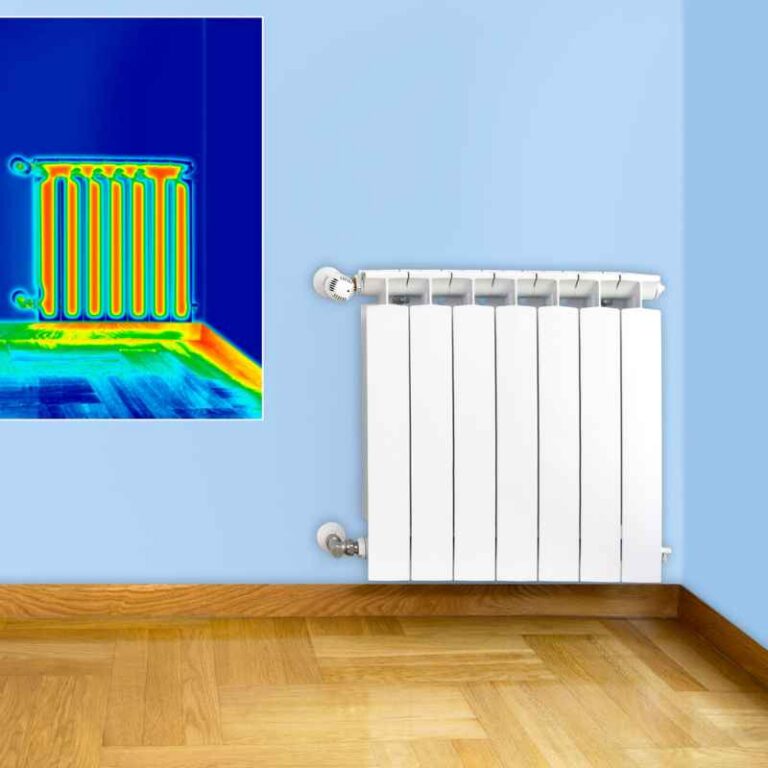
An oil filled radiator is a type of electric heater. It looks a bit like a traditional cast iron radiator. It has fins or columns.
Inside, it holds a special diathermic oil. This oil is a heat transfer fluid. It never boils or needs refilling.
The heater has an electric element. This element heats the oil. The oil then warms the metal casing of the radiator.
This warm metal surface heats the air around it. The air rises and circulates throughout the room.
This process is called convection. It’s a gentle and steady way to heat a space. The radiator itself gets warm.
It stays warm even after it’s turned off. This is because the oil inside retains heat. So, it keeps releasing warmth for a while.
This makes it feel cozy. It’s a quiet heater too. There are no fans blowing.
This is great for bedrooms or quiet living areas. You can often control the heat output. Most have adjustable thermostats.
Some also have timers.
The main idea is continuous, even heating. It warms the air. The warm air moves around.
It touches everything. This raises the overall room temperature. It’s like a big, slow hug for your house.
It doesn’t blast heat at you. Instead, it creates a background warmth. This can feel very comfortable.
It’s a classic choice for many people.
How Oil Filled Radiators Work (The Science Bit)
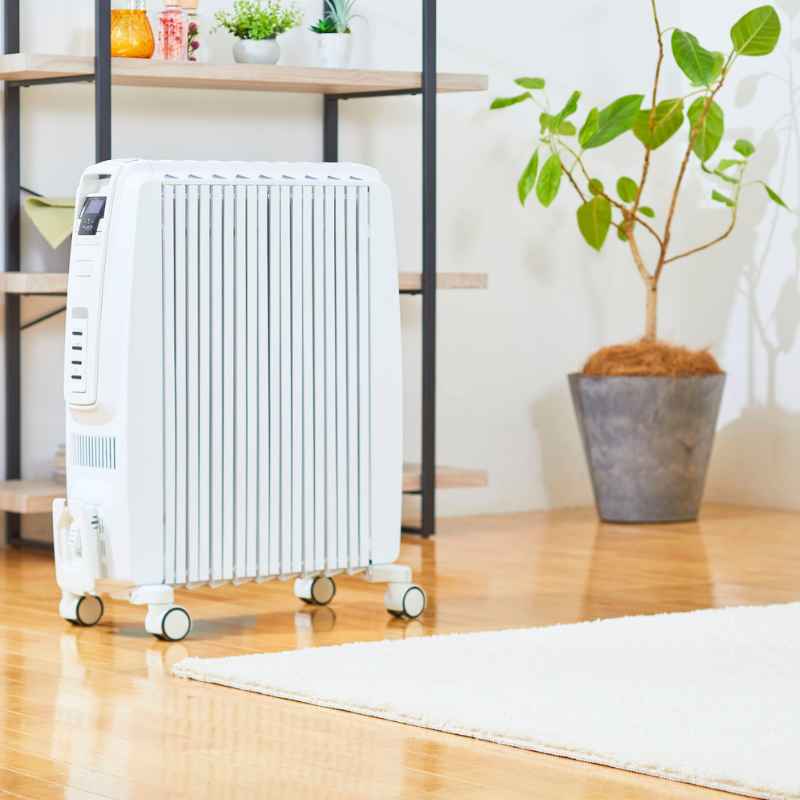
Let’s look closer at the magic inside. The electric heating element sits at the bottom. Think of it like a small stove burner.
When you turn it on, electricity flows through it. This makes the element get hot. This element is submerged in the diathermic oil.
The oil surrounds it. The heat from the element transfers to the oil. This is called conduction.
The oil heats up. But it doesn’t get super hot like boiling water. It stays at a safe, manageable temperature.
Now, hot oil is less dense than cool oil. So, the warm oil starts to rise. It moves up through the channels of the radiator.
It goes to the top. Then, as it cools near the metal fins, it becomes denser. It sinks back down to the bottom.
This creates a continuous loop. This loop is called a convection current.
As the hot oil moves up and through the radiator’s fins, it heats the metal. The metal fins have a large surface area. This is important.
It helps them give off heat to the surrounding air. The air near the fins gets warm. This warm air then rises.
It mixes with the cooler air in the room. This process repeats. Warm air rises, cool air falls.
This circulates the heat. It gradually warms the entire room. The oil acts as a thermal battery.
It stores heat. This means the radiator can continue to radiate warmth. It does this even after the power is cut off.
This gives it a long-lasting warmth effect. It’s a silent, steady operation. The heater itself doesn’t glow red hot.
It becomes a warm surface. This is safer for homes with kids or pets.
Oil Filled Radiator: Key Features
Heating Method: Convection and radiation from a warm surface.
Heat Distribution: Even, steady warming of the entire room’s air.
Noise Level: Very quiet, no fan noise.
Heat Retention: Oil holds heat, providing warmth even after shut-off.
Safety: Surfaces get warm, not scorching hot. Good for homes with children or pets.
Energy Use: Can be efficient for maintaining room temperature. Uses electricity.
Understanding Infrared Heaters
Infrared heaters are different. They don’t heat the air directly. Instead, they use radiant heat.
Think about the sun. The sun’s rays warm your skin. They don’t really warm the air between you and the sun.
Infrared heaters work the same way. They produce infrared radiation. This radiation travels in straight lines.
When it hits an object, it converts to heat. This object can be you, your furniture, or the walls.
This means you feel the warmth almost instantly. You don’t have to wait for the whole room to heat up. It’s like standing in a sunbeam on a cool day.
You feel warm right away. The air temperature in the room might not rise much. But you will feel comfortable.
This can be more efficient in some ways. You’re not wasting energy heating empty air. You’re heating what matters – you and your surroundings.
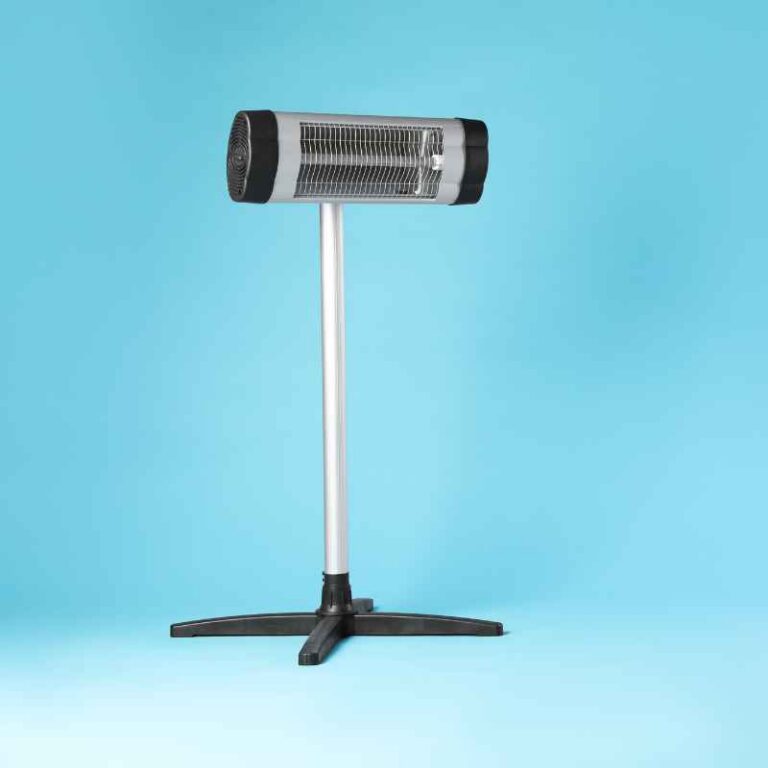
Infrared heaters come in many shapes and sizes. Some look like modern panels. Others are portable.
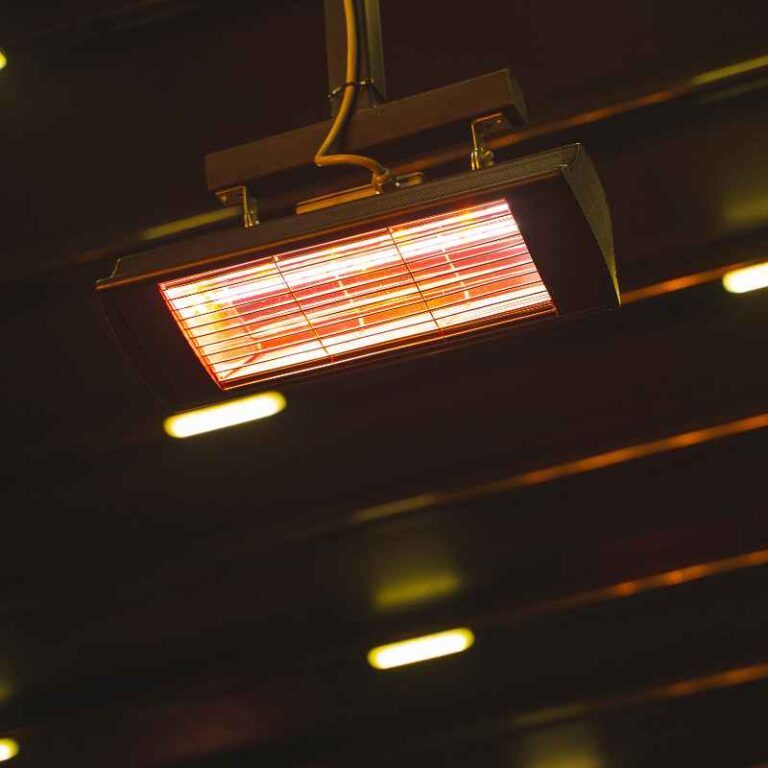
Some are designed to be mounted on walls or ceilings. They often have a glowing element or a dark ceramic surface. This is what emits the infrared waves.
Because they heat objects directly, they are great for spaces where you might only need to heat a specific area. For example, your desk at work or a spot on the sofa. They are also good for rooms with high ceilings or drafts.
Air heating might escape too quickly in such places.
How Infrared Heaters Work (The Radiant Way)
The core of an infrared heater is its emitter. This is usually a special heating element. It could be a quartz tube, a ceramic plate, or a metal coil.
When electricity passes through this element, it gets very hot. This intense heat causes it to give off infrared radiation. These are invisible waves of energy.
These waves travel outwards from the heater. They move at the speed of light. They don’t need a medium like air to travel through.
This is why they can warm you up so quickly. When these infrared waves strike a solid object, they are absorbed. The energy of the waves is converted into heat.
This makes the object warmer. So, you feel warmer because your skin absorbs the waves. Your clothes absorb them.
Your furniture absorbs them.
The air itself isn’t heated much directly. It can be warmed slightly by contact with the heated objects. But the primary effect is direct heating of surfaces.
This means that if you leave the room, the infrared heater stops warming you. It doesn’t continue to heat the air. It’s a more targeted form of heating.
You feel the effect where the rays hit you. This is why people often say infrared heat feels more direct and intense. It’s a sensation of warmth that is felt on the skin.
Infrared Heater: Key Features
Heating Method: Radiant heat (infrared waves).
Heat Distribution: Heats objects and people directly in its path.
Warm-up Time: Very fast, feel heat almost instantly.
Energy Use: Can be efficient for spot heating or when rapid warmth is needed.
Air Temperature: May not significantly raise overall room air temperature.
Noise Level: Generally quiet, some might have a slight hum.
Oil Filled Radiator vs. Infrared Heater: A Head-to-Head Look
Now, let’s get down to comparing them. It’s not about one being universally “better.” It’s about which one is better for your situation. Think about what you need most in a heater.
Speed of Warmth: Infrared wins here. You feel heat right away. An oil filled radiator takes time to warm up the oil and then the air.
This can be 10-20 minutes or more. If you need quick heat, infrared is your friend. If you’re settling in for the evening and want a steady warmth, the oil radiator is fine.
Type of Heat: This is a big one. Oil filled radiators provide ambient heat. They warm the air.
This is a comfortable, all-around warmth. It makes the whole room feel cozy. Infrared provides direct heat.
It warms surfaces and people. It feels like standing in sunshine. You feel warm where the rays hit you.
Some people prefer one over the other. Many find the even, ambient heat from an oil radiator more pleasant for living spaces. Others like the instant, direct warmth of infrared for specific uses.
Energy Efficiency: This is tricky. For heating a whole room consistently, an oil filled radiator can be quite efficient. It uses electricity to heat the oil.
Then it uses convection to circulate that heat. It’s good at maintaining a set temperature. Infrared heaters can be efficient for spot heating.
If you only need to warm one person or one area, you’re not wasting energy on the rest of the room. However, if you use an infrared heater to try and heat a whole large room, it might use more energy. This is because it doesn’t warm the air as much.
So, the air might feel cool even if you feel warm.
Noise: Both are generally quiet. Oil filled radiators are silent. They have no moving parts.
Infrared heaters also usually have no fans. They might have a very slight hum from the element. So, for noise-sensitive areas like bedrooms, both are good options.
The oil radiator is the absolute quietest.
Safety: Both are generally safe. Oil filled radiators have surfaces that get warm. They don’t usually have exposed hot coils.
This makes them a good choice for homes with children or pets. Infrared heaters often have glowing elements. While not usually a fire hazard, you should be careful not to touch them.
Always follow manufacturer safety guidelines. Keep them away from flammable materials.
Maintenance: Both are low maintenance. Oil filled radiators have sealed units. The oil never needs replacing.
You just dust them. Infrared heaters are also pretty simple. You just need to keep the emitter clean.
Dust can reduce their efficiency. So, simple dusting is key.
Cost: The initial purchase price can vary. Basic oil filled radiators might be less expensive upfront. High-end infrared panel heaters can be quite costly.
However, the running costs depend heavily on how you use them and your electricity rates. For sustained room heating, an oil filled radiator might cost less to run than an infrared heater trying to do the same job.
Impact on Air Quality: This is an important point for some. Oil filled radiators heat the air gently. They don’t blow air around with a fan.
This means they don’t stir up dust. They also don’t dry out the air as much as some other heater types. Infrared heaters don’t heat the air much.
So, they also don’t stir up dust. They also don’t dry out the air. So, for people with allergies or dry sinuses, both are good options compared to fan heaters.
Direct Comparison: Oil Filled Radiator vs. Infrared
| Feature | Oil Filled Radiator | Infrared Heater |
|---|---|---|
| Speed of Heat | Slow to moderate (heats air) | Very fast (heats objects) |
| Type of Heat | Ambient, even warmth (convection) | Direct, radiant warmth (objects/people) |
| Best For | Consistent room heating, background warmth | Spot heating, quick personal warmth, areas with high ceilings |
| Noise Level | Silent | Generally silent (slight hum possible) |
| Energy Efficiency | Good for whole room heating, holds heat | Good for targeted heating, fast warmth |
| Safety Features | Cool-touch casing, tip-over switch | Often tip-over switch, protective grilles |
Real-World Scenarios: When to Choose Which
Let’s think about some common home situations. This can help you see which heater fits best.
Scenario 1: The Cold Bedroom. You’re trying to sleep. You want it warm and quiet. You don’t want the air to feel dry.
An oil filled radiator is a great choice here. It will slowly warm the room. It stays warm even if the power cycles.
It’s completely silent. It won’t dry out your throat overnight. You set the thermostat, and it maintains a gentle warmth.
You wake up feeling comfortable, not stifled.
Scenario 2: The Home Office Nook. You work from home. Your office is a bit drafty, or maybe just a corner of a larger room. You spend hours at your desk.
You want to feel warm there, but heating the whole room feels like a waste. An infrared heater is perfect. You can place it near your desk.
It will warm you directly. You’ll feel cozy. The rest of the room can be cooler.
This saves energy. You get instant warmth when you need it. You don’t have to wait for the whole space to heat up.
Scenario 3: The Living Room for Movie Night. It’s winter. You’re all on the couch for a movie. The room is chilly.
You want a cozy atmosphere. An oil filled radiator can help here. It will gently heat the air in the living room.
It will create an even, comfortable temperature. The warmth will surround everyone on the couch. It’s a steady, persistent heat.
It’s not intense. It just makes the whole space feel welcoming and snug. The heat retention means it keeps working even if the thermostat clicks off for a bit.
Scenario 4: The Garage or Workshop. You’re working on a project in your garage. It’s cold outside. You’re moving around a lot.
You might need bursts of warmth. Or you want to feel warmer when you are still for a moment. An infrared heater can be useful.
You can point it towards where you are working. It will give you direct heat. When you move to another spot, you can reposition it.
It’s good for heating a large, uninsulated space partially. It heats you, not the vast air volume. This makes it more practical for such areas.
Scenario 5: The Elderly Relative’s Room. An older person might feel the cold more. They need consistent warmth. They also might be less mobile.
Safety is a big concern. An oil filled radiator is often the best bet. The surfaces are warm but not dangerously hot.
The heat is gentle and steady. It doesn’t blow dust around, which can be good for respiratory health. The ease of use with a thermostat is also a plus.
It’s a reliable source of continuous comfort.
Scenario 6: The High-Ceiling Sunroom. Sunrooms can be hard to heat. The ceilings are often high. Heat rises quickly and escapes.
Traditional convection heaters struggle. An infrared heater might be better here. It can direct heat towards the occupied areas.
It doesn’t rely as much on warming the entire air volume. You can position infrared panels or lamps to warm the seating area. This makes it feel more efficient than trying to fill the whole space with hot air.
Choosing Your Heater: Quick Guide
Need quick, direct warmth? > Infrared Heater
Want silent, even room heating? > Oil Filled Radiator
Concerned about air dryness or dust? > Both are good, oil filled radiator is often gentler.
Heating a specific spot or person? > Infrared Heater
Heating a whole room consistently? > Oil Filled Radiator
Safety for kids/pets is top priority? > Oil Filled Radiator (generally cooler surfaces)
What This Means for Your Home Comfort
So, what’s the takeaway? It’s all about matching the heater to the job. An oil filled radiator is like a reliable old friend.
It’s always there, providing steady, gentle warmth. It makes a room feel like a cozy haven. It’s great for bedrooms, living rooms, or any space where you want consistent, comfortable ambient heat.
It’s especially good if you have children or pets. The surfaces are warm, not scorching.
An infrared heater is more like a spotlight. It gives you instant warmth right where you need it. It’s super fast.
It’s fantastic for spot heating. Think about your home office, a chilly bathroom for a few minutes, or even just warming yourself on the porch. It’s a different kind of comfort.
It’s the feeling of being warmed by the sun. It’s efficient when you only need to heat a person or a small area. It doesn’t waste energy on empty air.
The idea that one is simply “better” than the other isn’t quite right. They serve different purposes. Sometimes, you might even use both!
For instance, you might have an oil filled radiator for your main living area. Then, you might have a small infrared heater for your bathroom. You can turn it on for a few minutes before you shower.
This way, you get the best of both worlds. You get consistent room warmth and instant personal warmth when you need it.
Consider your habits. Do you sit in one spot for hours? Do you move around a lot?
Do you need the room to feel warm all over, or just you? Answering these questions will point you toward the right type of heater. Think about the size of the space too.
An oil filled radiator works well for small to medium rooms. For very large or poorly insulated spaces, infrared might be more practical for spot heating.
It’s also worth noting that both types of heaters use electricity. So, check your electricity rates. This will affect the running cost.
However, by choosing the right type of heater for the right job, you can heat your home effectively and comfortably. You can avoid wasting energy. That’s the real win.
It’s about smart heating. It’s about feeling comfortable without breaking the bank or feeling like you’re heating the whole neighborhood.
Quick Tips for Using Your Heater Wisely
No matter which heater you choose, a few smart tips can help you get the most out of it. This means better comfort and better efficiency.
Seal Drafts: This is huge. Check windows and doors for drafts. Use weather stripping or draft stoppers.
A well-sealed room holds heat much better. Both oil filled radiators and infrared heaters will work harder and use more energy if they are constantly fighting drafts.
Use Them for Their Strengths: As we’ve discussed, know what each heater is best at. Don’t try to heat a drafty large garage with just one small oil filled radiator. Don’t try to warm your entire chilly basement with just a tiny personal infrared heater.
Match the tool to the task.
Thermostats are Your Friend: If your heater has a thermostat, use it! Set it to the temperature you actually need. Don’t crank it up to maximum.
You can always turn it up a bit if you’re still cold. Constant heating to an unnecessarily high temperature wastes energy.
Timers for Control: Some heaters have timers. Use them to turn the heater off automatically. For example, you might set your bedroom radiator to turn off a few hours after you usually fall asleep.
Or set an infrared heater to turn off after you leave your office.
Regular Cleaning: A little dusting goes a long way. For oil filled radiators, just wipe down the casing. For infrared heaters, gently clean the emitter surface according to the manufacturer’s instructions.
Dust can reduce how well they heat.
Placement Matters: For oil filled radiators, place them where they can circulate air best. Don’t block them with furniture. For infrared heaters, aim them at the area you want to warm.
Remember they heat in a straight line.
Combine with Other Heat Sources: Sometimes, a little bit of central heating is a good partner. You might turn down your central heating a few degrees and use a supplemental heater to warm just the room you are in. This can be more efficient than heating the whole house to a higher temperature.
Safety First: Always follow the manufacturer’s instructions. Make sure heaters are on a stable surface. Keep them away from curtains, bedding, and anything flammable.
Make sure they have proper ventilation. If a heater has a tip-over switch, ensure it works correctly.
Frequently Asked Questions About Oil Filled Radiators and Infrared Heaters
Are oil filled radiators energy efficient?
Oil filled radiators can be very energy efficient for maintaining a consistent room temperature. They heat the oil, which stores heat. This allows them to continue radiating warmth even when the power cycles off.
They are good for steady, ambient heating and don’t waste energy heating air that quickly escapes, unlike some other heater types.
Can an infrared heater dry out the air in a room?
No, infrared heaters generally do not dry out the air. They primarily heat objects and people directly through radiant waves. They don’t heat the air in the same way that fan heaters do, so they don’t significantly reduce humidity or make the air feel dry.
This makes them a good choice for people sensitive to dry air.
Which is better for a bathroom: oil filled radiator or infrared?
For a bathroom, a small, specifically designed infrared heater or panel heater can be excellent. You can use it for quick bursts of warmth before showering. An oil filled radiator could also work if you need to maintain a consistent, gentle warmth, but they take longer to heat up.
Always ensure any heater used in a bathroom is rated for damp environments and follow safety guidelines.
Do infrared heaters heat the whole room?
Infrared heaters do not typically heat the entire room’s air. They heat objects and people directly in their line of sight. You will feel warm where the infrared rays hit you.
While heated objects can warm the air slightly, the primary effect is localized warmth, not ambient room heating like a convection heater.
Is it safe to leave an oil filled radiator on all night?
Yes, it is generally considered safe to leave a modern oil filled radiator on all night, especially if it has an adjustable thermostat and safety features like overheat protection and a tip-over switch. They provide a consistent, gentle warmth without glowing hot elements, making them suitable for bedrooms. Always follow the manufacturer’s safety instructions.
Which type of heater is faster to warm up a cold space?
Infrared heaters are much faster to provide a warming sensation. Because they emit radiant heat directly, you feel the warmth almost instantly when you are in their range. Oil filled radiators need time to heat the oil and then circulate that heat through the air, which can take 15-30 minutes or more to feel a significant difference in room temperature.
Conclusion
Choosing between an oil filled radiator and an infrared heater comes down to your personal needs. Do you crave immediate, targeted warmth, or steady, gentle ambient heat? Both have their place in keeping your home comfortable.
By understanding how each works, you can make the best choice for your space and enjoy a warmer, cozier home all season long.
Sponsored / affiliate links. As an Amazon Associate I earn from qualifying purchases. I may earn additional commission from eligible campaigns.