Do You Need Dehumidification With Infrared Heaters? Explained
It’s a common question many people have when they start using infrared heaters. You want to be comfortable, and you’re thinking about all the factors that go into that. One of those factors is humidity.
Does using an infrared heater change the amount of moisture in your air? And if it does, do you need to do something about it, like use a dehumidifier? Let’s dive in and clear this up.
We’ll explore how these heaters work, what they do to your air, and when you might want to think about adding a dehumidifier to your setup.
You generally do not need a dehumidifier specifically because you are using infrared heaters. Infrared heaters warm objects directly, not the air itself, which means they don’t add moisture to the air or significantly dry it out on their own. Humidity concerns are usually related to the building’s insulation, ventilation, and existing moisture sources.
Understanding How Infrared Heaters Work
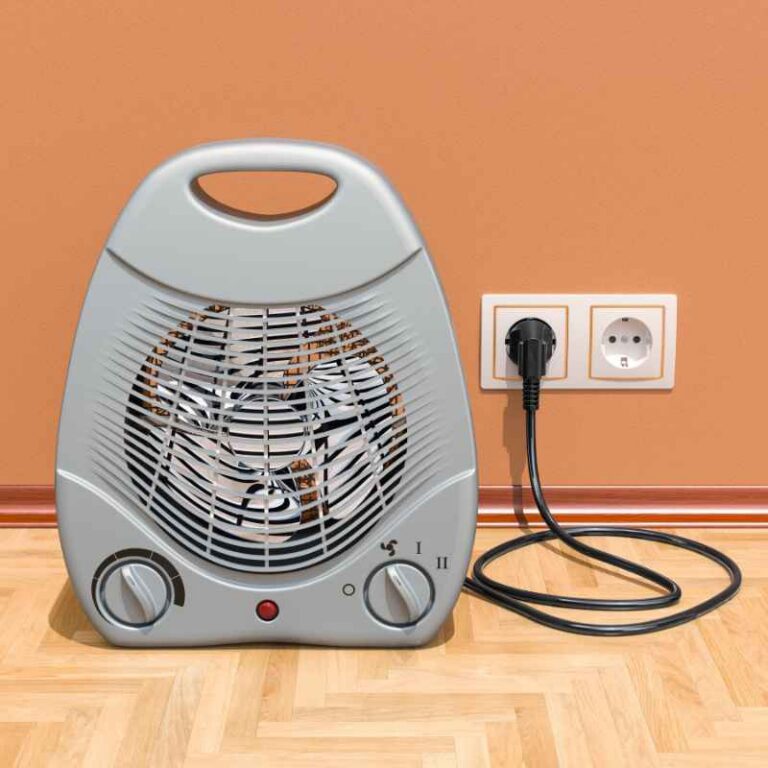
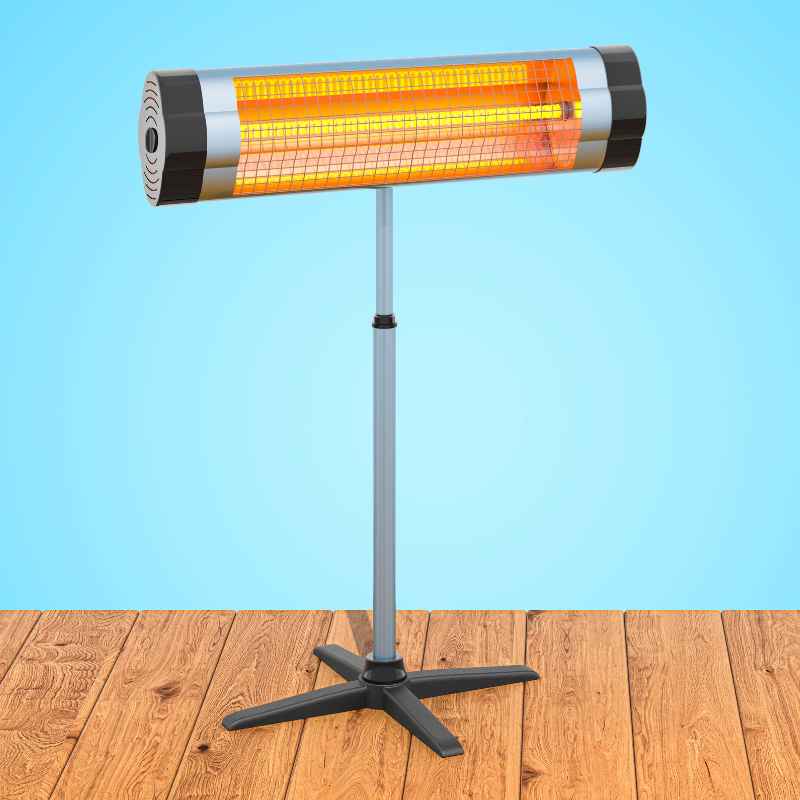
Infrared heaters work in a unique way. They don’t heat the air around them like a traditional convection heater does. Instead, they give off radiant heat.
Think of the sun warming your skin on a cool day. That’s similar to what infrared heat does. It sends out waves that travel through the air and warm up objects they hit.
This includes you, your furniture, and the walls in the room.
Because they heat objects directly, the air temperature in the room might feel cooler than the objects themselves. This is a key difference. Many people find this type of heat very comfortable.
It feels more direct and less stuffy than air heated by other methods. This is a big reason why people choose them.
What’s more, infrared heaters are quiet. They don’t have fans blowing air around. This means no circulating dust or allergens.
For people with allergies or asthma, this can be a real plus. It also contributes to a different feel in the room’s air quality compared to forced-air systems.
The Science of Heat and Humidity
Humidity is simply the amount of water vapor in the air. Warmer air can hold more moisture than cooler air. When you heat air, its capacity to hold water increases.
If there’s a fixed amount of moisture present, the relative humidity will drop as the temperature rises.
This is where the confusion with heaters often starts. Many people associate heating with drying out the air. This is true for some types of heaters.
For example, furnaces that heat air and blow it through ducts can sometimes lower indoor humidity. This happens because the heating process itself can dry the air, and any venting or leaks can let that drier air escape.
However, infrared heaters work differently. They are not heating the air and then circulating it. They are warming objects.
This means they don’t directly cause the air to dry out by removing moisture from it. The moisture content in the air remains largely unchanged by the heater itself. What might feel like drier air is often just the perception of warmth without the stuffiness of heated air.
Do Infrared Heaters Affect Indoor Humidity?
In short, infrared heaters themselves do not add moisture to the air. They also do not actively remove moisture from the air. Their primary function is to emit infrared radiation, which warms surfaces and people.
This direct warming process does not involve the physical removal or addition of water vapor to the air in the way that some other heating systems might.
So, if you’re using an infrared heater, you won’t find that the heater itself is making your air more humid or less humid. The moisture level in your home is determined by other factors. These include how well your home is sealed, how much ventilation you have, and sources of moisture like cooking, showering, and even breathing.
Think of it this way: an infrared heater is like a warm blanket. It makes you feel warm by direct contact. It doesn’t change the air around you.
Other heaters are more like a hairdryer, blowing hot air everywhere. That hot air can carry less relative humidity, making it feel dry.
The feeling of dryness some people report with any heating system is often about relative humidity. As temperatures rise, the air’s capacity to hold moisture increases. If the actual amount of moisture in the air stays the same, the relative humidity percentage goes down.
This can happen with any heat source if the total amount of water in the air doesn’t increase along with the temperature. But the infrared heater isn’t causing this change directly.
When Humidity Becomes a Concern in Homes
High indoor humidity can cause many problems. It can make your home feel sticky and uncomfortable. It can also create the perfect breeding ground for mold and mildew.
These tiny organisms can cause health issues, especially for people with allergies or asthma. They can also damage your home, leading to rot and peeling paint.
Low indoor humidity can also be an issue. It can lead to dry skin, chapped lips, and irritated sinuses. It can also cause wooden furniture and floors to crack.
Static electricity becomes more common when the air is dry. This can be annoying and even damage electronics.
The ideal indoor humidity level is typically between 30% and 50%. You can measure this with a simple device called a hygrometer. Many smart thermostats also have this feature built-in.
Understanding your home’s existing humidity levels is the first step. Before you even think about adding a heater, know what you’re working with. This helps you address the root cause if there’s a problem.
Common Sources of Indoor Moisture
Cooking: Boiling water for pasta or making soup adds steam.
Showering/Bathing: Hot showers release a lot of moisture.
Drying Clothes: Using a dryer without proper venting or air-drying indoors.
Breathing: Each person releases moisture.
Plants: Transpiration from indoor plants.
Leaks: Plumbing leaks or foundation issues.
New Construction: Materials like concrete and drywall release moisture as they dry.
My Own Experience with Heating and Humidity
I remember one winter, I was trying to make my old workshop more comfortable. It was a separate building, not well insulated. I had tried a few different plug-in electric heaters.
One was a ceramic one that blew hot air. It worked okay, but it made the air feel very dry. My throat felt scratchy, and I noticed a lot more dust floating around.
It was quite annoying.
Then, I switched to an infrared panel heater for that space. I was skeptical at first. It was so quiet, and I didn’t feel air moving.
But within about 20 minutes, the workbench and the tools on it felt warm. When I sat down, I felt the warmth directly. What stood out most was that the air didn’t feel dry anymore.
My throat didn’t hurt, and there wasn’t that dusty feeling in the air. It felt much more natural.
I measured the humidity in the workshop with a hygrometer before and after. The infrared heater didn’t change the humidity reading at all. The dry feeling I had before was likely because the old heater was just blowing heated air around, which was inherently less humid.
The infrared heat felt different because it wasn’t messing with the air moisture. This experience really solidified for me how different these heating types are.
When to Consider a Dehumidifier (and What Causes It)
You might need a dehumidifier for reasons unrelated to your infrared heater. The most common cause of high humidity is inadequate ventilation. If your home doesn’t have good airflow, moisture from daily activities builds up.
This is especially true in bathrooms, kitchens, and basements.
Poor insulation can also play a role. In well-insulated homes, air is less likely to escape. This traps moisture inside.
If your home has air leaks, especially around windows and doors, humid air can enter from outside. This is more of an issue in humid climates.
Basements and crawl spaces are often culprits for high humidity. They are underground and can be damp. Without proper sealing or dehumidification, they can be a constant source of moisture for your entire home.
Contrast Matrix: Infrared Heating vs. Convection Heating
Infrared Heating
Warms: Objects and people directly.
Air Affect: Does not significantly heat or dry the air.
Comfort: Feels direct, less stuffy.
Noise: Very quiet, no fans.
Allergens: Does not circulate dust or allergens.
Convection Heating
Warms: Air first, then objects.
Air Affect: Heats and can dry out the air.
Comfort: Can feel less direct, potentially stuffy.
Noise: Often uses fans, can be noisy.
Allergens: Can circulate dust and allergens.
Understanding Relative vs. Absolute Humidity
It’s helpful to understand the difference between relative humidity and absolute humidity. Absolute humidity is the actual amount of water vapor in the air, usually measured in grams per cubic meter. This number doesn’t change just because the temperature goes up or down.
Relative humidity (RH) is a percentage. It tells you how much moisture is in the air compared to the maximum amount the air could hold at that specific temperature. So, if the air is holding 5 grams of water per cubic meter, and at 70°F it can hold a maximum of 10 grams, your RH is 50%.
Now, if the temperature rises to 80°F, the air at the same 5 grams per cubic meter now has more capacity to hold moisture, perhaps up to 12 grams. Since it’s only holding 5 grams, the RH drops to about 42% (5/12 * 100). This is why heating air can make it feel drier, even if the actual amount of water in the air hasn’t changed.
Infrared heaters warm objects directly. They don’t heat the air mass itself to a high degree before radiating. This means the temperature rise caused by the infrared heater is more localized to the object being heated.
The overall air temperature doesn’t climb dramatically everywhere, so the effect on relative humidity is minimal compared to a forced-air system that heats the entire room’s air volume.
If you notice your home feels dry in the winter, it’s likely due to the cold outdoor air (which holds little moisture) being brought inside and heated. This is a common scenario in many U.S. climates during colder months.
It’s not typically the fault of the infrared heater itself.
Signs Your Home Might Be Too Humid
What are the signs that your home’s humidity is too high? You might notice a few things. One is a persistent musty or damp odor.
This is often caused by mold or mildew growth. You might also see visible mold or mildew on walls, ceilings, or around windows.
Condensation on windows and walls is another big clue. If you see beads of water forming, especially on cold surfaces, your indoor air is likely too moist. You might also notice peeling wallpaper or paint that is blistering.
Feeling sticky or clammy, even when the temperature isn’t excessively high, is a sign of high humidity. Your body cools itself through evaporation of sweat. If the air is already saturated with moisture, sweat doesn’t evaporate effectively, making you feel hotter and stickier.
Here are some common humidity indicators:
- Musty odors, especially in closets or bathrooms.
- Visible mold or mildew growth.
- Condensation on windows, mirrors, or pipes.
- Peeling paint or wallpaper.
- Wood warping or swelling.
- Increased dust mites or pest activity.
- A generally uncomfortable, clammy feeling indoors.
Signs Your Home Might Be Too Dry
On the flip side, if you’re experiencing low humidity, you’ll notice different issues. Dry skin, itchy eyes, and sore throats are common complaints. Your lips might feel chapped.
This is because the moisture is being pulled from your body into the drier air.
Static electricity can become a real nuisance. You might get a shock when you touch doorknobs or pets. It can also make your hair flyaway.
Wooden items in your home can suffer too. Furniture, wood floors, and even musical instruments can dry out and develop cracks. Plants may start to wilt faster.
Quick checks for dry air include:
- Frequent static shocks.
- Dry, itchy skin and nasal passages.
- Cracking wood furniture or floors.
- Worsening of respiratory symptoms like asthma or bronchitis.
- Chipped paint on window sills.
- Flowers or plants wilting quickly.
Quick-Scan Table: Humidity Levels and Their Impact
| Humidity Level | Common Symptoms / Issues |
|---|---|
| Very Low (Below 20%) | Extreme dry skin, chapped lips, static shocks, cracking wood, worsened allergies. |
| Low (20-30%) | Dry nasal passages, itchy skin, occasional static, potential for wood to dry out. |
| Ideal (30-50%) | Comfortable breathing, minimal static, wood stable, good for health. |
| High (50-60%) | Slightly sticky feeling, potential for mold growth in damp areas, condensation possible. |
| Very High (Above 60%) | Persistent musty odors, visible mold, significant condensation, feeling uncomfortably damp. |
When Infrared Heaters Might Seem to Affect Humidity
Even though infrared heaters don’t directly change humidity, there are scenarios where their use might be associated with changes in how the air feels regarding moisture. It’s mostly about perception and the context of the home.
Consider a very cold, dry winter day. The outdoor air is naturally low in moisture. When you turn on an infrared heater in a room, you feel warmth immediately.
If the room was previously cold, and the air was already dry, you might still perceive it as dry. However, you’re feeling warm, which is a pleasant change.
If you’ve
Another factor is personal comfort. When you are warm and comfortable, your body’s perception of air quality can change. You might be more sensitive to subtle dryness or stuffiness when you’re trying to relax.
Let’s look at a common misconception: some people think radiant heat dries out the air because it warms surfaces. When a surface warms up, it can absorb a tiny bit more moisture from the air if that moisture is right next to it. But this effect is negligible on the overall room humidity.
The key takeaway is that if you have a humidity problem, the infrared heater isn’t the cause. It’s something else in your home’s environment.
The Role of Insulation and Ventilation
This is where the real issues with humidity lie. Your home’s ability to hold heat and its ability to exchange air are crucial. Good insulation prevents warm air from escaping and cold air from entering.
This helps maintain a stable indoor temperature.
However, if a home is too well-sealed without enough ventilation, moisture can get trapped. Daily activities like cooking, showering, and even breathing all add water vapor to the air. In a tightly sealed home, this moisture has nowhere to go.
This can lead to high humidity levels.
Conversely, a home with poor insulation and many air leaks can be drafty. While this might seem like good ventilation, it often means that moist air from outside can enter, or warm, moist indoor air can escape, being replaced by colder, drier outdoor air. When this cold outdoor air is then heated, its relative humidity drops significantly, making the indoor environment feel dry.
U.S. building codes have evolved to promote energy efficiency. Modern homes are often built to be very airtight.
This is great for energy savings but makes proper ventilation systems essential. Without them, humidity can become a serious issue.
Observational Flow: Humidity Management in a Home
Step 1: Assess Your Home.
Check for obvious signs of high or low humidity (condensation, dry skin).
Step 2: Measure Humidity.
Use a hygrometer to get accurate readings (aim for 30-50% RH).
Step 3: Identify Sources.
Are you cooking a lot? Showering without ventilation? Is there a basement leak?
Step 4: Consider Ventilation.
Ensure bathroom and kitchen fans work. Consider whole-house ventilation if needed.
Step 5: Address Insulation/Leaks.
Seal gaps around windows and doors. Improve insulation if necessary.
Step 6: Use Dehumidifier/Humidifier.
Only if steps 1-5 don’t resolve the issue. A humidifier adds moisture; a dehumidifier removes it.
Quick Fixes and Tips for Managing Humidity
If you find your home has humidity problems, there are several things you can do. These aren’t directly related to your infrared heater, but they help create a comfortable living environment.
Improve Ventilation: Always use exhaust fans in bathrooms when showering and in the kitchen when cooking. Make sure these fans vent to the outside, not just into the attic. Open windows for short periods on dry days to air out the house.
Fix Leaks: Inspect plumbing, roofs, and foundations for any signs of leaks. Even small drips can contribute to moisture problems over time.
Vent Appliances Properly: Ensure your clothes dryer is vented outside. If you air-dry clothes indoors, do so in a well-ventilated area or use a dehumidifier.
Use a Dehumidifier: If indoor humidity consistently stays above 50%, a dehumidifier is a good solution. Place it in the most humid areas, like basements or bathrooms. Empty the water tank regularly or set up continuous drainage.
Use a Humidifier: If your home is too dry (below 30% RH), especially in winter, a humidifier can add moisture back into the air. Portable humidifiers are good for single rooms, while whole-house humidifiers can be attached to your HVAC system.
Monitor Humidity: Keep a hygrometer handy and check readings regularly. This helps you understand your home’s conditions and take action before problems get serious.
Frequently Asked Questions About Infrared Heaters and Humidity
Do infrared heaters add moisture to the air?
No, infrared heaters do not add moisture to the air. They work by emitting radiant heat that warms objects directly, not by heating and circulating air which could affect moisture levels.
Can infrared heaters make my home feel drier?
Infrared heaters themselves do not directly dry out the air. If your home feels dry, it’s likely due to other factors like cold outdoor air being heated, or inadequate ventilation, not the infrared heater’s operation.
When is it necessary to use a dehumidifier with an infrared heater?
You would need a dehumidifier if your home has high humidity levels (above 50%), regardless of the type of heater you use. The need for a dehumidifier is determined by your home’s conditions, not the heater type.
What is the ideal humidity level for a home?
The ideal indoor humidity level is generally between 30% and 50% for comfort and health. Levels above 60% can encourage mold growth, while levels below 30% can lead to dry skin and static electricity.
How can I tell if my home has high humidity?
Signs of high humidity include a musty odor, visible mold or mildew, condensation on windows or walls, and a generally sticky or clammy feeling indoors.
Does ventilation play a role in humidity?
Yes, ventilation is crucial. Proper airflow helps remove excess moisture generated by daily activities. Without adequate ventilation, humidity can build up inside the home.
Are infrared heaters safe for people with allergies?
Yes, infrared heaters are often recommended for people with allergies because they don’t use fans to circulate air, meaning they don’t blow dust, pollen, or other allergens around the room.
Final Thoughts on Heating and Air Quality
It’s clear that infrared heaters are a unique and effective way to generate warmth. They focus on heating objects and people directly, offering a comfortable experience without the common issues of drying out the air. This means you don’t need to worry about your infrared heater causing humidity problems.
If you’re dealing with too much or too little moisture in your home, the cause is likely related to your home’s construction, insulation, ventilation, or the daily activities within it. Understanding these factors will help you achieve a truly comfortable and healthy indoor environment, no matter what type of heating you use.
Sponsored / affiliate links. As an Amazon Associate I earn from qualifying purchases. I may earn additional commission from eligible campaigns.