Pellet Stove Insert vs Freestanding: Which Is More Efficient?
Choosing between a pellet stove insert and a freestanding pellet stove can feel a bit tricky, especially if you’re new to home heating options. You want to make sure you get the most warmth for your money and energy. Many people wonder, Pellet Stove Insert vs Freestanding: Which Is More Efficient? It’s a common question that pops up when people start looking for a new heating solution.
Don’t worry, we’ll break it down simply. We’ll look at how each type works and what makes them different so you can pick the best one for your home.
Understanding Pellet Stove Inserts
Pellet stove inserts are designed to fit directly into an existing fi
How Pellet Stove Inserts Work
A pellet stove insert is essentially a self-contained heating unit that burns wood pellets. These pellets are made from compressed sawdust and other organic materials, making them a renewable fuel source. The stove has an internal hopper that stores the pellets, and an auger system that automatically feeds them into the burn pot as needed.
An electric fan blows air into the burn pot to help the pellets combust, and another fan circulates the warm air into your room. The exhaust gases are vented up through your existing chimney. The burn process is controlled by a thermostat or control panel, allowing you to set the desired temperature for your room.
The efficiency of a pellet stove insert comes from its ability to burn fuel cleanly and control the burn rate. Unlike a traditional wood-burning fireplace, which can lose a significant amount of heat up the chimney, a pellet insert is designed to maximize heat output into the room. This is achieved through careful engineering of the burn pot, heat exchangers, and blower systems.
The controlled feeding of pellets ensures a consistent burn, preventing wasted fuel and producing less smoke and ash.
Benefits of Using a Pellet Stove Insert
One of the biggest advantages of a pellet stove insert is its ability to improve the energy efficiency of your home significantly. Traditional fireplaces are notoriously inefficient, often drawing warm air from the room and sending it up the chimney. An insert, on the other hand, is designed to put most of its heat directly into your living space.
Improved Home Heating Efficiency
Pellet stove inserts can be much more efficient than traditional wood-burning fireplaces. They are engineered to burn fuel more completely and to transfer more heat into the room. This means you get more warmth for the amount of fuel you use, leading to lower heating bills.
Many inserts boast efficiencies of 70% to 85% or even higher, compared to open fireplaces which can be as low as 10% to 15% efficient.
Convenience and Ease of Use
The automatic feeding system makes pellet stoves incredibly convenient. You can load a hopper with pellets and let the stove do the rest for days, depending on the hopper size and how often it’s used. Starting and stopping the stove is as simple as pressing a button, and you can often set a thermostat to maintain a consistent room temperature, much like a central heating system.
Clean Burning and Reduced Emissions
Wood pellets are a cleaner burning fuel than cordwood. They produce fewer emissions and less creosote buildup in the chimney, which can reduce the risk of chimney fires. This also means less cleaning and maintenance for your chimney and the stove itself.
The controlled combustion process leads to a more complete burn, reducing particulate matter released into the atmosphere.
Aesthetic Appeal
Inserts can update the look of an existing fi
Potential Drawbacks of Pellet Stove Inserts
While pellet stove are a few things to consider. One is the reliance on electricity. Because they use electric igniters, fans, and augers, they will not operate during a power outage unless you have a backup generator.
This is a significant consideration in areas prone to frequent power interruptions.
Another factor is the need for a proper existing chimney. While they use the chimney, it must be in good condition and appropriately sized for the insert’s venting requirements. If your chimney is in disrepair, it will need to be professionally inspected and potentially lined or repaired before an insert can be safely installed, adding to the overall cost.
The cost of pellet fuel can also fluctuate. While generally more stable than natural gas or propane prices, pellet prices can vary based on supply and demand, location, and the time of year. You’ll also need storage space for your pellets, which come in bags and can take up room.
Exploring Freestanding Pellet Stoves
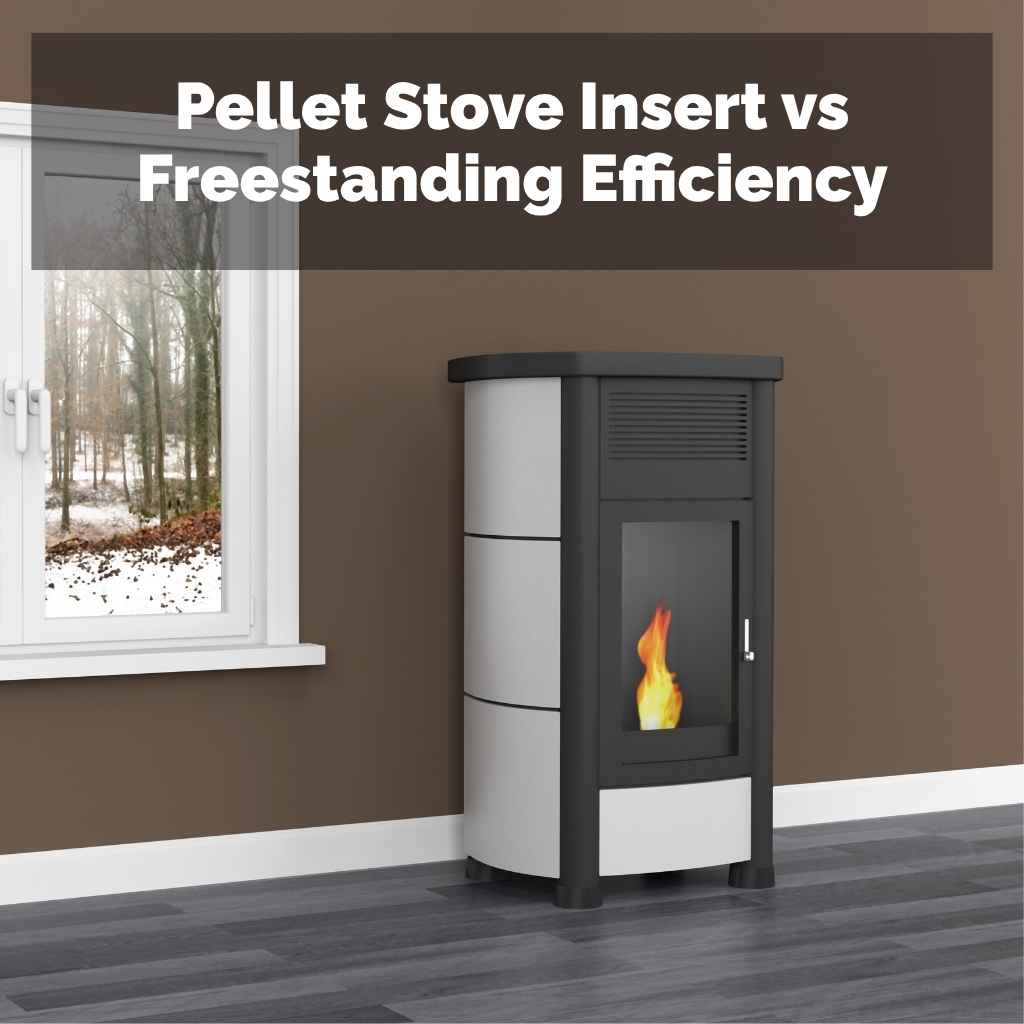
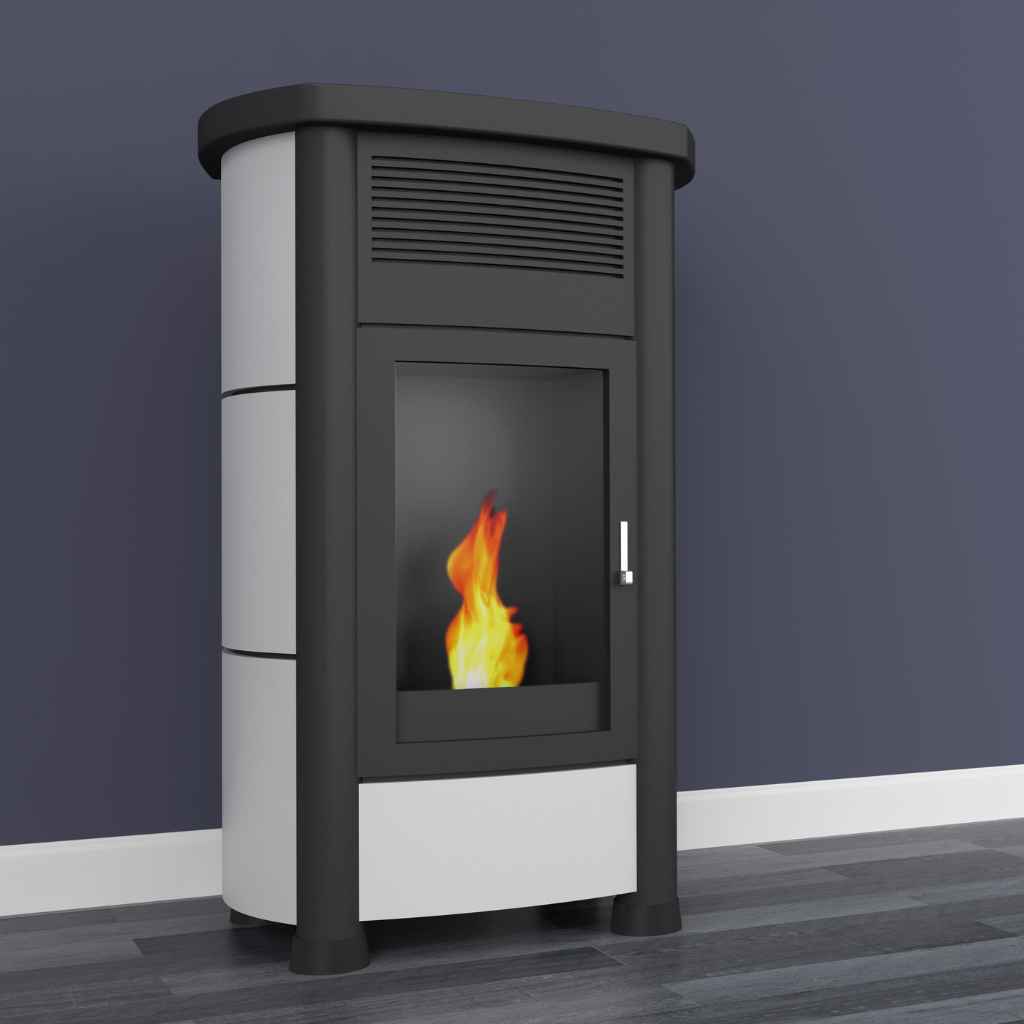
Freestanding pellet stoves are self-contained heating units that can be placed anywhere in a room, typically against a wall. They do not require an existing fi
These stoves are designed to be a primary or supplementary heat source, providing efficient warmth and a cozy ambiance. They come in a wide range of sizes, styles, and finishes, from compact models that fit into smaller spaces to larger units capable of heating substantial areas. Their freestanding nature means they are often considered a more prominent design element in a room, similar to a piece of furniture.
How Freestanding Pellet Stoves Work
Similar to their insert counterparts, freestanding pellet stoves operate by burning wood pellets. They have a built-in hopper that stores pellets, and an auger system automatically feeds them into the combustion chamber. An electric igniter starts the fire, and a combustion blower pushes exhaust gases out through the vent system.
A convection blower then circulates warm air back into the room. The entire operation is controlled by a thermostat or digital panel, allowing for easy temperature management and automated operation.
The key difference in their operation compared to the stove can be placed, as it doesn’t depend on an existing chimney structure. The controlled burning process and efficient heat distribution are common to both types, ensuring optimal performance.
Advantages of Freestanding Pellet Stoves
Freestanding pellet stoves offer a high degree of flexibility in installation. Since they don’t rely on an existing fireplace, you can place them in almost any room that has access to an exterior wall or roof for venting. This opens up possibilities for heating basements, garages, or even single rooms in larger homes where extending central heating might be difficult or expensive.
Placement Flexibility
This type of stove can be located anywhere with an exterior wall or roof for venting. This is a major advantage if your home doesn’t have a fireplace, or if you want to add a heat source in a specific area like a workshop or sunroom. You are not limited by the existing structure of your home, making it easier to integrate a new heating system where it’s most needed.
Complete Heating Solution
Many freestanding models are designed to heat large areas or even an entire home, depending on the BTU output and the home’s insulation. They can serve as a primary heating source, reducing reliance on more expensive fossil fuels or electricity. The consistent heat output and ease of control make them an attractive option for whole-home heating.
Modern Aesthetics
Freestanding stoves are available in a wide array of designs, from traditional to contemporary. This allows them to serve as a focal point in a room, adding both warmth and style. You can choose a stove that matches your decor and enhances the overall ambiance of your living space.
Simplified Venting (in some cases)
While they require a new vent system, the installation of a direct vent system through a wall can sometimes be simpler and less expensive than relining an old, damaged chimney for an insert, especially if the existing chimney is in poor condition or not suitable for insert use.
Challenges with Freestanding Pellet Stoves
One of the main challenges with freestanding pellet stoves is the requirement for a specialized venting system. This system, often referred to as pellet vent pipe, is a specific type of double-wall chimney designed for pellet stoves. It needs to be installed correctly and extend to the outside of your home through a wall or roof, which can involve cutting into the building structure.
This professional installation adds to the initial cost and complexity of setting up the stove.
Additionally, the space required for a freestanding stove and its venting needs to be carefully considered. The stove itself needs clearance from combustible materials for safety, and the vent pipe also has specific clearance requirements. This means you can’t just place the stove anywhere; the installation location must accommodate both the unit and its exhaust system safely and efficiently.
The initial investment for the stove and its venting system can also be higher compared to some insert installations, especially if the existing chimney structure is sound.
Efficiency Comparison Pellet Stove Insert vs Freestanding
When we talk about efficiency for Pellet Stove Insert vs Freestanding: Which Is More Efficient?, the numbers are often quite close, and both types offer significant improvements over traditional heating methods like open fireplaces. The main difference in efficiency often comes down to the specific model, installation quality, and how well it’s maintained, rather than a fundamental difference between inserts and freestanding units.
Generally, modern pellet stoves, whether inserted or freestanding, are designed with high-efficiency burn technology. They aim to convert a large percentage of the fuel’s energy into usable heat. This is typically achieved through advanced combustion controls, efficient heat exchangers, and optimized airflow.
The fuel itself, wood pellets, burns cleanly and consistently, which contributes to their high efficiency ratings.
Factors Affecting Efficiency
Several factors influence how efficient a pellet stove truly is in your home. The most critical is the quality of the pellets you use. Low-quality pellets may contain more ash or inconsistent sizing, leading to poorer combustion and lower heat output.
High-quality, dense pellets burn more completely, producing more heat and less ash.
Regular maintenance is also key. A buildup of ash in the burn pot or heat exchangers can restrict airflow and reduce efficiency. Cleaning the stove regularly, including vacuuming out ash and cleaning the glass, ensures optimal performance.
The venting system also plays a role; a clean, unobstructed vent pipe allows exhaust gases to escape freely, which is essential for proper combustion and efficiency.
The way you operate the stove matters too. Using the thermostat to maintain a consistent temperature is more efficient than constantly turning the stove up and down. Over-firing the stove, or running it at maximum output continuously when not needed, can lead to wasted fuel and reduced efficiency.
Finding the sweet spot for your home and lifestyle is important.
Efficiency Ratings and What They Mean
Pellet stoves are rated by their efficiency, often expressed as a percentage. This rating indicates how much of the energy contained in the wood pellets is converted into heat for your home. Most modern pellet stoves, both inserts and freestanding models, fall within a similar efficiency range.
For instance, a typical pellet stove insert might have an efficiency rating of 75% to 85%. This means that 75% to 85% of the energy from the pellets is used to heat your living space, with the remainder lost as heat in the exhaust gases or through minor inefficiencies in the unit. Freestanding pellet stoves often have very similar efficiency ratings, usually in the same 75% to 85% range.
Some high-end models can even exceed 85% efficiency.
It’s important to note that these are laboratory ratings. Real-world efficiency can be slightly lower depending on installation, fuel quality, and usage. However, even with these variations, pellet stoves are significantly more efficient than traditional fireplaces.
The key takeaway is that both types of pellet stoves are highly efficient heating appliances.
Here’s a simple comparison of general efficiency ranges:
| Heating Appliance | Typical Efficiency Range |
|---|---|
| Open Wood Fireplace | 10% – 15% |
| Pellet Stove Insert | 75% – 85% |
| Freestanding Pellet Stove | 75% – 85% |
| High-Efficiency Gas Furnace | 90% – 98% |
Pellet Stove Insert vs Freestanding Which Is More Efficient For You
The decision between a pellet stove insert and a freestanding model often comes down to your home’s existing setup and your heating needs, rather than a significant difference in their core efficiency. If you already have a fi
On the other hand, if you don’t have a fi
Consider these scenarios:
Scenario 1: You have a beautiful but very drafty and inefficient masonry fireplace in your living room. You want more heat and less smoke.
Your best option is a pellet stove insert. It will fit into the existing opening, use your current chimney for venting, and transform that underutilized fi
Scenario 2: You have a finished basement that gets cold in the winter, and you’d like to add a reliable heat source. Your basement doesn’t have a fireplace.
A freestanding pellet stove is ideal here. You can place it against an exterior wall, run the required venting pipe through the wall and outside, and have a powerful heating unit for the basement. This allows you to use your basement more comfortably year-round.
In essence, the choice is less about which is inherently more efficient and more about which type best suits your home’s structure and your specific heating goals. Both are designed for high efficiency and clean burning.
Installation and Venting Considerations
Proper installation and venting are crucial for the safe and efficient operation of any pellet stove, whether it’s an insert or a freestanding unit. Mistakes in these areas can lead to performance issues, safety hazards, and reduced heating effectiveness. It’s always recommended to have pellet stoves installed by a qualified professional to ensure all codes are met and the system operates as intended.
For pellet stove inserts, the existing fireplace chimney is used. This chimney must be inspected by a certified chimney sweep to ensure it is sound, free of obstructions, and properly sized for the insert. Often, a stainless steel liner is installed inside the existing chimney flue to create a sealed system for the exhaust gases.
This liner connects the insert to the top of the chimney and is critical for safety and efficient venting.
Freestanding pellet stoves require a different venting approach. They use a specialized type of pipe known as pellet vent, which is a double-wall insulated pipe. This vent system typically runs through an exterior wall or roof and terminates outside.
The installation must follow specific clearances from combustible materials and meet local building codes. The length and configuration of the vent pipe can also impact the stove’s performance, so it’s designed to meet the manufacturer’s specifications.
Installation Requirements for Inserts
Installing a pellet stove insert involves several key steps to ensure safety and performance. First, the existing fireplace and chimney must be thoroughly inspected. A certified chimney sweep will check for cracks, blockages, or other damage in the masonry or liner.
If the chimney is not up to standard, it will need repair or relining.
If the chimney is deemed suitable, the next step is typically installing a stainless steel liner that runs from the top of the chimney down to the fireplace. This liner is sized to match the exhaust port of the pellet stove insert. It provides a smooth, sealed pathway for the exhaust gases, preventing them from leaking into the house or chimney structure, which is crucial for safety and efficiency.
Once the liner is in place, the pellet stove insert is carefully positioned within the fireplace opening. A decorative faceplate or surround is then attached to cover any gaps between the stove and the fireplace opening, giving it a finished look. The stove’s electrical cord is plugged into a dedicated outlet, and the thermostat is set up.
Finally, the system is tested to ensure it ignites properly, vents gases safely, and heats the room effectively.
Common Installation Issues for Inserts
One common issue is an improperly sized or damaged chimney. If the chimney is too large, it can lead to poor draft and inefficient burning. If it’s too small, it can cause backdrafting and safety hazards.
Another problem can be a blockage in the chimney, such as creosote buildup or animal nests, which can prevent proper venting.
Improper installation of the liner is also a concern. If the liner is not correctly sealed or secured, exhaust gases can leak into the house, posing a risk of carbon monoxide poisoning. The faceplate must also be properly installed to prevent air leaks and ensure a clean aesthetic.
Lastly, not having a dedicated electrical circuit for the stove can lead to problems with the stove’s electronics or the home’s electrical system.
Venting Requirements for Freestanding Stoves
Freestanding pellet stoves require a dedicated venting system that is distinct from a traditional chimney. This system, often called a Type L vent or pellet vent, is a double-wall insulated pipe designed to handle the exhaust from pellet combustion. It’s crucial to use the correct type of vent pipe recommended by the stove manufacturer, as standard chimney pipes are not suitable and can pose safety risks.
The vent pipe needs to be installed with specific clearances from combustible materials, usually around 1 inch, though this can vary by manufacturer. It needs to terminate outside the building, either through a wall or the roof, at a height that meets local building codes and manufacturer specifications. This ensures that exhaust gases are safely dispersed away from the home.
Wall penetrations require a wall thimble, and roof penetrations require a roof flashing designed for pellet vents.
The overall length and number of bends in the vent system are also important. Too long a vent run or too many elbows can create resistance to airflow, leading to poor draft and reduced stove performance. Manufacturers provide guidelines for maximum vent length and the number of allowable bends to ensure optimal operation.
Professional installation is highly recommended to ensure all these requirements are met.
Potential Venting Problems for Freestanding Stoves
One common venting problem is inadequate clearance from combustible materials. If the vent pipe is too close to wood framing, insulation, or other flammable items, it can create a fire hazard. Another issue is improper termination of the vent, such as being too close to windows, doors, or air intakes, which could allow exhaust gases to re-enter the house or cause discomfort to neighbors.
Blockages in the vent pipe, such as snow, ice, or debris, can also occur, especially with roof terminations. This can cause the stove to malfunction or shut down. Additionally, using the wrong type of vent pipe, or an improperly assembled system, can lead to leaks or poor draft.
The length and configuration of the vent run need to be carefully planned to avoid creating too much back pressure, which can hinder the stove’s ability to vent exhaust gases effectively.
Maintenance and Fuel for Optimal Efficiency
To get the most out of your pellet stove, whether it’s an insert or freestanding, regular maintenance and the use of quality fuel are essential. These factors directly impact the stove’s efficiency, longevity, and the safety of your home. Neglecting maintenance can lead to decreased performance, increased fuel consumption, and potential breakdowns.
Wood pellets are a renewable and relatively clean-burning fuel. However, the quality can vary significantly between brands and types. Using high-quality pellets ensures a more consistent burn, produces less ash, and leads to better heat output.
Low-quality pellets can contain a lot of fine dust, moisture, or impurities, all of which can negatively affect the stove’s operation and efficiency.
Regular cleaning of the stove, including the burn pot, ash pan, and heat exchangers, is also critical. Ash buildup can obstruct airflow, leading to incomplete combustion and reduced heat transfer. Following the manufacturer’s recommended cleaning schedule will keep your stove running at its best.
Choosing the Right Wood Pellets
The type and quality of wood pellets you use significantly affect your pellet stove’s performance and efficiency. Pellets are typically made from compressed sawdust, wood shavings, and other biomass materials. They are categorized by the type of wood they are made from and their ash content.
Hardwood pellets, such as oak, maple, or cherry, generally burn hotter and longer than softwood pellets (like pine or fir). However, hardwood pellets can also produce more ash. Softwood pellets tend to burn faster and may be preferred for shorter burn times or where ash production is a major concern.
Many manufacturers blend hardwoods and softwoods to achieve a balance of heat output and low ash.
When selecting pellets, look for those with a low ash content (ideally less than 1%) and high density. Low ash means less cleaning and fewer deposits in the burn pot and heat exchangers. High density indicates that the pellets are well-compressed, which leads to a more consistent burn and higher BTU (British Thermal Unit) output.
Avoid pellets that are dusty or have a high moisture content, as these will burn poorly and can cause operational problems.
Here are some important factors to consider when buying pellets:
Ash Content
Look for pellets with the lowest ash content possible, generally under 1%. Higher ash content leads to more frequent cleaning and can clog the burn pot, reducing efficiency.
BTU Output
This measures the heat energy the pellets contain. Higher BTU output means more heat for your money. Reputable brands will often state their BTU output or indicate the density of their pellets, which is a good proxy for BTU.
Moisture Content
Pellets should have a low moisture content, typically below 10%. High moisture means the stove has to use energy to evaporate water before it can produce heat, reducing efficiency.
Origin and Certification
Consider pellets from trusted manufacturers. Some organizations, like the Wood Heating Alliance (WHA) or the European Pellet Council (EPC), offer certification programs that ensure quality standards are met. These certifications can provide an extra layer of confidence in the product.
Price and Availability
While quality is paramount, price and availability in your area are also practical considerations. Buying in bulk, often by the ton, can be more cost-effective than purchasing individual bags. Ensure you have a reliable source for your chosen pellets throughout the heating season.
Regular Maintenance Schedule
A consistent maintenance schedule is vital for keeping your pellet stove running efficiently and safely. The frequency of some tasks depends on how often you use the stove. Here’s a general guideline:
Daily/Weekly (During Heating Season)
Empty the ash pan if needed. While modern stoves are designed to minimize ash, some accumulation is normal. Also, wipe down the stove’s exterior and glass to keep it looking its best.
Check the hopper to ensure it’s not empty and that pellets are flowing freely.
Monthly (During Heating Season)
Clean the burn pot thoroughly. This involves removing any ash, clinkers, or debris that has accumulated. Use a brush or vacuum to ensure the holes in the burn pot are clear, allowing for proper airflow.
Inspect the gaskets around the door and glass for any signs of wear or damage. Check the exhaust vent for any obvious obstructions from the outside.
Annually (Before or After Heating Season)
Perform a deep cleaning. This includes cleaning the heat exchangers, fan blades, and exhaust blower. The chimney or vent pipe should also be professionally cleaned and inspected.
Check all electrical connections and components for wear or damage. If you’re not comfortable performing these tasks, hire a qualified technician. Annual professional servicing ensures the stove is in top condition for the upcoming heating season.
By following a regular maintenance schedule, you can prevent many common problems, extend the life of your stove, and ensure it operates at peak efficiency. This proactive approach saves you money in the long run by reducing the need for costly repairs and by making your fuel go further.
Frequently Asked Questions
Question: Do pellet stove inserts use less electricity than freestanding stoves?
Answer: Generally, both pellet stove inserts and freestanding pellet stoves use a similar amount of electricity. They both rely on electric igniters, augers to feed pellets, and fans to circulate air for combustion and heating. The power consumption will depend more on the specific model and its features rather than whether it’s an insert or freestanding unit.
Question: Can a pellet stove insert be installed in any fireplace?
Answer: Not every fireplace is suitable for a pellet stove insert. The fireplace and its chimney must be in good condition and meet specific size and venting requirements. A professional inspection is always necessary before installation.
Question: Do freestanding pellet stoves need a special chimney?
Answer: Yes, freestanding pellet stoves require a specific type of venting system, often called pellet vent or Type L vent. This is a double-wall insulated pipe designed for pellet stoves and must be installed according to manufacturer and code requirements.
Question: Which type of pellet stove is easier to install?
Answer: If you already have a functional fireplace and chimney, installing a pellet stove insert is often easier and less invasive than installing a freestanding stove, which requires a new vent system through a wall or roof.
Question: Does the type of fuel affect the efficiency of an insert versus a freestanding stove?
Answer: The quality of the fuel (wood pellets) affects the efficiency of both types of stoves equally. Using high-quality pellets with low ash content and proper density will ensure optimal performance and efficiency for any pellet stove.
Final Thoughts
Choosing between a pellet stove insert and a freestanding unit hinges on your home’s structure and heating goals. Both offer high efficiency, clean burning, and convenience. Inserts utilize existing fireplaces, while freestanding stoves provide flexible placement.
Focus on quality fuel and regular maintenance for peak performance in either case.
Sponsored / affiliate links. As an Amazon Associate I earn from qualifying purchases. I may earn additional commission from eligible campaigns.