Do Reptiles Need Both Lights And Heaters In Terrariums?
It is essential to provide both appropriate lighting and heating for most reptile species in terrariums. These elements mimic natural environments and fulfill crucial biological needs for thermoregulation, vitamin D3 synthesis, and overall well-being. The specific type and intensity of light and heat vary greatly by species.
Understanding Reptile Lighting and Heating Needs
Reptiles are cold-blooded animals. This means they can’t make their own body heat. They rely on their surroundings to stay warm. This is called thermoregulation. They move between warmer and cooler spots to keep their body temperature just right. This is super important for them to digest food, move around, and even fight off sickness.
Lights do more than just make your terrarium look pretty. Some lights, called UVB lights, are very special. They help reptiles make vitamin D3. This vitamin is key for them to absorb calcium. Without enough calcium, their bones can get weak. This is a big problem. Other lights, like full-spectrum lights, mimic the sun. They help with their day and night cycles. This keeps them feeling natural.
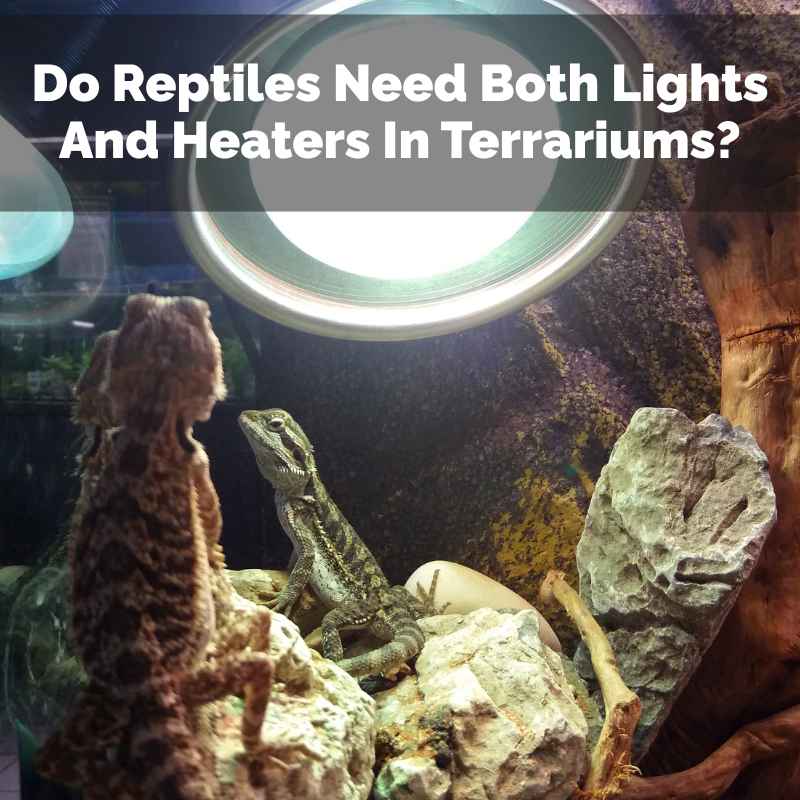
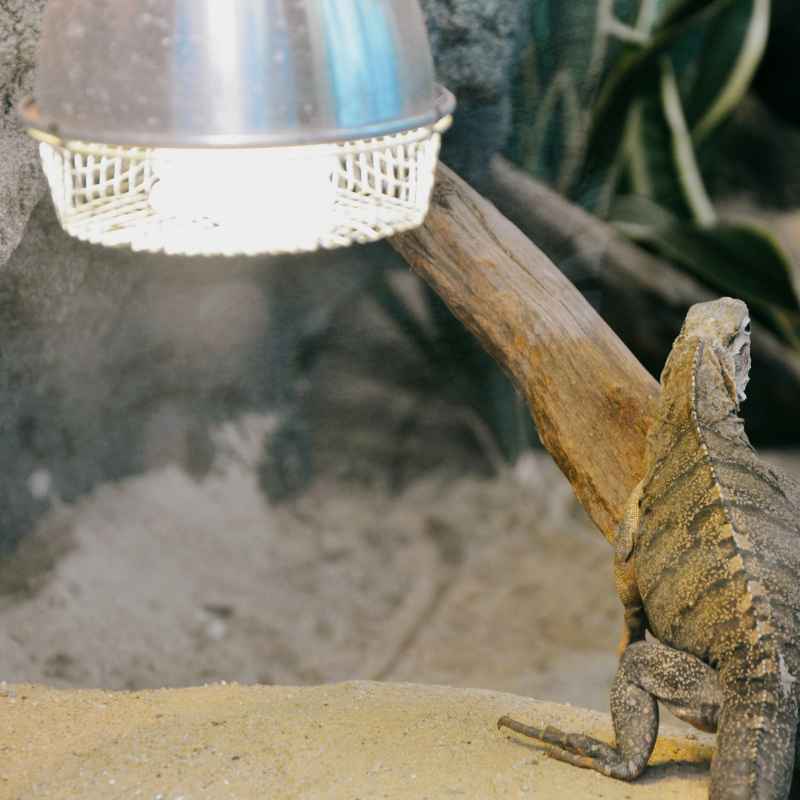
Heaters, on the other hand, are for direct warmth. They create hot spots. These hot spots let your reptile bask. Think of a lizard sitting on a warm rock in the wild. That’s what a heater helps create. You need to be able to create a range of temperatures in the terrarium. This lets your pet choose its own comfort level.
Why Both Are Often Necessary
Most reptiles come from places with sunshine and warmth. Their natural homes have both bright days and warm ground or air. When we bring them into our homes, we need to copy that. A light can give off heat, but it might not be the right kind of heat. And a heater might warm the air, but it won’t give them the UVB rays they need.
Think about it this way: If you only had a warm blanket but no sun, you wouldn’t be able to make vitamin D. Your bones would suffer. It’s similar for reptiles. They need the light for certain body jobs and the heat for their core temperature. So, yes, for many, you absolutely need both lights and heaters.
Different Reptiles, Different Needs
Desert Reptiles: Need very bright, strong UVB light. They also need a high basking temperature. The air should be warm and dry.
Tropical Reptiles: Need good UVB light, but less intense. They need warm basking spots and high humidity. The air should be warm and moist.
Nocturnal Reptiles: Often need less intense UVB or none at all. They still need a temperature gradient to regulate their body heat. Heat can come from under-tank heaters or ceramic heat emitters that don’t give off light.
My Own Terrarium Struggles: A True Story
I remember the day I brought home my first gecko. I was so excited. I had a nice tank, some substrate, and a little hide. I put a heat mat underneath. I thought I was all set. The pet store guy said I needed a heat mat. He didn’t mention lights at all. My gecko seemed okay for a few weeks. He ate and explored.
Then, one morning, I noticed he wasn’t moving much. He looked dull. His skin seemed a bit rough. I started to worry. I did some reading online, and my heart sank. I learned about UVB lighting and how geckos, even nocturnal ones, can benefit from it. They still need to process calcium. I had completely missed a vital piece of the puzzle.
I rushed out and bought a UVB bulb and a regular basking bulb. I set them up, making sure the temperatures were right. Within days, I saw a difference. My gecko was more active. His colors were brighter. His skin looked better. It was a huge lesson for me. Not listening to all the advice, or not understanding it fully, almost cost my little guy his health. It taught me that “good enough” isn’t always good enough for these creatures.
The Science Behind Light and Heat
Reptiles have special organs that react to light. The photoreceptors in their eyes detect visible light. This helps them see and navigate. But there’s more. Specialized cells in their skin and eyes respond to ultraviolet (UV) light. This is the magic ingredient for vitamin D3.
When UVB rays hit the skin, a chemical reaction happens. This starts the process of creating vitamin D3. Vitamin D3 is then sent to the liver and kidneys. There, it’s converted into its active form. This active form helps the reptile absorb calcium from its food. Calcium is built into bones and shells. It’s also used for muscle function and nerve signals. Without enough UVB, they can’t use calcium properly. This leads to metabolic bone disease (MBD). MBD is a serious and often fatal condition.
Heat works differently. Reptiles have a “preferred optimal temperature zone” (POTZ). This is a range of temperatures where their bodies work best. When they are cold, their metabolism slows down. They can’t digest food well. They become sluggish. When they get too hot, they can overheat and suffer. By providing a heat source, like a basking lamp, we create a hot spot. This allows the reptile to intentionally warm itself up.
The setup needs to offer a gradient. This means there should be a warm side and a cooler side. The reptile can then move between these zones. This is how they naturally regulate their body temperature. It’s like having a natural thermostat.
Understanding Temperature Gradients
What it is: A range of temperatures within the terrarium.
Why it’s important: Allows reptiles to self-regulate body temperature.
How to create it: Use a heat source on one side (like a basking lamp) and allow the other side to be cooler. Ensure good air flow so heat doesn’t build up everywhere.
Common Myths About Reptile Lighting and Heating
There are so many old ideas floating around. One common myth is that any light will do. People think that a regular household bulb is enough. This is not true. Household bulbs do not produce UVB rays. They also often produce heat that is too broad or not focused enough for a basking spot.
Another myth is that you only need a heat mat. Heat mats are good for providing belly heat. They are excellent for some species, especially snakes. However, they don’t offer the overhead basking experience that many lizards need. They also don’t provide any light, especially UVB. So, relying on a heat mat alone can leave a reptile deficient in essential light needs.
Some people believe that if the room is warm, the terrarium will be warm enough. This is dangerous. Room temperatures can fluctuate. They might not reach the high specific temperatures some reptiles need to bask. Also, this still doesn’t address the need for UVB. Your reptile needs its own controlled environment.
Finally, there’s the idea that UVB is only for daytime reptiles. As I learned with my gecko, even nocturnal species can benefit. While they might not bask directly under intense light, they still have their own needs for Vitamin D and calcium metabolism. Their natural behaviors in the wild might involve hunting at dawn or dusk, when some UV light is still present.
Myth vs. Reality: Quick Check
Myth: Any light bulb will work.
Reality: Specific UVB bulbs are needed for vitamin D3 production. Full-spectrum lights mimic natural sunlight.
Myth: Heat mats are all you need.
Reality: Heat mats provide underbelly heat. Basking lamps provide overhead heat and light, which many reptiles require.
Myth: Room temperature is enough.
Reality: Reptiles need specific temperature gradients that room temperature often cannot provide.
Myth: Nocturnal reptiles don’t need UVB.
Reality: Many nocturnal reptiles can still benefit from low levels of UVB.
Choosing the Right Lights
When you go to buy lights, you’ll see a lot of options. It can be confusing. The most important type of light for many reptiles is a UVB light. These bulbs are designed to emit UVB rays. They come in different strengths. The strength you need depends on your reptile’s species and its natural habitat.
You’ll see numbers like 5.0, 10.0, or 12%. These numbers indicate the percentage of UVB output. For desert reptiles that bask out in the open, you’ll need a higher percentage. For forest dwellers that are more shaded, a lower percentage might be enough. Always research your specific pet’s needs.
These UVB bulbs have a lifespan. Even if they still produce light, the UVB output decreases over time. You need to replace them regularly. Most experts recommend every 6 to 12 months. It’s a good idea to put the date you opened the bulb on the packaging.
Beyond UVB, you might need other lights. A full-spectrum bulb can be beneficial. It mimics natural sunlight and can help with the reptile’s day-night cycle. It can also make the colors of your reptile and terrarium look more vibrant.
For basking, you often need a separate heat lamp. These are typically incandescent bulbs or halogen bulbs. They focus heat down onto a specific area. This creates that essential basking spot. The wattage of these bulbs will depend on the size of your terrarium and how much heat you need to generate.
Key Lighting Types to Consider
- UVB Bulbs: Essential for vitamin D3 synthesis and calcium absorption. Come in various strengths (e.g., 5.0, 10.0).
- Full-Spectrum Bulbs: Mimic natural sunlight, aid in circadian rhythms, and enhance visual appearance.
- Basking Lamps: Produce focused heat to create a warm basking spot.
- Ceramic Heat Emitters (CHEs): Provide heat without light. Good for nocturnal species or to boost nighttime temps.
- Deep Heat Projectors (DHPs): Emit infrared heat that penetrates deeper into tissue, mimicking natural sunlight’s warmth.
Selecting the Correct Heaters
When it comes to heating, there are also different ways to go. The most common for creating a basking spot is a basking lamp. These are your typical dome-shaped lamps that sit on top of the screen lid of a terrarium. They use incandescent or halogen bulbs to generate heat. You can adjust the temperature by changing the wattage of the bulb or by adjusting the distance of the lamp from the basking spot.
Under-tank heaters (UTHs) are popular, especially for snakes and some lizards. These are flat mats that stick to the outside bottom of the terrarium. They heat the substrate from below. They are great for creating a warm belly heat. However, they don’t provide overhead heat or light. You should always use a thermostat with any under-tank heater. This prevents them from getting too hot and causing burns.
Ceramic heat emitters (CHEs) are another option. They screw into a regular light socket but produce heat without visible light. This makes them excellent for nighttime heating if your reptile needs its temperature to stay up after dark. They don’t create a focused hot spot like a basking lamp, but they warm the ambient air in the enclosure.
Deep Heat Projectors (DHPs) are a newer technology. They emit infrared heat. This type of heat is thought to be more natural. It penetrates deeper into the reptile’s tissues, similar to how sunlight warms an animal. They also don’t emit much visible light, making them suitable for any time of day or night.
The most important rule with heaters is to always use a thermostat. A thermostat allows you to set a precise temperature for your heating device. It prevents overheating, which can be deadly. It also ensures that the temperature stays consistent, which is vital for reptile health. Simply plugging in a heater and hoping for the best is a recipe for disaster.
Heating Options at a Glance
Basking Lamps: Overhead heat, creates a focused hot spot. Best for lizards.
Under-Tank Heaters: Bottom heat, good for snakes. MUST use a thermostat.
Ceramic Heat Emitters: Ambient heat, no light. Good for supplemental or nighttime heat.
Deep Heat Projectors: Infrared heat, mimics natural sunlight warmth. Effective and natural.
Real-World Context: The Importance of Species-Specific Care
This is where things get really interesting and important. What works for one reptile might be harmful to another. For example, a bearded dragon from the Australian desert needs very different conditions than a crested gecko from a tropical New Guinea rainforest.
A bearded dragon needs high temperatures. They need a basking spot that can reach 100-110°F (38-43°C). They also need strong UVB light. They get this from basking in direct sunlight in their natural habitat. In a terrarium, this means a powerful basking bulb and a good quality UVB tube.
A crested gecko, on the other hand, prefers cooler temperatures. Their ideal temperature range is more like 72-78°F (22-26°C). They can actually get too hot if the room temperature is too high. They need high humidity and less intense light. They live in trees, so they are not out in direct sun much. A gentle UVB light might be enough, or sometimes none is strictly required if their diet is supplemented properly. However, even for them, a varied light source can be good for enrichment.
Snakes often have different needs too. Many snakes will do well with an under-tank heater to provide a warm spot. They might not need overhead UVB light unless it’s specifically recommended for their species. But they still need a temperature gradient to move between warm and cool areas.
The biggest mistake people make is assuming all reptiles are the same. They are not. They are incredibly diverse. You have to research the exact species you are keeping. Knowing its natural habitat, its diet, and its behavior is key to setting up the right environment. This is where your expertise in reptile care really shines.
What This Means for You: When to Worry and When to Relax
So, when is your setup just right, and when might something be off? It really comes down to observation and knowing your pet.
When to Relax:
Your reptile is active during its natural active hours (diurnal reptiles are active in the day, nocturnal at night).
It is eating well and seems to be digesting food properly.
Its skin looks healthy and is shedding normally.
It is moving between warm and cool spots in its enclosure.
It shows interest in its surroundings.
When to Worry (Signs of Improper Lighting or Heating):
Lethargy: Your reptile is constantly inactive, even during its normal active periods. This can be a sign it’s too cold or not feeling well.
Loss of Appetite: Not eating is a big red flag. Improper temperatures can prevent digestion.
Dull Coloration: Colors might look faded or less vibrant than usual.
Abnormal Shedding: Shedding might be in pieces, or the skin might look stuck. This can be related to dehydration or low humidity, often linked to heat issues.
Swollen Limbs or Jaw: This is a classic sign of metabolic bone disease (MBD), which is often caused by a lack of UVB and proper calcium absorption.
Twitching or Tremors: Can indicate a calcium deficiency or nerve issues related to MBD.
Constant Hiding: Always hiding in the coolest part of the enclosure might mean it’s trying to escape overheating. Always hiding in the warmest spot might mean it can’t get warm enough.
Burns: Red or black patches on the skin, especially around basking areas, indicate the heat source is too close or too hot.
Simple checks are easy. Use a good digital thermometer and hygrometer. Place probes at both the warm basking spot and the cool side. This gives you accurate readings. Don’t rely on stick-on thermometers; they are often very inaccurate. Check your UVB bulb’s expiration date. Replace it if it’s old.
Quick Tips for Success
Getting the lighting and heating right doesn’t have to be complicated. Here are some easy steps:
Research your species: This is the most important step. Know its natural environment and needs.
Invest in good thermometers: Digital thermometers with probes are essential. Get at least two.
Use thermostats: Always use a thermostat with any heat source. This is non-negotiable.
Replace UVB bulbs on schedule: Mark the date on the bulb. Replace it every 6-12 months.
Create a temperature gradient: Offer a warm side and a cool side.
Monitor humidity: Use a hygrometer. Some species need high humidity.
Observe your pet: Your reptile will tell you a lot by its behavior.
Frequently Asked Questions
Do all reptiles need UVB light?
No, not all reptiles strictly require UVB light. While many diurnal (day-active) reptiles absolutely need it for vitamin D3 synthesis and calcium absorption, some species, especially certain nocturnal or crepuscular (active at dawn/dusk) ones, may not have the same requirement. However, even for those that don’t, a full-spectrum light can provide enrichment.
Always research your specific species’ needs.
How hot should the basking spot be?
The ideal basking spot temperature varies greatly by species. Desert reptiles like bearded dragons might need a basking spot of 100-110°F (38-43°C), while tropical species might only need 85-90°F (29-32°C). Nocturnal species might not need a distinct basking spot at all, but a warm area of around 80-85°F (27-29°C) might be sufficient.
Always consult reliable care sheets for your specific reptile.
Can I use a regular house lamp for heat?
While a regular incandescent house lamp produces heat, it is generally not recommended as the sole heat source for a terrarium. These bulbs often don’t provide the focused heat needed for a basking spot. More importantly, they do not emit UVB rays, which are crucial for many reptiles.
Specialized reptile basking bulbs are designed to provide the right type of heat and light.
How do I know if my reptile is too cold or too hot?
Observe your reptile’s behavior. If it’s constantly in the warmest part of the enclosure and seems lethargic, it might be too cold. If it’s always in the coolest part, panting, or trying to escape the heat, it might be too hot.
Using accurate thermometers at both the warm and cool ends of the enclosure is essential for proper monitoring.
How often do I need to replace UVB bulbs?
UVB bulbs lose their UVB-producing capabilities over time, even if they still emit light. Most manufacturers recommend replacing UVB bulbs every 6 to 12 months, depending on the bulb type and brand. It’s a good practice to write the date of installation on the bulb itself and consult the manufacturer’s recommendations.
What is a temperature gradient and why is it important?
A temperature gradient is the range of temperatures within the terrarium, from a warm basking area to a cooler side. It’s crucial because reptiles are ectothermic (cold-blooded) and need to move between different temperature zones to regulate their body heat. This allows them to maintain optimal metabolic function for digestion, activity, and immune health.
Can I use a heat lamp and a UVB lamp at the same time?
Yes, absolutely! In fact, this is often the ideal setup for many species. A heat lamp provides the necessary basking warmth, while a separate UVB lamp provides the vital ultraviolet rays.
Many fixture combinations allow you to mount both types of bulbs. Ensure they are positioned correctly to create a proper temperature gradient and light exposure.
Conclusion
It’s clear that for the vast majority of pet reptiles, both proper lighting and adequate heating are not just helpful, but essential. They are foundational elements for a healthy, happy reptile. Understanding your specific pet’s needs is the first step. Then, by carefully selecting the right UVB and heat sources, and always using thermostats, you can create a safe and enriching environment. Your reptile will thank you with vibrant health and engaging behavior.
Sponsored / affiliate links. As an Amazon Associate I earn from qualifying purchases. I may earn additional commission from eligible campaigns.