Lake Cumberland Houseboat Rentals: Heater Features Explained
Lake Cumberland houseboat rentals often come equipped with heating systems, ensuring comfortable stays even during cooler months. Understanding what kind of heaters are available and how they function is crucial for planning your trip. This post breaks down the common heating features you can expect, their operational nuances, and what to consider when booking your next houseboat adventure on Lake Cumberland.
Simply put, most Lake Cumberland houseboat rentals include propane or electric heaters for comfortable year-round use, though specific models and heating capacities vary significantly by rental company and houseboat size. Always confirm heating capabilities directly with your chosen provider to ensure your comfort during cooler weather.
Key Takeaways
- Many Lake Cumberland houseboat rentals are equipped with propane heaters as the primary heat source.
- Electric heaters or furnaces are also common, especially in newer or more luxurious models.
- The effectiveness and type of heater depend on the houseboat’s size, age, and the rental company’s inventory.
- Always verify the specific heating features of a particular houseboat with the rental provider before booking.
- Be aware of fuel costs (like propane) which may be additional to the rental rate.
What Types of Heaters Are Common on Lake Cumberland Houseboats?
When you’re considering a houseboat rental on Lake Cumberland, one of the key amenities to inquire about, especially if you plan to visit outside of peak summer months, is the heating system. The vast majority of houseboats are equipped with some form of heating to make your stay comfortable. The most prevalent type of heater you’ll encounter is the propane heater.
These systems are reliable and efficient for the enclosed spaces of a houseboat, using propane gas tanks to generate warmth. Many houseboats will have multiple propane heaters strategically placed throughout the vessel for even heat distribution.
Alongside propane, electric heaters are also a common feature, particularly in more modern or high-end houseboat models. These can range from built-in furnaces that operate much like those in a typical home to portable electric heaters provided by the rental company. Some houseboats might even offer a combination of both propane and electric heating options, giving you flexibility depending on availability and preference.
It’s important to understand that the exact type and capacity of the heating system can vary significantly from one houseboat to another, even within the same rental fleet.
The capacity and efficiency of the heater are also important considerations. A larger houseboat will naturally require a more powerful heating system to maintain a comfortable temperature. Older models might have more basic heating setups, while newer or renovated houseboats often boast more advanced and energy-efficient systems, sometimes including central heating.
Always check with the rental agency about the specific heating capabilities of the houseboat you are interested in.
- Propane Heaters: The most common type, using propane tanks to generate heat.
- Electric Heaters/Furnaces: Often found in newer models, providing consistent warmth.
- Combination Systems: Some boats offer both propane and electric options.
- Central Heating: Advanced systems found in premium houseboats.
- Zone Heating: Some houseboats may have multiple individual heaters.
When discussing heating with your rental provider, ask about the approximate BTU output if available, or at least the type of system installed. This information can help you gauge its potential effectiveness for the size of the boat and the expected weather conditions during your visit.
How Do Propane Heaters Work on Houseboats?
Propane heaters are the workhorses of houseboat heating, providing a robust and independent heat source. These systems typically run off the main propane tanks that also supply the stove and possibly the water heater. The propane is fed through a regulator and then to the heater unit, where it’s ignited.
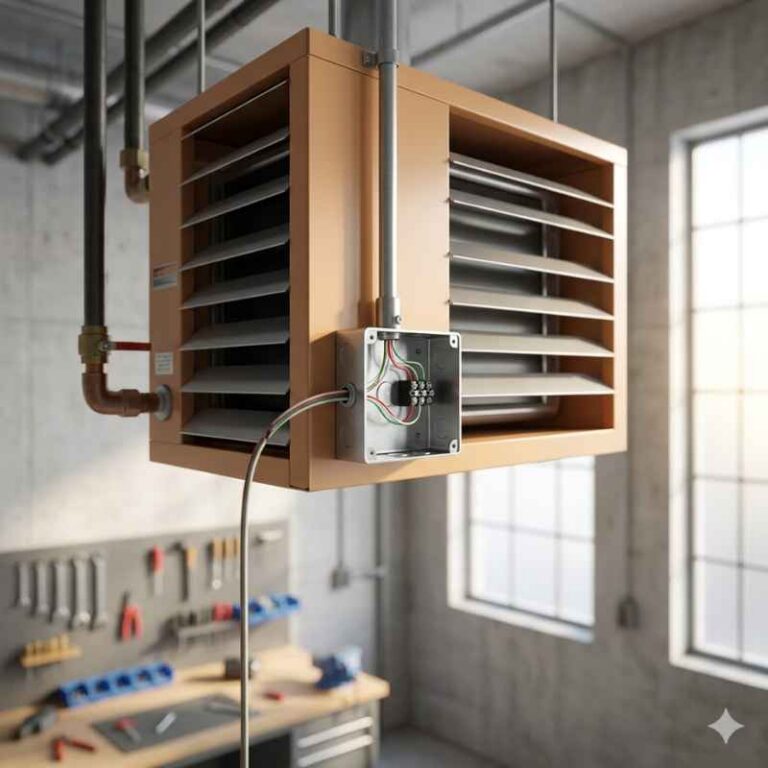
This combustion process generates heat, which is then distributed into the cabin. Many houseboats feature wall-mounted propane heaters with fans that circulate the warm air throughout the living spaces. These are generally designed for safety, with protective grilles and automatic shut-off mechanisms in case of flame failure or excessive carbon monoxide levels.
Operating a propane heater is usually straightforward. Most have simple controls, often a dial or a switch, to adjust the temperature or flame intensity. It’s essential to ensure that the propane tanks are adequately filled before your trip, especially if you plan on using the heater extensively.
Rental companies usually manage the propane supply, but it’s wise to clarify whether the cost of propane is included in your rental fee or if it’s an additional charge. Some companies might offer a fixed fee for propane, while others charge based on consumption.
Safety is paramount with any propane appliance. Houseboats are equipped with carbon monoxide detectors, which are crucial for any dwelling that uses propane for heating or cooking. You should familiarize yourself with the location and testing procedure for these detectors.
Ensure that ventilation is adequate, though the heaters themselves are designed to operate safely within the cabin space. It’s also a good practice to never block the vents of the heater to ensure proper airflow and heat distribution.
| Propane Heater Features | Description |
|---|---|
| Heat Source | Combustion of propane gas. |
| Fuel Supply | Connected to main houseboat propane tanks. |
| Operation | Ignition process heats air, fan circulates it. |
| Safety Features | Automatic shut-off, protective grilles, CO detectors recommended. |
| Cost Consideration | Propane refills may incur additional charges. |
This table summarizes the key aspects of propane heating systems commonly found on houseboats. Understanding these points helps ensure you can operate the system safely and effectively during your stay.
What Are the Benefits of Electric Heating Systems?
Electric heating systems offer a different approach to keeping a houseboat warm and cozy. These systems can be more convenient as they don’t rely on propane levels, tapping directly into the boat’s electrical power. For houseboats equipped with a powerful generator or shore power hookups, electric heaters can provide consistent and easily adjustable warmth.
This often translates to a more “set it and forget it” kind of operation, similar to what you’d experience at home, where you can simply set a desired thermostat temperature.
Electric heating can also be perceived as cleaner, as there’s no combustion involved, meaning no risk of carbon monoxide production from the heating unit itself. This is a significant safety advantage. The controls for electric heaters are typically very user-friendly, often featuring digital thermostats or simple dial controls for temperature adjustment.
In some of the more premium or newer houseboat models, you might find a ducted electric furnace system that distributes warm air throughout the entire vessel via vents, offering a very even and comfortable ambient temperature.
However, the effectiveness of electric heating is directly tied to the availability and capacity of the boat’s electrical system. If the boat has a small generator or limited battery power, running electric heaters extensively can drain the power quickly, potentially leading to a lack of electricity for other essential appliances or systems. This is why many houseboats opt for propane as a primary source, which is often more energy-dense and less demanding on the boat’s electrical infrastructure.
Always confirm the amperage requirements for electric heaters with your rental provider if they are available.
- Convenience: Relies on electrical power, no need to monitor propane levels.
- Clean Operation: No combustion means no CO production from the heater unit.
- Easy Controls: Typically feature user-friendly thermostats.
- Consistent Heat: Can provide even temperature distribution when sufficient power is available.
- Safety: No open flames or combustion byproducts.
When considering electric heating, it’s crucial to understand the houseboat’s power generation capabilities, especially if you’re planning a trip where you’ll be anchored away from shore power for extended periods.
Comparing Propane vs. Electric Heating on Houseboats
Choosing between a houseboat that primarily uses propane heat versus one with electric heating involves weighing several factors, from operational costs to convenience and safety. Propane heaters are often favored for their power and ability to heat large spaces quickly, making them ideal for the often-open layouts of houseboats. They are generally independent of the boat’s electrical system, meaning they can run even if the generator is off or shore power is disconnected, a significant advantage for extended trips off the dock.
The initial cost of installing a propane heating system can also be lower compared to a robust electric furnace.
On the other hand, electric heating systems can offer a cleaner and more precise form of temperature control. If the houseboat has a substantial generator or reliable shore power access, electric heating can be extremely convenient, allowing for easy thermostat adjustments without worrying about fuel levels. For those sensitive to the faint odor sometimes associated with propane, electric heat is a welcome alternative.
Modern electric furnaces can also offer superior efficiency and even airflow compared to some older propane models, leading to a more comfortable living environment.
The biggest consideration for propane is the potential for additional costs. While rental companies often include a certain amount of propane or a fee, heavy usage can lead to unexpected expenses. You also need to be mindful of propane tank levels.
For electric heating, the primary concern is the strain on the electrical system. If the boat’s generator is undersized or not running, using electric heaters can deplete batteries rapidly, impacting other onboard electrical devices. It’s also worth noting that while propane heaters produce CO (requiring detectors), electric heaters pose a fire risk if their heating elements malfunction or come into contact with flammable materials, though both types are designed with safety in mind.
| Feature | Propane Heater | Electric Heater |
|---|---|---|
| Primary Heat Output | High, good for quick heating of large spaces. | Moderate to high, depends on system wattage. |
| Power Source | Propane tanks. | Boat’s electrical system (generator or shore power). |
| Operational Independence | High; can run without electrical power. | Low; dependent on generator or shore power. |
| Temperature Control | Variable, often dial-based. | Often precise, thermostat-controlled. |
| Running Cost | Propane refills may add cost. | Electricity usage, impacts generator fuel consumption. |
| Safety Concerns | CO production (requires detectors). | Electrical faults, fire risk if misused. |
This comparison highlights the key differences and trade-offs when evaluating heating systems on Lake Cumberland houseboats, helping you make an informed decision based on your priorities.
Factors to Consider When Booking a Houseboat with Heating
When you’re planning your Lake Cumberland getaway, especially if you’re looking at dates outside the warmest months, confirming the heating capabilities of a houseboat is non-negotiable. The first and most critical step is to directly ask the rental company about the specific heating system in the houseboat you are interested in. Don’t assume all boats are equipped the same.
Inquire about the type of heater (propane, electric, or both), its approximate capacity, and how it’s operated. Understanding these details will set clear expectations.
Beyond the type of heater, consider the age and condition of the houseboat. Newer or recently renovated vessels are more likely to have modern, efficient, and reliable heating systems. Older houseboats might have more basic setups that, while functional, may not heat as effectively or quickly.
It’s also a good idea to ask about the fuel source for the heater. If it’s propane, clarify whether the cost of propane is included in your rental fee or if it’s an additional charge based on consumption or a flat rate. For electric heaters, understand the boat’s power generation capacity.
Will the generator be sufficient to run the heater alongside other appliances, especially if you plan to anchor out?
Another important aspect is the layout of the houseboat. A boat with multiple heating units strategically placed in different areas will offer more consistent comfort than one with a single heater in the main salon. Some larger houseboats may even have separate climate control for different zones.
Finally, read reviews from previous renters if possible, paying attention to comments about the heating system’s performance during similar times of the year. This real-world feedback can be invaluable in making your final decision and ensuring a comfortable experience on the water.
- Direct Confirmation: Always ask the rental company about the specific heater type and model.
- Fuel Source Clarification: Understand if propane costs are included or extra.
- Electrical Capacity: For electric heaters, know the generator’s capability.
- Houseboat Layout: Consider the number and placement of heaters for even warmth.
- Age and Renovation Status: Newer boats often have better heating systems.
- Review Feedback: Look for renter comments on heating performance.
- Booking Season: If traveling in spring, fall, or winter, heating is paramount.
By carefully considering these factors, you can significantly increase the chances of booking a houseboat that will keep you warm and comfortable throughout your Lake Cumberland adventure, regardless of the external temperature.
Safety Precautions for Houseboat Heating Systems
Operating any heating system, especially in the unique environment of a houseboat, requires a strong emphasis on safety. For propane heaters, the primary concern is the potential for carbon monoxide (CO) buildup. This invisible, odorless gas is a byproduct of incomplete combustion.
Every houseboat rented should be equipped with working carbon monoxide detectors. You should test these detectors upon arrival to ensure they are functional. Never tamper with CO detectors, and if an alarm sounds, evacuate the boat immediately and contact the rental company or emergency services.
It’s also crucial to maintain proper ventilation. While propane heaters are designed to operate safely within the cabin, ensuring that vents are not blocked by furniture or stored items is important for airflow. Keep the area around the heater clear of any flammable materials, such as curtains, blankets, or paper products.
If you notice any unusual smells like rotten eggs (a common sign of a propane leak) or soot deposits around the heater, turn off the appliance immediately and report it to the rental company. Never attempt to repair a propane heater yourself.
For electric heaters, while they don’t produce CO, they do pose a fire risk if they malfunction or are misused. Ensure that the heater is placed on a stable, non-flammable surface and is not in close proximity to anything that could ignite. Avoid running the heater continuously for extended periods if it tends to overheat.
Also, be aware of the houseboat’s electrical load. Running multiple high-wattage appliances, including an electric heater, simultaneously could overload the circuit or drain the batteries if on generator power. Always follow the manufacturer’s instructions and any specific guidelines provided by the houseboat rental company.
Warning: Never block the vents on a propane heater, and always ensure carbon monoxide detectors are functional and within their expiration date. For electric heaters, avoid overloading circuits and keep them away from flammable materials.
- CO Detectors: Test them upon arrival; never disable or ignore alarms.
- Ventilation: Keep heater vents clear and ensure adequate airflow.
- Flammable Materials: Maintain a safe distance between heaters and anything combustible.
- Electrical Load: Be mindful of the houseboat’s power capacity when using electric heaters.
- Professional Maintenance: Ensure all heating systems are regularly inspected by professionals.
- Leak Detection: Recognize signs of propane leaks (rotten egg smell) and react promptly.
- Never Self-Repair: Report any suspected issues with heating systems to the rental provider immediately.
Prioritizing these safety measures will help ensure a safe and enjoyable experience on Lake Cumberland, allowing you to relax and focus on making memories rather than worrying about potential hazards.
Frequently Asked Questions
Do all Lake Cumberland houseboats have heaters?
No, not all houseboats are guaranteed to have heaters, especially older or more basic models. However, the vast majority of rental houseboats are equipped with some form of heating, particularly those operated by larger rental companies catering to year-round tourism. It is crucial to confirm this feature directly with the rental provider before booking.
Is propane cost included in the houseboat rental?
This varies significantly by rental company and houseboat. Some companies include a set amount of propane or charge a flat fee for its use, while others charge based on actual consumption. Always clarify the policy on propane costs with your chosen rental provider to avoid unexpected expenses.
How powerful are typical houseboat heaters?
The power, often measured in BTUs (British Thermal Units), varies greatly depending on the size and model of the houseboat. Larger boats will have more powerful systems. While specific BTU ratings are rarely advertised, rental agents can usually provide general information about the heating capacity of the particular boat you are considering.
What should I do if the heater isn’t working?
If the heater is not functioning correctly, the first step is to check the obvious: ensure the propane tanks are open (if applicable) or that the breaker for electric heat hasn’t tripped. If the issue persists, immediately contact your houseboat rental company. They have technicians available to address such problems and will provide guidance or send someone to assist.
Can I bring my own portable heater?
It’s generally not recommended to bring your own portable heater unless explicitly approved by the rental company. Many houseboats have specific electrical capacities or propane systems that may not safely accommodate additional heaters. Bringing an unauthorized heater could violate your rental agreement and pose safety risks, such as overloading circuits or creating fire hazards.
Final Thoughts
Ensuring your Lake Cumberland houseboat rental has adequate heating is key to enjoying your trip, especially outside the summer season. While propane heaters are most common, electric options offer convenience. Always confirm the specific heating features with your rental provider, understand any associated fuel costs, and prioritize safety by being aware of your system’s operation and having functional detectors.
A warm and comfortable houseboat means more time to relax and soak in the beauty of Lake Cumberland.
Sponsored / affiliate links. As an Amazon Associate I earn from qualifying purchases. I may earn additional commission from eligible campaigns.
 AZEUS Portable AC and Heater Unit, 420W 110V Compact Air Conditioner for Tent RV Truck Cabin and Small Room, 1400W Cooling, 800W Heating, Remote Control, Dehumidifier, Sleep Timer, Champagne
 Floor Gap Fixer Tool for Laminate, Vinyl & Hardwood Floors – Heavy-Duty Nylon Plank Puller with Reusable Washable Adhesive Pad, DIY Floor Gap Repair Tool (Plank Grabber Only, Hammer Not Included)