Does Peco Still Offer Credits For High Efficiency Heaters?
This guide will help clear things up. We’ll look at PECO’s current programs. We’ll also talk about other ways you might save money on your energy costs.
Let’s dive in and see what’s available for you.
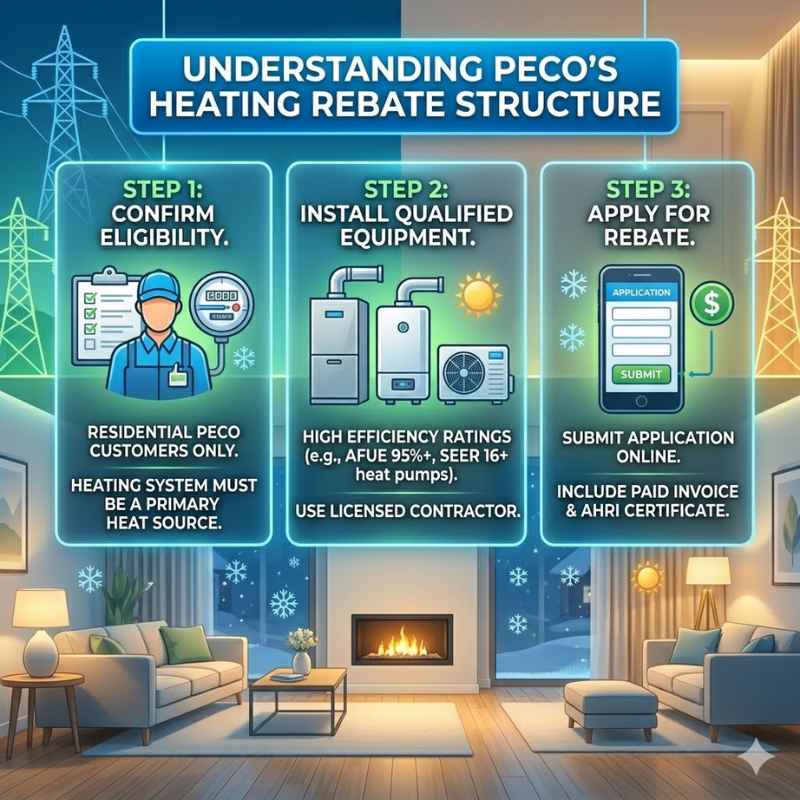
As of now, PECO does not directly offer specific credits or rebates for the installation of high-efficiency heaters. However, they do have programs focused on overall energy efficiency that can help lower your bills. These programs often encourage upgrades that lead to energy savings, which indirectly benefits owners of efficient heating systems.
It’s always best to check PECO’s official website for the most current information on their energy-saving initiatives and incentives.
Understanding PECO’s Energy Efficiency Programs
PECO, like many utility companies, is committed to helping its customers use energy wisely. Their focus is often on programs that encourage whole-home efficiency. This means they look at how your entire home uses energy, not just one appliance.
They want to help you save money on your bills. They also want to help reduce the demand on the energy grid. This is good for everyone.
Think of it like this: instead of giving you money just for buying a new heater, they might help you make your whole house more efficient. This could include sealing up drafts or improving insulation. These steps make any heating system work better.
A high-efficiency heater in a well-insulated home will save you even more energy than one in a leaky house.
Why Direct Heater Credits Might Be Less Common
Utility companies used to offer more direct rebates for specific appliances. But programs have changed over time. Now, the trend is more towards whole-home solutions.
This approach often provides greater overall energy savings for customers. It also addresses energy waste more broadly.
Direct credits for a single item like a heater can be hard to manage. They also might not lead to the biggest savings for you. PECO’s current strategy seems to be about empowering customers to make smarter, more comprehensive energy choices.
This can lead to more lasting benefits.
PECO’s Energy Saving Initiatives: What’s Available
While specific heater credits might not be on the table, PECO offers other ways to save. These often involve making your home more energy efficient. You can find programs that help with things like:
- Home energy audits: PECO may offer or help you find an energy expert. This person can check your home for energy leaks. They suggest ways to fix them.
- Insulation and air sealing: Some programs might offer advice or support for improving your home’s insulation. This keeps heat in during winter and out during summer.
- Smart thermostat rebates: You might find offers for smart thermostats. These devices learn your habits and adjust your heating and cooling. This saves energy without you even thinking about it.
- Lighting upgrades: Switching to LED bulbs is an easy way to save energy. PECO might have information or special offers on these.
- Appliance efficiency: They may point you to resources for choosing energy-efficient appliances.
These programs are designed to help you reduce your overall energy consumption. This means lower bills for you. It also contributes to a greener environment.
It’s worth exploring what PECO has available on their official website. Things can change, and new offers can pop up.
My Own Experience with Energy Audits
I remember a few years back. My heating bill seemed much higher than my neighbors. I was using a fairly new furnace, so I couldn’t figure out why.
I felt a bit helpless and annoyed. I decided to look into what my local utility company offered. They had a program for home energy assessments.
I signed up, and a friendly technician came to my house. He brought a little gadget that blew cold air. He used it to find drafts around my windows and doors.
I was shocked at how much air was escaping! He also pointed out that my attic insulation was thin in some spots. We talked about sealing up the leaks and adding more insulation.
It felt like a lot of work, but he explained it would make a big difference. The company even helped me find contractors who could do the work. After the improvements, my next heating bill was noticeably lower.
It wasn’t a direct credit, but the savings felt much better. It was like getting paid back over time.
Energy Saving Tips Checklist
Quick Checks for Your Home:
- Seal Drafts: Check windows and doors. Use weatherstripping.
- Insulate Well: Ensure your attic and walls have enough insulation.
- Smart Thermostat: Consider a programmable or smart thermostat.
- LED Lights: Switch old bulbs to energy-saving LEDs.
- Appliance Use: Run dishwashers and washing machines full. Use cold water when possible.
Understanding High-Efficiency Heaters
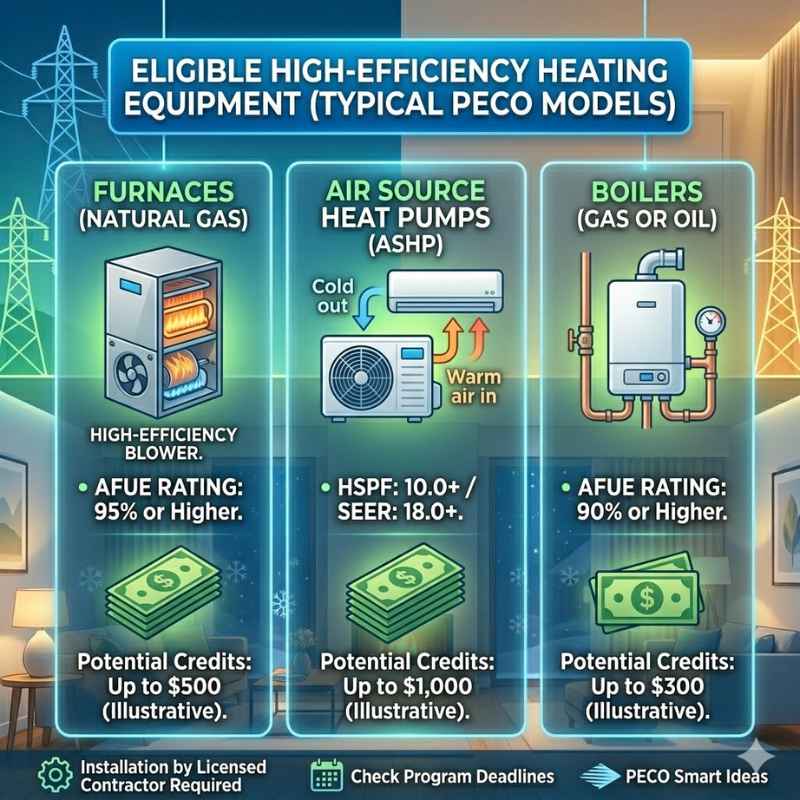
Let’s talk a bit more about what makes a heater “high-efficiency.” For gas furnaces, this often means they have an Annual Fuel Utilization Efficiency (AFUE) rating of 90% or higher. Older furnaces might be 60-80% efficient. This means an older furnace wastes a lot of fuel as heat up the chimney.
A 90% efficient furnace uses more of the fuel to heat your home.
These modern units capture more heat from the fuel they burn. They often have a second heat exchanger. This pulls even more heat out of the exhaust gases.
This makes them much better at using the energy you pay for. This is why people want them. They promise lower fuel bills and less impact on the environment.
While PECO might not give a direct check for buying one, the lower running costs are a benefit in themselves. Over the life of the heater, these savings can add up significantly. It’s an investment in your home’s comfort and your long-term budget.
High-Efficiency Heater Basics
What to Look For:
- AFUE Rating: A higher percentage means more efficiency. Aim for 90%+.
- Two-Stage or Modulating Burners: These adjust their heat output. They don’t just blast on and off.
- Variable-Speed Blowers: These run at different speeds. They use less electricity and distribute air more evenly.
- ENERGY STAR Certified: Look for this label. It means the unit meets strict energy performance standards.
When Is It Worth Upgrading Your Heater?
Deciding to replace a heater is a big choice. It’s not just about potential credits. It’s about the overall health and efficiency of your home’s heating system.
Here are some things to think about:
Age of Your Current Heater: Furnaces typically last 15-20 years. If yours is getting old, it might be less efficient and more prone to breaking down. Replacing an older, inefficient unit with a new high-efficiency model can pay for itself over time through energy savings.
Repair Costs: Are you constantly calling for repairs? If the cost of repairs starts to add up to a significant portion of a new unit’s price, it might be time to consider an upgrade. Frequent breakdowns also mean you might be without heat, which is a major inconvenience.
Energy Bills: Are your heating bills unusually high? Even with a newer system, if your energy consumption seems excessive, it could be a sign of inefficiency. A high-efficiency heater can help reduce these costs.
Home Comfort: Do you have uneven temperatures in your home? Some rooms too hot, others too cold? A new, well-functioning high-efficiency system, paired with good ductwork, can provide more consistent comfort throughout your house.
Environmental Impact: Newer, high-efficiency heaters burn fuel more cleanly. They produce fewer emissions. If reducing your home’s environmental footprint is important to you, upgrading is a positive step.
Heater Upgrade Decision Guide
Ask Yourself These Questions:
- How old is my current heater? (Under 10 years? 10-15 years? Over 15 years?)
- What have I spent on repairs in the last year? (Less than $500? $500-$1000? Over $1000?)
- Are my heating bills higher than expected? (Yes, significantly? Slightly? No.)
- Is my home comfortable year-round? (Yes, even temps? Some rooms are uncomfortable? No, many rooms are uncomfortable.)
- Is energy efficiency a priority for me? (Very important? Somewhat important? Not a primary concern.)
Federal Tax Credits and Rebates
While PECO might not offer direct credits, there might be other incentives. The U.S. government offers tax credits for energy-efficient home improvements.
These are part of efforts to encourage people to make their homes more energy smart. These credits can be a nice bonus when you invest in a new heating system.
For example, the Inflation Reduction Act of 2022 expanded and extended several clean energy tax credits for homeowners. These can apply to qualifying high-efficiency heating and cooling equipment. You’ll need to check the specifics on the Energy Star website or consult with a tax professional.
The units must meet certain efficiency standards.
It’s important to remember that these are tax credits, not direct rebates. This means they reduce your tax liability. They don’t give you money back immediately like a rebate might.
Still, saving money on your taxes is a real financial benefit. Always verify the eligibility of specific models with the manufacturer and the IRS.
Federal Energy Tax Credits at a Glance
Potential Savings for Homeowners:
- Energy Efficient Home Improvement Credit: Available for qualified energy-efficient improvements made to your home.
- Residential Clean Energy Credit: For investments in renewable energy like solar electric panels.
- Specific Equipment: Tax credits often apply to heat pumps, certain efficient air conditioners, and natural gas furnaces/boilers that meet specific efficiency requirements.
- Annual Limits: There are often annual limits on the amount of credit you can claim.
- Consult a Professional: Always check the latest IRS guidelines and speak with a tax advisor.
Local and State Incentives
Beyond federal programs and utility companies like PECO, states and local municipalities sometimes offer their own incentives. These can vary greatly depending on where you live. Pennsylvania, for example, has had programs in the past that supported energy efficiency and renewable energy projects.
You might find programs through your state’s energy office or department of environmental protection. These could include rebates, low-interest loans for energy upgrades, or grants for specific projects. It takes a bit of searching, but these local options can sometimes be very beneficial.
To find out what’s available in your specific area, you can try searching online for ” energy incentives” or ” home energy rebates.” The Database of State Incentives for Renewables & Efficiency (DSIRE) is also a great national resource. It lists incentives by state and by technology type.
The Role of a Qualified HVAC Professional
When you’re thinking about upgrading your heating system, working with a qualified HVAC (Heating, Ventilation, and Air Conditioning) professional is key. They have the expertise to assess your current system and your home’s needs. They can recommend the best type of high-efficiency heater for your situation.
A good HVAC contractor will also be up-to-date on the latest available incentives. They can help you understand which systems qualify for federal tax credits or any state or local rebates that might exist. They can also explain the AFUE ratings and other technical details in a way that makes sense.
Don’t hesitate to get multiple quotes from different contractors. Ask them specific questions about energy efficiency and available incentives. A trustworthy professional will be transparent about costs and savings.
They will help you make an informed decision that’s right for your home and your budget.
Working with Your HVAC Pro
Questions to Ask:
- What is the AFUE rating of the recommended unit?
- Does this model qualify for federal tax credits? (Ask for model number to verify.)
- Are there any other local or state incentives I might be eligible for?
- Can you provide a detailed quote including installation?
- What is the warranty on the equipment and your labor?
Checking PECO’s Official Resources
The absolute best way to get the most accurate and up-to-date information about PECO’s programs is to visit their official website. Utility companies frequently update their offerings. What might be true today could change next year.
They often have dedicated sections for energy efficiency, rebates, and customer programs.
Look for sections titled “Energy Saving Programs,” “Rebates,” “Incentives,” or “Efficiency.” You can usually find a customer service number on their website as well. Calling them directly is another way to speak with a representative who can guide you to the right resources. Don’t rely solely on third-party information, as it can sometimes be outdated.
Remember, PECO’s goal is to promote energy conservation and customer savings. Their programs are designed to help you achieve that. Even if direct heater credits aren’t available, exploring their other energy efficiency initiatives is highly recommended.
You might find other ways to save money that you hadn’t considered.
What This Means for Your Home
So, if you’re looking for a direct credit from PECO specifically for buying a high-efficiency heater, you’ll likely be disappointed. However, this doesn’t mean there aren’t financial benefits or savings opportunities when you invest in energy-efficient heating. The real value comes from:
Lower Utility Bills: A high-efficiency heater uses less fuel to produce the same amount of heat. This directly translates to lower monthly energy bills. Over the lifespan of the unit, these savings can be substantial.
Increased Home Value: Energy-efficient upgrades can make your home more attractive to potential buyers. It signals lower operating costs and a commitment to sustainability.
Environmental Benefits: By using less energy, you reduce your home’s carbon footprint. This is a positive step for the environment.
Potential Tax Credits: As mentioned, federal tax credits can significantly offset the cost of qualifying efficient equipment. Always confirm eligibility with the IRS and your tax advisor.
PECO’s Broader Programs: You might be able to get help with energy audits, insulation, or smart thermostats through PECO’s other programs. Making your home more efficient overall will maximize the benefits of any heating system you have.
When Should You Worry About Heater Efficiency?
It’s good to be aware of your heating system’s efficiency. But when should it be a real concern? If your heater is:
- Very Old: Units over 15 years old are often significantly less efficient than modern ones.
- Constantly Breaking Down: Frequent repairs can be a sign of an aging, inefficient system.
- Leading to Sky-High Bills: If your energy bills are much higher than others in similar homes, your heater might be the culprit.
- Making Strange Noises: While not always about efficiency, unusual noises can sometimes indicate mechanical issues that impact performance.
If you notice these signs, it’s a good time to start researching replacements and looking into all available incentives, not just those from PECO.
Quick Tips for Maximizing Heater Efficiency Now
Even if you’re not ready for a new heater, you can do a few things to make your current system run as efficiently as possible:
- Regular Maintenance: Schedule an annual tune-up with an HVAC professional. They can clean your system, check for minor issues, and ensure it’s running at its best.
- Change Air Filters: Dirty filters make your heater work harder. Change them regularly, usually every 1-3 months, depending on the filter type and your home environment.
- Seal Air Leaks: Use caulk and weatherstripping to seal gaps around windows, doors, and where pipes enter your home.
- Improve Insulation: Add insulation to your attic if it’s below recommended levels.
- Use a Smart Thermostat: Program it to lower the temperature when you’re asleep or away from home.
These steps can help reduce energy waste and lower your bills in the short term, regardless of your heater’s age or efficiency rating.
Frequently Asked Questions About PECO Heater Credits
Does PECO offer any rebates for buying a new high-efficiency furnace?
Currently, PECO does not advertise specific cash rebates or credits for the purchase of high-efficiency furnaces. Their programs focus more on overall home energy efficiency improvements.
Can I get help from PECO if I install a heat pump?
PECO may have programs that support energy efficiency upgrades, which can include heat pumps as part of a whole-home approach. It’s best to check their current energy-saving initiative offerings on their official website for details related to specific equipment like heat pumps.
What kind of energy efficiency programs does PECO offer?
PECO offers various energy efficiency programs aimed at helping customers reduce their energy use and save money. These can include home energy audits, information on insulation and air sealing, and potentially incentives for smart thermostats or lighting upgrades. These programs are typically focused on improving the overall efficiency of your home.
Are there federal tax credits for high-efficiency heaters?
Yes, the U.S. government often provides federal tax credits for qualifying energy-efficient home improvements, including certain high-efficiency heating and cooling equipment like furnaces and heat pumps. You should consult the IRS or a tax professional for the most current information on eligibility and credit amounts.
How can I find out about local energy incentives in my area?
You can search your state’s energy office website, your local government’s sustainability department, or use the national DSIRE database (Database of State Incentives for Renewables & Efficiency) to find local and state-specific energy incentives for home improvements.
My heater is old. Should I
Yes, replacing an old, inefficient heater can lead to significant savings on your energy bills over time. The cost savings from reduced energy consumption, combined with potential federal tax credits, can make the investment worthwhile, even without direct utility rebates.
Wrapping Up: Smart Energy Choices
Making smart energy choices for your home is a journey. While PECO might not offer direct credits for high-efficiency heaters right now, that doesn’t mean you can’t save. Focus on overall home efficiency.
Explore PECO’s broader energy-saving programs. Look into federal tax credits. And always consider the long-term benefits of a well-performing, efficient heating system.
Your wallet and the environment will thank you.
Sponsored / affiliate links. As an Amazon Associate I earn from qualifying purchases. I may earn additional commission from eligible campaigns.