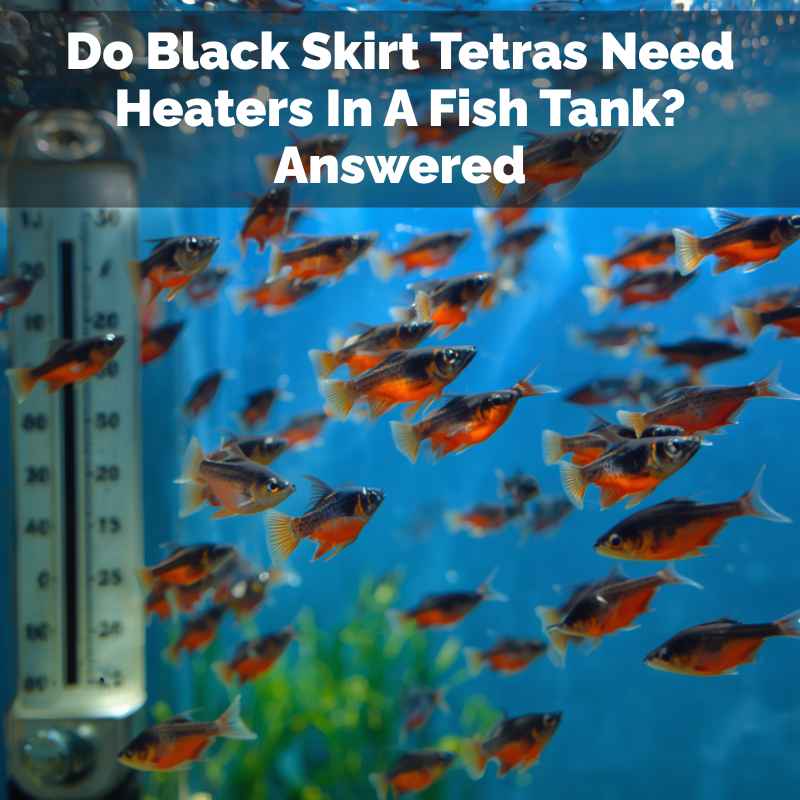
Do Black Skirt Tetras Need Heaters In A Fish Tank? Answered
Black skirt tetras do best in water temperatures between 72°F and 80°F (22°C to 27°C). While they can survive briefly outside this range, a heater is highly recommended to maintain stable temperatures, especially in cooler homes or during winter months, to prevent stress and illness.
Understanding Black Skirt Tetra Needs
Black skirt tetras, also known by their scientific name Gymnocorymbus ternetzi, are popular aquarium fish. They are known for their striking black and silver coloration. These little guys originate from South America.
They live in warm, slow-moving waters. This background gives us a big clue about their needs in our tanks.
In their natural habitat, the water temperature is quite stable. It doesn’t swing wildly. This stability is key for their health.
When we bring them into our homes, we need to mimic this as best we can. Aquarium heaters play a vital role in achieving this stable environment. They ensure the water stays within a safe and comfortable range for the fish.
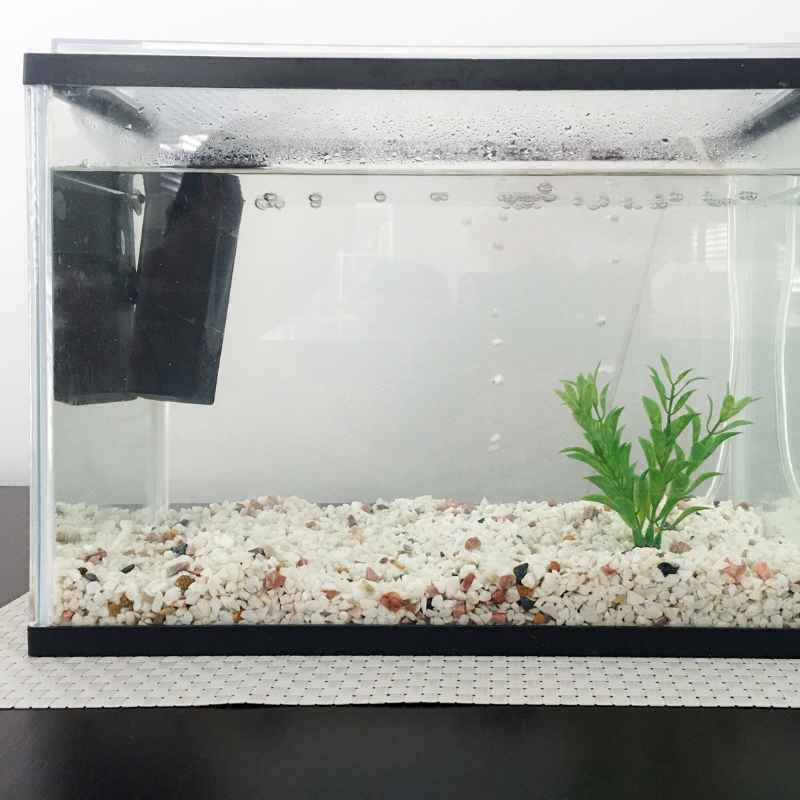
Why Temperature Matters So Much
Water temperature is more than just a number. It affects many things for fish. It impacts their metabolism.
This is how their bodies use energy. It also influences their immune system. A healthy immune system fights off sickness.
Stable, warm water helps these systems work well. Cold water slows everything down. This makes fish more prone to diseases.
On the flip side, water that is too hot can also be bad. It can stress them out. It can lower the amount of oxygen in the water.
Fish need oxygen to breathe. So, finding the sweet spot for temperature is very important. For black skirt tetras, this range is pretty specific.
It’s where they thrive.
The Ideal Temperature Range for Black Skirt Tetras
Most experts agree that black skirt tetras are comfortable and healthy in water temperatures ranging from 72°F to 80°F. That’s about 22°C to 27°C. This range gives a little wiggle room.
But it’s best to aim for the middle of this spectrum.
A good target is often around 75°F or 76°F (24°C to 24.5°C). This temperature provides a stable environment. It supports their active nature and good health.
Fish can adapt to some changes. But sudden or extreme shifts are very stressful. Maintaining a consistent temperature is the goal.
Do Black Skirt Tetras Need a Heater? Let’s Get Real.
Here’s the honest truth. If you live in a very warm climate. And your home stays consistently warm all year.
You might get away without a heater. This is especially true if your room temperature is always above 70°F.
However, this is rarely the case for most people. Even in warmer regions, houses can cool down at night. Or during colder months, room temperatures can drop significantly.
This is where a heater becomes essential. It’s not about luxury; it’s about necessity for their well-being.
Think about it this way. You wouldn’t want to live in a house that’s always too cold or too hot, right? Your fish feel the same way.
A heater acts like a thermostat for their world. It keeps things just right.
My Own Experience: The Heater Scare
I remember one winter. It was particularly cold outside. My heating system at home had a slight hiccup one night.
The house got noticeably cooler. I woke up the next morning feeling chilly. I immediately went to check on my fish tank.
My heart sank.
My black skirt tetras were huddled near the bottom. They looked sluggish. Their colors seemed a bit dull.
This was a clear sign they were stressed and cold. The water temperature had dropped. It was probably in the low 60s°F.
My stomach dropped. I realized how crucial that heater was. I had it set correctly, but a power fluctuation or system issue had made it ineffective.
I quickly adjusted the main house thermostat. I also used a backup aquarium heater that I kept for emergencies. Within a few hours, I saw a difference.
My tetras became more active. Their colors brightened. It was a stark reminder that relying on ambient room temperature is risky business.
That experience cemented my belief: a reliable aquarium heater is non-negotiable for these fish, and most tropical fish, in most home environments.
Signs Your Fish Are Too Cold
Listlessness: Fish may swim slowly or rest on the bottom more than usual.
Clamped Fins: Their fins might appear stuck close to their bodies.
Reduced Appetite: They may not eat as much or show interest in food.
Dull Colors: Their vibrant colors can fade when they are stressed by cold.
Shivering or Trembling: You might notice slight, unusual body movements.
When Room Temperature Isn’t Enough
Many people think their home is always warm enough. But let’s look at the factors. Winter days can be short.
Sunlight might not heat the tank much. Homes can have drafts. Older windows let in cold air.
Even a few degrees drop can be a lot for a fish. Especially over many hours.
Consider your location. If you are in a place like Maine or Minnesota, you absolutely need a heater. Even if you are in Florida, a cold snap can happen.
These cold snaps can last for days. Your fish can suffer during this time. They don’t have a way to warm themselves up.
They depend on you to provide a stable, warm environment.
The cost of a heater and electricity is small compared to the cost of fish. And more importantly, compared to the stress and potential illness you’re saving them from. It’s a small investment for big peace of mind.
And a healthy, happy school of tetras.
How Aquarium Heaters Work
Aquarium heaters are pretty simple devices. Most are submersible. They have a heating element inside.
They also have a thermostat. You set the thermostat to your desired temperature. For example, 75°F.
The heater then warms the water until it reaches that temperature. Once it’s warm enough, it turns off. When the water cools down a bit, the thermostat tells it to turn on again.
This cycle keeps the water temperature stable. It’s like a tiny climate control system for your tank.
There are different types. Some are glass, some are plastic. Wattage is important.
It depends on your tank size. A general rule is 3-5 watts per gallon. So, a 20-gallon tank might need a 75-watt heater.
A 50-gallon tank might need a 200-watt heater. Always check the manufacturer’s recommendation for your tank size.
Choosing the Right Heater
Tank Size: Match heater wattage to your tank volume. Too small won’t heat enough. Too big can overheat.
Submersible vs. Hang-on: Submersible are common and reliable. Hang-on models can be easier to access.
Thermostat Accuracy: Look for heaters with reliable, adjustable thermostats. Some have external controllers for more precise control.
Safety Features: Many modern heaters have automatic shut-offs if the water level is too low. This prevents them from burning out.
Brand Reputation: Stick with well-known aquarium brands for better quality and safety.
Signs Your Fish Are Too Warm
Just like being too cold, being too warm is also bad. Overheating is a real danger. It happens if the heater malfunctions.
Or if the room gets extremely hot. High temperatures can lead to stress. They can also reduce oxygen levels in the water.
This makes it hard for fish to breathe.
Signs of overheating include: rapid gill movement. Fish may appear to be gasping for air at the surface. They might be very active, swimming erratically.
Or they might hide more. Their colors could also become darker or stressed. If you notice these signs, check your thermometer immediately.
If the tank is too hot, turn off the heater. Increase air flow with an air stone. You can also do a partial water change with cooler water.
But do it slowly. Sudden temperature drops are also dangerous. Never use ice cubes directly in the tank.
That’s a recipe for disaster.
Temperature Check: What to Look For
Use a Thermometer: Always use a reliable aquarium thermometer. Don’t just trust the heater’s dial.
Placement: Place the thermometer away from the heater. This gives a more accurate reading of the overall tank temperature.
Daily Checks: Get into the habit of checking the temperature daily, especially when you first set up a tank or change equipment.
Watch Your Fish: Your fish are the best indicators. If they act stressed, check the temperature.
The Role of Thermometers
A heater is only half the story. You absolutely need a thermometer. It’s your confirmation.
It tells you if the heater is working correctly. And if the temperature is actually in the right zone. Don’t rely on the heater’s dial alone.
They can be inaccurate.
There are several types of thermometers. Glass tube thermometers are common. They are affordable and easy to read.
Stick-on thermometers are also available. They attach to the outside of the tank. However, they are usually less accurate.
Digital thermometers with probes offer the most precision.
I always recommend a good quality digital thermometer. Or at least a reliable glass one. Place it on the opposite side of the tank from the heater.
This way, you get a good average reading. Checking the temperature every day is a good habit. It helps you catch problems early.
Before they stress your fish.
Black Skirt Tetras and Tank Mates
When thinking about heaters, also consider your tank mates. Black skirt tetras are generally peaceful. But they are small.
They prefer to be in groups of six or more. This helps them feel secure. In a community tank, other fish might have slightly different temperature needs.
For example, some cold-water fish like certain types of goldfish shouldn’t be kept with tropical fish that need heaters. Conversely, some very tropical fish might need slightly warmer water than black skirt tetras prefer. Always research the needs of all fish in your tank.
The key is to find a temperature range that works for everyone. Black skirt tetras are fairly adaptable within the tropical range. This makes them good community fish.
But if you have fish that absolutely need cooler water, like some loaches or barbs, you might have a conflict. In such cases, you might need two separate tanks. Or choose fish with very similar temperature requirements.
Community Tank Considerations
Research All Species: Know the ideal temperature range for every fish you plan to keep.
Overlap is Key: Choose fish whose needs overlap with your black skirt tetras (72-80°F).
Avoid Extremes: Don’t mix fish that need very cold water (e.g., some koi) with those needing tropical heat.
Six or More: Keep tetras in schools of at least six to reduce stress. This also helps them tolerate temperature fluctuations better as a group.
Monitor Behavior: Observe your fish closely for signs of stress related to temperature. Adjust slowly if needed.
Natural Habitat vs. Aquarium Life
In the wild, fish have vast bodies of water. This means a small change in one spot doesn’t affect the whole system. Also, natural water sources have currents.
These currents can help distribute heat or cool water. Rivers and streams can warm up or cool down slowly.
Aquariums are closed systems. They are small. A change in temperature happens quickly.
A heater is crucial for providing that stability. It’s what makes aquarium life possible for tropical fish. Without it, your tank would be too unpredictable.
Think of a small pond versus a large lake. The pond’s temperature changes much faster. Your aquarium is like that small pond.
It needs help to stay stable. The heater is that helping hand. It ensures a consistent environment for your fish.
What About Seasonal Changes?
Even in a stable home, seasonal changes matter. During summer, your home might get hotter. You might use air conditioning.
This can cool the room. During winter, heating systems run more. But sometimes they are not enough.
Or they might dry out the air, which can affect water evaporation.
Your heater helps buffer against these changes. It ensures that no matter the season, your fish are comfortable. It provides a constant, safe haven for them.
This consistency is vital for their long-term health. It prevents them from getting sick due to temperature shocks.
Most importantly, it lets them focus on being fish. They can eat, explore, and interact. Instead of constantly battling a fluctuating environment.
This stability is what allows them to show their best colors and behaviors.
Common Mistakes to Avoid
One big mistake is not using a thermometer. Relying only on the heater dial is risky. Another mistake is placing the thermometer too close to the heater.
This gives a false reading. You need the average temperature of the tank.
People also sometimes buy a heater that’s too small. They think it will be enough. But it struggles to keep up.
Especially in a large tank or a cold room. Always err on the side of slightly more wattage if you’re unsure. But don’t go way over.
That can also be dangerous.
Another common error is not replacing old heaters. Heaters can wear out. Their thermostats can become less accurate.
It’s a good idea to replace them every 2-3 years. Or if you notice any issues. A faulty heater can be worse than no heater at all.
It could overheat or fail to heat.
Heater Troubleshooting Tips
Not Heating? Check the power connection. Is the indicator light on? Is the thermostat set correctly?
Has the water level dropped too low?
Overheating? Is the thermostat stuck? Is the room temperature extremely high? Try turning the heater down or off temporarily.
Remove some tank water and
Indicator Light Issues: If the light flickers or doesn’t come on, the heater may be failing.
Strange Noises: Some heaters can make faint clicking sounds. Loud or unusual noises could indicate a problem.
Visible Damage: Cracks in the glass or plastic mean immediate replacement.
Maintaining Your Heater
Keeping your heater clean is simple. Turn it off before doing any water changes. Or when you put your hands in the tank.
Most submersible heaters should be fully submerged. Check the manufacturer’s instructions. Leaving a heater on out of water can cause it to break.
Wipe the outside of the heater occasionally. This removes any algae or gunk. This helps it transfer heat more efficiently.
Make sure the power cord is not frayed. Keep it away from chewing fish if you have any that might bite cords.
Regular checks are key. Just like checking your thermometer. A little bit of maintenance goes a long way.
It ensures your heater keeps working as it should. Providing that stable environment your black skirt tetras need.
When to Worry and When Not To
You don’t need to panic if the temperature swings a degree or two for a short time. Fish can handle minor fluctuations. They are more resilient than we sometimes give them credit for.
The real danger is prolonged exposure to temperatures outside their ideal range. Or rapid, drastic changes.
If your heater fails, and the temperature drops into the 60s°F for more than a few hours, that’s when you need to act fast. If the temperature rises into the high 80s°F, that’s also cause for concern.
Observe your fish. Are they acting normal? Are they eating?
Are their colors bright? If yes, they are likely okay. If they are hiding, lethargic, gasping, or showing dull colors, then it’s time to investigate the temperature.
It’s always better to be safe than sorry.
What This Means for Your Black Skirt Tetras
So, to wrap this up: yes, for most people, a heater is essential for black skirt tetras. It’s not an optional item. It’s a vital piece of equipment.
It ensures their health and well-being. It prevents stress and disease. It allows them to live their best fish lives.
The stable temperature provided by a heater helps their immune systems. It supports their active swimming. It keeps their colors vibrant.
And it makes your job as a fish keeper much easier. You can relax knowing their environment is just right.
Quick Tips for Heater Peace of Mind
Get a good quality heater sized for your tank. Buy a reliable thermometer to match. Place them where you can easily see them.
Check the temperature daily, especially when you first set up the tank. Keep a spare heater on hand if you can. It might save your fish in an emergency.
Always research the temperature needs of all your tank inhabitants. This ensures everyone is comfortable.
Heater vs. No Heater: A Quick Look
Heater:
- Provides stable, optimal temperature (72-80°F for black skirt tetras).
- Prevents stress and illness from cold.
- Supports healthy metabolism and immune function.
- Essential for most U.S. homes, especially in cooler months.
- Peace of mind for the fish keeper.
No Heater:
- Risky if room temperature is not consistently warm (above 70°F).
- Prone to temperature drops, causing stress and disease.
- May only be suitable in very specific, warm climates with stable indoor temps.
- Potential for fin rot, ich, and other cold-related illnesses.
- Not recommended for black skirt tetras.
Frequently Asked Questions
Can black skirt tetras survive in room temperature water without a heater?
Black skirt tetras are tropical fish. They need water between 72°F and 80°F. While they might survive briefly in cooler temps, it causes stress.
This makes them sick. So, it’s not recommended. A heater is usually needed to keep the water stable.
How do I know if my heater is working correctly?
You need to use a separate aquarium thermometer. Place it in the tank away from the heater. Check the thermometer daily.
If it shows the temperature is within the 72-80°F range, your heater is likely working fine. If it’s too cold or too hot, check your heater settings and its condition.
What is the best wattage for an aquarium heater for black skirt tetras?
A good rule of thumb is 3-5 watts per gallon of tank water. For a 20-gallon tank, aim for a 75-watt heater. For a 50-gallon tank, a 200-watt heater might be needed.
Always check the heater manufacturer’s recommendations for your specific tank size.
Can a heater cause my tank to overheat?
Yes, a faulty heater or one that is too powerful for the tank size can cause overheating. It’s important to use a correctly sized heater and a reliable thermometer to monitor the temperature. If the tank gets too hot, turn off the heater and consider a partial water change with cooler water, added slowly.
How often should I replace my aquarium heater?
Aquarium heaters don’t last forever. It’s a good idea to replace them every 2 to 3 years. Even if they seem to be working, their thermostats can become less accurate over time.
This can lead to temperature problems. Replacing them proactively prevents potential issues.
Is it okay to have the heater on all the time?
Yes, a properly functioning aquarium heater with a thermostat is designed to be on most of the time. It cycles on and off as needed to maintain the set temperature. This constant regulation is what keeps the water stable for your fish.
Conclusion
Keeping black skirt tetras means providing them with the right home. A stable, warm environment is key. For most U.S.
homes, this means using an aquarium heater. It’s a simple step that makes a huge difference. It helps keep your fish healthy, active, and vibrant.
So, go ahead and get that heater. Your tetras will thank you.
Sponsored / affiliate links. As an Amazon Associate I earn from qualifying purchases. I may earn additional commission from eligible campaigns.