Do Sunheat Heaters Do A Good Job Heating Sun Rooms?
SunHeat heaters can be a decent option for sun rooms, but their effectiveness depends on several factors. They work best for supplemental heat or for smaller, well-insulated sunrooms. For larger or poorly insulated spaces, you might need a more powerful or dedicated heating system. It’s about matching the heater to your specific sunroom needs.
Understanding SunHeat Heaters
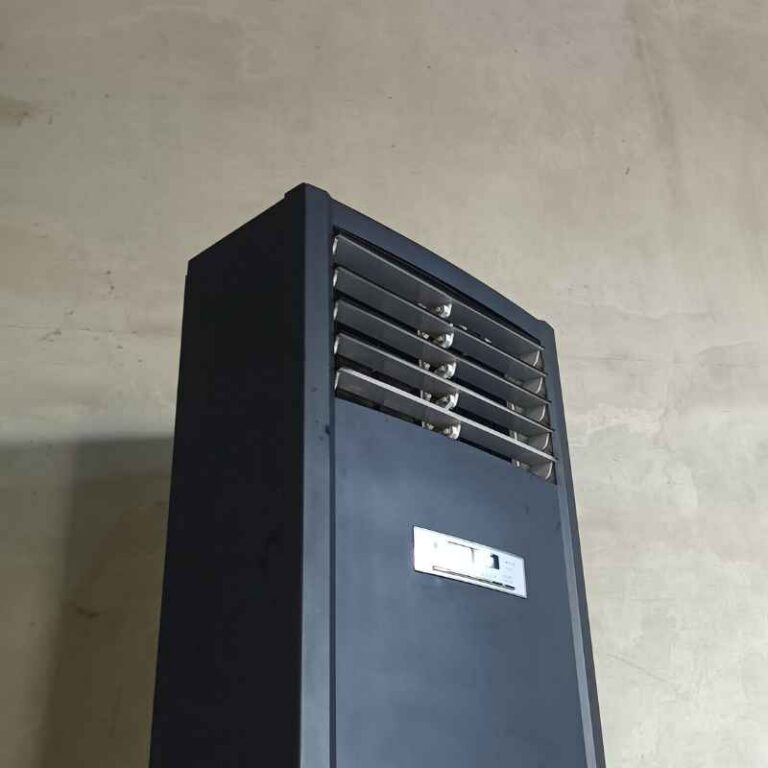
SunHeat heaters are a type of infrared heater. They work a bit like the sun. They send out heat waves.
These waves warm objects and people directly. They don’t heat the air first. This is different from most heaters.
Most heaters warm the air. Then the warm air circulates. This direct heating can feel good.
It can warm you up quickly.
These heaters are often electric. They come in different sizes. Some are portable.
Others are meant for permanent installation. Many people like them because they are easy to use. You just plug them in.
Or connect them to your power. They don’t require complex ductwork. This makes them appealing for spaces like sunrooms.
Sunrooms present unique heating puzzles. They have a lot of glass. Glass lets heat escape easily.
They might not be as well insulated as the main house. Sunlight can help warm them during the day. But what happens when the sun goes down?
Or on cloudy winter days? That’s when a good heater becomes vital.
Why Sunrooms are Tricky to Heat
Think about your sunroom. It’s built with windows. Lots and lots of windows.
These windows are thin. They don’t stop heat from leaving. They also let cold air in.
This is called heat loss. The more glass you have, the more heat you lose. This is a big problem in winter.
The walls and roof of a sunroom might also be different. They might not have the same thick insulation. They might be made of lighter materials.
This means they also lose heat faster. Your house has thick walls and good insulation. Your sunroom might not be that lucky.
The sun itself can be a wild card. On a sunny winter day, your sunroom might feel quite warm. The sun’s rays heat up the glass.
They heat up the furniture. They heat up you. But if it’s cloudy, or evening, that free heat disappears.
Then your heater has to work overtime. This is why a sunroom’s temperature can swing a lot.
Sunroom Heating Challenges
Glass Exposure: High ratio of glass to solid wall. This means major heat escapes.
Insulation Gaps: Sunroom walls and roofs often have less insulation than the main house.
Sunlight Dependency: Relies on sun for passive heating, which is unpredictable in winter.
Air Leaks: Gaps around windows and doors can let cold air in.
My Own Sunroom Story
I remember the first winter with my own sunroom. I was so excited to use it. I imagined cozy evenings with a book.
I pictured a warm place for morning coffee. I installed a nice electric infrared heater. It was a popular brand.
It looked sleek. The seller said it was perfect for small spaces.
The first cold snap hit. It was about 30 degrees outside. I turned the heater on.
It made a gentle hum. I sat in my sunroom. I could feel a little warmth on my face.
But everywhere else felt chilly. My toes were freezing. The glass felt icy cold to the touch.
It was disappointing. I felt a pang of regret.
I realized my mistake. I thought “small space” meant any room. But my sunroom was mostly glass.
It was larger than I had first thought. The insulation wasn’t great. The heater was meant for a small office.
Not a glass box exposed to the elements. I learned that day that size and type of room matter a lot. It’s not just about the heater.
It’s about the whole picture.
How SunHeat Heaters Work in Sunrooms
SunHeat heaters direct their heat. They aim at surfaces and people. This can be great.
You feel warm quickly. You don’t have to wait for the air to heat up. This is good for short periods.
For example, if you want to sit in your sunroom for an hour. You can feel the warmth right away.
However, this has a downside too. The heater warms what it “sees.” It doesn’t warm the whole room evenly. The glass will still feel cold.
The walls might stay cool. If you move away from the heater, you might feel cold again. This is different from a forced-air system.
A forced-air system heats all the air in the room.
For a sunroom, this can mean pockets of warmth. You might be warm. The chair you sit in might be warm.
But the rest of the room might still be cold. This is okay if you only use a small part of the sunroom. But if you want the whole space to feel cozy, it might not be enough.
The effectiveness also depends on how much heat escapes. If your sunroom has very good seals. If the glass is double-paned or triple-paned.
If the insulation is really good. Then a SunHeat heater might do a better job. It won’t have to fight so hard against the cold air.
SunHeat vs. Air Heating
SunHeat (Infrared):
- Warms objects and people directly.
- Fast personal warmth.
- Less effective for whole-room air temperature.
- Can leave cold spots in large/drafty rooms.
Forced Air:
- Warms the air in the room.
- Heats the entire space more evenly.
- Takes longer to feel warmth.
- Can be less efficient if air escapes quickly.
Factors Affecting SunHeat Performance
So, will a SunHeat heater work for your sunroom? It really depends. Think about a few things.
First, how big is your sunroom? A small, cozy nook might get enough heat. A large, open space will need more power.
SunHeat heaters have wattage. Higher wattage means more heat. Check the heater’s specs for the room size it’s designed for.
Second, how well is your sunroom built? Is it made with modern, energy-efficient windows? Or older, single-pane ones?
Does it have insulated walls and a solid roof? Or is it mostly glass and thin framing? A well-built sunroom will hold heat better.
This makes any heater work more efficiently.
Third, what do you want to do in the sunroom? Do you want it to be toasty all the time? Or just warm enough to sit in for a few hours?
If you want it warm like your living room, you’ll need more. If you just want to take the chill off, SunHeat might be enough.
Fourth, where do you live? If you live in a mild climate, like Southern California. Your sunroom might stay warm enough with just the sun.
If you live somewhere with harsh winters, like Minnesota. You’ll need a robust heating solution. SunHeat alone might struggle in very cold places.
Quick Check: Is Your Sunroom Ready?
Room Size: Measure length x width. Compare to heater specs.
Window Quality: Single-pane vs. double-pane vs. triple-pane.
Insulation: Check walls, ceiling, and floor insulation levels.
Drafts: Feel for air leaks around windows and doors.
Climate: Consider your average winter temperatures.
When SunHeat Heaters Shine (Literally!)
SunHeat heaters can be a great addition in certain situations. They are excellent for supplemental heat. This means they add warmth.
They don’t necessarily replace your main heating. If your sunroom is generally okay but has a cold spot. Or if it just needs a little boost on a chilly morning.
A SunHeat heater can be perfect.
They are also good for zone heating. You can point the heater where you are. This makes you feel warm without heating the whole room.
This can save energy. If you only use your sunroom for short periods. You can turn it on when you go in.
Turn it off when you leave. This is more efficient than heating an empty room.
Portable SunHeat heaters are very handy. You can move them around. You can use one in the sunroom today.
Then take it to the garage or basement tomorrow. This flexibility is a big plus. It means you get heat where you need it, when you need it.
For a sunroom that is already quite well-insulated. And not too large. A SunHeat heater might provide enough warmth.
Especially if you live in a milder climate. Or if you don’t need the sunroom to be as warm as your main house. It offers a quick and easy way to add comfort.
Best Uses for SunHeat in Sunrooms
Supplemental Warmth: Adds heat when the main system isn’t enough.
Zone Heating: Warms a specific area where people are.
Quick Warm-Up: Provides fast personal comfort for short visits.
Energy Savings: Heats only the occupied space, not the whole room.
Portability: Easy to move and use in different areas.
When SunHeat Might Not Be Enough
Now, let’s talk about when a SunHeat heater might fall short. If your sunroom is large. Or if it has a lot of old, single-pane windows.
These windows will let a lot of heat escape. The SunHeat heater’s direct heat waves will just go through the glass. They won’t warm the air inside effectively.
If you want to use your sunroom year-round. And your winters are cold. You might find SunHeat isn’t enough.
You might still feel drafts. The glass surfaces might be too cold to touch. The overall temperature might stay too low for comfort.
Also, if the heater is too small for the space. Or if it’s not powerful enough. It will run constantly.
It will still struggle to keep up. You might feel some warmth right in front of it. But step away, and you’ll feel the cold.
Consider the building materials. If the walls are thin. Or if there’s no insulation in the floor.
Heat will escape from all sides. A direct radiant heater can’t magically stop this. It needs a well-sealed and insulated space to work best.
For many sunrooms, this isn’t the case.
When to Consider Other Options
Large Sunrooms: Need more BTUs than a small heater can provide.
Poorly Insulated Spaces: Heat escapes too quickly for radiant heat to be effective.
Extreme Cold Climates: SunHeat may not raise the temperature enough.
Year-Round Use: Demands consistent, even heating.
Drafty Windows/Doors: Air leaks negate heating efforts.
Real-World Sunroom Heating Solutions
If you’re looking for more consistent warmth in your sunroom, there are other ways to go. One popular choice is a dedicated electric baseboard heater. These run along the walls.
They heat the air in the room. They can provide more even heat. They are often more powerful.
Another option is a mini-split heat pump. This is a more advanced system. It has an outdoor unit and an indoor unit.
It can provide both heating and cooling. It’s very energy efficient. It can heat a room very well.
It’s a bigger investment. But it offers excellent comfort.
You can also look at upgrading your sunroom. Adding better insulation is key. High-performance windows make a huge difference.
Even storm windows over existing ones can help a lot. If you seal up drafts effectively, any heater will work better.
Sometimes, extending your home’s existing heating system is possible. This might involve adding vents or ductwork. This can tie your sunroom into your central heating.
It ensures consistent temperatures. It’s often the most comfortable solution. But it can be the most expensive to install.
Alternative Sunroom Heating Methods
Electric Baseboard Heaters: Good for even air heating.
Mini-Split Heat Pumps: Efficient heating and cooling, high comfort.
Infrared Panel Heaters: Similar to SunHeat but can be more powerful and wall-mounted.
Upgraded Windows/Insulation: Essential for retaining heat.
Extending Central HVAC: Connects sunroom to your home’s main heating system.
My Next Steps After the Cold Realization
After my first winter’s chilly disappointment, I knew I had to do more. I didn’t want to give up my sunroom. I started researching.
I talked to contractors. I learned about R-values for insulation. I looked at different types of glass.
It was a lot to take in.
My sunroom had older single-pane windows. They were the biggest problem. I decided to get storm windows installed.
These are like secondary windows. They go on the outside or inside. They create an extra layer of air.
This air acts as insulation. It really cut down on the drafts.
I also added some insulation to the ceiling. It wasn’t a huge job. But it made a noticeable difference.
The room held warmth much better. After these improvements, my existing portable heater felt more effective. It wasn’t perfect.
But it was much better than before.
For the coldest days, I decided to get a small electric radiant panel heater. These are different from the SunHeat. They are flat panels.
You mount them on the wall. They give off a gentle, even heat. They are more powerful than my old portable.
They helped warm the whole space more. It became a much cozier spot.
My Sunroom Improvement Journey
Step 1: Assess the Room: Identified windows and insulation as weak points.
Step 2: Add Storm Windows: Created an insulating air gap.
Step 3: Boost Ceiling Insulation: Trapped heat from escaping upwards.
Step 4: Upgrade Heater: Switched to a more powerful radiant panel for better coverage.
Result: A much warmer and more usable sunroom, even in winter.
Making Your Sunroom Cozy: Practical Tips
If you have a sunroom, you can make it warmer. Start by checking for drafts. Feel around windows and doors.
Use weatherstripping or caulk to seal them. This is a cheap fix that works wonders.
Think about window treatments. Thick curtains or thermal blinds can help. They add a layer of insulation at night.
They can block some sun during hot summer days too. Just remember to open them when the sun is out in winter. You want that free warmth!
Consider adding rugs. If you have a tiled or wood floor. A thick rug can make it feel warmer.
It also stops heat from escaping through the floor. It’s a simple comfort upgrade.
For a SunHeat heater, position it wisely. Aim it at the area where you will be sitting. Make sure nothing is blocking its “view.” This helps you feel the direct warmth best.
If you have a small sunroom, and it’s fairly well-sealed. A SunHeat heater might be enough for you. Especially if you don’t need it to be tropical.
Just warm enough to enjoy. It’s about managing expectations.
Simple Sunroom Warmth Boosters
Seal Drafts: Use caulk and weatherstripping.
Add Window Treatments: Thermal curtains or blinds.
Use Area Rugs: For floor insulation and comfort.
Smart Heater Placement: Aim at seating areas for direct warmth.
Manage Expectations: Understand what the heater can realistically do.
What This Means for Your Sunroom Heating
So, do SunHeat heaters do a good job heating sun rooms? The answer is often: it depends. For some sunrooms, they are a perfect fit.
Especially for small, well-built ones. Or as an extra boost of warmth. Or for people in milder climates.
But for larger, draftier sunrooms. Or for those in very cold places. A SunHeat heater might not be enough.
It can feel like you’re fighting a losing battle against the cold. You might feel warm right in front of it. But the rest of the room could still be chilly.
You need to look at your specific sunroom. Think about its size. Its windows.
Its insulation. Your climate. And how you plan to use the space.
This will help you decide if a SunHeat heater is the right tool for the job.
If you’re not sure, it’s often best to start small. Get a portable SunHeat heater. Try it out.
See how it performs. You can always add more. Or upgrade later.
Or improve your sunroom’s insulation. It’s a process of finding what works best for your home.
Frequently Asked Questions About Sunroom Heating
Can a SunHeat heater heat a whole sunroom?
A SunHeat heater can help warm a whole sunroom, but its effectiveness depends heavily on the room’s size, insulation, and window quality. For larger or poorly insulated rooms, it may only provide supplemental heat or warm specific areas. Dedicated, whole-room heating systems are usually better for consistent temperature throughout a large sunroom.
Are SunHeat heaters energy efficient for sunrooms?
SunHeat heaters are generally efficient for what they do: provide direct radiant heat. They use electricity to generate heat. Their efficiency in a sunroom depends on how much heat they need to produce to keep you comfortable.
If your sunroom loses heat quickly, the heater will run more, using more energy. Improving your sunroom’s insulation and sealing drafts will make any heater more efficient.
What’s the difference between SunHeat and a space heater?
SunHeat heaters are a type of infrared radiant heater. They send out heat waves that warm objects and people directly. Many “space heaters” are convection heaters.
They warm the air first, and then the warm air circulates. Infrared heaters provide a quick feeling of warmth on your skin. Convection heaters warm the whole room’s air more evenly but take longer to feel the heat.
How many watts do I need for a SunHeat heater in a sunroom?
The wattage needed depends on the sunroom’s square footage, insulation, and climate. As a general guide, 10 watts per square foot is often recommended for supplemental heating in average conditions. For a larger or less insulated sunroom, you might need more, or a heater specifically designed for larger spaces.
Always check the manufacturer’s recommendations for the room size your chosen heater is intended for.
Should I insulate my sunroom before buying a heater?
Yes, absolutely! Insulating your sunroom is one of the most important steps you can take. It will make any heating system, including a SunHeat heater, work much better.
Proper insulation and sealing drafts reduce heat loss. This means your heater won’t have to work as hard, saving energy and providing more consistent warmth.
Are SunHeat heaters safe for use in a sunroom?
SunHeat heaters are generally safe when used according to the manufacturer’s instructions. Like any electric heater, they should be kept away from flammable materials. Ensure they are placed on a stable surface and not covered.
Most models have safety features like tip-over switches. Always read the manual for specific safety guidelines. Ensure proper electrical connections are used.
Final Thoughts on Sunroom Warmth
Heating a sunroom can be a puzzle. SunHeat heaters offer a quick way to feel warm. They are great for focused heat.
But they might not be the full solution for every sunroom. Consider your room’s unique needs. Insulation, size, and windows play a big role.
Look for ways to improve your sunroom’s shell. Then, choose a heater that matches its potential. You can have a cozy sunroom.
Sponsored / affiliate links. As an Amazon Associate I earn from qualifying purchases. I may earn additional commission from eligible campaigns.
 Floor Gap Fixer Tool for Laminate, Vinyl & Hardwood Floors – Heavy-Duty Nylon Plank Puller with Reusable Washable Adhesive Pad, DIY Floor Gap Repair Tool (Plank Grabber Only, Hammer Not Included)
 ROVSUN 18000 BTU Mini Split AC/Heating System with Inverter, 20 SEER2 Energy Saving 230V Ductless Split-System Air Conditioner with Pre-Charged Condenser, Heat Pump, Remote Control & Installation Kit