What Is The Difference Between Infrared And Radiant Heaters?
Infrared and radiant heaters both work by sending out heat waves. The main difference lies in the type of waves they use and how those waves interact with objects. Infrared uses specific light waves, while radiant is a broader term for heat transfer by waves.
How Infrared and Radiant Heaters Work
Let’s start with the basics. Heat moves in three ways. One is convection.
This is like a warm hug from a radiator that heats the air around it. The air then moves to warm the room. Another way is conduction.
This is like when you touch a hot stove; heat goes straight from the stove to your hand.
The third way is radiation. This is what infrared and radiant heaters are all about. They send out heat in waves.
Think of the sun warming your skin even though the air between you and the sun is cold. That’s radiation at work. These waves travel through the air without heating it much.
They warm objects they hit directly. This includes people, furniture, and walls.
Understanding Infrared Heat
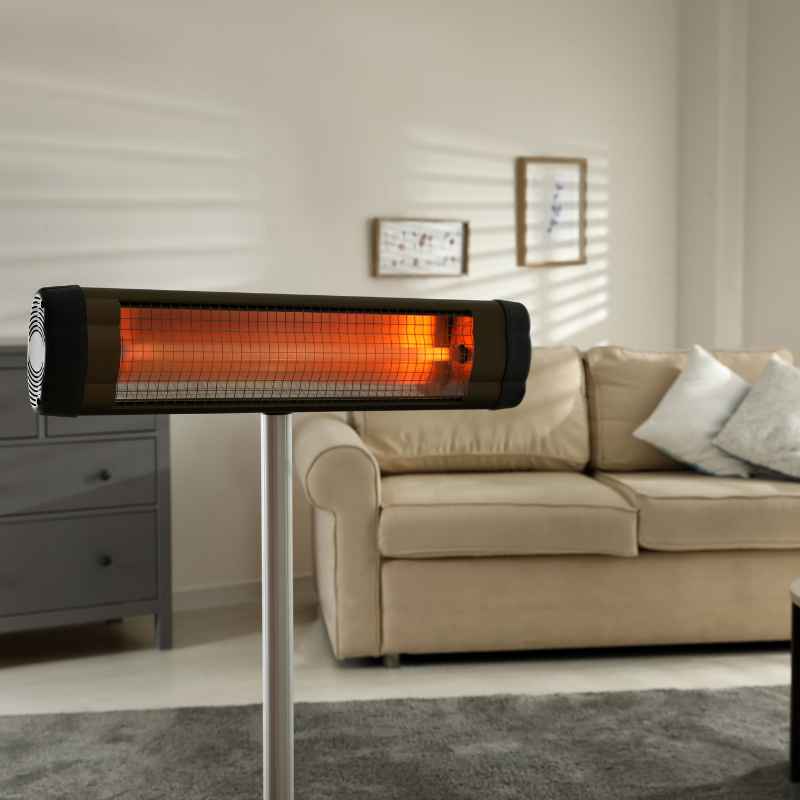
Infrared heat is a specific type of electromagnetic radiation. It’s on the light spectrum, but we can’t see it. We feel it as heat.
Your body gives off infrared heat. A campfire sends out infrared heat. This is what infrared heaters use to warm you up.
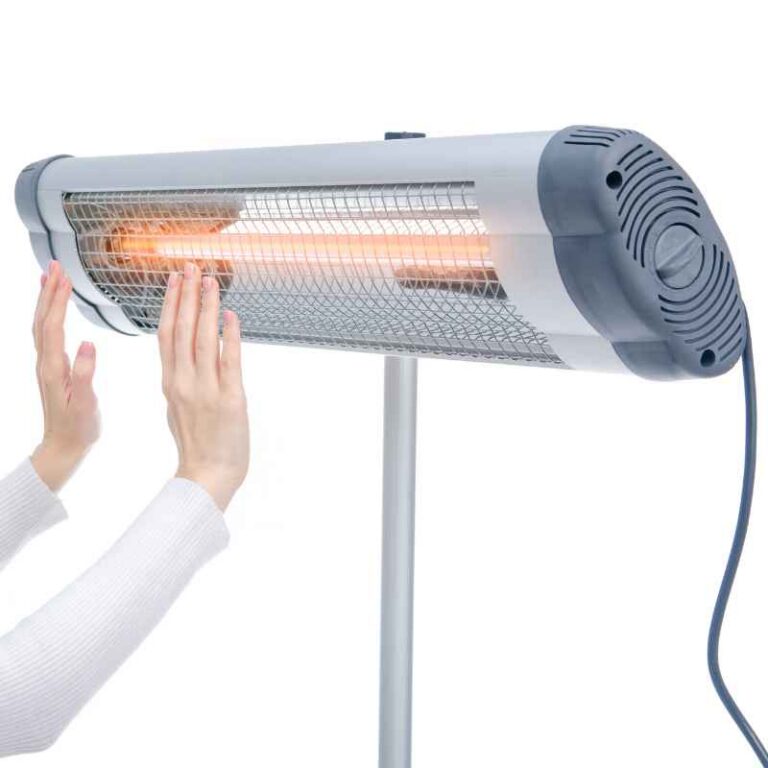
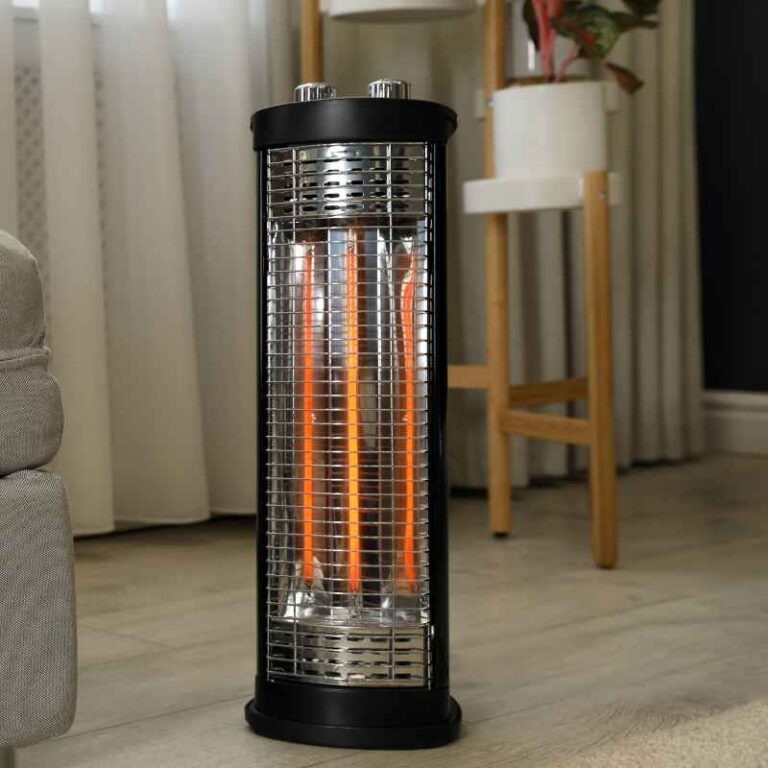
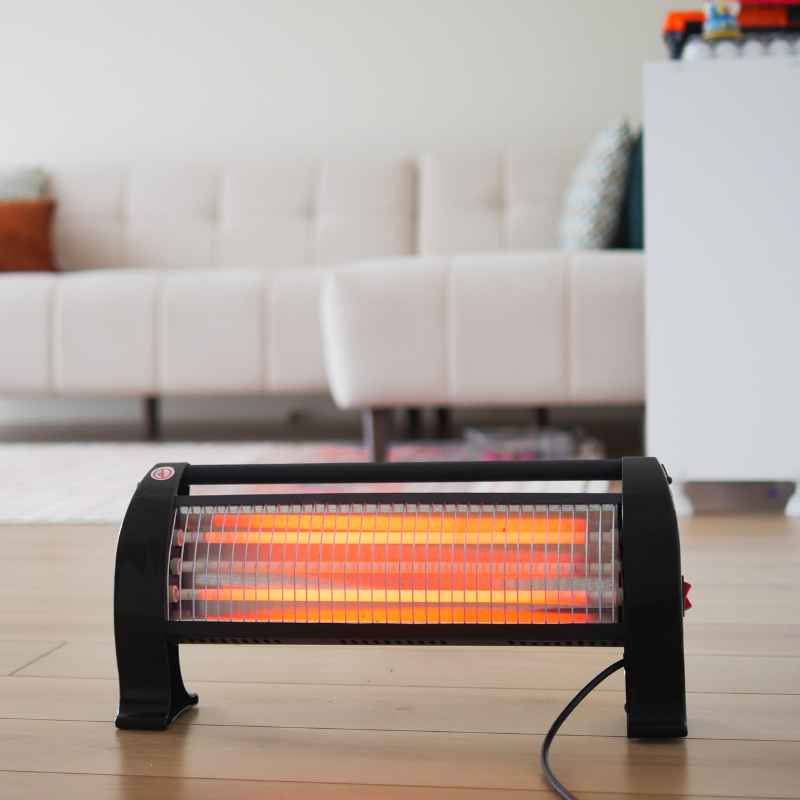
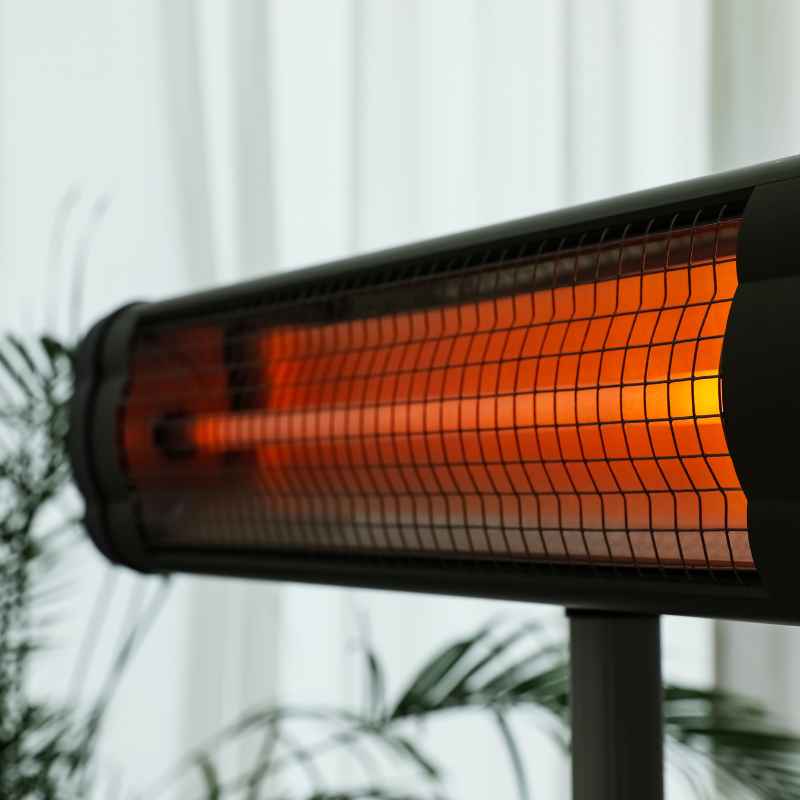
Infrared heaters have a heating element. This element gets hot and gives off infrared waves. These waves travel outwards.
When they hit something, like your skin or a chair, they make those things warmer. It feels like a direct warmth, not like the whole room is getting hot.
The Science Behind Infrared
Infrared radiation has different wavelengths. These are often broken into three groups: near-infrared, mid-infrared, and far-infrared. The type of infrared produced affects how deep it penetrates and how quickly it warms things.
Near-infrared waves are shorter. They can heat things quite quickly and deeply. Mid-infrared waves are a bit longer.
Far-infrared waves are the longest. These are gentler and warm surfaces slowly. Most home infrared heaters use far-infrared waves.
This is because they feel very natural and comfortable, like the warmth from the sun on a cool day.
Infrared Heat: Key Features
Direct Warming: Heats objects and people, not just air.
Comfortable Feel: Often described as a natural, sun-like warmth.
Faster Response: You feel the warmth almost instantly.
Less Air Movement: Doesn’t blow hot air around.
What is Radiant Heat?
Radiant heat is a broader term. It simply means heat that travels by waves. Infrared radiation is a form of radiant heat.
So, all infrared heaters are radiant heaters. But not all radiant heaters are strictly “infrared” in the way we often use the term for specific technologies.
Think of a hot piece of metal. It radiates heat. A fire radiates heat.
A light bulb radiates heat (though much of it is light). When we talk about radiant heaters, we usually mean devices designed to emit this wave-based heat. This can include things like:
- Electric Radiant Heaters: These use electric coils or panels to get hot and radiate heat. Many of these are infrared heaters.
- Gas Radiant Heaters: These burn gas to heat up tubes or panels. They then radiate that heat.
- Hot Water Radiant Systems: Pipes filled with hot water under floors or in walls radiate heat.
The key is that the heat travels in waves. It doesn’t rely on moving air to spread warmth. This means areas directly in the path of the waves get warm.
Areas out of the path stay cooler.
Radiant Heat in Action
Imagine standing in front of a fireplace. You feel warm, right? That’s radiant heat.
The flames and hot embers send waves of heat outwards. These waves hit you and make you feel warm. The air in the room might still feel cool, but you’re comfortable.
This is very useful. You can heat specific zones or spots without needing to heat the entire room or building. This can save energy.
It’s also good for places with drafts or high ceilings where heating the air is difficult.
Radiant Heat: What to Know
Broad Category: Includes many ways heat travels by waves.
Targeted Warmth: Heats objects and people directly.
Efficient for Zones: Good for heating specific areas.
No Air Drafts: Heat moves silently through waves.
Key Differences Summarized
So, what’s the main takeaway? Think of it like this: “Radiant heat” is the umbrella term. “Infrared heat” is a specific type under that umbrella.
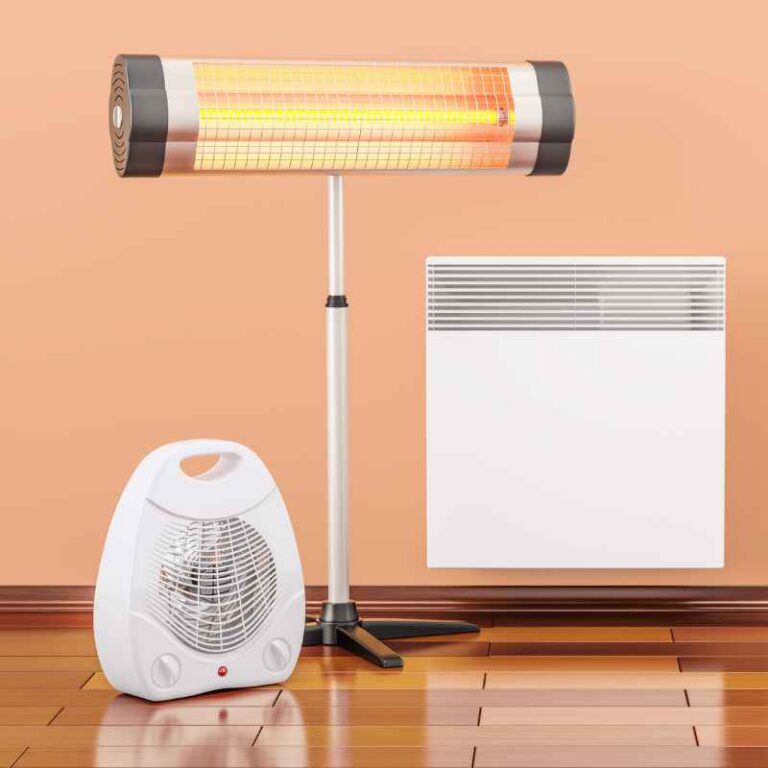
Most home heaters marketed as “infrared” are specifically designed to emit infrared waves for comfort. They often use special elements that focus on far-infrared. Heaters called “radiant” might use a broader spectrum or different heating methods, but they all transfer heat via waves.
Here’s a simple table:
| Feature | Infrared Heaters | Radiant Heaters (General) |
|---|---|---|
| Heat Transfer Method | Specific infrared waves (light spectrum) | Heat waves (any form) |
| Specificity | More specific technology | Broader category |
| Feel | Direct, sun-like warmth | Direct warmth on surfaces |
| Common Examples | Electric patio heaters, panel heaters | Fireplaces, radiant floor heating, some electric heaters |
My Own Experience with Radiant vs. Infrared
I remember when we first moved into our old house. It had those big, old-school baseboard heaters. They were convection heaters.
They warmed the air. But the corners of the rooms always felt chilly. And if you sat too close to the window, you felt a draft even when the heater was on.
Then, one winter, my husband bought an electric infrared patio heater. We weren’t sure if it would work well outside. But wow!
We could sit on the porch, even when it was 40 degrees, and feel really warm. It was like a little bubble of heat just for us. It didn’t try to warm the whole yard.
Later, we had some work done in our basement. The contractors installed radiant floor heating. Pipes with warm water run under the concrete.
It felt different from the patio heater. It was a gentler, more even warmth. The whole floor was warm.
It made the whole space feel cozy. It was a slower heat-up, but once it was warm, it stayed that way.
This taught me that while both use waves, the feel and application can be different. The patio heater gave instant, direct heat. The floor heating was a sustained, ambient warmth from below.
Both were effective, but for different needs.
Where You’ll Find These Heaters
Radiant and infrared heaters are used in many places. You see them in homes, offices, workshops, and even outdoors. Their ability to heat objects directly makes them very versatile.
Homes
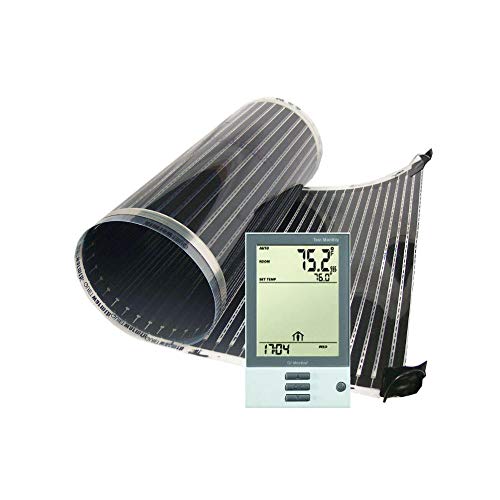
In homes, you might find electric infrared panel heaters on walls or ceilings. These are great for warming specific rooms or adding heat to areas that feel cold. They don’t dry out the air as much as some convection heaters.
Radiant floor heating is also popular in new builds or renovations. It offers a luxurious, even warmth.
Workshops and Garages
These are perfect spots for infrared heaters. You can point them at where people are working. This keeps them warm without wasting energy heating the whole large space.
Garages often have high ceilings or large doors. Heating the air is tough. Radiant heat works much better here.
Outdoor Spaces
Patios, decks, and restaurant outdoor seating areas often use infrared patio heaters. They extend the usability of these spaces into cooler weather. They create comfortable zones for people to gather without having to go inside.
Commercial Spaces
Some stores use radiant panels to keep customers comfortable. Waiting areas or specific work zones in offices can also benefit. It’s a good way to provide warmth where it’s needed most, without high energy bills.
Common Heater Types
Infrared Panel Heaters
Use: Room heating, supplemental heat.
Placement: Wall or ceiling mounted.
Feel: Gentle, even warmth.
Infrared Patio Heaters
Use: Outdoor spaces, workshops.
Placement: Freestanding or mounted.
Feel: Direct, quick warmth.
Radiant Floor Heating
Use: Whole-home or room heating.
Placement: Under floors.
Feel: Smooth, pervasive warmth from below.
Gas Radiant Tube Heaters
Use: Warehouses, garages, covered patios.
Placement: Suspended from ceiling.
Feel: Intense heat in a direct line.
Choosing the Right Heater for You
So, how do you decide? It depends on what you need to heat and how you want to feel warm.
Consider the Space
If you need to heat a specific zone, like your desk area in a large room, an infrared heater is a great choice. You can aim it right at you. If you want to warm up your entire basement or a workshop, a larger infrared heater or even a gas radiant heater might be better.
Think About the Feel
Do you like that instant, direct warmth like standing in the sun? Infrared is probably what you’re looking for. Do you prefer a more subtle, all-over warmth that rises from the floor?
Radiant floor heating would be ideal, though it’s a more permanent installation.
Energy Efficiency
Both types can be energy efficient when used correctly. Radiant and infrared heaters heat objects, not just air. This means you can often set your thermostat lower and still feel comfortable.
They also respond quickly, so you only use heat when you need it.
For example, heating a garage with a convection heater means you run it for hours to get it barely warm. With an infrared heater, you turn it on, and in minutes, you feel the warmth where you are. This saves a lot of energy.
Installation
Some infrared heaters are plug-and-play. You just set them up and plug them in. Others, like wall or ceiling panels, require a bit more installation.
Radiant floor heating is a major renovation. It involves installing pipes under your flooring.
Quick Decision Guide
- Need quick, direct heat? Infrared patio heater or portable infrared heater.
- Want subtle, even room warmth? Infrared panel heater (wall/ceiling mount).
- Desire comfortable floors and ambient heat? Radiant floor heating (major installation).
- Heating large, open spaces like garages? Larger infrared or gas radiant tube heaters.
Safety First
Like any heating device, safety is important. Always follow the manufacturer’s instructions for installation and use.
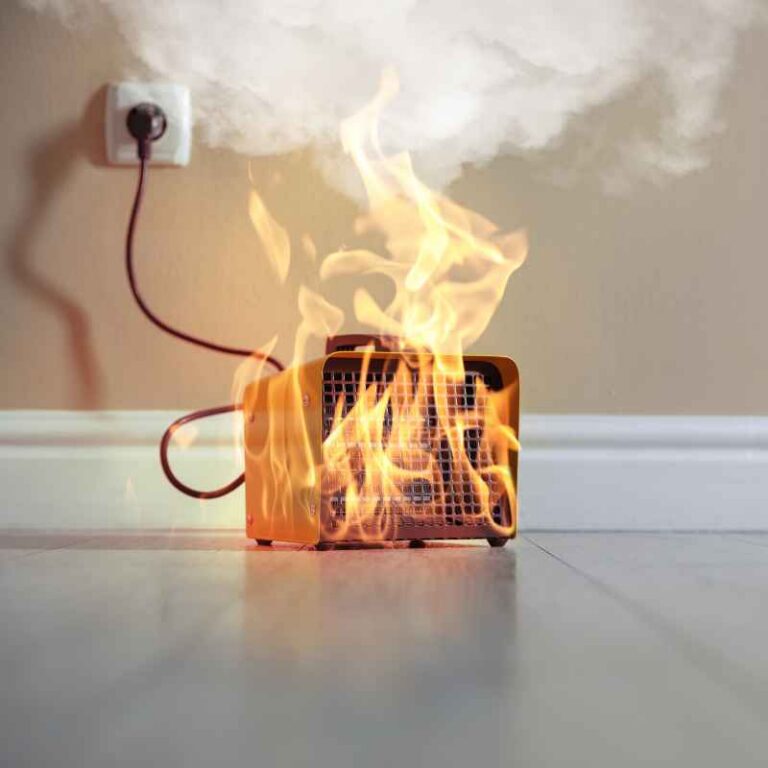
Keep flammable materials away from the heater. Ensure there’s enough space around it for air circulation, even though they don’t blow air like convection heaters. Some infrared heaters get very hot to the touch, so be mindful of children and pets.
For gas radiant heaters, ensure proper ventilation is installed. Carbon monoxide is a risk with any gas appliance. Never use them in a completely sealed space without proper vents.
When Radiant or Infrared Might Not Be Ideal
While great for many situations, these heaters aren’t always the best fit.
Heating a Whole House with Drafts
If you have an older home with very leaky windows and doors, relying solely on radiant or infrared heat might be tough. They don’t heat the air effectively, which is what might be escaping. A good combination of radiant heat for comfort and convection to keep the air warm could be better.
Very High Ceilings and Large Open Spaces (without zoning)
While they can heat large spaces, if you don’t zone them properly, you might find you’re still using a lot of energy. A huge warehouse might need a different approach than just pointing a few heaters. You need to think about how the waves will spread and if they’ll reach where people are.
When You Need Air Movement
Some people prefer the feeling of moving air from a fan heater. Radiant and infrared heat is silent and still. If you like that airflow, these might not be your first choice.
Frequently Asked Questions
Are infrared heaters safe for pets?
Infrared heaters are generally safe for pets. They heat objects directly, not the air. However, like with children, ensure pets don’t stay in direct contact with the hot surfaces for extended periods.
Some heaters can get quite warm. Always follow manufacturer guidelines and provide a safe distance.
Can infrared heaters dry out the air?
No, infrared heaters typically do not dry out the air. Unlike convection heaters that heat and circulate air, infrared heaters warm objects. This means they don’t significantly impact the humidity levels in a room.
This is a benefit for many people.
Is radiant floor heating expensive to install?
Yes, radiant floor heating is generally expensive to install. It involves significant work, like installing tubing under your flooring. It is often best suited for new home construction or major renovations.
The long-term energy savings can offset some of the initial cost.
Do infrared heaters use a lot of electricity?
The electricity usage of an infrared heater depends on its wattage and how long it’s used. However, they can be very energy-efficient for spot heating. Because they heat objects and people directly and quickly, you often don’t need to run them as long as other types of heaters to feel comfortable.
What’s the difference between ‘radiant’ and ‘infrared’ in a product description?
When you see “radiant” alone, it means the heater transfers heat by waves. When you see “infrared,” it means the waves are specifically in the infrared part of the light spectrum, which is what we feel as heat. Most modern heaters marketed as “radiant” also use infrared technology.
Can I use an indoor infrared heater outdoors?
It’s generally not recommended to use indoor-specific infrared heaters outdoors. Outdoor heaters are built to withstand different weather conditions. Indoor models may not be designed for rain, wind, or temperature fluctuations, which could damage the unit or be unsafe.
Final Thoughts
Understanding the difference between infrared and radiant heaters is all about the specifics. Radiant is the broad category of wave heat. Infrared is a specific type of wave heat that we feel.
Both offer comfortable, direct warmth. They can be very efficient for targeting heat where you need it most.
Sponsored / affiliate links. As an Amazon Associate I earn from qualifying purchases. I may earn additional commission from eligible campaigns.