Electric Vs Natural Gas Vs Propane Outdoor Heaters: Best Pick
It’s that wonderful time of year again. The leaves are turning, there’s a crispness in the air, and you’re dreaming of cozy evenings spent on your patio. But as the sun dips below the horizon, so does the temperature.
You want to extend those outdoor moments, but the chill sends you scurrying inside. You’ve thought about getting an outdoor heater. But then you hit a wall of options: electric, natural gas, or propane.
Which one is best for you? It’s a common puzzle, and honestly, it can feel a bit overwhelming trying to figure out the real differences and what will actually work. Let’s break it down together.
The best outdoor heater depends on your specific needs, budget, and patio setup. Electric heaters offer convenience and ease of use for smaller spaces. Natural gas provides a continuous, cost-effective heat source if you have a gas line. Propane heaters offer portability and good heat output but require tank refills. Consider heat coverage, installation, fuel costs, and environmental impact when choosing.
Understanding Outdoor Heater Types
Outdoor heaters are designed to keep us comfortable when the weather turns cool. They do this by creating warmth. But how they create that warmth, and what fuels them, changes a lot.
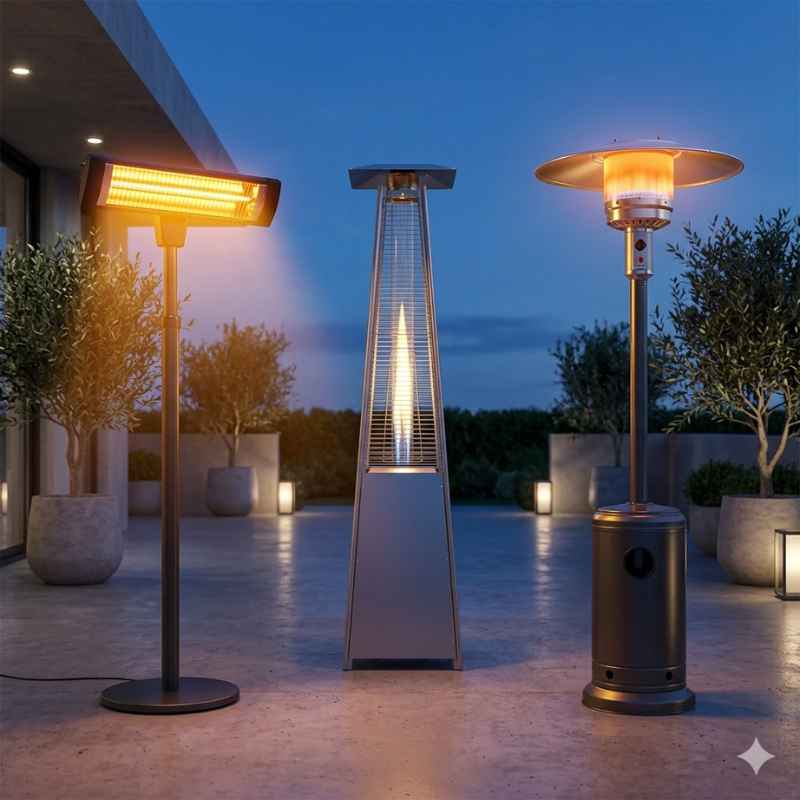
We have three main players: electric, natural gas, and propane. Each has its own way of working. Each also has its own set of pros and cons that matter to homeowners.
Electric Outdoor Heaters
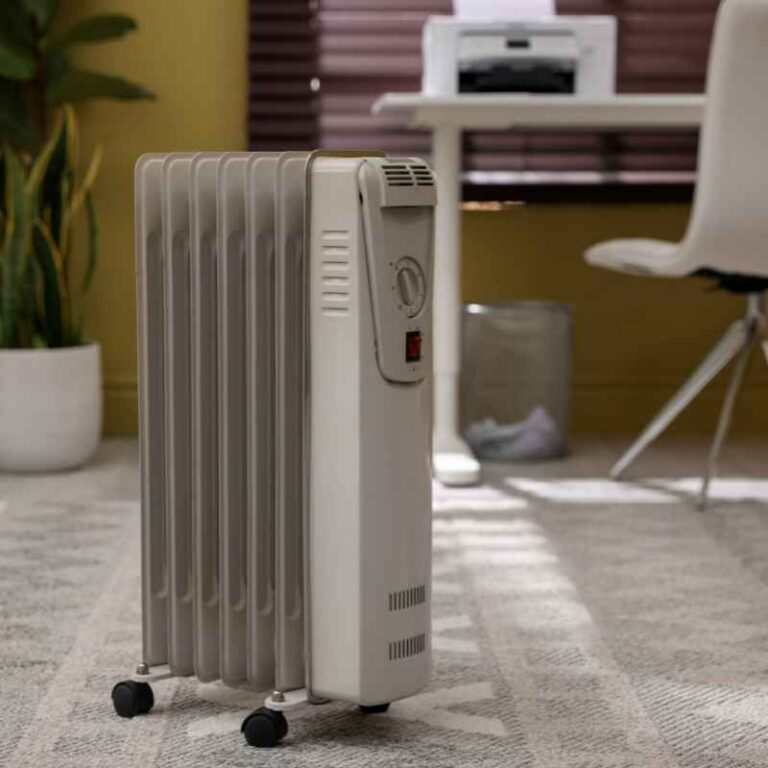
Electric heaters are the simplest. They plug into an outlet. Then, they use electricity to generate heat.
Think of a toaster or a space heater, but built for the outdoors. They often use infrared heat. This heat warms objects and people directly, not just the air.
They are great for smaller areas.
These are often called patio heaters or infrared heaters. They don’t burn anything. This means no fumes or combustion byproducts.
They are usually quiet. Installation is super easy. Just plug them in.
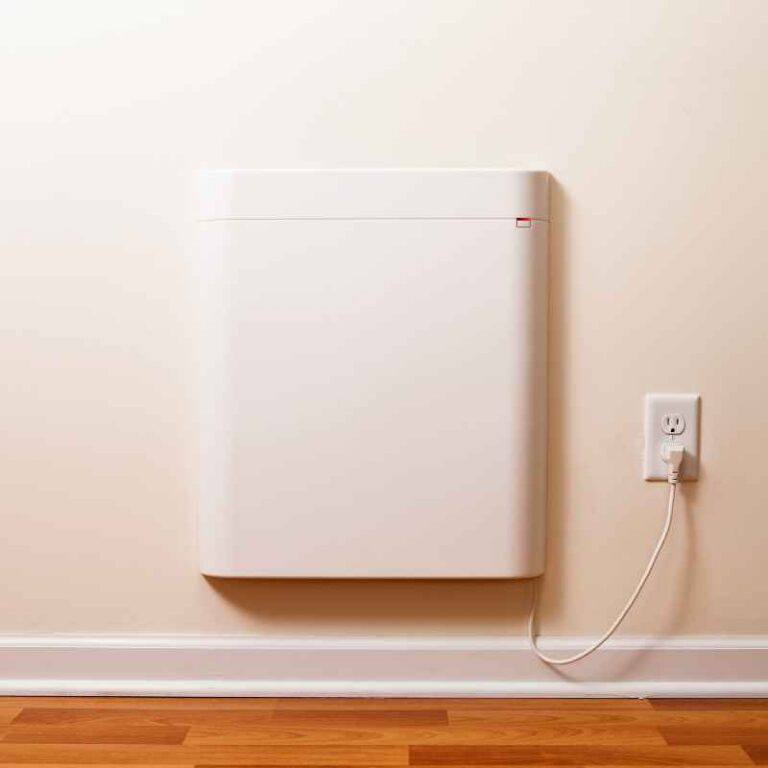
Some can be mounted on walls or ceilings. Others stand on their own. Many are quite stylish, too.
They fit well with modern outdoor decor. The heat they give off feels pleasant and direct. It’s like basking in sunshine.
However, electric heaters need power. They can increase your electricity bill. Their heating range is usually limited.
This makes them best for smaller decks or intimate seating areas. You also need an outdoor-rated electrical outlet nearby. Or, you might need an extension cord.
Always make sure any cord is heavy-duty and safe for outdoor use. Heavy rain or snow could be a concern for some models. Always check the manufacturer’s rating.
They are often more energy-efficient for targeted heating than trying to warm a large open space.
Natural Gas Outdoor Heaters
Natural gas heaters are a popular choice. This is because they connect to your home’s existing natural gas line. This is the same gas that powers your furnace or stove.
This means no refilling tanks. The heat is continuous as long as the gas is on. They are very cost-effective over time.
The heat from natural gas heaters is usually strong and consistent. They can warm larger areas. Many models are permanent fixtures.
They might be mounted on a wall or stand as a column. Installation requires a professional. A gas line needs to be run to the desired location.
This can be a significant upfront cost. But once installed, the running cost is low.
The main drawback is that they are not portable. You can’t easily move them around your yard. Also, you must have natural gas service to your home.
Not all homes have this. The installation process can be complex and costly. Safety is also a big factor.
You need to ensure proper ventilation. You must also check for gas leaks regularly. It’s a permanent setup for a permanent heating solution.
Propane Outdoor Heaters
Propane heaters are very common. They run on propane gas stored in portable tanks. These are the tanks you often see at hardware stores.
They are similar to natural gas heaters in terms of heat output. They can warm large areas well. Propane gives off a good amount of heat.
This makes them effective even on colder nights.
Their biggest advantage is portability. You can move them around your patio or deck. You can even take them camping.
Setup is generally easy. Just connect the tank and turn it on. You don’t need a gas line.
This makes them a good option if natural gas isn’t available. They are also usually less expensive to buy upfront than natural gas models.
The main downside is the propane tanks. You have to buy the tanks. Then you have to refill them.
This means tracking fuel levels. Running out of propane mid-party is never fun. Refills cost money.
And you need to store extra tanks safely. Propane also produces some emissions. It’s a fossil fuel.
Some people are sensitive to the smell. The tanks can also be heavy and cumbersome.
Personal Experience: The Patio Party Predicament
I remember one chilly autumn evening a few years back. My husband and I were hosting a small get-together. We’d planned it for weeks.
The food was ready. The music was set. But as the sun went down, a surprisingly sharp wind picked up.
Suddenly, our guests were huddled in jackets. The mood started to shift from festive to frosty. I felt that familiar pang of host-guilt.
I’d forgotten to consider the evening temperature dip.
We had a small electric heater that worked okay for a few people sitting close. But it just wasn’t enough to warm the whole patio. I remember looking over at our neighbor’s yard.
They had a tall, column-style heater glowing. It looked so inviting. The heat seemed to spread out perfectly.
My husband suggested we run to the store. But it was already getting late. The thought of finding a suitable heater, getting it home, and setting it up in the dark felt like a losing battle.
We ended up retreating inside, and the outdoor party fizzled out. It was a stark lesson in planning for the elements and understanding the heating options available for outdoor spaces. That night taught me that an outdoor heater isn’t just a nice-to-have; it can be a party-saver!
Heat Coverage: How Far Does the Warmth Reach?
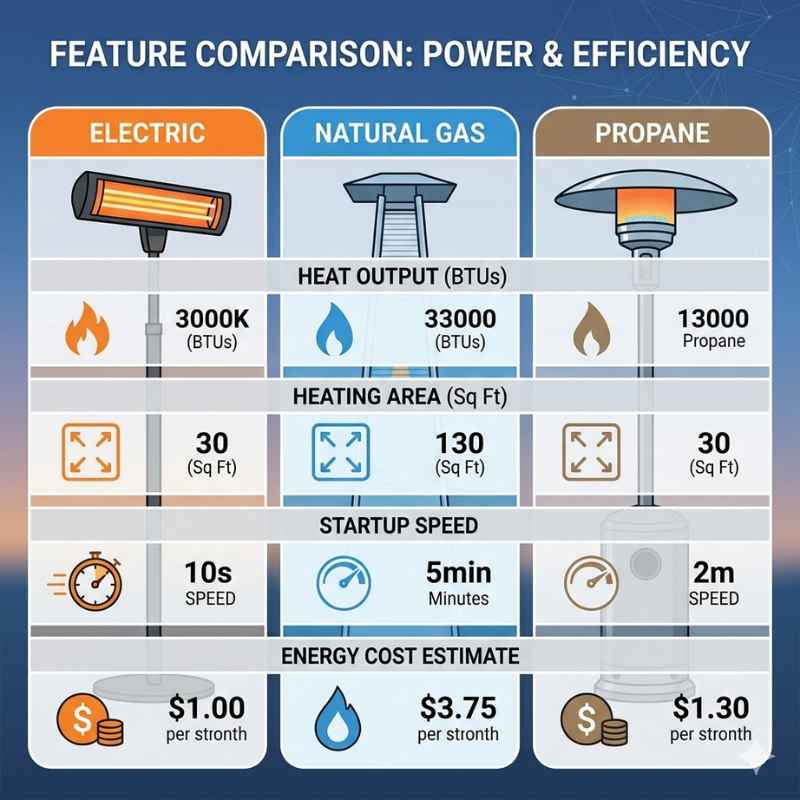
Electric Heaters: Best for targeted warmth. Think of it like a personal spotlight of heat. Good for small decks or seating areas for 2-4 people.
Up to about 100 sq ft.
Propane Heaters: Can cover a good area. Many standing models can warm a circle of about 10-15 feet. Suitable for medium to large patios.
Up to about 200 sq ft.
Natural Gas Heaters: Similar to propane, often designed for larger areas. Can effectively heat patios of 200 sq ft or more, especially if multiple units are installed.
Cost of Ownership: What You’ll Spend
When you’re thinking about an outdoor heater, the upfront price is just one part of the story. You also have to think about what it costs to run them. This is where things can get quite different.
Your budget for fuel is a big factor.
Upfront Costs
Electric heaters can range from about $100 for a basic portable model to $500 or more for a stylish wall-mounted unit. They are generally the cheapest to buy initially. Propane heaters also start around $150 for a simple freestanding model.
High-end or designer propane heaters can go up to $800. Natural gas heaters are often the most expensive to buy. Simple models might be $300, but permanent installations can cost $1,000 to $3,000 or more, including the gas line setup.
So, electric is cheapest to buy, while natural gas is often most expensive.
Fuel and Running Costs
This is where natural gas shines for long-term savings. If you have natural gas, the cost per unit of heat is usually the lowest. A cubic foot of natural gas is very cheap.
Propane costs more per unit of heat. You’ll need to buy propane tanks. A 20lb tank typically costs $20-$30 to refill.
How long it lasts depends on the heater’s BTU (British Thermal Unit) output and how high you run it. It might last 8-12 hours. Electric heaters use electricity.
The cost varies by your local utility rates. For a 1500-watt heater running for an hour, it could cost $0.15-$0.30, depending on your plan. While electric might seem cheap per hour, if you use it a lot, the total electricity bill can add up.
For frequent use on large patios, natural gas is typically the most economical to run.
Fuel Cost Comparison (Estimates per Hour)
Natural Gas: ~$0.10 – $0.30 (Highly dependent on local gas prices)
Propane: ~$0.50 – $1.00 (Dependent on tank refill cost and heater efficiency)
Electric: ~$0.15 – $0.30 (Dependent on local electricity rates and heater wattage)
Note: These are rough estimates. Actual costs will vary.
Installation and Portability: Where Will it Go?
Where you want to put your heater, and if you want to move it, is a big decision. It changes which type makes the most sense for your setup. Think about your outdoor living space.
Installation Needs
Electric heaters are plug-and-play. You need a working outdoor electrical outlet. Or, you might need to run an extension cord.
Some wall-mounted units require minor assembly. Propane heaters are also easy to set up. You connect the propane tank.
That’s usually it. Natural gas heaters are the most involved. They require professional installation.
A licensed plumber or gas technician needs to run a gas line from your house. They will also connect the heater securely. This can take time and money.
Portability Factor
Electric heaters vary. Some are fixed. Others have wheels or are light enough to move.
But you always need to be near an outlet. Propane heaters are generally very portable. You can easily wheel them around your yard.
You can store them when not in use. This is a major plus for many people. Natural gas heaters are almost never portable.
They are designed to be fixed in one spot. This makes them great for a dedicated patio area. But you can’t easily move them for different party setups.
Quick-Scan Comparison: Installation & Portability
| Heater Type | Installation Effort | Portability |
| Electric | Low (Plug-in) | Medium (Needs outlet) |
| Propane | Very Low (Connect tank) | High (Wheeled) |
| Natural Gas | High (Professional install) | None (Fixed) |
Environmental Impact and Safety
We all want to enjoy our outdoor spaces responsibly. Thinking about how these heaters affect the environment and safety is important. They all have different profiles.
Environmental Considerations
Electric heaters are the cleanest at the point of use. They don’t burn fuel, so they don’t produce emissions. However, the electricity they use might come from fossil fuels.
This depends on your local power grid. Propane and natural gas are fossil fuels. Burning them releases carbon dioxide and other greenhouse gases.
Propane also produces more carbon monoxide than natural gas. Modern heaters are designed to be efficient. But they still have an environmental footprint.
Some people prefer the lower direct impact of electric heaters.
Safety Aspects
All outdoor heaters require care. Electric heaters have electrical cords. These need to be outdoor-rated and checked for damage.
They also get hot. Propane and natural gas heaters involve flames. They produce heat and require good ventilation.
You must ensure they are on a stable surface. Always check for gas leaks. Follow the manufacturer’s instructions.
Keep children and pets away. Never leave them running unattended. Natural gas is generally considered safer than propane.
It is less volatile. But both need careful handling. Local fire codes might also apply to permanent installations.
Real-World Context: When to Use Each Type
Let’s look at some typical scenarios. This helps clarify which heater might fit best for your home and lifestyle.
Scenario 1: Small Balcony or Cozy Nook
Imagine a small apartment balcony or a cozy corner of your deck. You only need to warm a couple of chairs. An electric heater is perfect here.
You can plug it into an outdoor outlet. It won’t take up much space. The heat is focused.
You don’t need to worry about large fuel tanks. It’s simple, efficient, and safe for tight spaces.
Scenario 2: Large Patio for Entertaining
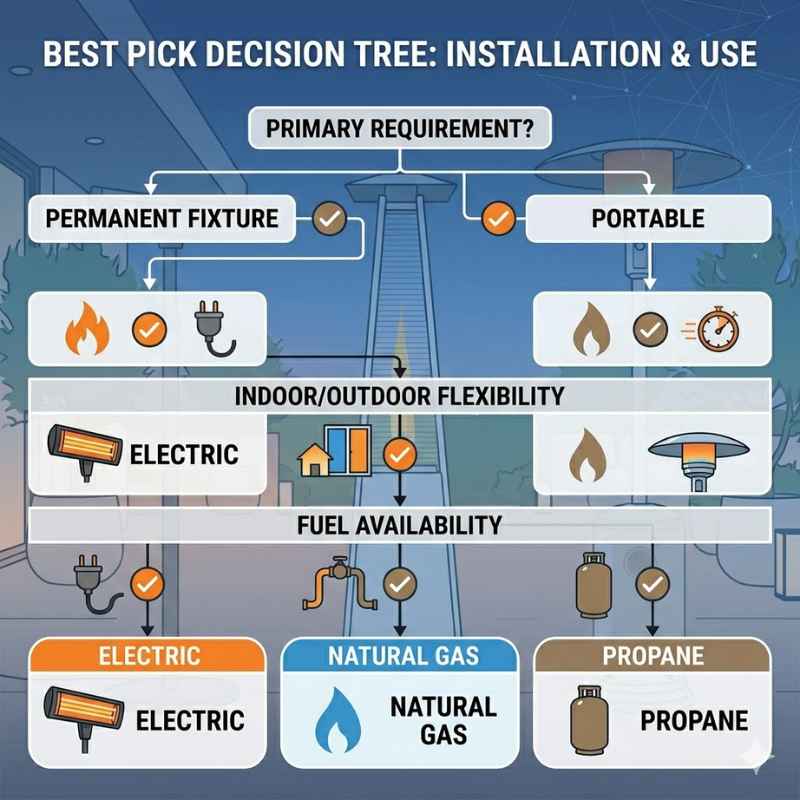
If you love hosting big parties on a spacious patio, natural gas or propane are likely your best bets. Natural gas is ideal if you have a gas line and want a permanent, cost-effective solution. You can install one or two powerful heaters to cover the whole area.
If you don’t have gas, or want flexibility, propane is excellent. A couple of propane towers can keep a large group comfortable for hours. You just need to swap tanks when one runs low.
Scenario 3: Deck with No Gas Line and Need for Portability
You have a beautiful deck but no natural gas line. You also like to move your seating around. Or maybe you want to take a heater out to the yard.
Propane is the clear winner here. The tanks are easy to manage. You can move the heater wherever you need warmth.
It gives you flexibility that the other types can’t match. It’s a good all-around choice for many homes.
Choosing Based on Your Space
Small Area (e.g., Balcony, Intimate Seating): Electric is ideal. It’s convenient and safe.
Medium to Large Patio (Fixed Location): Natural Gas is excellent for consistent, low-cost heat if available.
Medium to Large Patio (Flexible or No Gas): Propane is the best portable option.
Need to Move Heater Often: Propane is your go-to.
What This Means for Your Outdoor Comfort
Deciding on an outdoor heater impacts more than just your wallet. It affects how you use your outdoor space. Think about the seasons.
Do you want to dine al fresco in spring and fall? Do you want to watch the stars on a cool summer night? An outdoor heater can make that possible.
When is it Normal to Need a Heater?
In most parts of the U.S., temperatures drop significantly after sunset, even in summer. Spring and fall evenings can be quite cool. If your average evening temperature in these seasons is below 60°F (16°C), an outdoor heater is very useful.
For regions with colder winters, a heater can extend the usable time on your patio by months.
When Should You Be Concerned?
You shouldn’t have to worry much with proper use. The main concerns are safety. Ensure any heater you choose is approved for outdoor use.
Always follow the safety guidelines. If you notice strange smells, flickering flames, or if a heater seems damaged, turn it off immediately. For natural gas, any suspected leaks require professional attention.
Don’t try to fix gas lines yourself.
Simple Checks Before You Buy
Before you spend money, think about these simple checks. First, do you have an outdoor outlet for electric? Or space for a propane tank?
Second, do you have a natural gas line, or would installing one be worth it? Third, how big is the area you want to heat? Measure it.
Fourth, what’s your budget for the heater itself and for fuel? These questions will guide you to the right choice.
Heater Buying Checklist
1. Heat Area Size: Measure your patio or deck.
2. Fuel Source: Check for electrical outlets or gas lines.
3. Budget: Consider purchase price and running costs.
4. Portability Needs: Do you need to move it?
5. Installation: Are you comfortable with DIY or need a pro?
6. Safety Features: Look for auto shut-off, stable bases.
Quick Tips for Using Your Outdoor Heater
Once you have your heater, using it wisely makes a big difference. Here are some easy tips.
- Placement is Key: Position your heater to directly warm seating areas. Avoid placing it too close to walls or flammable materials.
- Use Windbreaks: If your patio is windy, consider screens or plants. This helps the heat stay in the area.
- On-Demand Use: Turn heaters on only when you need them. This saves fuel and money.
- Regular Maintenance: Clean your heater periodically. Check connections and fuel levels.
- Safety First: Always supervise the heater when it’s on. Keep flammable items away.
- Understand BTUs: Higher BTUs mean more heat. Match the BTU output to the size of your space.
Frequent Questions About Outdoor Heaters
Is an electric patio heater safe for covered patios?
Yes, many electric patio heaters are designed for covered patios. Always check the manufacturer’s specifications. They will state if it’s safe for indoor or covered outdoor use.
Ensure there is enough clearance from the ceiling and walls. Also, make sure it is rated for outdoor conditions like humidity.
How much propane does a patio heater use?
A standard 20lb propane tank can power most patio heaters for about 8 to 12 hours. This depends on the heater’s BTU output and how high you set the flame. Higher heat settings use propane faster.
Running it on a lower setting for longer periods is more efficient.
Can I use a natural gas heater indoors?
Absolutely not. Natural gas heaters are designed for outdoor use only. They produce combustion byproducts that require open-air ventilation. Using them indoors can lead to carbon monoxide poisoning.
Always follow manufacturer guidelines and local building codes.
What’s the difference between infrared and convection heaters for outdoors?
Infrared heaters work like the sun. They heat objects and people directly in their path. They are often more efficient for targeted warmth.
Convection heaters warm the air. They are better for heating enclosed spaces. For outdoor use, infrared is usually preferred for its direct heating effect.
How do I know if my outdoor heater is working efficiently?
You should feel consistent warmth. The flame (for gas heaters) should be steady. For electric heaters, the elements should glow evenly.
If the heat feels weak or uneven, check your fuel source. For gas, ensure the tank is full. For electric, check your power source.
Also, make sure it’s not too windy. Wind can blow heat away.
Is it cheaper to heat my patio with natural gas or propane?
Over the long term, natural gas is generally cheaper to run. The cost per unit of heat is usually lower for natural gas than for propane. However, the upfront cost of installing a natural gas line and heater can be much higher than buying a propane heater.
For ongoing costs, natural gas wins.
Can I use an extension cord for an electric patio heater?
Only use heavy-duty, outdoor-rated extension cords specifically designed for the amperage and wattage of your heater. Check the heater’s manual for recommendations. Improper cords can overheat, melt, or cause a fire.
It’s always best to use a dedicated outdoor outlet if possible.
Final Thoughts on Choosing Your Heater
Choosing the right outdoor heater is about matching it to your lifestyle. Think about how you use your patio. Consider your budget, both for buying and running it.
Safety and ease of use are also big factors. Whether you pick the simple convenience of electric, the endless supply of natural gas, or the portable power of propane, you’ll soon be enjoying your outdoor space longer. Happy heating!
Sponsored / affiliate links. As an Amazon Associate I earn from qualifying purchases. I may earn additional commission from eligible campaigns.