Are There Any Real Dangers From Using Infrared Heaters?
Understanding the real dangers of using infrared heaters means you can enjoy their warmth without worry. This article covers safety tips, common concerns, and how to identify risks so you can use your heater with confidence and peace of mind.
What Are Infrared Heaters and How Do They Work?
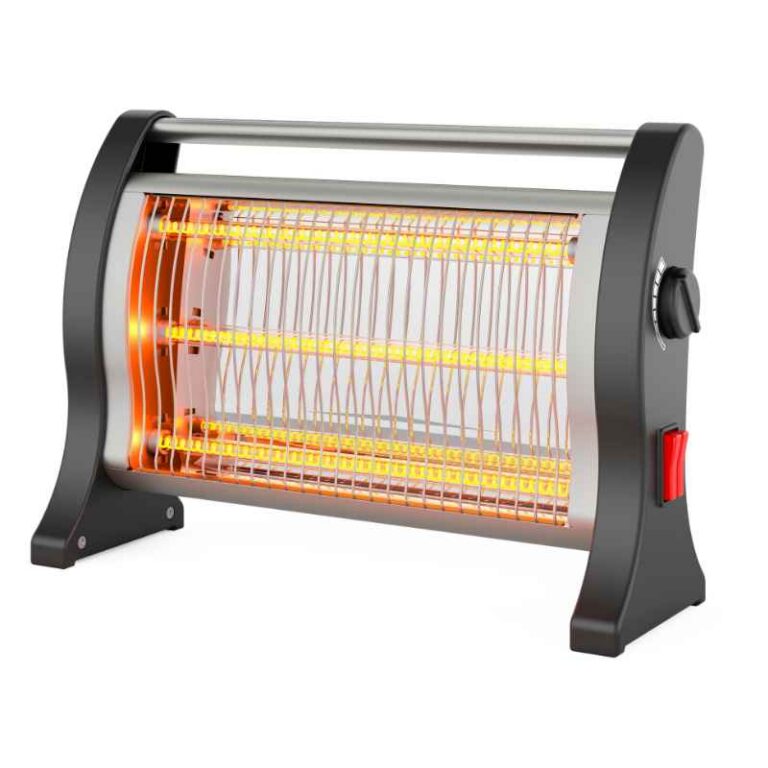
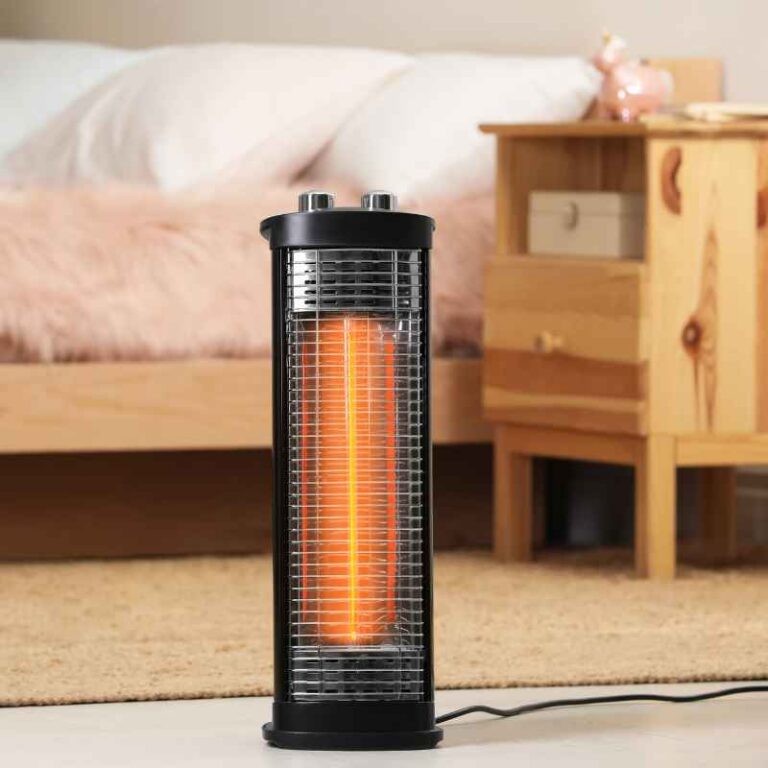
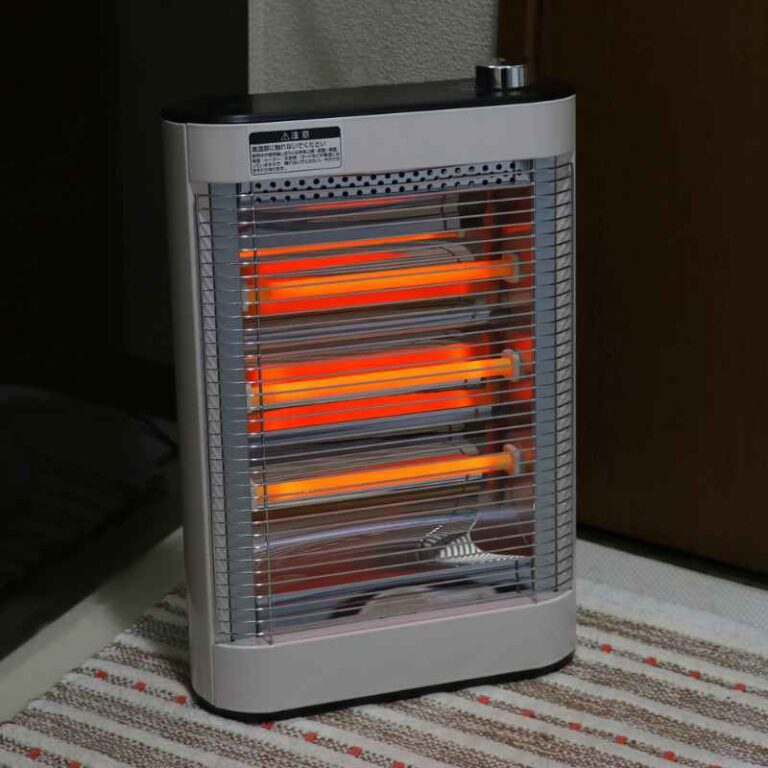
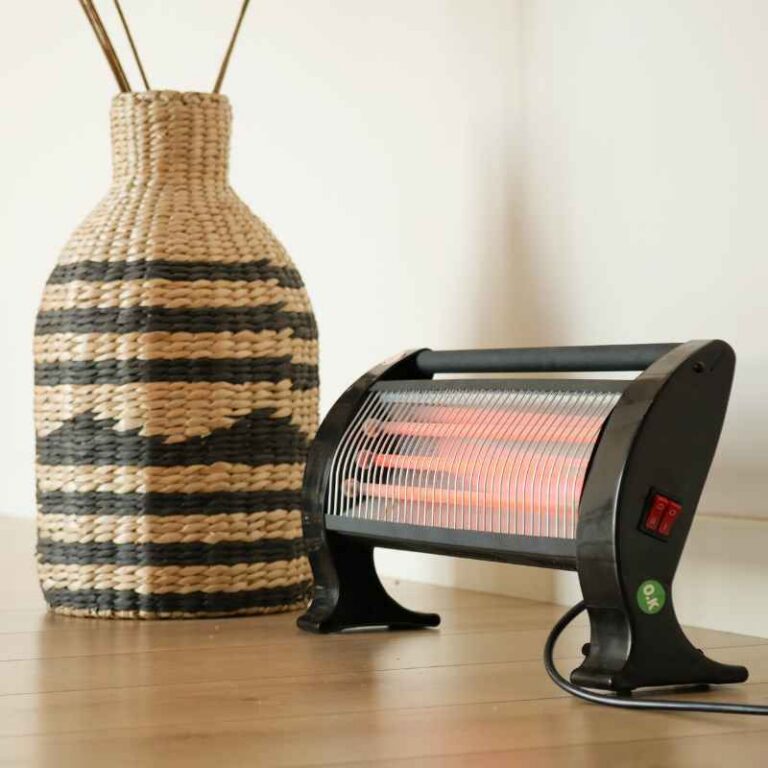
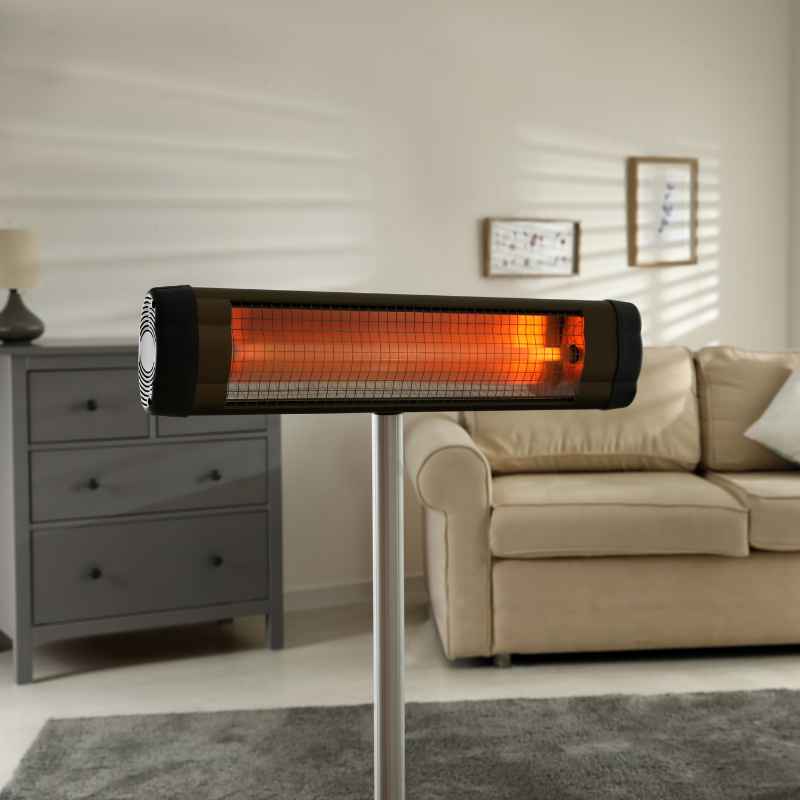
Infrared heaters are a type of electric heater. They work by sending out infrared radiation. This radiation travels through the air.
When it hits an object, like your skin or furniture, it turns into heat. It’s similar to how the sun warms your face on a cool day. This is different from typical heaters.
Those heaters warm the air first. Then the warm air spreads around the room. Infrared heaters heat objects directly.
This makes them feel warm almost instantly.
There are a few main types of infrared heaters. Some are called radiant panel heaters. Others are quartz or ceramic heaters.
They all use the same basic idea. They get hot and send out infrared waves. These waves are safe for us to feel.
They don’t produce light you can see. They also don’t make noise. This is why many people prefer them for quiet spaces.
The intensity of the heat depends on a few things. The wattage of the heater is important. The distance from the heater matters too.
Also, the material of the object being heated plays a role. Metal heats up faster than wood, for example. Most people find the heat pleasant and direct.
My Own Brush with Heater Heat: A Cautionary Tale
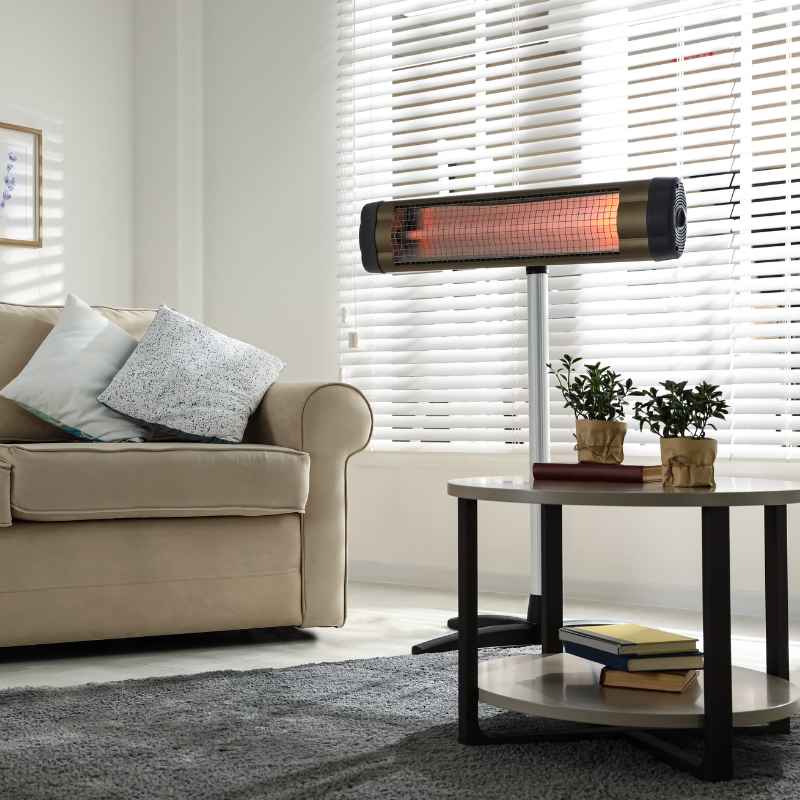
I remember one winter evening. I was trying to set up a new infrared patio heater. It was cold outside.
I wanted to test it before guests arrived. I plugged it in and it roared to life. The heat felt amazing.
I was standing a bit too close. My arm was just inches from the glowing element. I was focused on adjusting its position.
I didn’t notice my sleeve getting really hot. Suddenly, I felt a sharp sting. I pulled my arm back fast.
My jacket sleeve had a small scorch mark. Thankfully, it was just the sleeve. It could have been worse.
That moment really made me think about how powerful these heaters are. Even a small mistake can cause a problem.
It was a real wake-up call. I learned that day that even with safe technology, you must pay attention. You can’t just set it and forget it.
I now make sure everyone knows where the safe zones are. I always keep flammable things far away. It’s easy to get comfortable and forget.
But these devices produce real heat. That heat can damage things if not managed right.
Potential Dangers: What to Watch Out For
While infrared heaters are generally safe, they aren’t without risks. Like any electrical appliance that generates heat, there are things to be aware of. The main concerns usually involve heat, electricity, and placement.
Understanding these can help prevent accidents.
One big concern is fire risk. If something flammable gets too close to the heater, it can catch fire. This is true for most heat sources.
Things like curtains, blankets, paper, or even certain plastics can ignite. You must keep these items a good distance away. The manual for your heater will tell you the safe distance.
Always follow that advice.
Another issue can be burns. The heating elements get very hot. Some heaters have protective grates.
But touching the element directly can cause a serious burn. This is especially a risk for children and pets. They might not understand the danger.
Supervise them closely around any heater.
Electrical safety is also key. Make sure the heater is plugged into a proper outlet. Do not use extension cords if you can avoid it.
If you must use one, make sure it’s heavy-duty. It should be rated for the heater’s wattage. Damaged cords or plugs can cause shocks or fires.
Always inspect the cord before use.
Overheating of the unit itself is a possibility. This can happen if the air vents are blocked. Or if the heater is used for too long without a break.
Some models have safety features like auto-shutoff. But not all do. Ensure good airflow around the heater.
Finally, some people have concerns about the infrared radiation itself. However, the infrared waves produced by these heaters are generally considered safe. They are non-ionizing.
This means they don’t damage DNA. They are similar to the heat you feel from the sun or a campfire. The primary danger is the heat, not the rays themselves.
Safety First: Quick Checklist
- Clearance: Keep flammable items at least 3 feet away.
- Placement: Set on a flat, stable surface. Don’t block vents.
- Supervision: Watch children and pets closely.
- Cord Check: Ensure the cord is in good condition.
- Unplug: Always unplug when not in use or when cleaning.
Understanding “Safe Heat” vs. “Dangerous Heat”
It’s important to know the difference between the intended warmth of an infrared heater and dangerous levels of heat. Infrared heaters are designed to produce radiant heat. This heat feels warm and pleasant on the skin.
It can heat objects in its path. This is the desired effect for comfort.
Dangerous heat occurs when this intended warmth becomes uncontrolled. This can lead to burns, fires, or damage to property. It happens when the heater is too close to flammable materials.
It can also happen if the heater malfunctions. Or if it’s used in a way it wasn’t designed for.
For example, feeling warm when you’re a few feet away is normal. Feeling an intense, burning sensation means you are too close. Seeing smoke or smelling burning plastic is a major danger signal.
These are signs the heater is too hot or too close to something that is burning.
The surface of the heater itself can get very hot. Some have outer casings that stay cooler. But the grates and heating elements will be extremely hot.
Never touch these parts. Think of it like a stovetop. You know not to touch it when it’s on.
An infrared heater’s hot parts need similar respect.
The radiant heat can also affect certain materials over time. Prolonged exposure to intense heat can degrade plastics or finishes. This is why placement is so crucial.
You want the heat to go where you want it, not onto something that can be damaged.
Myth vs. Reality: Infrared Heat
Myth
Infrared heat is harmful radiation.
Reality
Infrared heat is safe, non-ionizing radiation. It’s like natural sunlight heat.
Myth
These heaters can be placed anywhere.
Reality
Safe placement is critical. Keep flammable items far away.
Real-World Scenarios Where Dangers Can Arise
Let’s look at some common situations. This can help you see where risks might pop up. The home environment is where most people use these heaters.
So, let’s focus there.
Scenario 1: The Cozy Living Room. Someone places an infrared heater near a sofa. They tuck a blanket around themselves. The blanket is close to the heater.
Over time, the blanket heats up. It could smolder. Then it could catch fire.
This happens because the blanket blocks airflow. It also gets too near the hot element. The heater might have a thermostat.
But it won’t prevent a fire if the blanket is too close. It’s about maintaining safe distance. Keep all soft furnishings well away.
Scenario 2: The Home Office. A person uses a small infrared heater under their desk. Papers are piled nearby. Or maybe a waste bin is too close.
They might leave the heater on all day. If a strong draft blows papers closer, or if they accidentally knock something into it, a fire could start. The heat can also damage the desk surface over time.
This is why clear space is vital. Don’t let clutter build up around the heater.
Scenario 3: Near Children or Pets. A family has a young child. Or a curious dog. They have an infrared heater in the playroom or living area.
The child might try to touch the hot grate. Or the pet might get too close, trying to feel the warmth. This can lead to painful burns.
Even if there’s a grate, it can still get hot enough to cause injury. Constant supervision is the best defense here. Consider a heater with a safety tip-over switch.
This turns it off if it falls.
Scenario 4: Laundry Room or Garage. People sometimes use these heaters in less conventional spaces. A laundry room might have detergents. A garage might have paint cans or oily rags.
These items are often flammable. They can also release fumes. Placing a heater near them is a significant fire hazard.
Also, these areas might have dust. Dust can build up on the heater. This can cause it to overheat or even catch fire.
Scenario 5: Using in a Damp Environment. While some infrared heaters are designed for bathrooms, not all are. Using a regular indoor heater in a steamy bathroom or near water sources can be dangerous. It increases the risk of electrical shock.
Always check the heater’s rating for moisture resistance.
Quick Scan: Safe Zones
| Item | Safe Distance | Notes |
|---|---|---|
| Curtains/Drapes | Minimum 3 feet | Can easily ignite if too close. |
| Furniture (Sofas, Chairs) | Minimum 3 feet | Avoid positioning heater directly facing fabric. |
| Papers/Books | Minimum 3 feet | High fire risk. Keep away from heat source. |
| Children/Pets | Constant supervision | Educate about heat; consider barriers if needed. |
| Flammable Liquids/Gases | Not recommended within 10+ feet | Extreme fire hazard. Never use near these items. |
Electrical Safety Concerns Specific to Infrared Heaters
Electrical safety is a top priority for any appliance that plugs into the wall. Infrared heaters are no different. They draw power to generate heat.
This means potential risks if not handled properly.
Cord Damage: The power cord is often the weakest link. If it’s frayed, cut, or kinked, it can be dangerous. This damage can expose wires.
It might lead to electrical shorts. It could also cause a fire. Always inspect the cord before plugging in.
If you see any damage, do not use the heater. Get it repaired or replaced.
Outlet Compatibility: Not all outlets are created equal. High-wattage heaters need a properly grounded outlet. They also need an outlet that can handle the electrical load.
Using a cheap adapter or a damaged outlet can cause problems. It might overheat the outlet. It could even start a fire in the wall.
Always plug the heater directly into the wall. Avoid using old or loose outlets.
Extension Cord Use: Many manufacturers advise against using extension cords. This is for good reason. Standard extension cords are not designed for the high power draw of heaters.
They can overheat. The cord itself can melt. This is a major fire risk.
If you absolutely must use an extension cord, use one specifically rated for high-wattage appliances. It needs to be a heavy-duty cord.
Water and Electricity: This is a classic danger. Never use an indoor infrared heater in wet conditions. This includes bathrooms, near sinks, or outdoors in the rain.
Water conducts electricity. It dramatically increases the risk of electrocution. Even if the heater is designed for outdoor use, ensure it’s properly protected from direct rain or submersion.
Overloading Circuits: Plugging too many high-power devices into a single electrical circuit can overload it. This can cause breakers to trip. In worse cases, it can overheat wiring.
This can lead to fires. Be mindful of what else is running on the same circuit as your heater. Try to dedicate a circuit to the heater if possible.
Infrared Heater Electrical Safety: Key Points
- Inspect Cord: Always check for damage before plugging in.
- Direct Plug-In: Use wall outlet; avoid worn-out ones.
- Heavy-Duty Cords: If extension cord is needed, use the right type.
- Keep Dry: Never use near water or in damp areas (unless rated for it).
- Circuit Load: Don’t overload the electrical circuit.
What to Do If You Suspect a Problem
It’s good to know what to do if something seems off with your infrared heater. Early action can prevent bigger issues. Here’s a simple guide.
If you smell burning: The first step is to unplug the heater immediately. Move it away from anything that might be burning. Let it cool down completely.
Inspect the heater for any visible damage or strange residue. If the smell persists or you see smoke, do not use it again. Contact the manufacturer or a qualified repair person.
If you see sparks or smoke from the plug or outlet: Unplug the heater at the wall if you can safely do so. If you cannot unplug it safely, turn off the circuit breaker for that outlet. Do not try to use the outlet again.
Call an electrician immediately. This indicates a serious electrical problem.
If the heater is making strange noises: A humming sound is often normal for electric motors. But loud grinding, rattling, or popping noises are not. Unplug the heater.
Listen again when it’s off. If the noise happens when it’s running, it might indicate an internal issue. It could be a fan problem or something loose.
Stop using it and seek professional advice.
If the heater feels excessively hot to touch (beyond the heating elements): Some parts of the heater will be hot. But the main body or casing should not feel burning hot. If it does, the airflow might be blocked.
Or there could be an internal fault. Unplug it. Ensure all vents are clear.
Let it cool. If it still overheats, stop using it.
If you get a mild shock: Do not ignore this. Unplug the heater immediately. Do not use it again.
There is likely an electrical fault within the unit. You should contact the manufacturer. If the shock was severe, seek medical attention.
Also, have the electrical system of your home checked by an electrician.
If the heater falls over: Most modern heaters have a tip-over safety switch. This should turn the heater off. If yours doesn’t, or if you suspect damage after it falls, unplug it.
Inspect it for cracks or damage. If it looks damaged, it’s best to replace it. Even a small crack can compromise its safety.
Troubleshooting Quick Guide
- Smell Burning?
- Unplug. Cool down. Inspect. If smell persists, stop use.
- Sparks/Smoke from Outlet?
- Unplug (safely) or trip breaker. Call electrician. Do not use outlet.
- Strange Noises?
- Unplug. Listen when off. If noise returns, stop use.
- Overheating Casing?
- Unplug. Clear vents. Cool down. If problem continues, stop use.
- Mild Shock?
- Unplug. Stop use. Contact manufacturer. Consider electrician.
- Fell Over?
- Unplug. Inspect. Replace if damaged.
When to Worry and When Not To
It’s normal to feel a bit uneasy about any heating device. But understanding what’s normal helps prevent unnecessary worry. Here’s a guide to help you tell the difference.
When Not to Worry:
- You feel pleasant warmth on your skin when you are a few feet away.
- The heater makes a low, steady humming sound as it operates.
- The indicator light comes on when it’s plugged in and turned on.
- The heater’s casing feels warm, but not burning hot to the touch (unless it’s a model designed to get very hot).
- The room feels comfortably warmer without the air feeling dry and stuffy.
When to Start Worrying:
- You smell any kind of burning odor, even faintly.
- You see smoke or sparks coming from the heater, cord, or outlet.
- The heater’s outer casing becomes too hot to touch comfortably.
- The heater makes loud or unusual noises like grinding or popping.
- The heater is plugged into an extension cord that feels warm or smells odd.
- Children or pets are constantly trying to touch the heater, or it’s in a place they can easily access without supervision.
- You notice discoloration on walls or furniture near the heater.
- The heater turns off unexpectedly and won’t turn back on.
If any of the “worry” signs appear, it’s best to stop using the heater. Unplug it. Let it cool.
Then, carefully inspect it. If you can’t identify and fix the issue, or if you’re unsure, it’s time to get rid of it. Safety is always more important than saving a few dollars on a replacement.
Quick Fixes and Safe Usage Tips
Most dangers from infrared heaters come from simple mistakes. Following a few key tips can make a big difference. These aren’t complex fixes.
They are easy habits to build.
Always Read the Manual: Before you use any new heater, read its instruction manual. It will tell you exactly how to set it up and use it safely. It will also explain specific warnings for that model.
Maintain Clearances: This is the most crucial tip. Keep flammable items (curtains, paper, furniture, bedding) at least 3 feet away. This ensures good airflow.
It prevents items from getting too hot.
Stable Placement: Always place the heater on a flat, level, and stable surface. This prevents it from tipping over. If it has a tip-over switch, it will work better.
Avoid placing it on rugs that can shift. Don’t place it on uneven surfaces.
Supervise Children and Pets: Never leave children or pets unattended with an operating heater. If they are curious, consider using a safety barrier. Or use a heater with a very protective outer grate.
Inspect Regularly: Before each use, check the cord and plug for damage. Look for any cracks or breaks in the heater’s casing. If you find any damage, stop using it.
Unplug When Not in Use: When you leave the room for an extended period, or when you go to bed, unplug the heater. This is a simple step that can prevent many accidents.
Clean Gently: Dust can build up on the heating elements and vents. This can cause overheating. Unplug the heater.
Let it cool. Use a soft brush or a vacuum cleaner with a brush attachment to gently clean it. Do not use water or harsh cleaning chemicals.
Use in Appropriate Areas: Only use heaters in areas they are designed for. Indoor heaters should stay indoors. If you have a bathroom heater, ensure it is rated for damp environments.
Ventilation is Key: Ensure the heater has plenty of air around it. Do not cover it with blankets or clothing. Do not block the air intake or output vents.
Proper airflow prevents overheating.
Easy Steps for Safe Infrared Heater Use
- Read the manual cover to cover.
- Keep flammable items 3+ feet away.
- Place on a solid, level spot.
- Watch kids and pets closely.
- Check the cord before every use.
- Unplug when you leave or sleep.
- Dust it off gently when cool.
- Use it only where it’s meant to be used.
- Make sure air can move freely around it.
Frequently Asked Questions About Infrared Heater Dangers
Can infrared heaters cause fires?
Yes, like any heating device, infrared heaters can cause fires. This usually happens if flammable materials are placed too close to the heater. Always maintain a safe distance of at least 3 feet from curtains, furniture, and papers.
Blocked vents can also cause overheating and fire.
Is the radiation from infrared heaters harmful?
No, the infrared radiation produced by these heaters is considered safe. It is non-ionizing and similar to natural sunlight. The danger comes from the heat output, not the rays themselves.
You can feel the warmth without harm, as long as you are at a safe distance.
Can I use an infrared heater in my bathroom?
Only use infrared heaters designed for bathroom use. These are typically rated for damp or wet environments. Regular indoor heaters should never be used in bathrooms or near water.
Check the heater’s specifications and IP rating to ensure it’s safe for damp areas.
What should I do if my infrared heater smells like burning plastic?
If you smell burning plastic, unplug the heater immediately. Let it cool completely. Inspect it for any melted plastic or debris.
If you find any damage or the smell persists after cooling, do not use the heater again. Contact the manufacturer or dispose of it safely.
How close can I safely place an infrared heater to objects?
Most manufacturers recommend keeping flammable materials at least 3 feet (about 1 meter) away from the heater. Always check your heater’s manual for specific clearance requirements. This distance ensures proper airflow and prevents items from overheating or igniting.
Are infrared heaters safe for pets and children?
Infrared heaters can be a danger to pets and children if not supervised. The heating elements and grates can get very hot, causing burns. Always keep children and pets away from the heater.
Ensure constant supervision when the heater is in use. Consider a heater with a protective grate or a safety tip-over switch.
Conclusion: Enjoying Warmth Safely
Infrared heaters offer a wonderful way to add comfort to your home. They heat up quickly and efficiently. By understanding the potential dangers, you can use them with confidence.
Always prioritize safety. Read your manual. Keep flammable things far away.
Supervise children and pets. With a little care, you can enjoy the cozy warmth of your infrared heater all season long without worry.
Sponsored / affiliate links. As an Amazon Associate I earn from qualifying purchases. I may earn additional commission from eligible campaigns.