Are Infrared Heaters Good In A Greenhouse? What To Know
It’s a question many greenhouse owners ask: “Will an infrared heater really help my plants thrive?” You’ve invested in a greenhouse, wanting to give your plants the best possible environment. But when chilly days arrive, you worry about keeping them warm enough. It can be tough to figure out the best heating solution without wasting money or harming your delicate plants.
Let’s break down what makes infrared heaters work and if they’re the right fit for your green space.
Infrared heaters can be good for greenhouses, especially for targeting specific plant areas or providing direct warmth without heating the entire air volume. They offer efficient, targeted heat that mimics sunlight and can be beneficial for plant growth, but careful selection and placement are key for optimal results.
What Are Infrared Heaters and How Do They Work?
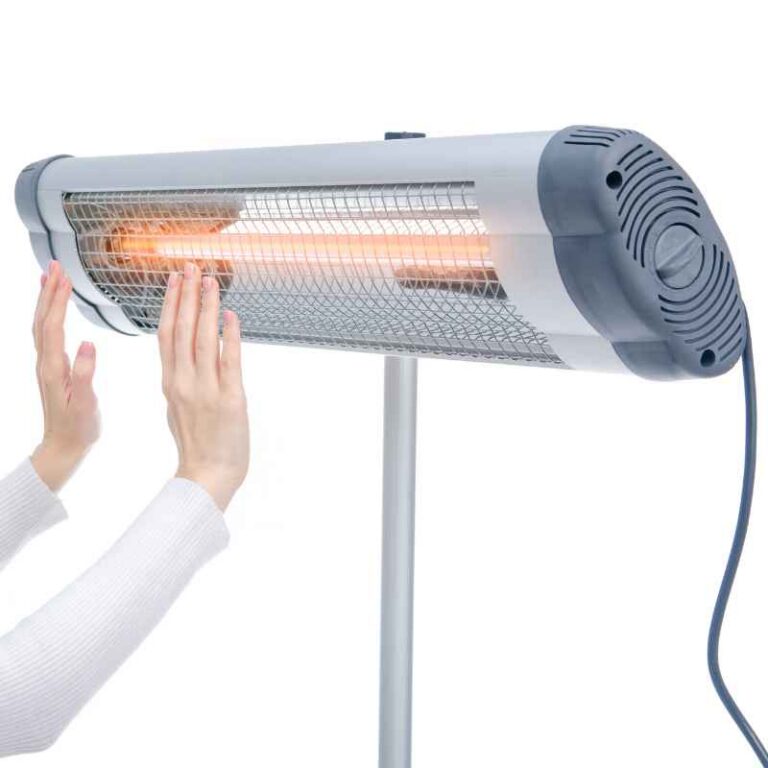
Infrared heaters work a bit like the sun. They send out waves of heat. These waves travel through the air.
When they hit something, like a plant or a wall, they warm it up directly. They don’t heat the air first. This is different from a regular heater.
A regular heater warms the air. Then the warm air warms things around it.
Think about standing near a campfire. You feel the heat directly on your skin. That’s similar to how infrared heat works.
The waves pass over you. They warm you up when they land. In a greenhouse, this means plants get warm.
The soil gets warm too. This can help them grow better.
There are a few types of infrared heaters. Some use electricity. Others use propane or natural gas.
Electric ones are often easier to set up. You just plug them in. Gas heaters need more ventilation.
They also need a fuel source. For greenhouses, electric infrared heaters are very common.
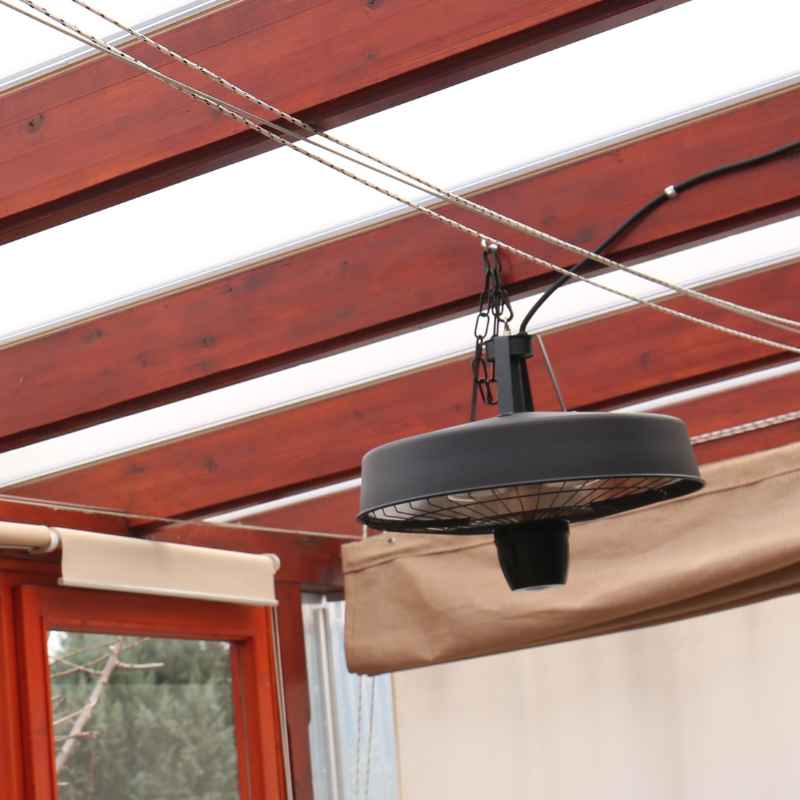
Why Consider Infrared Heat for Your Greenhouse?
Greenhouses are special places. Plants inside need just the right warmth. Too cold, and they stop growing or even die.
Too hot, and they can get stressed. Infrared heaters offer a unique way to manage this. They provide targeted warmth.
This can be a big advantage.
One main benefit is efficiency. Since they heat objects directly, less heat is lost to the air. This means you might use less energy.
This can save you money on your electricity or gas bills. It’s good for your wallet and good for the environment. Many greenhouse growers look for ways to be more eco-friendly.
Another benefit is how they feel. The heat from an infrared heater is often described as natural. It feels like sunshine.
This natural warmth can be very good for plant health. Some plants respond better to this direct heat. They can grow faster and stronger.
You can also control where the heat goes. With careful placement, you can warm specific plants or areas of your greenhouse. This is great if you have different types of plants.
Some might need more heat than others. You can create different zones of warmth. This level of control is hard to get with other heater types.
My Own Greenhouse Adventure with Infrared Heat
I remember one spring, I was trying to get my tomato seedlings ready for transplanting. I had a small hobby greenhouse. The nights were still quite chilly.
I had a basic air heater, but it just wasn’t cutting it. The air felt warm, but the corners of the greenhouse stayed cold. My little seedlings were looking pale and weak.
I was worried I’d lose them. I talked to a fellow gardener. He suggested trying an infrared heater.
I was a bit skeptical. Would it be too much heat? Would it dry things out too much?
But I was desperate. I bought a small electric infrared panel heater.
I set it up facing the bench where my seedlings were. I plugged it in and set the thermostat. The change was noticeable almost right away.
The seedlings themselves seemed to perk up. The soil in their pots felt warmer. The air temperature wasn’t drastically different everywhere, but the plants felt the warmth directly.
It was like they were getting a gentle hug from the sun. My tomatoes grew stronger and healthier after that. It really made a difference.
Infrared Heater Types for Greenhouses
Ceramic Infrared Heaters: These use a ceramic element that heats up. They provide a gentle, radiant heat.
Quartz Infrared Heaters: They use quartz tubes to emit infrared waves. These tend to heat up faster.
Panel Heaters: These are flat panels that can be mounted on walls or ceilings. They spread heat evenly.
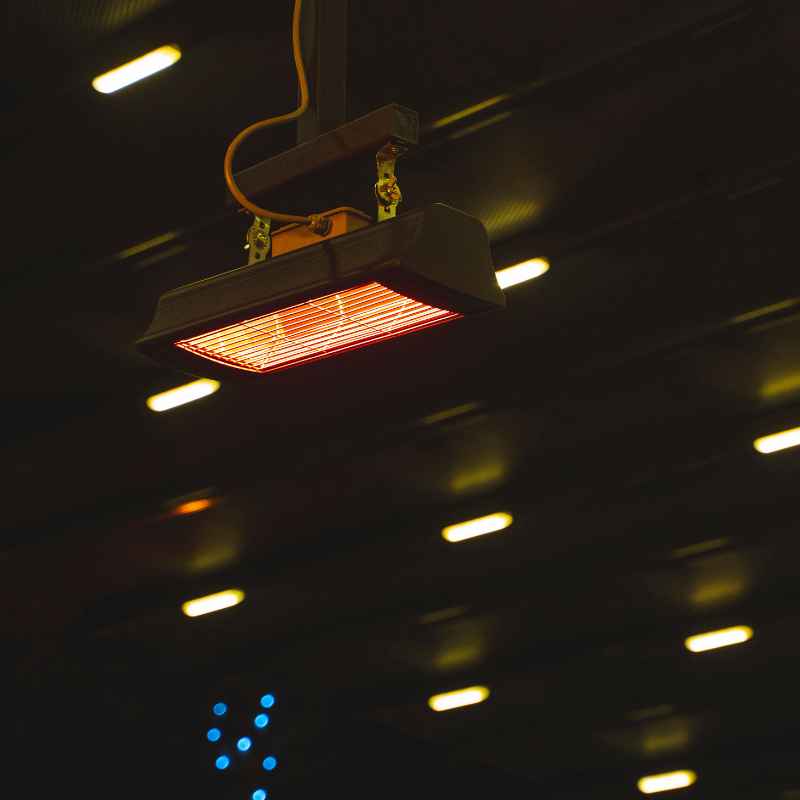
Tubular Heaters: These are long, tube-shaped heaters. They are often used for targeted spot heating.
What Kind of Infrared Heater is Best for a Greenhouse?
When picking an infrared heater for your greenhouse, think about its size. A small greenhouse needs a smaller heater. A large one needs more power.
Measure your greenhouse. This will help you choose the right wattage. Most manufacturers will tell you what size area a heater is good for.
Consider the type of heat you need. Do you want to warm the whole greenhouse a little? Or do you want to focus heat on specific plants?
Panel heaters are good for general warmth. Tubular heaters are great for targeting plants or benches.
Safety is also very important. Make sure the heater is designed for greenhouse use. It should be durable.
It should also be safe around moisture. Look for heaters that are rated for damp environments. Some have safety features like tip-over switches or overheat protection.
Think about how you will control the temperature. Many infrared heaters come with a thermostat. This is crucial.
You want to set a specific temperature. You don’t want the heater running all the time. A thermostat helps save energy.
It also keeps your plants at the ideal temperature.
Electric infrared heaters are often the easiest choice for home greenhouses. They are simple to install. They don’t produce fumes.
They offer good control. Gas heaters can be powerful. But they need good ventilation.
They also require regular maintenance. For most hobby greenhouse growers, electric is the way to go.
How to Use Infrared Heaters Effectively in Your Greenhouse
Placement is key. Don’t just put the heater anywhere. Think about where your plants are.
You want the heat to reach them directly. If you have benches, place the heater so it shines on the plants on the benches. This is often more effective than heating the empty air.
Consider the height. If the heater is too high, the heat might not reach the plants well. If it’s too low, it could be a hazard.
Follow the manufacturer’s recommendations for mounting height. Aim for the heat waves to directly warm the leaves and soil.
Use a thermostat! I can’t stress this enough. Set your thermostat to the temperature your plants need.
Don’t guess. Different plants have different needs. Check what temperature is best for your specific plants.
The thermostat will turn the heater on and off as needed. This keeps the temperature steady.
Avoid placing the heater too close to plants or flammable materials. Read the safety instructions carefully. Make sure there is good airflow around the heater.
This helps it work efficiently and safely. Also, ensure the heater is protected from direct water spray. While some are designed for dampness, they aren’t waterproof.
If you have a larger greenhouse, you might need more than one heater. You can use multiple smaller heaters. This can give you better control over different zones.
For example, you could have a warmer zone for tropical plants and a cooler zone for others. This allows for more precise climate control.
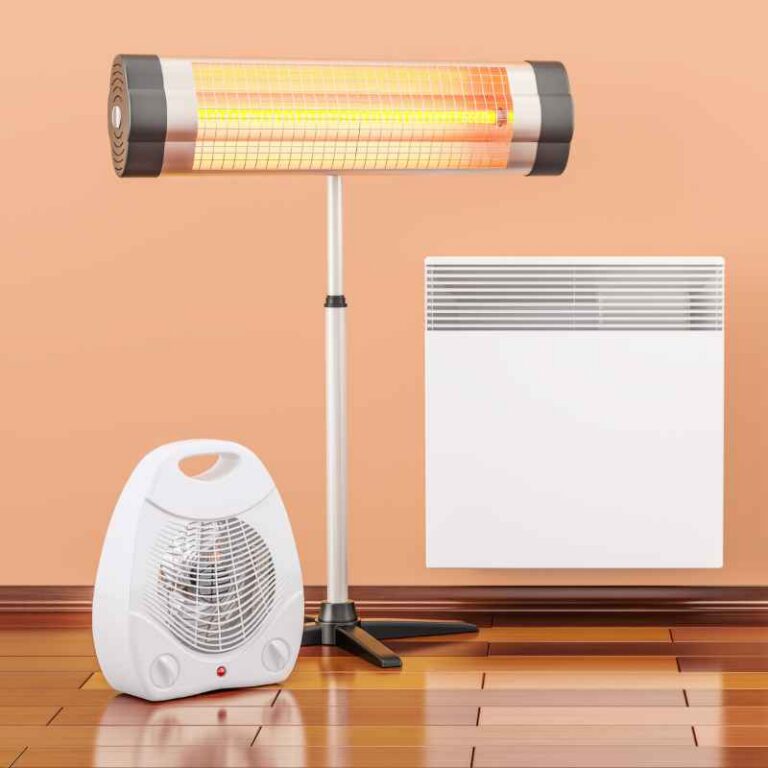
Infrared vs. Convection Heating: What’s the Difference?
Infrared Heat:
- Heats objects directly.
- Less heat loss to air.
- Feels like sunshine.
- Good for spot heating.
Convection Heat:
- Heats the air first.
- Air circulates and warms objects.
- Can lead to uneven temperatures.
- Heats the entire space.
Real-World Greenhouse Scenarios and Infrared Heat
Let’s think about some common greenhouse situations. You might have a small lean-to greenhouse attached to your house. In this case, a wall-mounted infrared panel heater could be perfect.
It takes up little space. It will warm the plants on the staging directly. This is great for overwintering herbs or starting early seedlings.
Or perhaps you have a larger walk-in greenhouse. You’re growing tomatoes and peppers all season. You need reliable heat.
You might use a combination. A larger electric infrared heater could provide the main warmth. You might also use smaller spot heaters.
These could be placed near young plants that need extra warmth. Or they could be aimed at specific areas where you have plants that are more sensitive to cold.
Consider your climate. If you live in a mild area, you might only need supplemental heat. An infrared heater can provide just that boost.
If you live somewhere with very cold winters, you might need a more powerful system. You might even combine infrared heat with another type of heating. This ensures your greenhouse stays warm enough no matter what the weather does.
Your greenhouse materials also play a role. Greenhouses made of glass or polycarbonate will lose heat. Infrared heat warms surfaces.
These warmed surfaces then radiate a little heat back. This can help create a more stable environment. It’s about creating a balance of heat sources.
What This Means for Your Plants and Your Greenhouse
Using infrared heaters can mean healthier plants. They can grow faster. They might produce more flowers or fruit.
This is because the heat is more consistent. It’s also more direct. Plants don’t have to work as hard to stay warm.
This energy can go into growth.
For you, it means more success with your gardening. You can extend your growing season. You can grow plants that might not normally survive in your climate.
It can also mean lower energy bills if used wisely. You’re not just heating empty air. You’re heating what matters: your plants.
However, it’s important to know the limits. Infrared heat doesn’t circulate air on its own. Good air circulation is still vital in a greenhouse.
It helps prevent diseases. It helps distribute heat evenly. You might need a small fan to help move the air around.
This ensures the warmth reaches all parts of the greenhouse.
Also, be aware of humidity. Infrared heat can dry things out a bit. This might be good in some cases.
It can help reduce fungal issues. But if your plants need high humidity, you’ll need to manage it. You might need to mist plants or use a humidifier.
Always monitor your greenhouse conditions.
Quick Scan: When is Infrared Heat Right?
| Scenario | Infrared Heat Good For | Considerations |
| Small Hobby Greenhouse | Targeting seedlings, overwintering plants | Size of heater, thermostat essential |
| Larger Growing Greenhouse | Supplemental heat, warming specific zones | Multiple units may be needed, pair with air circulation |
| Extending Growing Season | Providing consistent warmth on cold nights | Careful thermostat setting is key |
| Energy Savings Focus | Directly heating plants, reducing wasted air heating | Proper placement and insulation help |
Tips for Maximizing Your Infrared Greenhouse Heater
Insulate well. A well-insulated greenhouse will keep the heat in. This means your heater won’t have to work as hard. Seal up any gaps or cracks.
Consider adding extra insulation if needed.
Monitor humidity levels. As mentioned, infrared heat can dry the air. Use a hygrometer to check humidity. Mist plants or use a humidifier if needed, especially for plants that thrive in moist air.
Use a good thermostat. Don’t rely on the heater’s built-in controls if they are basic. Invest in a reliable external thermostat. This will give you much better control and save energy.
Clean your heater regularly. Dust and debris can build up on the heating elements. This can reduce efficiency. It can also be a fire hazard.
Wipe it down gently according to the manufacturer’s instructions.
Combine with other methods. For very cold climates, infrared heat might not be enough on its own. Consider using it alongside other heating methods. Or ensure your greenhouse is very well insulated.
It’s about creating a layered approach to warmth.
Think about your plants’ needs. Always research the specific temperature and humidity needs of your plants. Infrared heat is a tool. You need to use it in a way that benefits your specific crop.
Frequently Asked Questions About Greenhouse Infrared Heaters
Can infrared heaters dry out a greenhouse too much?
Yes, they can. Infrared heat warms objects directly and can reduce air humidity. It’s important to monitor humidity levels with a hygrometer.
You may need to mist plants or use a humidifier, especially for plants that require high humidity.
Are infrared heaters safe for greenhouses with plants?
Generally, yes. They are designed to provide gentle, radiant heat. However, always follow manufacturer safety guidelines.
Ensure the heater is not too close to plants or flammable materials. Look for models designed for damp environments and with safety features like overheat protection.
How much electricity does an infrared greenhouse heater use?
This depends on the wattage of the heater and how long it runs. A 1500-watt heater running for one hour uses 1.5 kilowatts of electricity. Using a thermostat helps reduce usage by only running the heater when needed to maintain the set temperature.
Can I use a propane infrared heater in my greenhouse?
While possible, propane infrared heaters produce exhaust fumes. They require very good ventilation to be safe for both plants and people. Electric infrared heaters are generally safer and easier to manage in most greenhouse settings, especially for hobbyists.
How do I choose the right size infrared heater for my greenhouse?
Check the heater’s specifications. Manufacturers usually indicate the recommended greenhouse size or square footage for each model. Consider your climate; colder regions may need more powerful heaters or supplemental heating.
Will an infrared heater help with condensation in a greenhouse?
Yes, indirectly. By warming surfaces like walls and plants, infrared heat can help reduce the temperature difference that causes condensation. This can help prevent some moisture buildup, but good air circulation remains important for managing condensation.
Final Thoughts on Infrared Greenhouse Heating
So, are infrared heaters good for a greenhouse? The answer is a resounding yes, with a few smart considerations. They offer a unique and efficient way to deliver warmth.
This warmth directly benefits your plants. By understanding how they work and placing them wisely, you can create a healthier growing environment. You can extend your growing season and enjoy more successful harvests.
It’s all about using the right tool for the right job. And for many greenhouse growers, infrared heat is a fantastic tool.
Sponsored / affiliate links. As an Amazon Associate I earn from qualifying purchases. I may earn additional commission from eligible campaigns.