Do The Bulbs In Electric Infrared Heaters Burn Out?
It’s a common worry when you invest in a new type of heater. You want it to last. You wonder about the little things that might go wrong. Do the special bulbs in electric infrared heaters burn out? It’s a fair question, and the answer is: yes, they can. But it’s not always a bad thing. Let’s dive in and clear things up.
Yes, the bulbs in electric infrared heaters can and will eventually burn out, just like any light bulb. However, their lifespan is typically quite long, often measured in years or thousands of hours of use. Regular maintenance and proper usage can significantly extend their life.
Understanding Infrared Heater Bulbs
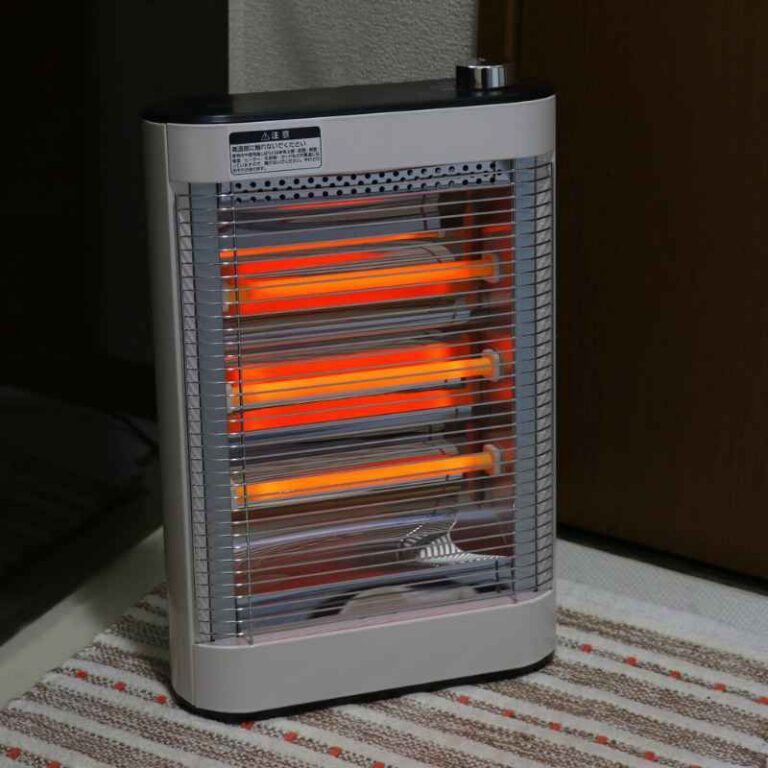
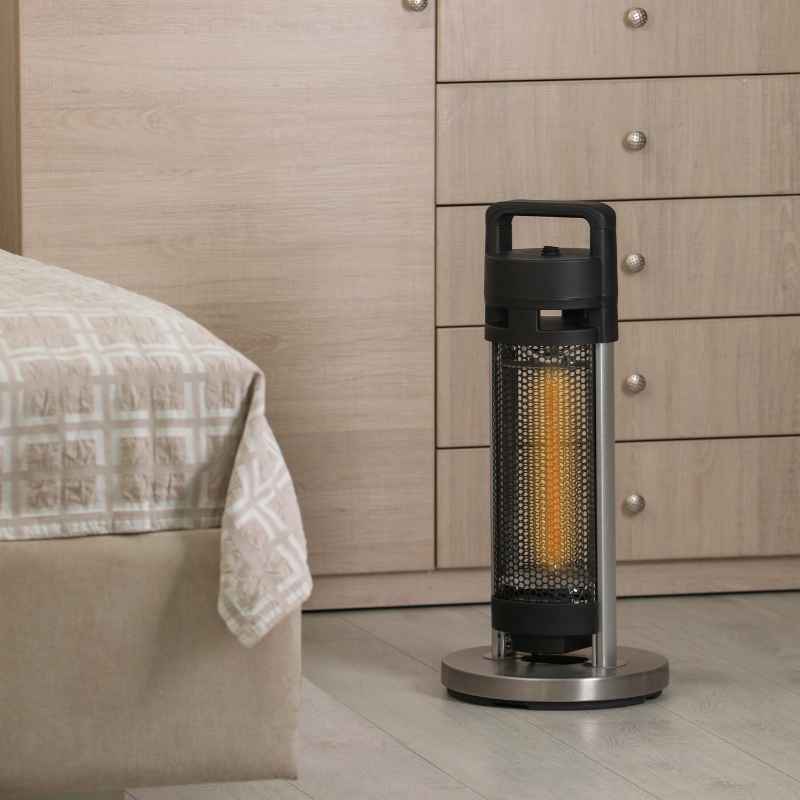
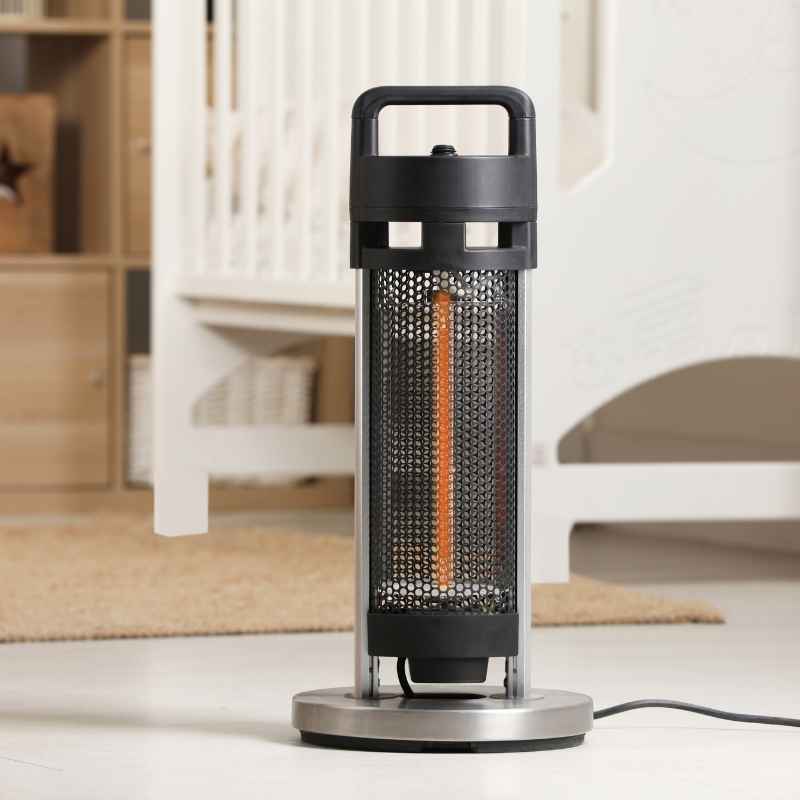
Electric infrared heaters use special bulbs to create heat. These aren’t your average light bulbs. They are designed to emit infrared radiation. This radiation warms objects directly, not just the air. Think of the sun warming your skin on a cool day. That’s infrared heat.
The bulbs themselves are often made of quartz or a similar material. Inside, a heating element, usually a filament, gets very hot. This element then releases infrared waves. These waves travel through the air. They hit surfaces like your furniture, walls, and you. Then, these surfaces absorb the heat.
Different types of bulbs exist. Some emit different wavelengths of infrared light. Short-wave infrared is very intense and heats up fast. Medium-wave is a bit softer. Long-wave is the gentlest. The type of bulb used depends on the heater’s design and purpose.
The Lifespan of an Infrared Bulb
So, how long do these special bulbs last? It really varies. Many manufacturers aim for bulbs that last a long time. We’re talking about thousands of hours of use. Some might last 5,000 hours. Others could go for 10,000 hours or even more.
Think about how often you use your heater. If it’s just for a few hours on a cold evening, those hours add up slowly. If you run it all day, every day, the hours will climb much faster.
Manufacturers often give an estimated lifespan. This is usually based on testing. It’s a good guide, but your actual experience might differ. Many factors can affect how long a bulb stays bright and warm.
What Makes an Infrared Bulb Burn Out?
It’s not just about the clock ticking down. Several things can shorten a bulb’s life. Some are expected. Others are preventable.
Normal Wear and Tear
Everything has a lifespan. Heating elements are no different. Over time, the filament inside the bulb can degrade. It gets thinner. It becomes more fragile. Eventually, it can break. This is normal aging. It’s like any part of a machine wearing out from use.
Sudden Temperature Changes
These bulbs can get very hot. Imagine plunging something super hot into cold water. That shock can cause materials to crack or break. The same can happen to infrared bulbs.
Sudden temperature changes are a big no-no. This means:
Turning the heater on and off very rapidly.
Exposing a hot bulb to a cold draft.
Spraying it with water while it’s hot.
These actions stress the bulb’s material. This stress can lead to premature failure.
Physical Impact
These bulbs can be fragile. They are often made of thin glass or quartz. A bump or a drop can shatter them. Even a strong vibration could weaken the filament.
This is why you should be careful when moving the heater. Make sure it’s off and cool before trying to reposition it.
Power Surges and Fluctuations
Our electrical grids aren’t always perfectly stable. Sometimes, there are sudden spikes in voltage. These are called power surges. They can send too much electricity to the bulb. This excess power can overload the filament. It can cause it to burn out instantly.
You might have noticed this effect with other electronics. A power surge can fry them. Infrared bulbs can be susceptible to this too.
Manufacturing Defects
While rare, sometimes a bulb isn’t made perfectly. There might be a tiny flaw in the filament or the glass. This flaw can become a weak spot. It might cause the bulb to fail sooner than expected. This is why buying from reputable brands is important.
Dust and Debris Buildup
This might seem minor, but it can matter. Dust and grime can build up on the bulb. This buildup can interfere with the infrared radiation. It can also cause uneven heating. Uneven heating can put extra stress on the bulb.
Cleaning the bulbs as part of regular maintenance can help prevent this.
Signs a Bulb is About to Burn Out
Sometimes, a bulb gives you a warning. It doesn’t always just go out without a sound. You might notice a few things:
Dimming Light: If the bulb appears dimmer than usual, even when it’s on full power, it might be fading.
Flickering: Similar to a failing light bulb in your home, flickering can be a sign of a weak connection or a filament on its last legs.
Strange Colors: Sometimes, the light might appear a slightly different color. It might look more orange or even a bit reddish when it’s supposed to be clear or pale.
Unusual Sounds: While not common, some bulbs might make faint popping or sizzling sounds as they fail.
If you notice any of these, it’s a good time to start thinking about a replacement bulb.
When to Worry (and When Not To)
It’s normal for infrared bulbs to burn out after a long time. Don’t panic if one does. It’s part of the heater’s life.
However, if a bulb burns out very quickly, especially a brand new one, then you might have a problem.
New Heater, Quick Failure: If a bulb fails within days or weeks of getting the heater, something is likely wrong. It could be a defect or an issue with how the heater is powered.
Multiple Failures: If you’re constantly replacing bulbs, it’s a bigger red flag. This points to a systemic problem, not just a single bulb expiring.
In these cases, it’s wise to contact the manufacturer or the place where you bought the heater. They can help you figure out if there’s a warranty issue or a design flaw.
Extending the Life of Your Infrared Bulbs
The good news is you can do a few things to help your bulbs last longer. It’s all about proper care and usage.
1. Handle with Care
This is crucial. Always remember these bulbs are delicate.
When installing a new bulb, hold it by the base or edges. Avoid touching the glass or the filament. Oils from your skin can cause hot spots.
Be gentle when moving the heater. Ensure it’s off and completely cool.
2. Proper Installation
Make sure the bulb is seated correctly in its socket. A loose bulb might not make good contact. This can lead to flickering or reduced heat output. It can also put extra strain on the bulb.
3. Avoid Rapid On-Off Cycles
Try to avoid turning the heater on and off too frequently. Let it run for a good period once you turn it on. Frequent switching puts stress on the filament. It’s like revving a car engine constantly.
4. Protect from Drafts and Moisture
Keep the heater in a stable environment. Avoid placing it where it will be hit by cold drafts. Never expose a hot bulb to water or excessive moisture. This can cause thermal shock.
5. Regular Cleaning
Dust can build up. Gently clean the bulbs when they are cool and off. Use a soft, dry cloth or a microfiber duster. For stubborn grime, a slightly damp cloth can work, but ensure it’s completely dry before turning the heater on.
6. Use a Surge Protector
To protect against power surges, plug your infrared heater into a good quality surge protector. This is a small investment that can save you from unexpected bulb failures.
7. Follow Manufacturer Guidelines
Always read the manual that came with your heater. It will have specific advice on bulb care and maintenance. Following these instructions is the best way to ensure longevity.
Bulb Lifespan vs. Heater Lifespan
It’s important to note that the bulbs are consumables. This means they are designed to be replaced over time. The main body of the infrared heater, if well-made and cared for, can last much longer.
Think of it like a car: the tires wear out and need replacing, but the car itself can last for many years.
Replacing an Infrared Bulb
When a bulb does burn out, don’t despair. Replacing them is usually straightforward.
First, always unplug the heater. Safety is number one. Let the heater cool down completely. You don’t want to get burned or shock yourself.
Next, you’ll need the correct replacement bulb. Check your heater’s manual. It will specify the type of bulb needed. It might be a specific wattage, length, and type of infrared emitter. Using the wrong bulb can damage the heater or be unsafe.
Most heaters have a way to access the bulbs. This might involve removing a front grille or a cover. Carefully remove the old bulb. It might unscrew or pull out.
Install the new bulb gently. Make sure it’s secure. Then, reassemble any covers you removed. Plug the heater back in and test it.
Types of Infrared Bulbs and Their Lifespans
Not all infrared bulbs are the same. The technology has evolved. This can affect their lifespan and how they perform.
Quartz Halogen Bulbs
These are very common. They use a tungsten filament inside a quartz glass tube. They produce short-wave infrared heat. This heat feels intense and warms things up quickly. They are efficient for fast heating. Their lifespan is typically in the range of 5,000 to 8,000 hours.
Carbon Fiber Infrared Bulbs
These are a newer technology. They use a carbon fiber filament. They often produce a gentler, more radiant heat, often in the medium or long-wave spectrum. They are known for being very energy-efficient. Their lifespan is often cited as being longer than quartz halogen, sometimes 10,000 hours or more. They are also generally more durable.
Ceramic Emitters
Some heaters use ceramic elements that glow red-hot. These often produce long-wave infrared heat. They are very good for deep, penetrating warmth. Their lifespan can also be quite long, often comparable to or exceeding carbon fiber bulbs.
The type of bulb your heater uses will be stated in its specifications. Always try to get an exact match when replacing.
Myth vs. Reality: Infrared Bulb Longevity
Myth: Infrared heater bulbs last forever.
Reality: Like all bulbs, they have a finite lifespan and will eventually need replacement.
Myth: If one bulb burns out, the whole heater is useless.
Reality: Most infrared heaters are designed so individual bulbs can be replaced, allowing the heater to continue functioning.
Myth: Touching the bulb is fine.
Reality: Oils from your skin can create hot spots and shorten the bulb’s life.
The Experience of a Burned-Out Bulb
I remember a few winters ago, I had a portable infrared heater that I loved. It was a lifesaver during those really cold snaps. It had two bulbs, and they gave off this wonderful, soothing warmth. I used it almost every evening.
One night, I turned it on, and one side just wasn’t getting warm. The light was on, but there was no heat radiating from that side. I felt a pang of annoyance, then a bit of panic. Was it broken? Was it expensive to fix? I’d only had it for about two years.
I checked the manual. It clearly showed how to replace the bulbs. It even said they were consumables. I found the exact replacement bulbs online from the manufacturer. Swapping them out was surprisingly easy. I just had to unplug it, let it cool, pop off the front cover, gently pull out the old bulb, and push in the new one. Then, put the cover back on.
When I plugged it back in, both sides glowed brightly, and the heat came back. It was a relief. It cost me about $30 for two new bulbs, which felt much better than buying a whole new heater. That experience taught me that while bulbs do burn out, it’s usually a simple fix.
Why Infrared Heaters Still Make Sense
Even with the need to replace bulbs, infrared heaters are fantastic.
Energy Efficiency: They heat objects directly, so less energy is wasted heating empty air. This can mean lower energy bills.
Comfort: The heat feels different. It’s more like natural sunlight. It doesn’t dry out the air as much as some other heaters.
Zone Heating: You can heat just the area you’re in. This is great for saving energy. You don’t need to heat your whole house if you’re just sitting in one room.
Quiet Operation: They are very quiet. There’s no fan noise. Just a gentle warmth.
The lifespan of the bulbs is a factor, yes, but it’s a manageable one.
Quick Scan: Infrared Heater Bulb Care
- Handle Gently: Avoid touching the glass or filament.
- Steady Power: Use a surge protector.
- Avoid Shock: Prevent rapid temperature changes.
- Keep Clean: Dust can reduce efficiency.
- Replace Correctly: Use the specified bulb type.
What This Means for Your Heater
Knowing that bulbs burn out is important. It helps you manage your expectations.
Budget for Replacements: While the initial cost of an infrared heater might be higher than some basic heaters, factor in the occasional cost of replacement bulbs.
Keep Manuals Handy: Store your heater’s manual safely. It will have the exact bulb specifications and replacement instructions.
Buy Quality Bulbs: Stick to bulbs recommended by the manufacturer or reputable after-market suppliers. Cheap, unbranded bulbs might not last as long or perform as well.
When to Consider a New Heater
If you find yourself replacing bulbs very frequently, or if the main body of the heater starts showing signs of wear and tear, it might be time for a new unit. This could include rust, damaged wiring, or a casing that’s falling apart.
A heater that’s many years old might also benefit from an upgrade. Newer models often have improved efficiency and safety features.
Simple Checks for Bulb Health
Before you decide a bulb is dead, do a quick check:
Is it plugged in correctly? Seems obvious, but worth a double-check.
Is the circuit breaker tripped? Check your home’s electrical panel.
Is the bulb seated properly? Gently ensure it’s screwed in or pushed in fully.
If all these are okay, and the bulb still isn’t working, it’s likely time for a replacement.
Frequently Asked Questions About Infrared Heater Bulbs
How long do infrared heater bulbs typically last?
The bulbs in electric infrared heaters typically last for thousands of hours. Many are rated for 5,000 to 10,000 hours or more, depending on the type and manufacturer.
Can I use a regular light bulb in an infrared heater?
No, you should never use a regular household light bulb in an infrared heater. Infrared heaters require specialized bulbs designed to emit infrared radiation and withstand high temperatures. Using the wrong type of bulb can be dangerous and damage the heater.
What happens if I touch the infrared bulb?
Touching the glass or filament of a hot or even cool infrared bulb can leave oil residue. When the bulb heats up, this residue can cause a hot spot, leading to uneven heating and potentially reducing the bulb’s lifespan or causing it to crack.
How do I know if my infrared heater bulb needs replacing?
Signs include the bulb not producing heat, appearing dimmer than usual, flickering, or emitting an unusual color. If one side of your heater isn’t working while the other is, it’s often a sign of a burned-out bulb.
Where can I buy replacement infrared heater bulbs?
You can usually buy replacement bulbs from the heater’s manufacturer, major online retailers, or specialized appliance parts stores. Always check your heater’s manual for the exact bulb specifications.
Are carbon fiber infrared bulbs better than quartz halogen?
Carbon fiber bulbs often last longer and are more energy-efficient than quartz halogen bulbs. They also tend to produce a gentler, more evenly distributed heat. Quartz halogen bulbs provide more intense, short-wave heat that warms objects very quickly. The “better” type depends on your heating needs.
The Bottom Line on Bulb Longevity
Yes, electric infrared heater bulbs will burn out eventually. But it’s a normal part of owning this type of heater. With proper care and by understanding their lifespan, you can enjoy the efficient and comfortable heat they provide for a long time. Think of bulb replacement as routine maintenance, not a major failure.
Sponsored / affiliate links. As an Amazon Associate I earn from qualifying purchases. I may earn additional commission from eligible campaigns.