How To Stop Gas Smell On Space-Ray Infrared Heater Fast
A faint gas smell from a Space-Ray infrared heater can mean a few things. It might be a normal start-up scent, a small leak, or a problem with venting. Checking for obvious leaks, ensuring proper ventilation, and knowing when to call a professional are key steps to stopping the smell and staying safe.
Understanding Gas Smells from Your Space-Ray Heater
It’s important to know that some faint odors when you first turn on a gas appliance are normal. This is often unburned gas that clears quickly. However, a persistent or strong gas smell is a sign to investigate. Infrared heaters, like Space-Ray models, work by heating objects directly. They use radiant heat, much like the sun. This process involves burning natural gas or propane.
If you smell gas, it means the combustion process isn’t perfect. Gas could be escaping before it burns. Or, it could be escaping after burning if the exhaust isn’t working right. Your heater’s components can wear out. Seals can crack. A pilot light might flicker out. A gas line fitting could loosen. Even dirt buildup can affect how it burns.
Why Does My Space-Ray Heater Smell Like Gas?
There are several reasons why your Space-Ray infrared heater might emit a gas smell. Let’s break down the common culprits. Understanding these will help you pinpoint the issue.
Start-up and Shut-down: When you first turn on a gas heater, there’s a brief moment before ignition. A small amount of gas might escape. Likewise, when you turn it off, some gas might linger. This smell should be very light and disappear fast. If it lingers, it’s a problem.
Incomplete Combustion: This happens when the heater doesn’t have enough air to burn the gas fully. The flame might look yellow or orange instead of blue. This can create a stronger, sometimes sulfur-like smell. It can also produce carbon monoxide.
Ventilation Issues: Infrared heaters need good airflow. If the vents are blocked or the area isn’t properly ventilated, exhaust gases can build up. This can lead to a gas smell in the room. Ensuring the heater has the space it needs to breathe is crucial.
Gas Leaks: This is the most serious cause. A leak can occur anywhere in the gas line. This includes connections, hoses, or the unit itself. A leak means gas is escaping into the air. This is dangerous. It can be a fire hazard.
Component Malfunction: Parts of the heater can fail. The burner assembly could be dirty. A thermocouple might be faulty. The igniter could be weak. These issues affect how the gas burns. This can create unusual smells.
Propane vs. Natural Gas: The type of gas used can also influence smell. Propane has a stronger odorant added than natural gas. This makes leaks easier to detect. But it can also mean you notice a smell more readily.
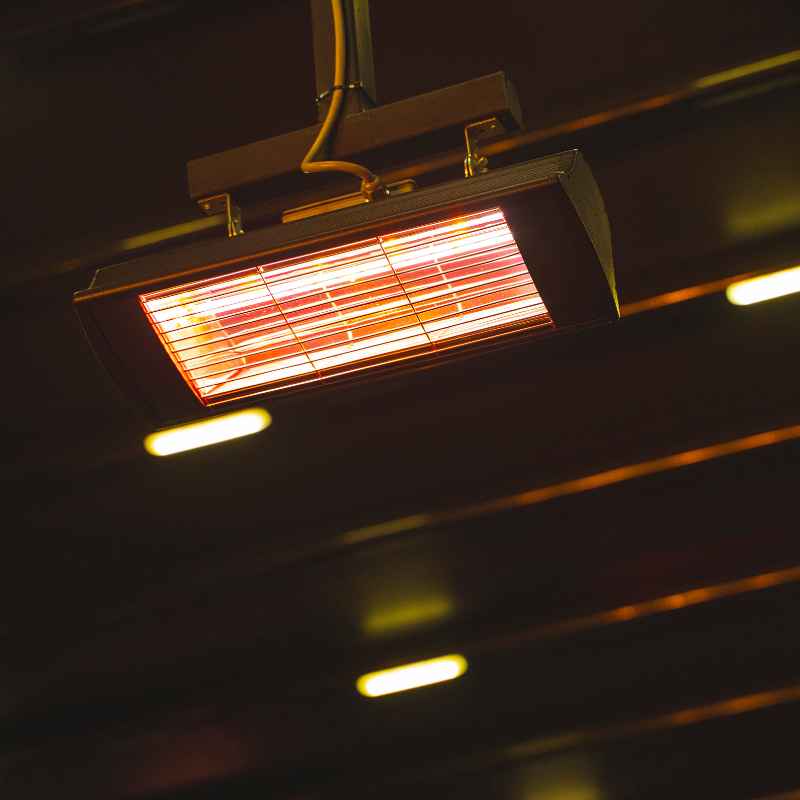
My Own Scare with a Smelly Space-Ray Heater
I remember one chilly autumn evening a few years back. My workshop was usually a haven of warmth thanks to my trusty Space-Ray heater. I was tinkering with a woodworking project late into the night. Suddenly, a distinct smell of gas hit me. It wasn’t the usual faint whiff I sometimes noticed when it started up. This was stronger, more insistent.
My heart immediately jumped into my throat. The workshop isn’t a huge space, and the smell seemed to be hanging in the air. I felt a knot of panic tighten in my stomach. I quickly turned off the main gas valve to the heater. Then, I opened all the windows, even though the night air was quite cold. I stood outside for a bit, breathing in the crisp, clean air, trying to calm my racing thoughts.
I carefully went back in after a few minutes. I didn’t turn the gas back on. I spent the rest of the evening huddled under a blanket, feeling a bit foolish but mostly relieved I’d acted fast. The next morning, I called a local HVAC technician. He came out and inspected the heater. It turned out a small rubber gasket on one of the connections had become brittle and cracked over time. He replaced it, tested everything, and assured me it was a simple fix. That experience taught me a valuable lesson: never ignore a gas smell, no matter how small. It’s better to be safe than sorry.
Quick Safety Check: Your First Steps
Identify the Smell: Is it faint and fleeting, or strong and constant?
Locate the Source: Try to determine where the smell is strongest. Is it near the heater, a gas line, or a vent?
Turn Off Gas Supply: If the smell is strong or persistent, immediately turn off the gas valve to the heater. If you can’t find the heater’s valve, turn off the main gas supply to your home.
Ventilate: Open windows and doors to air out the space. Get fresh air circulating.
Do Not Use Ignition Sources: Avoid using lighters, matches, or any electrical switches. These can spark and ignite gas.
How to Stop Gas Smell on Space-Ray Infrared Heater
Stopping a gas smell involves a few different approaches. It depends on what is causing the smell. Here are the steps you can take.
1. Check for Obvious Gas Leaks
The most crucial step is to find out if there’s a leak. You can do this using a few simple methods.
The Soap Bubble Test:
Mix a solution of dish soap and water.
Turn the gas supply to the heater back on.
Carefully apply the soapy water to all gas connections. This includes where the gas line connects to the heater and any other fittings.
Look for bubbles forming. Bubbles mean gas is escaping.
If you see bubbles, turn off the gas immediately. Do not proceed with the test. You’ll need a professional to fix this.
Listen for Hissing: Sometimes, a gas leak will make a faint hissing sound. This is the gas escaping under pressure. Listen closely near all gas fittings and lines.
Smell Test: While you can smell gas, try to pinpoint where the smell is strongest. This can help narrow down the location of a leak.
2. Ensure Proper Ventilation
Infrared heaters need fresh air to operate safely and efficiently. Proper ventilation helps exhaust combustion byproducts. It also prevents gas from building up.
Clear Obstructions: Make sure nothing is blocking the heater’s vents or the surrounding area. Keep furniture, boxes, or other items at least a few feet away.
Air Circulation: Ensure the room has adequate airflow. If the heater is in a poorly ventilated space, consider installing an exhaust fan or opening windows regularly.
Follow Manufacturer Guidelines: Always check your Space-Ray heater’s manual for specific ventilation requirements. They will tell you how much clearance is needed. They will also advise on airflow.
Ventilation: More Than Just Fresh Air
Why it Matters: Proper ventilation ensures complete combustion. It removes harmful gases like carbon monoxide. It also helps prevent unpleasant odors.
Space-Ray Specifics: These heaters radiate heat. They often rely on the surrounding air for combustion. Adequate air means a cleaner burn.
Common Mistakes: Enclosing the heater too much. Blocking vents with storage. Forgetting about airflow in smaller rooms.
3. Check the Burner Assembly and Pilot Light
The burner is where the gas ignites and burns. If it’s dirty or malfunctioning, it can cause problems.
Clean the Burner: Turn off the gas and let the heater cool completely. Use a soft brush or compressed air to gently clean the burner ports. Remove any dust, debris, or carbon buildup.
Inspect the Pilot Light: If your model has a pilot light, check if it’s burning steadily. A weak or flickering pilot light can lead to incomplete combustion and smells. A dirty or misaligned thermocouple can also cause pilot light issues.
Flame Appearance: Observe the flame when the heater is running (after you’ve ensured it’s safe to do so). A healthy flame is usually blue with maybe a slight yellow tip. A mostly yellow or orange flame indicates incomplete combustion and can smell strongly.
4. Inspect Gas Supply Lines and Connections
The hoses and connections that bring gas to your heater are critical.
Hose Condition: Check the gas hose for any signs of wear, cracks, kinks, or damage. Replace any damaged hoses immediately.
Connection Tightness: Ensure all connections are snug. Do not overtighten, as this can damage fittings. The soap bubble test is essential here.
Regulator Issues: If you’re using propane, the regulator controls the gas pressure. A faulty regulator can cause low or high gas flow, affecting combustion and smell.
Quick Scan: When to Call a Pro
- Persistent strong gas smell.
- Bubbles form during the soap test.
- Yellow or orange flames.
- Pilot light won’t stay lit.
- Visible damage to gas lines or heater.
- You feel unsure about any step.
5. Consider the Age and Condition of the Heater
Like any appliance, infrared heaters have a lifespan. Older units may develop issues that lead to smells.
Worn Seals and Gaskets: Over time, rubber seals and gaskets can degrade. This can create small leaks. My own experience highlighted this.
Internal Component Wear: Other internal parts can wear out. This might include igniters, valves, or heat exchangers.
Manufacturer Recommendations: Check your Space-Ray manual for recommended maintenance schedules. Regular servicing by a qualified technician can catch problems early.
6. Understand Normal Start-up vs. Problem Smells
It’s easy to confuse a normal start-up smell with a dangerous leak.
Normal: A faint odor that appears for a few seconds when you turn the heater on or off. It dissipates quickly.
Problem: A strong, lingering smell. A smell that gets worse as the heater runs. A smell that is always present when the gas is on.
If you’re ever in doubt, always err on the side of caution. Turn off the gas and investigate.
Real-World Scenarios and Their Smells
Let’s look at some common situations where a gas smell might appear and what it could mean.
Scenario 1: The Workshop Heater
Imagine a detached garage or workshop. You turn on your Space-Ray heater after it’s been off all summer.
The Smell: A strong, pungent smell of gas hits you. It doesn’t go away.
Likely Cause: This could be a gas leak in a connection that has dried out. Or, the pilot light might not be igniting properly, letting gas escape. Incomplete combustion due to dust buildup from sitting unused is also possible.
Action: Perform the soap bubble test on all accessible connections. Check the pilot light and burner for blockages. If the smell persists, call a technician.
Scenario 2: The Patio Heater
You have an outdoor Space-Ray heater for entertaining. After a windy night, you notice a faint gas smell when you try to turn it on.
The Smell: A light, somewhat sulfurous smell.
Likely Cause: Strong winds can sometimes affect the flame or even dislodge a connection slightly. It could also be that debris blew into the burner area.
Action: Visually inspect the heater for any obvious damage or dislodged parts. Check burner ports for obstructions. Ensure the area around the heater is clear. If the smell is mild and goes away quickly, it might be okay. If it’s strong, investigate further.
Scenario 3: The Warehouse Unit
A large industrial Space-Ray heater in a warehouse. It’s been running for hours. Suddenly, workers notice a distinct gas odor.
The Smell: A noticeable, steady smell of gas.
Likely Cause: In large spaces, ventilation is critical. A blockage in the main exhaust vent could be the culprit. Or, a component may have failed due to continuous use. A loose fitting on a main gas line is also a possibility.
Action: Turn off the unit. Ensure the area is well-ventilated. Check the exhaust vents. Inspect accessible connections. Due to the size and potential risks, professional inspection is highly recommended here.
Contrast Matrix: Normal vs. Concerning
| Feature | Normal (Minor Issue) | Concerning (Serious Issue) |
|---|---|---|
| Smell Intensity | Faint, brief whiff | Strong, persistent, or increasing |
| Duration | Disappears within seconds | Lingers for minutes or hours |
| Flame Color | Mostly blue, slight yellow tip | Mostly yellow or orange, unsteady |
| Audible Cues | None | Hissing sounds near gas lines |
| Physical Signs | None visible | Visible damage, loose parts, bubbles |
What the Gas Smell Means for You
Understanding the implications of a gas smell is vital for your safety and peace of mind.
When a Faint Gas Smell Might Be Normal
As mentioned, some slight odor is typical during the start-up or shut-down of any gas appliance. This happens because there’s a brief moment when gas is flowing but not fully ignited. Or, there’s residual gas in the system. This is usually a very light smell. It should clear up in a few seconds. If you notice this once in a while, and it goes away quickly, it’s likely not a major problem.
When to Worry About the Smell
You should always worry if the gas smell is strong. Or, if it doesn’t go away quickly. A persistent smell means gas is escaping more than it should. This could be due to a leak. It could also mean incomplete combustion. Incomplete combustion is dangerous. It can produce carbon monoxide. This is a colorless, odorless gas. It can be deadly. A strong gas smell is a warning sign. It means you need to take immediate action.
Simple Checks You Can Do Safely
Before calling for help, there are simple checks you can perform. Always prioritize safety.
Check the Gas Valve: Make sure the main gas valve to the heater is fully open. Sometimes, if it’s partially closed, it can affect the flame and smell.
Inspect the Area: Look around the heater and gas line for any obvious damage. Are there any frayed hoses? Is anything loose?
Listen: With the gas on, listen carefully near connections for any hissing sounds.
Observe the Flame: If you can safely observe the pilot light or main burner flame, note its color and stability.
If any of these checks reveal a problem, or if you’re unsure, turn off the gas and call a professional.
Quick Fixes and Tips for Preventing Smells
While not all smells can be fixed with simple tips, prevention is key.
Regular Maintenance: Schedule annual check-ups for your heater. A qualified technician can clean components, test for leaks, and ensure everything is working correctly. This is the best way to prevent issues.
Keep Vents Clear: Make it a habit to check that the heater’s vents and the surrounding area are free of obstructions. Do this weekly, especially during heavy use.
Use Correct Gas Type: Ensure you are using the correct type of gas (natural gas or propane) as specified for your model. Using the wrong type can cause performance issues.
Proper Installation: If you recently installed or moved your Space-Ray heater, ensure it was done by a qualified professional. Incorrect installation is a common source of problems.
Listen to Your Heater: Pay attention to any new sounds or changes in performance. Unusual noises can be early indicators of a problem.
Install a Carbon Monoxide Detector: This is crucial for any home with gas appliances. It can alert you to dangerous levels of carbon monoxide, even if you can’t smell it.
Tips for a Smell-Free Space-Ray Heater
Monthly: Visually inspect gas connections. Clear debris around the unit.
Seasonally: Clean burner ports. Check pilot light. Ensure vents are clear.
Annually: Schedule professional maintenance. Have gas lines tested.
Always: Install and maintain carbon monoxide detectors.
Frequently Asked Questions About Space-Ray Heater Gas Smells
Is it normal for a new Space-Ray heater to smell like gas?
Yes, it’s common for new gas appliances to have a slight odor during the first few uses. This is due to manufacturing oils burning off. The smell should be very faint and disappear quickly.
If the smell is strong or lingers, contact the installer or manufacturer.
Can a dirty filter cause a gas smell in my Space-Ray heater?
Space-Ray infrared heaters don’t typically have air filters like forced-air furnaces. However, dirt and debris can clog the burner ports. This can lead to incomplete combustion and gas smells.
Regular cleaning of the burner assembly is important.
What should I do if I smell gas and can’t find the leak?
If you smell gas and cannot locate the source or feel unsafe, turn off the main gas supply to your home. Do not try to fix it yourself. Open windows for ventilation.
Leave the building and call your gas utility company or a qualified HVAC technician from a safe distance.
How often should I have my Space-Ray heater serviced?
It’s generally recommended to have your Space-Ray infrared heater serviced at least once a year. This annual maintenance by a qualified professional can help identify potential issues, like small leaks or combustion problems, before they become serious.
Can a Space-Ray heater cause carbon monoxide poisoning?
Yes, any gas-burning appliance that malfunctions or is not properly ventilated can produce carbon monoxide (CO). CO is a dangerous gas that can cause illness or death. Always ensure your Space-Ray heater is installed correctly, maintained regularly, and that you have working CO detectors installed in your home.
My Space-Ray heater smells like rotten eggs. What does that mean?
The strong “rotten egg” smell is the odorant added to natural gas and propane to make leaks detectable. If you smell this near your Space-Ray heater, it indicates a potential gas leak. Immediately turn off the gas supply, ventilate the area, and call for professional help.
Do not try to locate the leak yourself.
Conclusion: Keeping Your Space Warm and Safe
Dealing with a gas smell from your Space-Ray infrared heater can be unsettling. But by understanding the common causes and knowing how to check for safety issues, you can address the problem effectively. Remember, a faint, fleeting smell might be normal, but a strong or persistent odor is a serious warning. Always prioritize safety by ensuring good ventilation, performing regular checks, and calling in a professional when in doubt. With proper care and attention, you can continue to enjoy the reliable warmth of your Space-Ray heater, free from worry.
Sponsored / affiliate links. As an Amazon Associate I earn from qualifying purchases. I may earn additional commission from eligible campaigns.