Difference Between Infrared And Radiant Heaters Explained
Infrared and radiant heaters both warm objects and people directly using electromagnetic waves, not by heating the air. The main difference lies in the wavelength of energy they emit. Infrared heaters often use shorter, more intense wavelengths that feel hotter, while traditional radiant heaters use longer, gentler wavelengths.
Both are great for spot heating.
What Are Infrared and Radiant Heaters?
Think about the sun. It warms you up without making the air feel super hot, right? That’s kind of how these heaters work.
They don’t heat the air first. Instead, they send out waves of energy. These waves travel through the air and heat up things they hit.
This includes you, your furniture, and your walls.
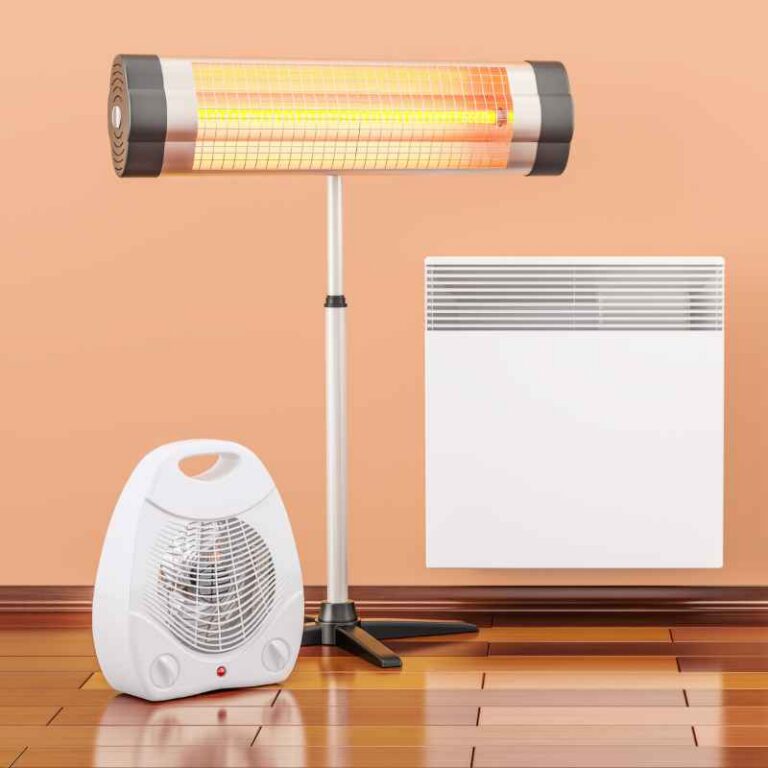
This is different from a fan heater or a convection heater. Those types warm the air. Then, the warm air moves around the room.
This can leave cold spots. It can also feel drafty. Infrared and radiant heaters offer a more direct kind of warmth.
The Science Behind the Warmth
The key is electromagnetic radiation. It’s the same energy that light and radio waves use. But heaters use a specific part of this spectrum.
It’s called infrared radiation. We can’t see it, but we can feel it as heat.
The specific wavelengths emitted are important. This is where the main difference lies. Infrared heaters often produce shorter, more intense wavelengths.
Think of a very hot coil. It gives off a strong, direct heat. This can warm you up quickly.
Radiant heaters, on the other hand, can use a wider range of wavelengths. Many traditional radiant heaters, like those in old gyms or churches, produce longer, gentler waves. They feel warm but not intensely hot.
This gentler warmth can spread more evenly over time.
The color and surface of objects also matter. Darker, matte surfaces absorb more radiation. They get warmer faster.
Shiny surfaces reflect it. So, the materials in your room affect how well the heat is used.
My First Encounter with Direct Heat
I remember helping my aunt set up her sunroom years ago. It was a chilly autumn day. The room had huge windows.
It got a lot of sun, but it was still cool inside. She hated the feeling of just “air” heating. She wanted instant warmth when she sat down.
We looked at different heaters. The salesperson kept talking about “radiant heat.” I was a bit lost. He showed us this panel heater.
It had a glowing element inside. He turned it on, and right away, I could feel a distinct warmth on my face. It wasn’t like a blast of hot air.
It was like standing near a warm stone.
My aunt loved it. She could sit by the window, even when it was cold out, and feel perfectly comfortable. That’s when I really understood.
This wasn’t just heating the air; it was like a personal sunshine zone. It made a big difference for her enjoyment of the room.
Infrared vs. Radiant: Key Differences at a Glance
Infrared Heaters:
- Often use shorter, more intense wavelengths.
- Feel very direct and warm up objects/people quickly.
- Good for spot heating and quick comfort.
Radiant Heaters:
- Can use a wider range of wavelengths, often longer and gentler.
- Provide a more diffused, steady warmth.
- Can be better for longer periods of heating or larger areas.
Types of Infrared and Radiant Heaters
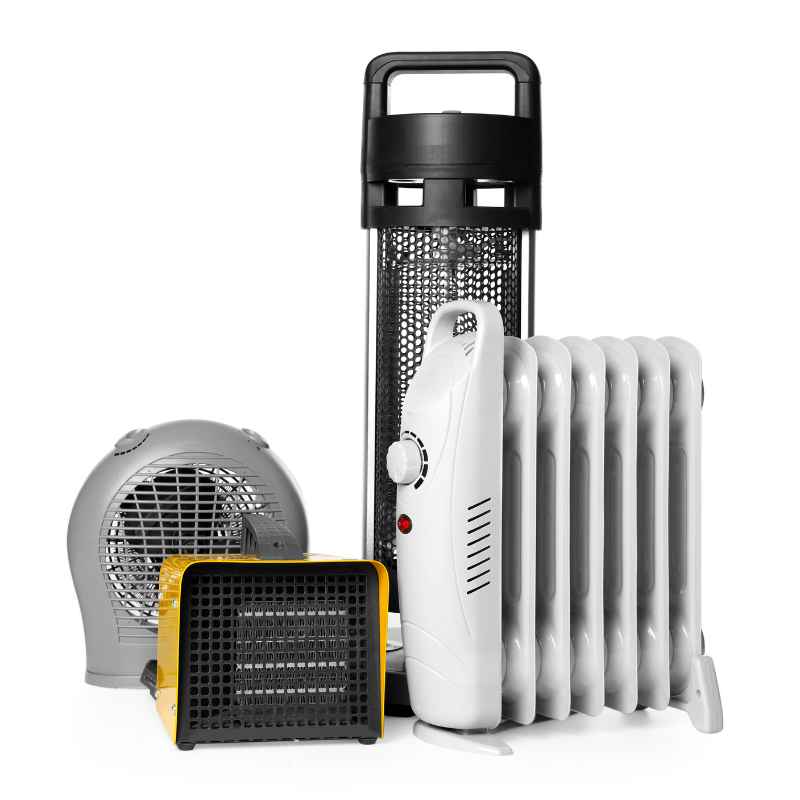
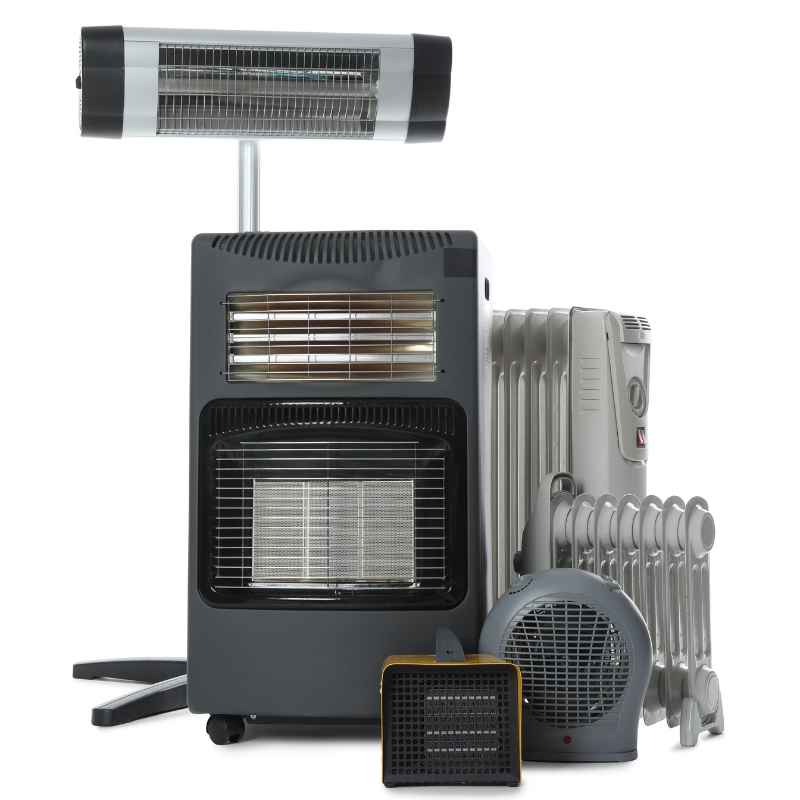
There are a few main ways these heaters are built. Each has its own strengths. Understanding them helps you pick the right one for your situation.
Quartz Heaters
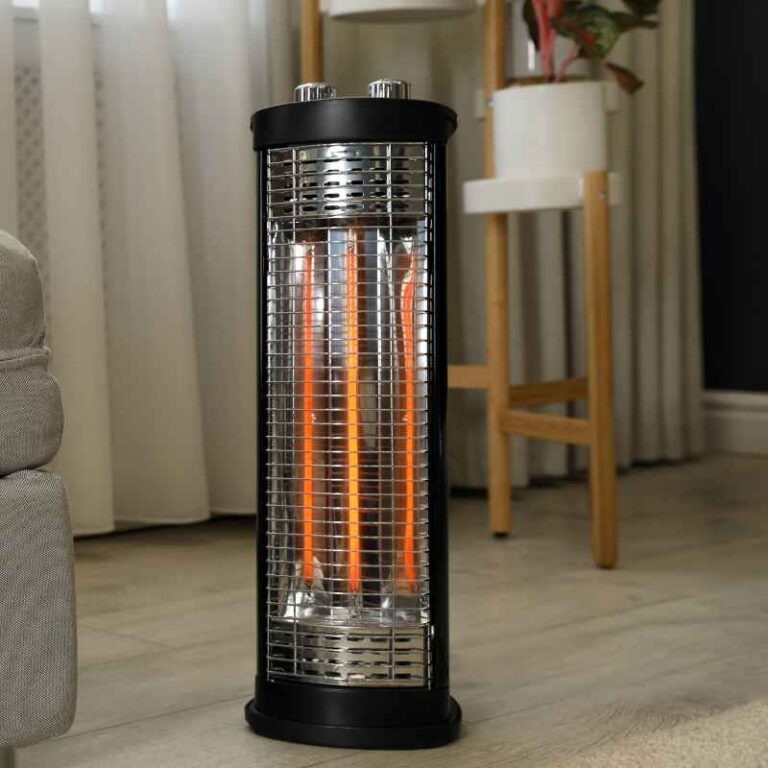
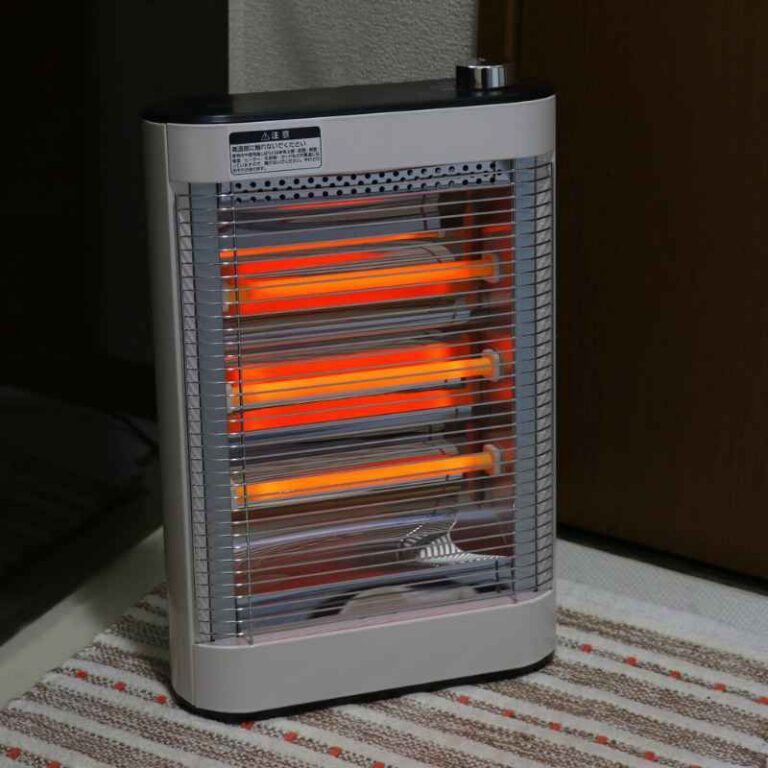
These use quartz tubes. Inside the tubes is a heating element. When it gets hot, it glows and emits infrared waves.
They are very common and get warm fast. You can often see the red glow when they are on.
They are great for quick, targeted heating. If you have a small office or a chilly corner, a quartz heater can make a big difference. They are also usually quite affordable.
Ceramic Heaters
These heaters use ceramic plates. The heating element is embedded in these plates. The plates then heat up and radiate warmth.
Some ceramic heaters also use fans to help move the warm air. This mixes direct radiation with convection.
The ceramic material holds heat well. This means they can continue to give off warmth even after they are turned off for a short time. They are generally safe to the touch, which is good for homes with kids or pets.
Panel Heaters
These are often flat panels that can be mounted on walls or ceilings. They use various heating elements inside. Many modern panel heaters are designed to emit infrared radiation.
They offer a sleek, unobtrusive way to heat a space.
They are a good choice if you want heat without taking up floor space. They can blend in well with your decor. Some are designed to heat a whole room, while others focus on spot heating.
Micathermic Heaters
This is a newer type of heater. It uses mica minerals as the heating element. Mica heats up quickly and emits both infrared radiation and convection heat.
They are known for being lightweight and efficient.
They heat up very fast. You feel the warmth almost instantly. They are also quite good at distributing heat evenly.
They don’t dry out the air as much as some other types.
Spot Heating vs. Room Heating
Spot Heating:
- Focus: Warming a specific person or small area.
- Examples: Sitting at your desk, a small reading nook, a patio area.
- Best For: Infrared heaters with direct, intense waves.
Room Heating:
- Focus: Warming the air and surfaces in an entire room.
- Examples: A living room, a bedroom, a workshop.
- Best For: Radiant heaters that spread warmth more broadly, or convection heaters.
Pros and Cons: What to Expect
Like any heating method, these have their good points and their not-so-good points. Knowing these helps you make a smart choice.
The Good Stuff (Pros)
Direct Warmth: The biggest win is feeling the heat right away. You don’t have to wait for the air to warm up. This is great when you step into a cold room or need quick comfort.
Energy Efficiency (for spot heating): When you only need to warm yourself or a small area, these can be more efficient. You’re not wasting energy heating empty space or the whole room. This can save money on your bills.
No Drafts: Because they don’t rely on air movement, you don’t get annoying drafts. This is a big plus for people sensitive to them. It also means less dust gets blown around.
Quieter Operation: Most don’t have loud fans. Some have a very quiet hum or are completely silent. This makes them nice for bedrooms or quiet living areas.
Preserve Air Quality: They don’t dry out the air as much as some heaters. They also don’t use up oxygen. This can be better for people with allergies or respiratory issues.
The Not-So-Good Stuff (Cons)
Limited Room Heating: If you need to heat a large room evenly, a single infrared heater might not be enough. They are best at direct, personal warmth. You might need multiple units for a whole space.
Safety Concerns (for some models): Some types, especially those with exposed glowing elements, can be a fire hazard if placed too close to flammable materials. Always check safety features and keep them clear.
Hot Surfaces: The heating elements or surfaces can get very hot. This is a risk for young children or pets who might touch them. Always look for models with safety grills or cool-touch exteriors.
Dependence on Line of Sight: The heat waves travel in a straight line. If something is blocking the heater from you or the object you want to warm, you won’t feel the heat. Walls and large furniture can get in the way.
Initial Cost: Some high-end models can be more expensive upfront than basic fan heaters. However, the energy savings over time can make them a good investment.
Quick Scan: Infrared vs. Radiant Heater Benefits
| Benefit | Infrared Heater | Radiant Heater |
|---|---|---|
| Speed of Heat | Very Fast | Fast to Moderate |
| Heat Type | Direct, Intense | Gentle, Diffused |
| Energy Efficiency (Spot) | High | Good |
| Drafts | None | None |
| Air Quality Impact | Low | Low |
Real-World Scenarios: Where They Shine
These heaters are not just for living rooms. They have specific uses where they are truly the best tool for the job. Think about your own home and where you feel that persistent chill.
The Workshop or Garage
Many people work in garages or workshops. These spaces can be drafty and hard to heat. A portable infrared heater can be perfect.
You can aim it right at your workbench. You stay warm while you work, even if the rest of the garage is cold. This makes working on projects much more comfortable, especially in winter.
Open-Concept Living Areas
Large, open living spaces can be tough to heat evenly with just one system. A radiant panel heater mounted on the wall can provide a steady background warmth. You can use smaller infrared heaters to target specific zones, like a reading chair or a seating area, without heating the entire vast space.
Sunrooms and Enclosed Patios
These rooms often have a lot of glass. They can get cold quickly. Radiant heaters are excellent here.
They warm the furniture and the people inside, making the room usable on cooler days. The direct heat feels great when you’re surrounded by windows.
Bathrooms
Stepping out of a shower into a cold bathroom is never fun. A small wall-mounted radiant heater or even a quick-turn-on infrared heater can make all the difference. Some are designed to be safe for bathroom use, so always check specifications.
Outdoor Spaces
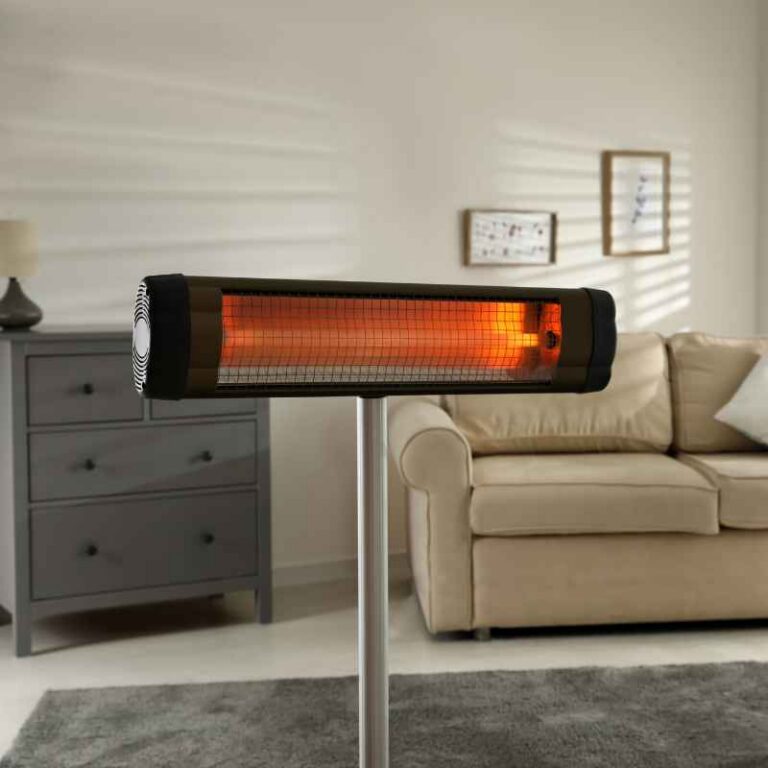
Many outdoor patios and decks now use infrared patio heaters. They extend the usability of outdoor spaces well into the cooler evenings. The infrared waves cut through the chill air to warm people sitting outside.
What This Means For Your Home
Scenario: You feel cold in your office at home, even when the rest of the house is warm.
Recommendation: A small, portable infrared heater is perfect. Aim it at your desk. You’ll feel warm instantly without heating the whole room.
Scenario: You have a large living room with high ceilings, and it’s hard to get it comfortably warm.
Recommendation: Consider a wall-mounted radiant panel heater for general warmth. Supplement with a couple of zone-heating infrared units for seating areas.
Scenario: You want to use your enclosed porch more in the fall and spring.
Recommendation: Radiant panel heaters or dedicated porch heaters are ideal. They provide consistent warmth that makes the space enjoyable.
When Is It Normal, and When Should You Worry?
These heaters are generally safe and effective. But it’s good to know the signs that something might not be right. Most issues are easy to fix.
Normal and Expected
Feeling Warmth Directly: This is the main point! If you feel warm when you’re in front of the heater, it’s working as it should. The air around you might still feel cool, but you are heated.
Quick Heating: Many of these heaters heat up very fast. You should feel warmth within minutes of turning them on. This is a sign of good performance.
Slight Initial Odor: Some new heaters might have a faint burning smell the first time you use them. This is often due to manufacturing residues burning off. It should go away quickly.
No Noise or Minimal Hum: Most are quiet. A slight hum might be normal for some models, especially those with fans. But loud clicking or buzzing is usually not.
When to Be Concerned
No Heat: If you turn it on, and nothing happens, check the power source. If it’s plugged in and switched on, and still no heat, there might be an internal issue. Contact the manufacturer.
Strange Noises: Loud clanking, grinding, or persistent buzzing can mean a fan motor is failing or something is loose. Turn it off and get it checked.
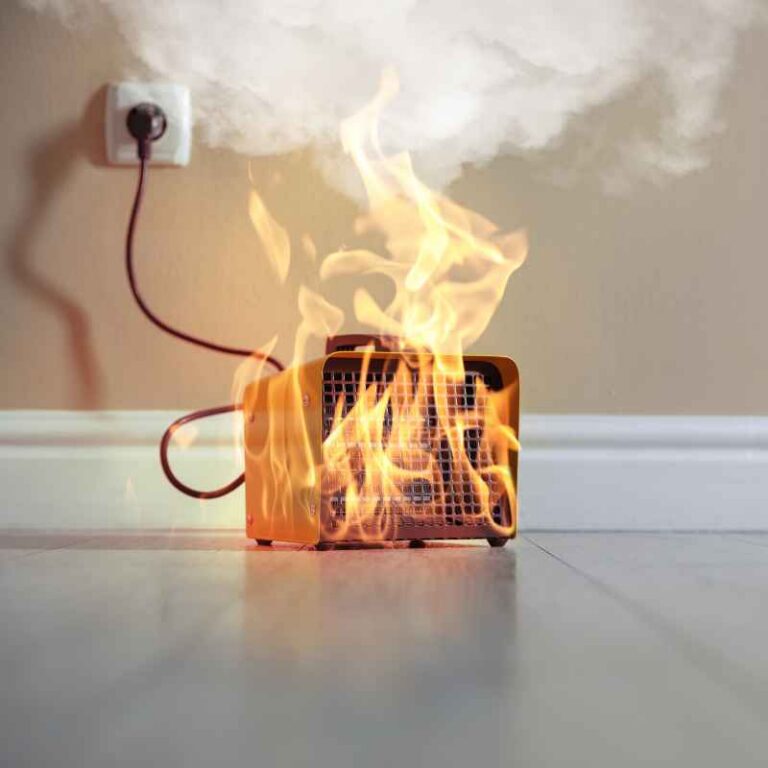
Overheating or Smelling Like Burning: If the heater itself feels excessively hot to the touch (beyond the normal heating surfaces) or smells like strong burning plastic or wire, turn it off immediately. This could be a sign of an electrical problem or a blockage.
Cycling On and Off Too Much: If the heater turns on for a few minutes and then off again repeatedly, and it’s not due to a thermostat setting, it might be malfunctioning. It could be overheating and shutting itself down as a safety measure.
Damaged Cords or Plugs: Always inspect the power cord and plug before use. If you see fraying, cracks, or bent prongs, do not use the heater. This is a serious electrical hazard.
Simple Checks Before You Worry
Power: Is it plugged in securely? Is the outlet working? Try another outlet.
Settings: Is the thermostat set correctly? Is it on the right mode?
Obstructions: Is anything blocking the vents or the heating element?
Cooling Down: If you just turned it off, let it cool down completely before turning it back on. Some have safety timers.
Quick Fixes and Tips for Better Heating
You don’t always need a complex solution. Sometimes, small adjustments make a big difference in how well your heater works.
Positioning is Key
Always aim your infrared heater directly at where you’ll be sitting or working. Think about the path of the heat waves. Don’t put it behind furniture or curtains.
Use It for Zones
Instead of trying to heat a whole large room with one heater, use it to create warm zones. Have one near your favorite chair and another near your desk. This is more energy efficient.
Combine with Other Heat
These heaters work best when they complement your existing heating. Use them to boost comfort in specific spots. Don’t rely on them to heat an entire cold house on their own.
Check for Drafts Elsewhere
Even with direct heat, drafts can make you feel cold. Seal up leaky windows and doors. This helps keep the warm air (or the direct heat) where you want it.
Regular Cleaning
Dust buildup on the heating elements or vents can reduce efficiency and even be a fire hazard. Gently clean your heater according to the manufacturer’s instructions. Usually, this involves unplugging it and using a soft brush or vacuum attachment.
Thermostat Smarts
If your heater has a thermostat, use it wisely. Set it to a comfortable temperature and let the heater cycle on and off. Don’t set it to “high” all the time, as this can waste energy.
Your Heater’s Best Friend: Maintenance
Frequency: Clean your heater at least once a season, or more if you use it often.
Method: Unplug first! Then, use a soft brush or vacuum cleaner with a brush attachment to remove dust from grilles and elements.
Storage: If storing for the summer, clean it thoroughly. Store it in its original box or a protective cover in a dry place.
Frequently Asked Questions
Are infrared heaters safe for pets?
Most modern infrared heaters are safe for pets, provided they are placed at a safe distance and have safety features like cool-touch exteriors or protective grills. Always check the product manual and keep them away from curious pets who might chew on cords.
Do radiant heaters dry out the air?
Radiant heaters, like infrared heaters, warm objects directly and don’t rely on heating the air. This means they tend to dry out the air much less than convection heaters or forced-air furnaces. They are generally good for maintaining comfortable humidity levels.
Can I use an infrared heater in my bathroom?
Some infrared heaters are specifically designed for bathroom use and are safe to be used in humid environments. However, always check the heater’s safety certifications and IP rating (Ingress Protection). Never use a heater not rated for bathroom use due to the risk of electric shock.
How much electricity do these heaters use?
The energy usage depends on the wattage of the heater and how long you use it. A 1500-watt heater will use 1.5 kilowatts per hour. They can be energy efficient for spot heating because you’re only warming the area you need.
For whole-room heating, compare their efficiency to your existing system.
What is the difference between infrared and radiant heat?
Both use electromagnetic waves. Infrared is a specific part of the spectrum. Infrared heaters often emit shorter, more intense wavelengths that provide quick, direct heat.
Traditional radiant heaters can use a broader range, providing a gentler, more diffused warmth. For most home use, the terms are often used interchangeably.
Can infrared heaters cause fires?
Any heating device carries a risk if misused. Infrared heaters can cause fires if placed too close to flammable materials like curtains, paper, or bedding. Always maintain a safe distance and follow the manufacturer’s safety guidelines.
Look for models with automatic shut-off features.
Bringing It All Together
Choosing between infrared and radiant heat is less about a strict divide and more about understanding the type of warmth you want. Both offer efficient, direct heating. They bring comfort without the fuss of air movement.
Think about where you feel cold. Then pick the heater that feels like sunshine for that spot.
Sponsored / affiliate links. As an Amazon Associate I earn from qualifying purchases. I may earn additional commission from eligible campaigns.