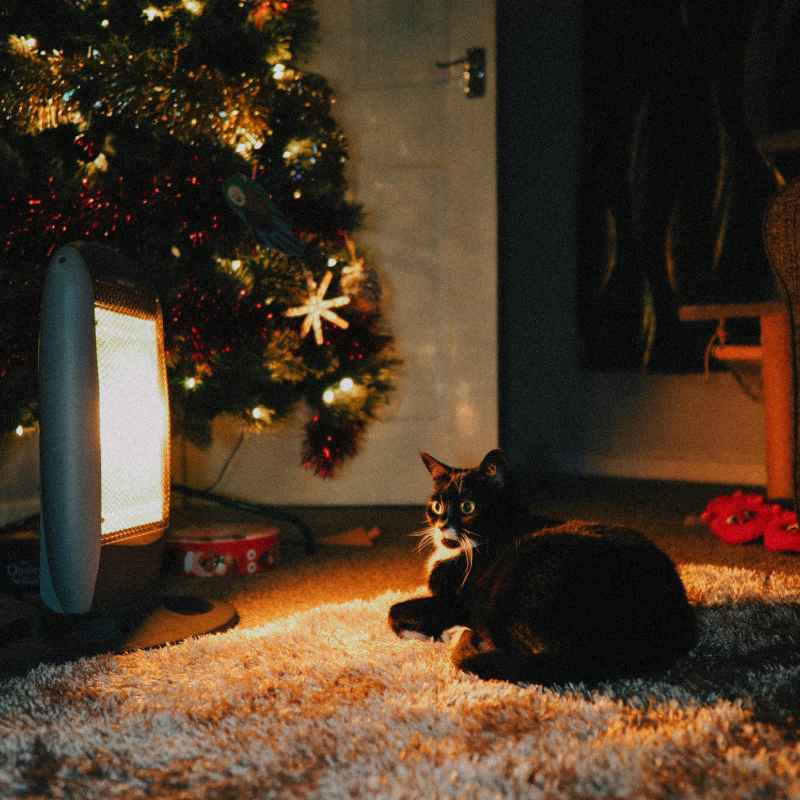
Do Infrared Heaters Raise Your Electric Bill That Much?
Infrared heaters can impact your electric bill. Their energy use depends on size, efficiency, how you use them, and your local electricity rates. They can be cost-effective for targeted heating but may increase bills if used as a primary heat source in a large area.
Proper usage and insulation are key to managing costs.
Understanding How Infrared Heaters Work
Infrared heaters are a bit different from the heaters you might be used to. Most heaters warm the air around them. They push hot air out into the room.
This hot air then heats up everything it touches. Infrared heaters work in a more direct way. They don’t focus on warming the air first.
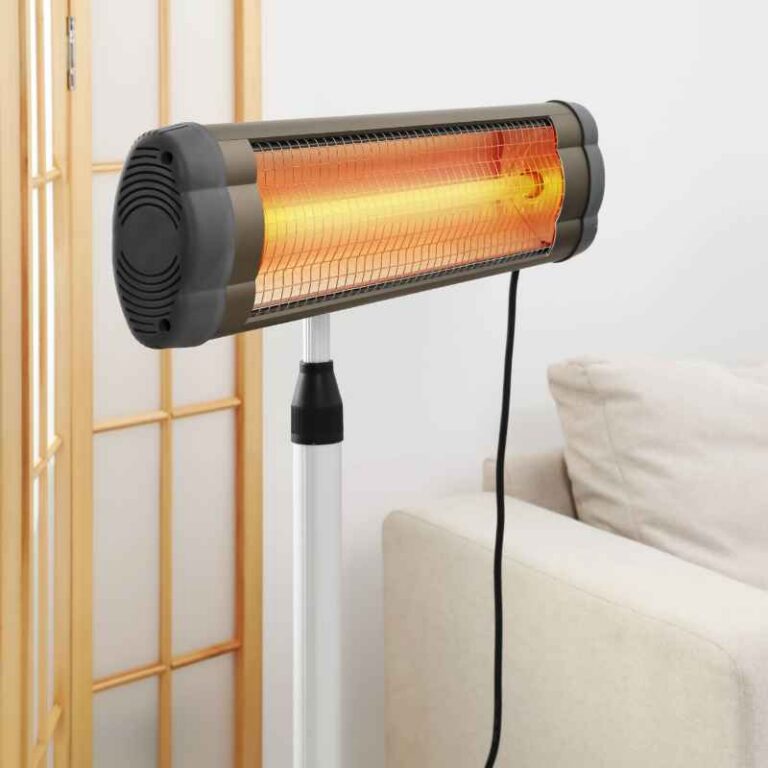
Instead, these heaters send out waves of infrared radiation. Think of it like the warmth you feel from the sun on your skin. Or the heat from a campfire.
This radiation travels through the air. It doesn’t heat the air itself much. But when these waves hit objects or people, they absorb the energy.
This absorbed energy makes those things feel warm.
So, the floor, walls, furniture, and you directly absorb this heat. This feels different. It’s often described as a more natural warmth.
It’s like standing in a sunny spot on a cool day. The air might still be a little cool, but you feel toasty warm.
This direct heating method has some pros. It can feel warmer faster, even in a drafty room. Because it heats objects, the warmth can linger longer.
The heat isn’t just floating around in the air. It’s absorbed into the things in the room. This can be more energy efficient in some ways.
But how does this affect your electricity bill? It’s not a simple yes or no answer. Many things play a role.
We need to look closer at how they use power.
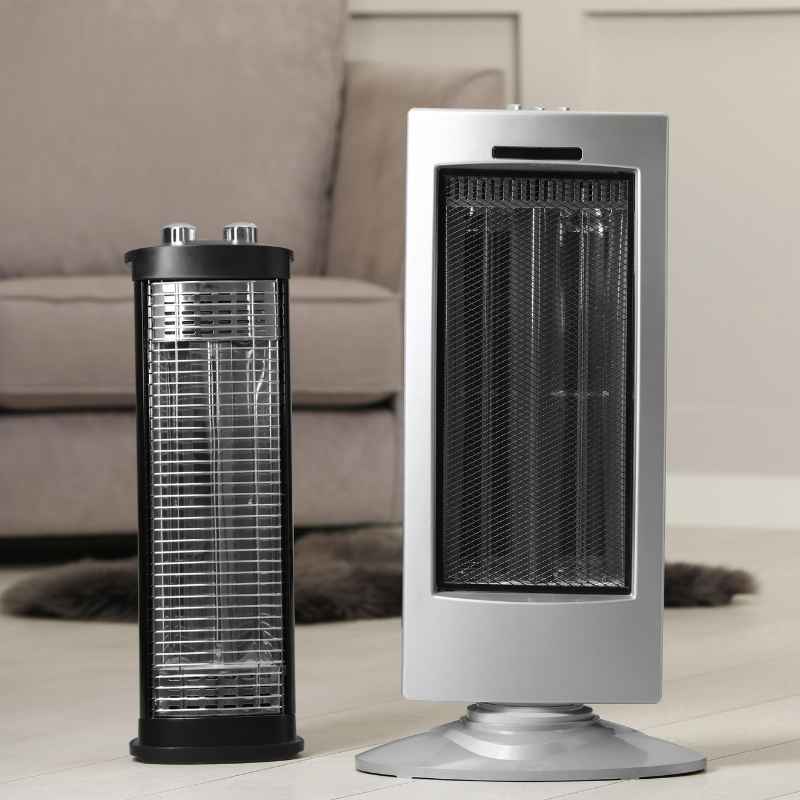
Energy Consumption: Watts, Usage, and Costs
When we talk about how much any heater uses electricity, the first thing to look at is its wattage. This is like the engine size for your car. A higher wattage means it needs more power to run.
Infrared heaters come in many sizes. Small personal heaters might be 500 watts. Larger whole-room heaters can be 1,500 watts.
Some big commercial units can be even more. To figure out the cost, you need to know the wattage and how long you run it.
Let’s say you have a 1,500-watt infrared heater. It uses 1.5 kilowatts (kW) of power. If you run it for one hour, it uses 1.5 kilowatt-hours (kWh) of energy.
This is the unit your electric company charges you for.
Now, what does a kilowatt-hour cost? This is where it gets tricky. Electricity prices vary a lot.
They depend on where you live in the U.S. They also depend on your electric company. And they can change based on the time of day or year.
As a rough idea, let’s use an average U.S. price. Let’s say it’s around $0.15 per kWh.
So, running that 1,500-watt heater for one hour would cost about $0.15 * 1.5 = $0.225. That’s about 23 cents per hour.
If you used it for 8 hours a day, that’s $0.225 8 = $1.80 per day. If you used it every day for a month (30 days), it would be $1.80 30 = $54. This is just for that one heater.
This seems like a lot. But remember, this is if you run it constantly. Many people don’t.
They use it to supplement their main heat. Or they use it for shorter periods in a specific spot.
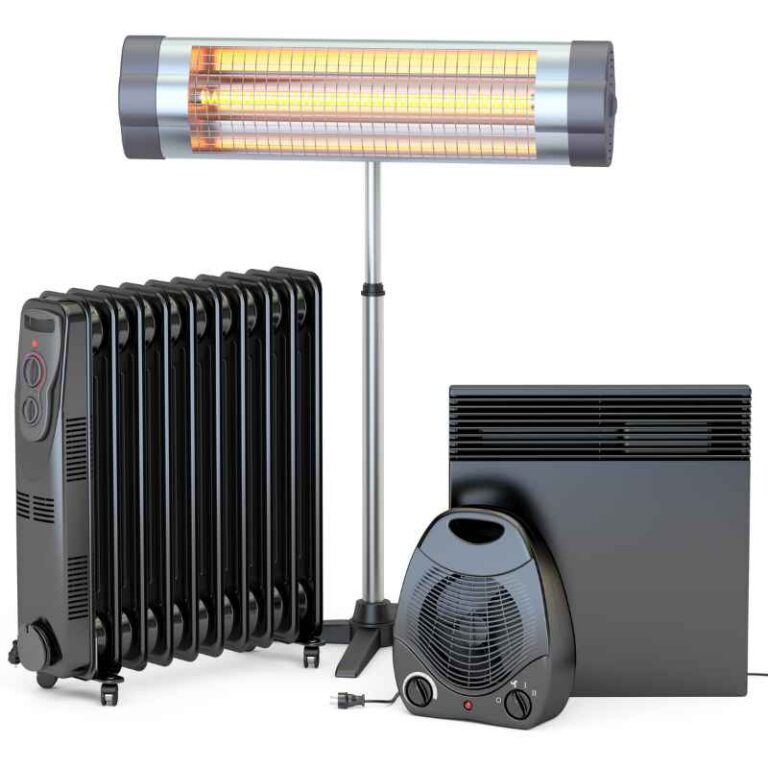
Comparing it to other heaters is also important. A standard electric resistance heater, like a space heater or a baseboard heater, often uses the same wattage. A 1,500-watt space heater uses the same amount of power per hour as a 1,500-watt infrared heater.
The difference comes in how they deliver that heat. Infrared heats you directly. An air heater heats the air.
Sometimes, air heaters can feel less efficient in poorly insulated rooms. The warm air escapes easily.
So, while the wattage might be the same, the perceived warmth and how long you need to run it can change. This is what influences your bill the most.
Energy Usage Snapshot: Infrared vs. Air Heaters
How They Heat:
- Infrared: Heats objects and people directly with radiant waves.
- Air Heaters: Heats the air, then the air heats objects and people.
Wattage:
- Many models have similar wattages (e.g., 1500W).
- Higher wattage means more power needed per hour.
Cost Calculation:
- (Wattage / 1000) Hours Used Price Per kWh = Cost
- Example: 1500W heater for 1 hour at $0.15/kWh = $0.23
Key Factor: How long you need to run it to feel comfortable.
The Role of Infrared Heaters in Your Home
Infrared heaters are often not meant to be your home’s main heating system. Especially not in very cold climates. Think of them more as spot heaters.
They are great for specific jobs. They can make certain areas feel much more comfortable.
For example, imagine you have a sunroom or a garage that gets chilly. You only use it sometimes. Installing a whole-house system for that might be too much.
An infrared heater can warm that space up quickly when you need it.
Or consider your living room. Maybe one side always feels colder than the other. You can point an infrared heater at that area.
It will warm the spot where you are sitting. This lets you keep the thermostat for the whole house a little lower.
This is where the energy savings can happen. If you can lower your main thermostat by a few degrees, that saves a lot of energy. The infrared heater only uses energy when you need that extra warmth in a specific spot.
It’s more efficient than trying to heat every inch of your house.
Another use is in bathrooms. You know how cold it is to step out of the shower? A small infrared panel heater mounted on the wall can warm up that immediate area.
It makes a big difference in comfort.
I remember one winter in my old house. The basement was always a bit damp and cool. We didn’t want to heat the whole house higher just for the basement.
We got a small infrared panel heater. We mounted it on the wall in the corner where we had some chairs. It made the whole area feel cozy.
We used it for a few hours on weekends. It didn’t seem to add much to the bill. It made that space usable.
The key is understanding their strength. They are good at direct, targeted heat. They are less good at filling a large, uninsulated space with consistent, even warmth like a central heating system does.
Factors That Affect Your Electric Bill
So, we know wattage and cost per kWh matter. But there are other big players in the game. Things that can make your bill go up or down, no matter what heater you use.
Insulation: This is huge. If your home is well-insulated, it holds heat well. Less heat escapes.
This means any heater, infrared or not, doesn’t have to work as hard. Or as long. Poor insulation means heat leaks out.
The heater runs constantly. It’s like trying to fill a bucket with a hole in the bottom. You’ll use a lot of water (electricity) and still not fill the bucket.
Drafts: Even with good insulation, drafts can let cold air in. Windows, doors, electrical outlets, and fi
Thermostat Settings: How high do you set your main thermostat? If you keep it at a toasty 75°F, and then add an infrared heater, your bill will climb. If you can set your main thermostat lower, say 68°F, and use an infrared heater to warm your immediate area, that’s a different story.
You’re using the infrared heater to create a comfort bubble.
Climate: Obviously, if you live in Florida, your heating needs are different than if you live in Minnesota. In colder climates, people tend to run heaters for longer periods. This will naturally lead to higher bills.
Even efficient heaters will cost more when used for many hours.
Size of the Space: A small 400-watt infrared heater in a tiny bathroom is different from a 1,500-watt unit in a large living room. The heater has to work harder and longer to heat a bigger space. It might even be underpowered for a large area.
How Often You Use It: Are you using it for an hour a day? Or 12 hours a day? The total hours of operation are critical.
Think of it like driving your car. Driving 10 miles uses less gas than driving 100 miles.
Your Electric Bill Factors Checklist
- Home Insulation: How well does your home keep heat in?
- Air Leaks (Drafts): Check windows, doors, and outlets for drafts.
- Thermostat Habits: What temperature do you set your main thermostat?
- Local Climate: How cold does it get where you live?
- Heater Usage Hours: How long do you actually run the heater each day?
- Room Size: Is the heater appropriately sized for the space you’re heating?
The “Boost” Question: Do They Really Hike Up Bills Dramatically?
So, to get back to the main question: Do infrared heaters dramatically boost your electric bill? The answer is: it depends on how you use them.
When they MIGHT hike your bill:
- If you try to use a small infrared heater to warm a very large, uninsulated room as your only heat source. It will struggle. It will run constantly. It will use a lot of electricity. You might not even feel warm.
- If you use them for many hours every day, in addition to keeping your main heating system on high. This is like running two heaters.
- If your electricity rates are very high. Even moderate usage can add up.
When they likely WON’T hike your bill too much:
- When used as a supplemental heat source. You can lower your main thermostat and use an infrared heater to warm just the space you’re in.
- For targeted heating. Warming a bathroom for a short time, or a home office for a few hours.
- In well-insulated homes. The heat stays where you put it for longer.
- When you use them selectively. Not running them 24/7.
Think about it this way. If you have a big house and you’re always cold, you might be tempted to turn up the central heat. That uses a lot of energy.
Or you could use a few infrared heaters to warm the specific rooms you use most. You could then turn down the central heat. This often leads to savings.
I’ve seen this happen in friends’ homes. They have older houses with not-so-great insulation. They used to crank the thermostat.
Their electric bills were sky-high in winter. Then they started using infrared heaters in the living room and bedroom. They kept the thermostat a few degrees lower.
They said their bills went down. The rooms felt warmer where they spent their time.
It’s about smart usage. It’s about creating a comfort zone where you need it, rather than trying to heat the entire house to a tropical temperature all the time.
Comparing Infrared to Other Electric Heating Methods
It’s useful to see how infrared heaters stack up against other electric heaters. This helps put their energy use into perspective.
Electric Space Heaters (Convection/Fan-forced):
- These heat the air. They use a fan to blow it around.
- They often have similar wattages (e.g., 1500W).
- They can heat a small room fairly quickly.
- However, in drafty or large rooms, the hot air can escape easily. The heater might run more often to keep up.
- The feeling is warm air blowing. It can feel less direct than infrared.
Electric Baseboard Heaters:
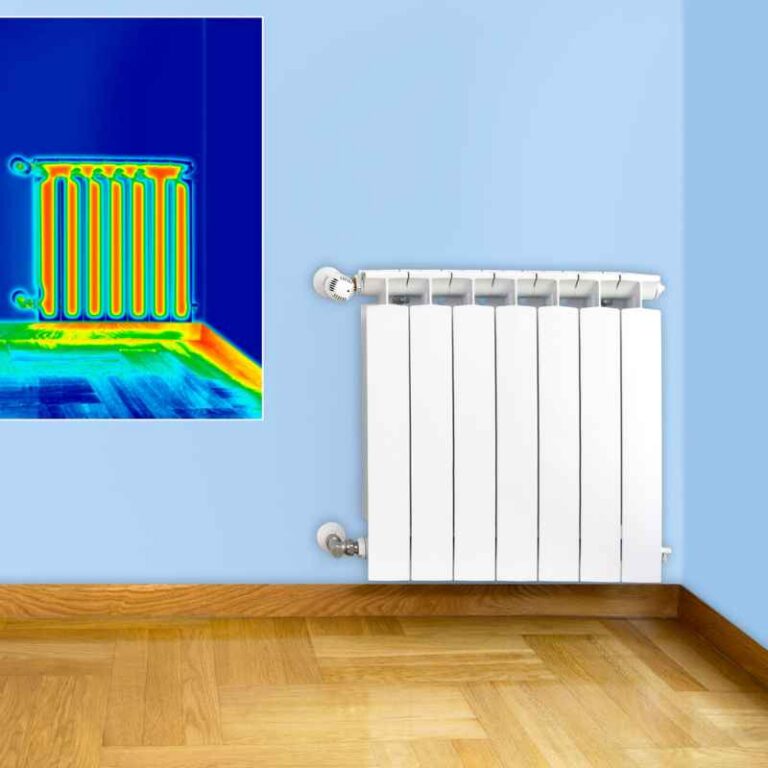
- These run along the base of your walls. They heat the air that rises from them.
- They are designed for whole-room heating.
- They are often on their own circuit.
- They use a lot of electricity if used for extended periods in cold weather.
- They can be efficient if rooms are well-insulated.
- Their setup is permanent. Infrared heaters are portable or easily mounted.
Ceramic Heaters:
- These use a ceramic element to heat air. Similar to convection heaters but often with a ceramic element for heat retention.
- They generally have similar energy consumption patterns to other electric resistance heaters of the same wattage.
- They can provide a consistent heat.
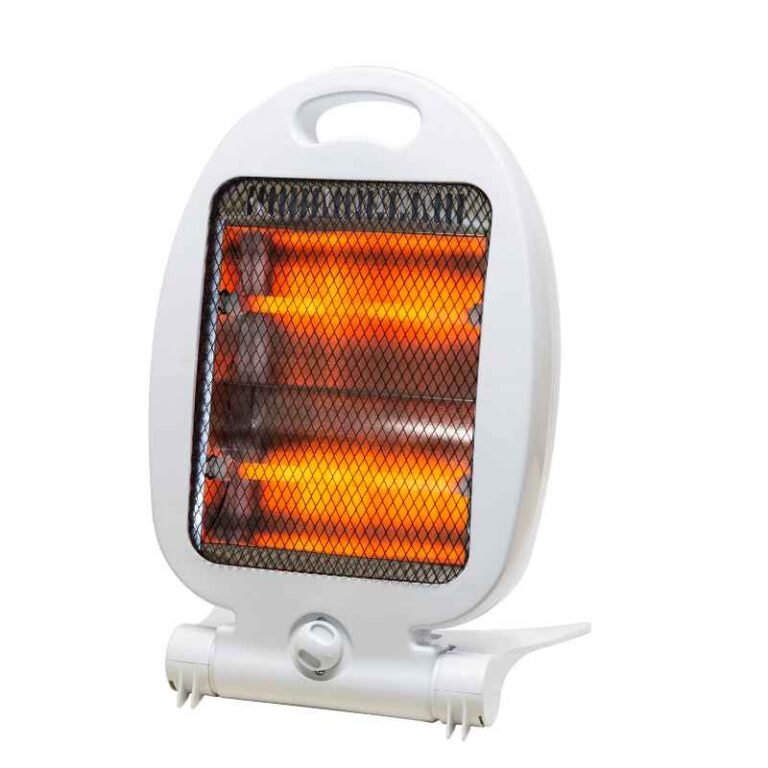
Infrared Heaters (Panel, Quartz, Micathermic):
- Direct radiant heat.
- Can feel warmer faster because it heats you directly.
- Heat can be more localized.
- Less affected by air drafts.
- Can be more efficient for supplemental heating or spot heating.
- Whole-room heating can be less effective than air heaters if the space is very large and poorly insulated.
The main takeaway here is that most electric heaters work by resistance heating. They all convert electricity into heat. A 1500W heater of any type will use about 1.5 kWh per hour.
The difference is how that heat is delivered and how effective it is in different situations. Infrared shines when you need direct warmth on yourself or an object.
Heat Delivery Comparison
| Heater Type | Primary Heating Method | Best For | Energy Impact Example |
|---|---|---|---|
| Infrared | Radiant waves (direct heat) | Spot heating, personal comfort zones, rooms with drafts | May use less total energy if it allows you to lower main thermostat. |
| Convection/Fan | Heats air, blows it | Quickly warming small, enclosed rooms | Can be less efficient in drafty spaces; runs more to maintain air temp. |
| Baseboard | Heats air from the bottom | Whole-room heating in well-insulated spaces | Consistent, but can be high energy use if constantly on in cold climates. |
Real-World Scenarios: How Bills Change
Let’s look at a few examples to paint a clearer picture. These are based on common situations.
Scenario 1: The Home Office Worker
- Situation: Sarah works from home. Her office is in a corner of the house that always feels cooler. She has a 1500W infrared panel heater mounted on the wall.
- Habits: She keeps her main thermostat at 68°F. She turns on the infrared heater when she starts work at 8 AM. She turns it off when she finishes at 5 PM. She uses it 5 days a week.
- Electricity Rate: $0.16 per kWh.
- Calculation: (1500W / 1000) 9 hours/day 5 days/week 4 weeks/month $0.16/kWh = $86.40 per month.
- Analysis: This seems high. But, Sarah noticed she can keep her main thermostat at 68°F. Before, she kept it at 72°F because her office was freezing. The difference between 72°F and 68°F on her central heat saved her much more than $86.40. She feels more comfortable and her overall energy bill actually decreased.
Scenario 2: The Garage Hobbyist
- Situation: Mark has a detached garage he uses for woodworking. It’s not insulated. He uses a 1500W portable infrared heater when he’s out there for a few hours on a Saturday afternoon.
- Habits: He only uses the heater when he’s actively working. The garage door is opened and closed frequently.
- Electricity Rate: $0.14 per kWh.
- Calculation: (1500W / 1000) 4 hours $0.14/kWh = $0.84 per session.
- Analysis: This is a very low cost for making a cold garage usable. Since it’s not a primary living space and used only for short bursts, the impact on his main home electric bill is minimal. The garage has its own meter or the usage is negligible on the main bill.
Scenario 3: The Primary Heat Supplement
- Situation: The Smiths live in a drafty older home. They try to keep their main electric furnace off as much as possible. They use two 1000W infrared heaters in their living room and bedroom.
- Habits: They run the heaters for about 6-8 hours a day in the main living areas. They are constantly trying to manage drafts.
- Electricity Rate: $0.15 per kWh.
- Calculation for Living Room: (1000W / 1000) 7 hours/day 30 days/month * $0.15/kWh = $31.50 per month.
- Calculation for Bedroom: (1000W / 1000) 7 hours/day 30 days/month * $0.15/kWh = $31.50 per month.
- Total Supplemental Heat Cost: $63.00 per month.
- Analysis: This cost is in addition to whatever their very low-set central heat might be using. They feel this is a good trade-off for being comfortable. They monitor their bills closely. They find that even with this supplemental heat, their total bill is often lower than it used to be when they relied solely on their inefficient central furnace.
Usage Type Impacts Bill
Targeted Heating:
- What it is: Warming a small space or person.
- Bill Impact: Usually low.
- Example: A personal infrared heater at your desk.
Supplemental Heating:
- What it is: Used with a lower main thermostat setting.
- Bill Impact: Can be neutral or lead to savings if it allows lower central heating use.
- Example: Warming the living room while the central heat is turned down.
Primary Heating (Inefficiently):
- What it is: Trying to heat a large, uninsulated space as the main source.
- Bill Impact: High.
- Example: Using a small infrared heater in a very large, drafty basement.
What This Means for Your Electric Bill
The short answer is: infrared heaters can raise your electric bill, but they don’t automatically mean a huge jump. It’s all about smart usage and understanding their strengths.
When it’s normal to see a slight increase:
- If you are using it for the first time and running it for several hours a day in a space that was previously unheated.
- If you are in a very cold climate and need extended heating.
- If your electricity rates are particularly high.
When to look closer (potential for a bigger hike):
- If your bill seems much higher than expected and you’re not sure why.
- If you are using it to heat a very large, drafty area for many hours straight.
- If you are running it constantly without turning down your main heating system.
Simple Checks:
- Check your meter: If you have a separate meter for an addition or garage, monitor that. For your main house, track your total usage.
- Review your bill: Look at your kWh usage for the months you used the heater versus previous years. Did it go up by a significant percentage?
- Note the thermostat: Are you running the infrared heater and keeping your main thermostat high? Try lowering the main thermostat.
- Duration of use: How many hours per day are you actually using the heater?
For most people, using an infrared heater for supplemental or spot heating leads to manageable costs. The key is to use it as intended: to create warmth where and when you need it. This often means you can use less of your more expensive central heating.
This can actually lead to savings.
Quick Tips for Managing Costs
If you’re thinking about using an infrared heater, or already have one, here are some simple ways to keep costs in check:
- Use a timer: Many infrared heaters have built-in timers. Use them! Set the heater to turn off after a certain period.
- Thermostat control: If your heater has a thermostat, use it to maintain a specific temperature. Don’t just set it to high and let it run.
- Zone heating: Focus on heating the room you’re in. Close doors to unused rooms.
- Lower your main thermostat: This is the biggest saver. If the infrared heater makes you comfortable at a lower temperature, do it!
- Check for drafts: Seal up any air leaks around windows and doors.
- Insulate: Even adding some insulation to walls or attics can make a big difference.
- Maintenance: Ensure your heater is clean and working properly. Dust can reduce efficiency.
Smart Heating Habits
- Programmable Timer: Set it and forget it.
- Room Thermostat: Avoid overheating.
- Close Doors: Keep heat contained.
- Lower Main Heat: Synergy saves money.
- Seal Drafts: Stop heat escape.
- Clean Heater: Maximize efficiency.
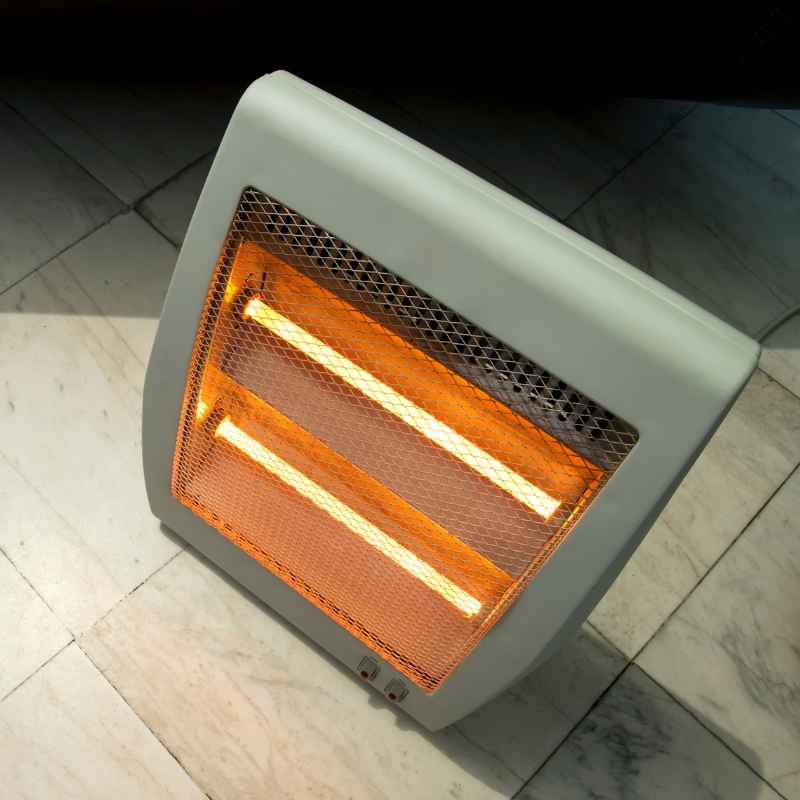
Frequently Asked Questions About Infrared Heater Bills
Are infrared heaters more energy efficient than electric space heaters?
Infrared heaters and standard electric space heaters often use the same amount of energy (wattage) for the same amount of time. For example, a 1500W heater of either type uses about 1.5 kWh per hour. The difference is in how they heat.
Infrared heats objects directly, which can feel warmer faster and retain heat better in some situations. This can lead to using the heater for less time, saving energy. Standard space heaters heat the air, which can escape easily in drafty rooms.
How much does it cost to run a 1500W infrared heater for one hour?
To figure this out, you need to know your local electricity rate per kilowatt-hour (kWh). A 1500W heater uses 1.5 kWh per hour. If your rate is $0.15 per kWh, it costs about $0.23 per hour (1.5 kWh * $0.15/kWh).
If your rate is $0.20 per kWh, it costs about $0.30 per hour. Check your electric bill for your specific rate.
Can an infrared heater replace my central heating system?
For most homes, especially in colder climates, infrared heaters are best used as supplemental or spot heaters. They are excellent for warming specific areas or people directly. Trying to use them as the sole heat source for an entire house, particularly a large or poorly insulated one, will likely be inefficient and may not provide adequate warmth.
Central heating systems are designed for whole-home climate control.
Will using an infrared heater make my electric bill go up significantly?
It depends entirely on how you use it. If you use it to supplement your main heat and can lower your central heating thermostat, your overall bill might stay the same or even go down. If you use it to heat a large, uninsulated space for many hours daily, or run it constantly in addition to high central heat, then yes, your bill will likely go up significantly.
What is the difference between infrared heat and convection heat?
Infrared heat travels in waves. These waves directly heat objects and people they hit, much like the sun’s rays. Convection heat works by warming the air.
A convection heater warms the air around it, and then a fan or natural air currents move that warm air through the room. Infrared feels like direct warmth on your skin, while convection feels like a general warmth in the air.
How can I use an infrared heater to save money on my electric bill?
The best way to save money is by using infrared heaters for zone heating. This means heating only the area you are in. Lower your main thermostat setting by a few degrees, and use the infrared heater to warm your immediate space.
This allows you to use less energy overall than heating your entire house to a higher temperature.
Conclusion
So, do infrared heaters raise your electric bill that much? They absolutely can if you use them incorrectly. But they can also be a smart tool for staying comfortable while managing costs.
Their ability to provide direct, radiant heat makes them great for warming people and objects. This means you might not need to run your central heating as high. Always consider your home’s insulation, your local electricity rates, and how long you’ll be using the heater.
By using them for targeted comfort, you can often enjoy the warmth without a shocking increase in your bill.
Sponsored / affiliate links. As an Amazon Associate I earn from qualifying purchases. I may earn additional commission from eligible campaigns.