How Are Small Natural Gas Infrared Heaters Plumbed In?
For small natural gas infrared heaters, plumbing involves connecting the unit to your existing natural gas line. This uses a gas supply pipe, a shut-off valve, and a flexible connector. Professional installation is highly recommended for safety and to ensure proper operation.
Understanding Natural Gas Infrared Heater Plumbing
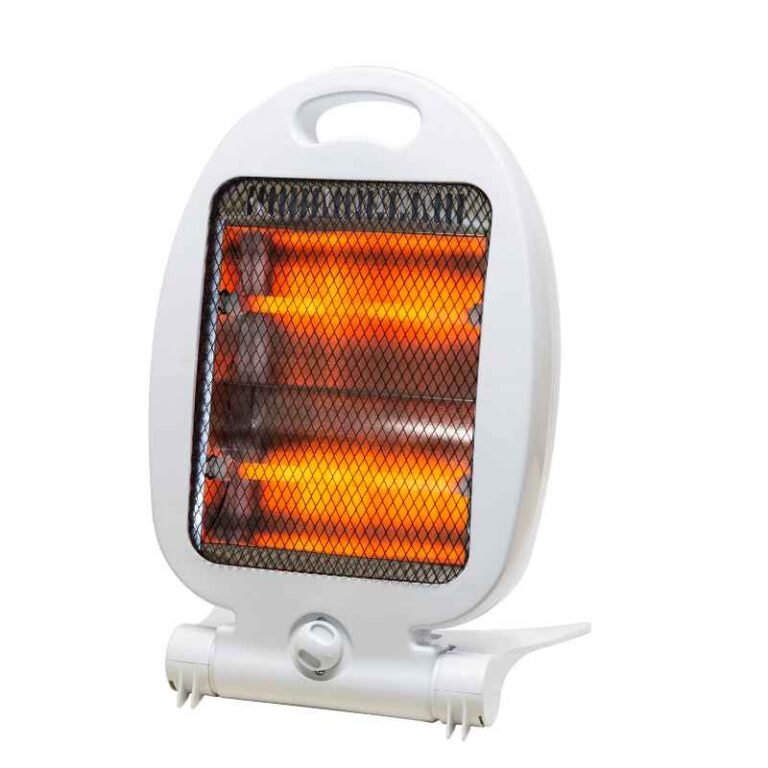
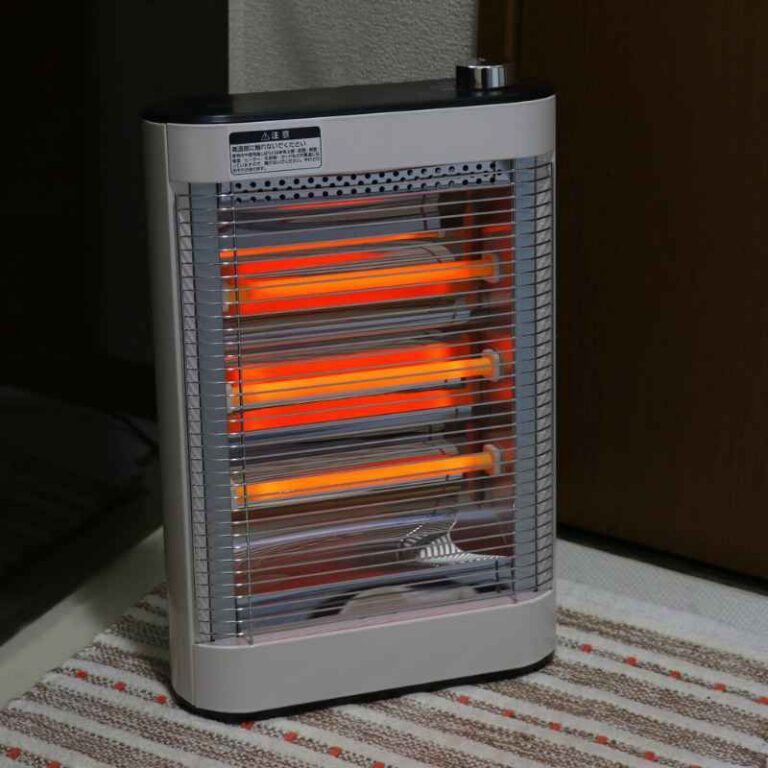
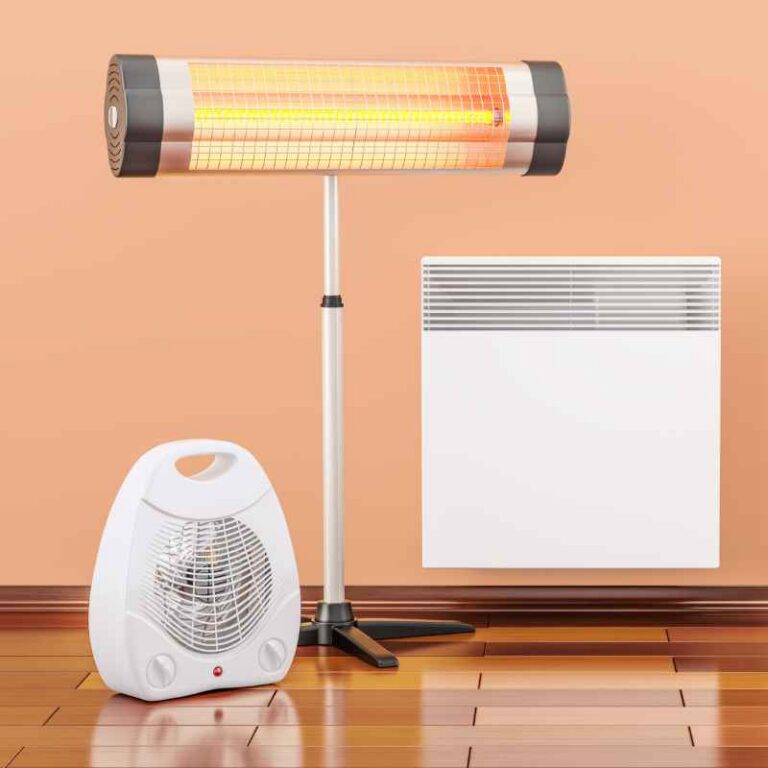
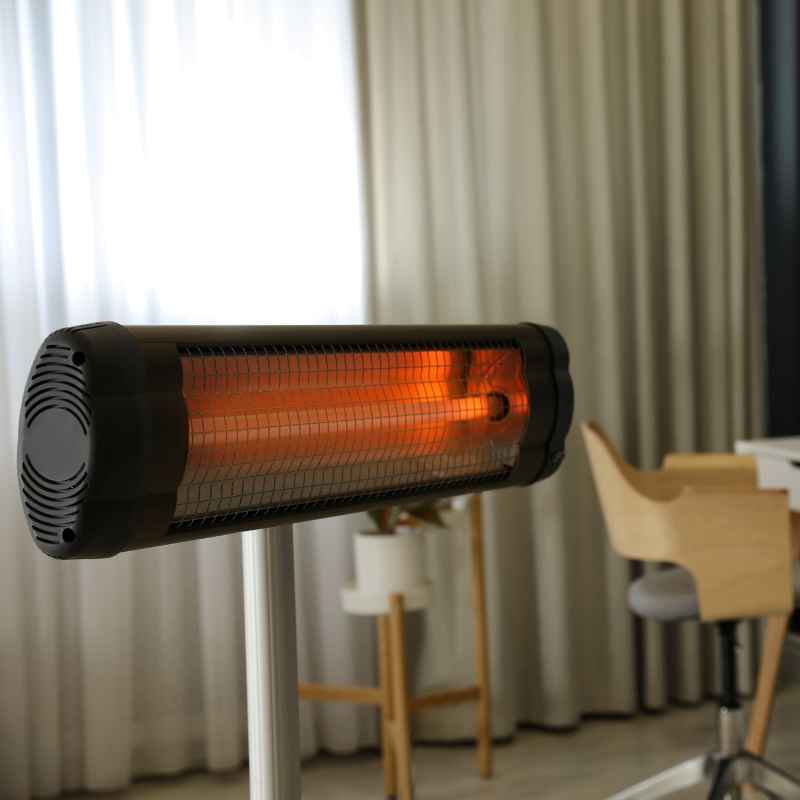
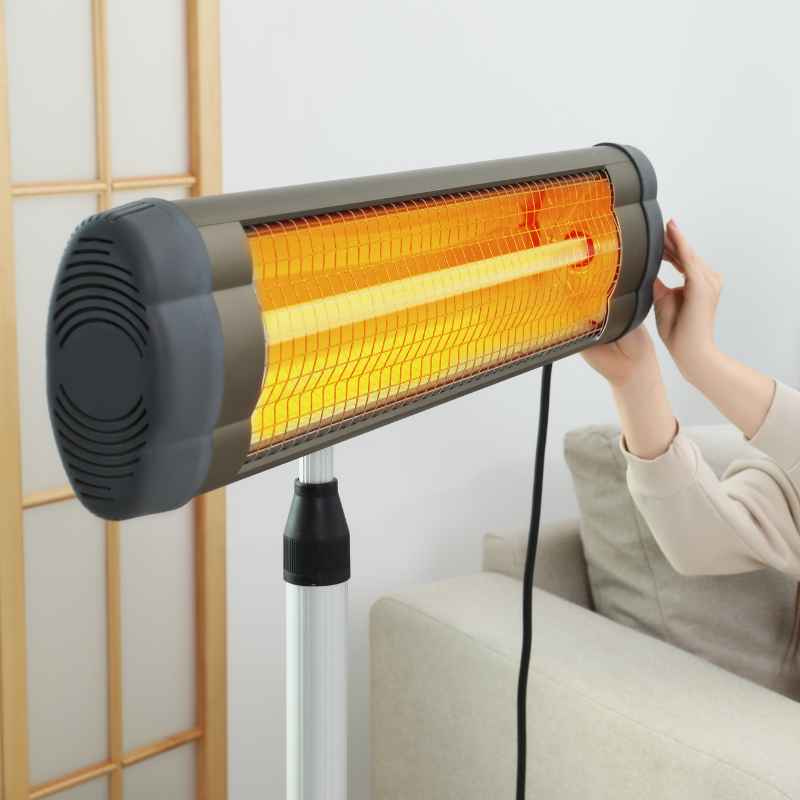
Natural gas infrared heaters are different from the heaters that blow hot air. Instead, they use gas to heat up a surface or element. This element then sends out radiant heat. Think of the sun warming your skin on a cool day. That’s similar to how infrared heat works. It warms objects and people directly. This makes them very efficient for heating specific areas or rooms.
The plumbing for these heaters is all about getting the fuel to them. Natural gas is the common choice for many homes. It’s delivered through pipes from your utility company. The heater needs to tap into this supply safely. This connection point is where the actual plumbing comes in. It’s not like plumbing for water. Water pipes carry water. Gas pipes carry natural gas. This means the fittings and materials must be right for gas. They need to be strong and leak-proof.
My Experience with a Stubborn Space Heater
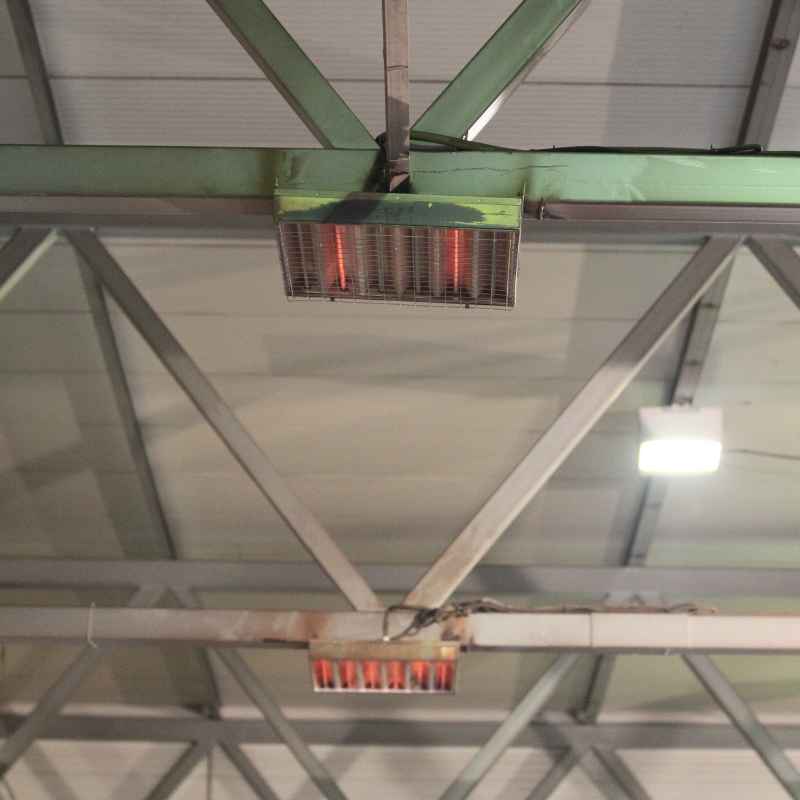
I remember setting up a small workshop in my garage a few years back. I wanted it to be comfortable even in the dead of winter. I decided on a natural gas infrared heater because I heard they were good for direct heat without a lot of noise. The unit itself looked pretty straightforward. It had a place for a gas line to hook up. I’d plumbed in sinks and toilets before, so I figured gas couldn’t be that much harder, right?
Well, that was my first mistake. I had a gas line that was capped off for an old unused stove. I thought I could just unscrew the cap and connect my heater. I bought some pipe and fittings from the hardware store. I was sweating, not just from the work but from a little bit of nerves. I put the pipe together, used the special tape for gas lines, and turned the valve. Nothing happened. I checked my work. I thought maybe I didn’t tighten it enough. I tightened it more. Still nothing. Then I started to really worry. What if I missed something vital? What if I made a dangerous mistake? The thought of a gas leak made my stomach churn. I ended up calling a professional plumber who gently explained how gas lines are different and the specific parts and knowledge needed. It was a humbling but important lesson.
The Key Plumbing Components
When you look at how a natural gas infrared heater is plumbed, there are a few main parts involved. These parts work together to deliver the gas safely and reliably. It’s like a small, specialized system just for your heater.
The Gas Supply Line
Gas Supply Line Basics
This is the pipe that brings natural gas from your main home supply to the heater. It’s usually made of black iron pipe or corrugated stainless steel tubing (CSST). The size of the pipe matters.
It needs to be big enough to carry the right amount of gas. Too small, and the heater might not get enough fuel. This can make it run poorly.
The Shut-Off Valve
Why a Shut-Off Valve is Crucial
Every gas appliance needs its own shut-off valve. This is a safety feature. It lets you stop the flow of gas to the heater.
You’d use this for maintenance or if there’s an emergency. It should be located close to the heater, but not so close that it gets too hot. This valve is usually a ball valve design, easy to turn on and off.
The Flexible Gas Connector
The Flexible Connector Explained
This is a special hose. It connects the shut-off valve to the actual gas inlet on the heater. These are not like regular hoses.
They are made of materials designed to handle natural gas. They are often braided stainless steel or a similar durable metal. Flexible connectors allow for slight movement.
This is good because heaters might vibrate a bit. It also makes installation easier. You need to make sure the connector is the right length and type for your heater and gas supply.
Pipe Dope or Tape
Sealing the Connections
When you connect pipes together, you need to make sure they are sealed. For gas lines, you use special pipe dope (a paste) or gas-rated tape. These sealants fill any tiny gaps.
This stops gas from escaping. You should never use regular plumbing tape or sealant for gas lines. It’s not made for that and could be dangerous.
How the Gas Flows: A Step-by-Step Look
Let’s imagine the path the natural gas takes to get your heater working. It’s a pretty direct route once it reaches the appliance.
1. From the Main Line: The natural gas comes from your home’s main supply pipe. This pipe is connected to the utility company’s network.
2. To the Heater’s Branch Line: A specific pipe, often called a branch line, is run from the main supply to where the heater will be located.
3. Through the Shut-Off Valve: This is the first control point for the heater. Turning the valve off stops all gas flow to the unit.
4. Into the Flexible Connector: The flexible connector attaches to the outlet of the shut-off valve.
5. To the Heater’s Inlet: The other end of the flexible connector attaches to the gas inlet port on the infrared heater itself.
6. Into the Heater’s Burner System: Once inside the heater, the gas flows to the burner. This is where it mixes with air and ignites to create heat.
It’s a simple flow, but each step needs to be done correctly.
Real-World Context: Where You See These Heaters
You’ll find small natural gas infrared heaters in many places. Their direct heating ability makes them popular for specific needs.
Garages and Workshops
Why Garages Love Infrared
Garages and workshops are often uninsulated or poorly insulated. They can get very cold. Infrared heaters are great here because they heat objects and people directly.
You don’t have to wait for the whole space to warm up. You can work comfortably even if the air temperature isn’t super high. The plumbing needs to be safe in these spaces, away from potential damage.
Basements and Rec Rooms
Warming Up Below
Many basements are naturally cooler. If you have a finished or unfinished basement that you use for storage or as a living space, an infrared heater can be a good solution. They provide quick warmth without taking up a lot of floor space.
The plumbing needs to consider moisture levels that can sometimes be higher in basements.
Add-On Rooms or Sunrooms
Extending Usable Space
When you add a room to your house or have a sunroom that’s only usable part of the year, an infrared heater can make it more comfortable. They are good for spaces that aren’t always heated. The plumbing would connect to the home’s existing gas lines.
Outdoor Covered Patios
Year-Round Patio Use
Some larger, more robust natural gas infrared heaters are used on covered patios. These are usually mounted on walls or ceilings. While smaller units are less common for this, the principle of gas plumbing is the same.
Safety regulations are very strict for any outdoor gas appliance.
What This Means for You: When Is It Normal?
Knowing how these heaters are plumbed helps you understand what to expect.
Normal Installation Signs
When a natural gas infrared heater is plumbed correctly, you’ll see certain things. There will be a visible gas line leading to the unit. There will be a shut-off valve near the heater.
A flexible connector will link the valve to the heater. All connections will look clean and secure. You won’t smell any gas.
The heater will also perform as expected. It will light easily. It will produce a steady, even heat.
The flame inside will look healthy. It won’t flicker wildly or be too small. The unit will operate without strange noises or smells other than the normal operation of a gas burner.
When to Worry: Red Flags
There are signs that indicate a problem with the plumbing. The most obvious is a smell of natural gas. Never ignore a gas smell. If you smell gas, turn off the shut-off valve if you can safely do so, leave the area, and call your gas utility or emergency services immediately.
Other warning signs include:
- Leaking or corroded pipes or fittings.
- Loose connections at the valve or heater.
- A shut-off valve that is hard to turn or doesn’t seem to work.
- The heater not igniting or producing very weak heat.
- Yellow or flickering flames instead of a steady blue flame.
- Unusual noises coming from the gas line or heater.
If you notice any of these, it’s time to stop using the heater and get it checked. Safety is the number one priority with gas appliances.
Quick Checks and Safety Tips
Here are some simple checks you can do. They can help ensure your heater is plumbed safely.
The Gas Leak Test
After installation, or if you suspect an issue, you can test for leaks. Mix a small amount of dish soap with water. Brush this soapy water onto all the gas pipe connections.
Turn the gas supply on. If you see bubbles forming at any connection, there’s a leak. Turn off the gas supply immediately and call a professional.
Visual Inspection
Regularly look at the gas line and connections. Check for any signs of damage, rust, or wear. Make sure the flexible connector isn’t kinked, twisted, or touching anything that could damage it.
Professional Installation is Key
We can’t stress this enough: It is highly recommended to have a qualified professional install and plumb your natural gas infrared heater. Gas plumbing requires specific knowledge, tools, and adherence to local building codes. A professional will ensure the job is done right and safely.
They will:
- Verify the correct gas pressure for your home.
- Ensure the gas line size is adequate.
- Use the correct type of pipe and fittings.
- Properly seal all connections.
- Install the shut-off valve correctly.
- Connect the flexible hose according to manufacturer and code requirements.
- Perform a leak test.
- Ensure proper ventilation, which is crucial for any gas appliance.
Do not attempt to do this yourself if you are not experienced and certified in gas line installation. Mistakes can be very dangerous.
Frequently Asked Questions
Can I use a regular propane hose for a natural gas heater?
Can I use a regular propane hose for a natural gas heater?
No, you should never use a regular propane hose or a standard water hose for a natural gas heater. Natural gas hoses and connectors are made from specific materials that are designed to handle the properties of natural gas and the pressures involved. Using the wrong type of hose can lead to dangerous leaks and potential fires or explosions.
How do I know if my gas line is big enough for a heater?
How do I know if my gas line is big enough for a heater?
Determining if your existing gas line is large enough involves understanding the BTU (British Thermal Unit) output of your heater and the length of the gas pipe run. The manufacturer of the heater will provide the BTU requirement. A professional plumber or gas technician can calculate if your current pipe size can adequately supply that amount of gas without a significant pressure drop.
This calculation considers pipe diameter, length, and the number of fittings.
What is the proper way to connect the flexible gas line?
What is the proper way to connect the flexible gas line?
The flexible gas line connects between the gas shut-off valve and the heater’s gas inlet. Both ends of the flexible connector have threaded fittings. You attach one end to the valve’s outlet and the other end to the heater’s inlet.
It’s crucial to use the correct type of connector specified by the heater manufacturer. Ensure the threads are clean and properly sealed, often with pipe dope or tape rated for gas. Avoid overtightening, which can damage the fittings.
Do I need a special regulator for a small natural gas infrared heater?
Do I need a special regulator for a small natural gas infrared heater?
Most residential natural gas lines are already regulated to a standard pressure (typically around 7 inches of water column). Small infrared heaters are designed to operate at this standard pressure. Therefore, you usually do not need an additional regulator specifically for the heater itself.
However, a qualified installer will always verify the incoming gas pressure to ensure it is within the appliance’s operating range.
What is the difference between black iron pipe and CSST for gas lines?
What is the difference between black iron pipe and CSST for gas lines?
Black iron pipe is a rigid metal pipe that has been used for gas lines for many years. It’s durable and strong but requires cutting, threading, and fitting pipes together. Corrugated Stainless Steel Tubing (CSST) is a more modern option.
It’s a flexible, corrugated metal pipe that comes in long rolls. CSST is faster to install in many situations because it can be routed around obstacles more easily. Both are approved for gas lines when installed correctly, but CSST requires specific training and tools.
Are there any venting requirements for small natural gas infrared heaters?
Are there any venting requirements for small natural gas infrared heaters?
Yes, most natural gas infrared heaters require proper venting. Because they burn fuel, they produce combustion byproducts like carbon monoxide. While some heaters may be designed for direct vent systems (where air for combustion comes from outside and exhaust goes outside), others may require connection to a chimney or vent system.
Always check the manufacturer’s installation manual for specific venting requirements. Improper venting is a serious safety hazard.
Conclusion
Connecting a natural gas infrared heater involves a straightforward plumbing setup: a gas supply, a shut-off valve, and a flexible connector. The key is ensuring all these parts are correct, installed safely, and leak-free. While the components are simple, the nature of natural gas demands professional attention for installation. This ensures your heater works efficiently and, most importantly, safely for your home and family. Always prioritize expert help for gas appliance connections.
Sponsored / affiliate links. As an Amazon Associate I earn from qualifying purchases. I may earn additional commission from eligible campaigns.