Don’T Waste Money On Overpriced Infrared Heaters (Read First)
Infrared heaters can be effective, but many are overpriced. Focus on understanding the technology, comparing brands, and considering your actual heating needs. Look for energy efficiency ratings and certifications. Don’t be swayed by fancy claims alone. Smart choices save you money and keep you warm.
What Are Infrared Heaters and How Do They Work?
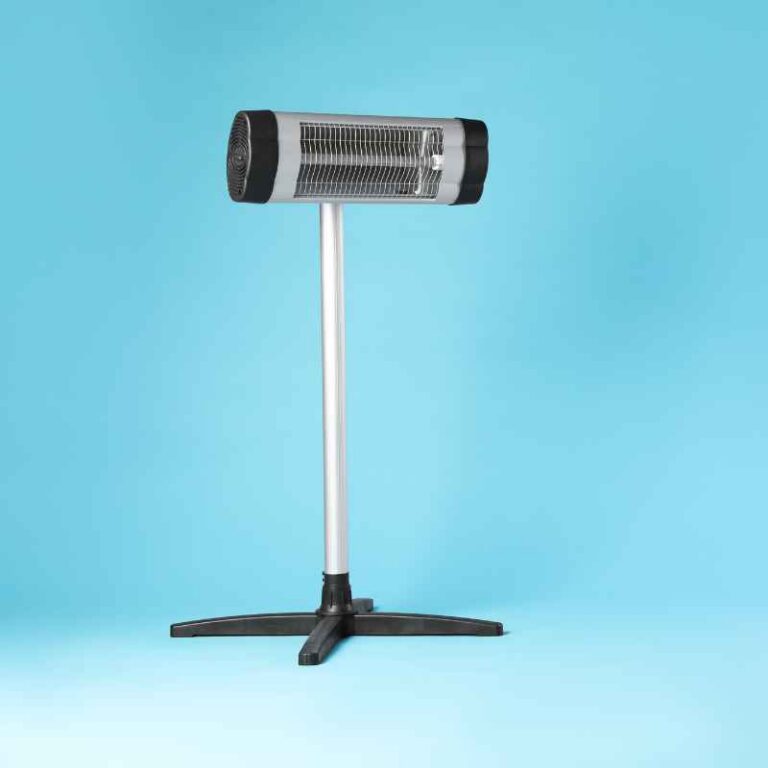
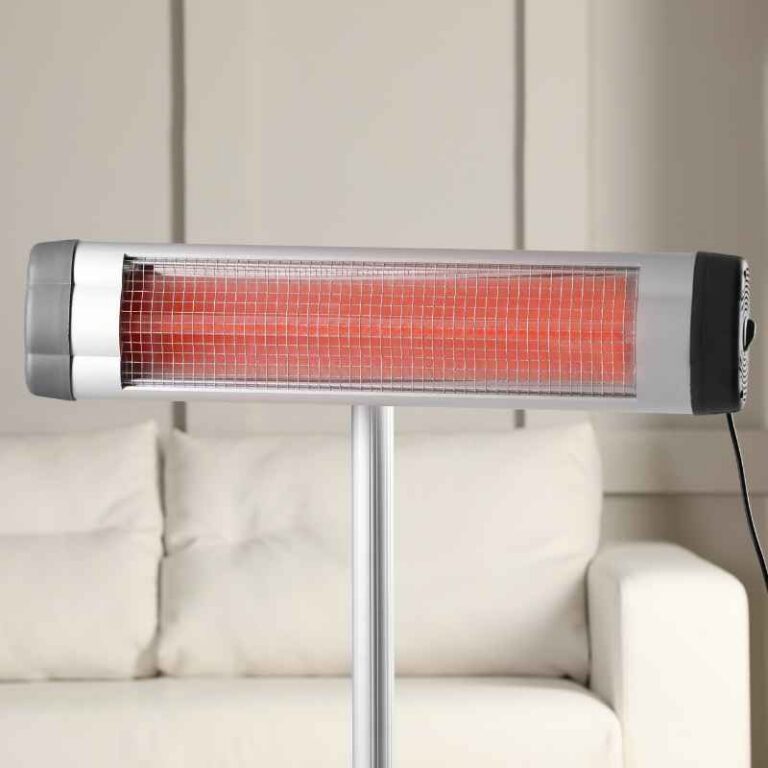
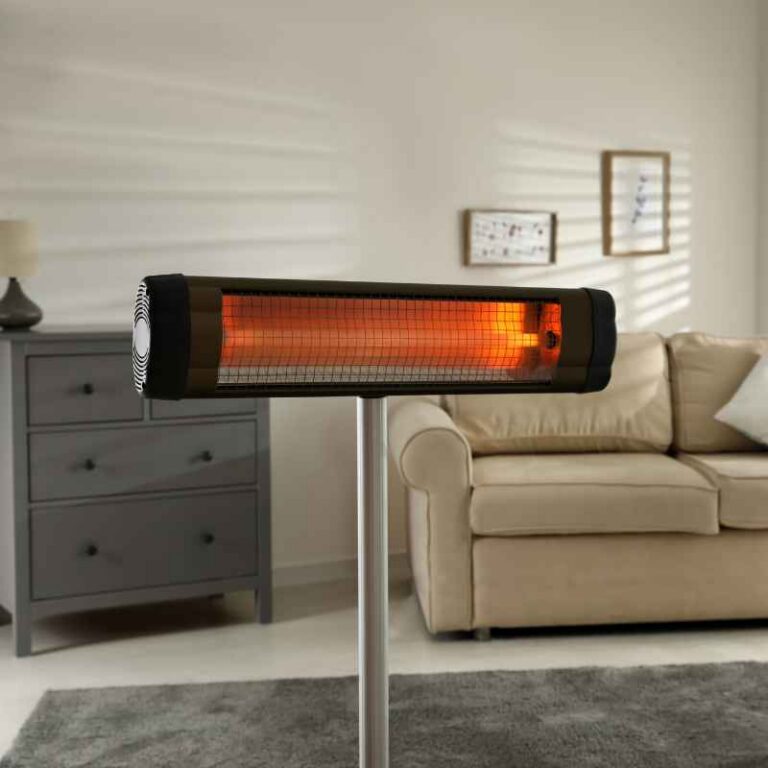
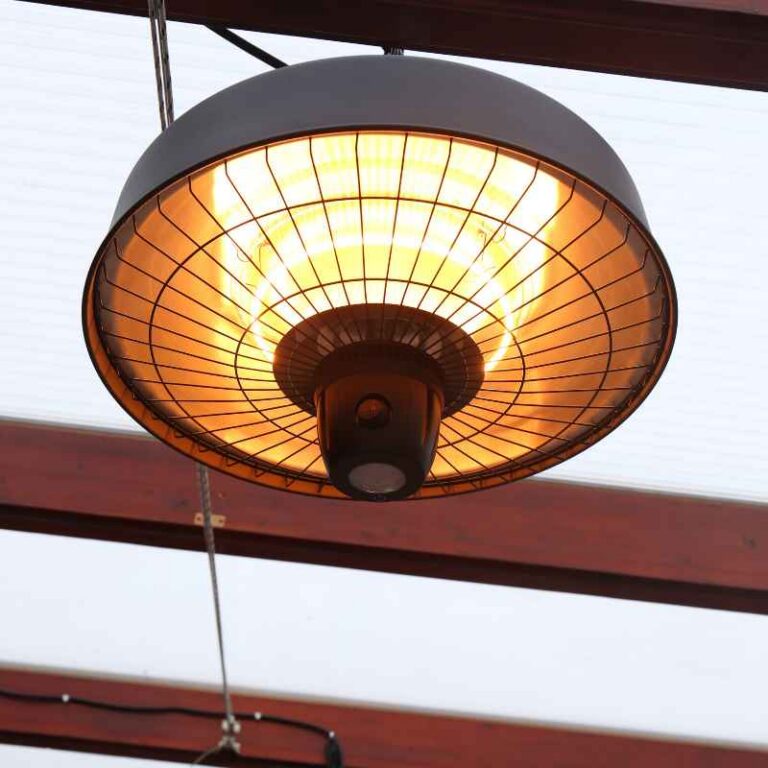
Infrared heaters are a type of electric heater. They don’t heat the air around them. Instead, they send out invisible waves of heat. Think of the sun warming your skin on a cold day. That’s how infrared heat feels. These waves travel through the air. When they hit an object, like your body or a piece of furniture, they turn into heat. This makes the object feel warm directly.
This is different from a traditional space heater. A regular heater warms the air. Then the warm air moves around your room. It can take a long time for the whole room to feel warm. And often, the heat rises to the ceiling. Infrared heat feels instant. It heats you up without warming up all the air first.
This can be good for certain situations. If you only want to warm one spot, like where you sit, an infrared heater is great. It heats you, not the whole room. This might seem like it saves energy. But we will look closer at that. The panels themselves get warm too. But their main job is to send out those heat waves.
My Own Infrared Heater Oops Moment
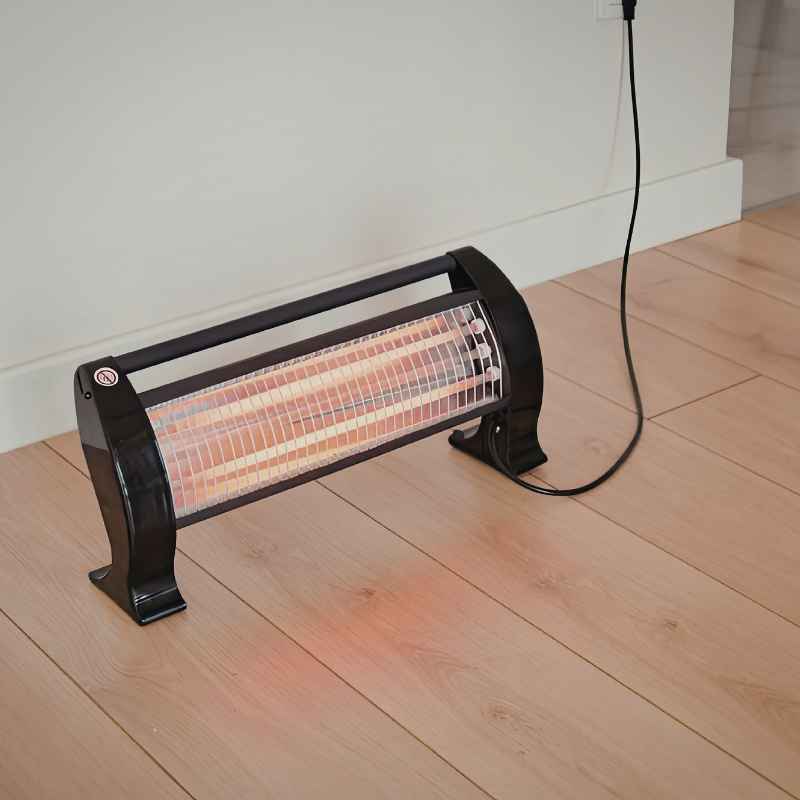
I remember a few winters ago. My basement wasn’t well insulated. It got really cold down there. I was working on a project in my workshop. It was freezing! I saw an ad for a sleek, modern infrared heater. It looked so advanced. The ad claimed it would heat my whole workshop for pennies. It cost me nearly $400.
I eagerly set it up. It looked great. I turned it on. I felt a little warmth on my face. But the rest of the room stayed cold. The air felt damp. My tools felt icy. I sat there for an hour, shivering. The heater was on high. I was still wearing my jacket. I felt so silly and ripped off. The promise of cheap, instant heat was just a dream. It didn’t work for my needs at all.
I learned a big lesson that day. Not all heaters are the same. And fancy marketing doesn’t always mean good value. It’s crucial to understand what you are buying. And if it fits your actual situation. This experience made me look into how these heaters really work. And what makes one worth the price.
Infrared Heater: Quick Facts
How it works: Uses infrared waves to heat objects and people directly.
Feels like: The sun’s warmth on a cold day.
Fast heat: You feel warmth quickly on your skin.
Energy use: Can be efficient if used for spot heating.
Air temperature: Doesn’t heat the air much directly.
Understanding the Science: Radiant vs. Convective Heat
It helps to know the two main ways heaters work. One is radiant heat. The other is convective heat. Infrared heaters use radiant heat. Traditional space heaters often use convective heat.
Radiant heat is like light. It travels in straight lines. It heats surfaces it touches. The infrared waves are a form of light energy. They don’t get blocked by air. They travel right to you. You feel warm almost right away. But if nothing is in the path of these waves, the air stays cool.
Convective heat is different. A convection heater warms the air. The warm air becomes lighter. It rises. Then cooler air sinks. This creates a cycle. This cycle circulates the air. It gradually warms up the entire room. It’s like a slow, steady warming process.
For a whole room, convection heaters can be better. They work to raise the air temperature evenly. Radiant heaters are best for direct warmth. They are like a focused beam of heat. If you need to warm a whole house, a different system is usually best. Trying to heat a large space with only radiant heat can be hard. And it can waste energy if not used right.
The “Overpriced” Factor: Why Some Infrared Heaters Cost So Much
Many factors can make an infrared heater seem overpriced. One big reason is the brand name. Some companies spend a lot on marketing. They show sleek designs and bold claims. This cost gets passed on to you. You might pay for the name more than the heating power.
Another reason is the materials used. High-quality ceramics or quartz elements can cost more. They might last longer. Or they might heat up faster. But are these extra costs always worth it for your needs? Maybe not.
Some heaters have smart features. They connect to Wi-Fi. They have apps for your phone. You can control them from anywhere. This convenience is nice. But it adds to the price. For many people, a simple on-off switch is enough.
Also, look at the wattage. Higher wattage often means more power. But it also means more electricity use. A very high-wattage heater might heat up fast. But it can also run up your electric bill quickly. Companies might charge more for higher wattage. But you must balance power with cost.
And sadly, some heaters just aren’t made well. They look good but break easily. Or they don’t produce much heat. These are clear examples of being overpriced. You pay a lot for something that doesn’t perform.
Signs of an Overpriced Heater:
- High Cost, Low Wattage: You pay a lot for a heater that doesn’t use much power.
- Empty Promises: Marketing claims seem too good to be true.
- Unknown Brands: Little information or reviews about the company.
- Complex Features You Don’t Need: Paying extra for smart tech you won’t use.
- Cheap Build Quality: Feels flimsy or made of low-grade plastic.
Real Homes, Real Heating: When Infrared Makes Sense
Infrared heaters can be a good choice in some specific home situations. Think about a sunroom. It gets a lot of sun. But it can still feel cool on cloudy days. An infrared panel on the wall can add direct warmth. It makes the room feel cozy when you want it. You don’t need to heat the whole house. Just that one space.
A small home office is another good spot. If you work from home, you might spend hours at your desk. You can place an infrared heater under your desk. It warms your legs and body directly. You can keep the rest of the house cooler. This saves energy. It keeps you comfortable while you work.
Another common use is for garages or workshops. Like my failed attempt! If you only use the space for short periods. And you want to feel warm while you are there. An infrared heater can work. You turn it on when you go in. You feel heat quickly. Then you can turn it off when you leave. This is much better than trying to heat a large, uninsulated space for hours.
Bathrooms can also benefit. Imagine stepping out of a shower. A quick burst of infrared heat can feel amazing. You can mount a small panel on the wall. It warms you up instantly. It’s a luxury that can be practical too.
The key is spot heating. Warming a small area where people are. For short periods. This is where infrared shines. It’s efficient because it’s direct. It’s not trying to heat the whole room or house.
When to Be Wary: Red Flags of a Bad Deal
Let’s talk about the not-so-good side. Sometimes, infrared heaters aren’t a good buy. Be careful if a heater claims to heat your entire home efficiently. Especially if it’s a small unit. Most homes need more than one type of heating. Or a central system. A single small heater, even infrared, can’t do that.
Watch out for vague wording. If it says “energy saving” without numbers. Or “heats instantly” without context. These can be marketing tricks. Look for specific wattage. Look for efficiency ratings. These give you real data.
Also, be skeptical of “miracle” claims. If a heater promises to cut your heating bill by 80%. It’s probably not true. Heating costs depend on many things. Like your home’s insulation. The outside temperature. And how much you use the heater.
If you can’t find much information about the company. Or if there are very few reviews. It’s a risk. Stick to brands that have a good reputation. Look for customer feedback. See what real people say about their experience.
And never buy something that feels poorly made. If the plastic is thin. Or the stand is wobbly. It might not be safe. Or it might break very soon. These are signs you are not getting good value. Even if the price seems okay.
Red Flags to Watch Out For:
- “Heats Entire Home” Claims: For a small unit, this is unlikely.
- Vague “Energy Saving” Statements: No specific numbers or ratings.
- Unrealistic Bill Reduction Promises: Marketing hype without proof.
- Lack of Brand Information: Hard to find company details or reviews.
- Poor Build Quality: Feels cheap, flimsy, or unsafe.
Decoding the Numbers: Wattage, BTUs, and Efficiency
To avoid buying an overpriced heater, you need to look at the numbers. Wattage is a key one. Wattage tells you how much power the heater uses. A higher wattage means more heat output. But it also means more electricity used.
For a small room or spot heating, 500-1500 watts is common. For larger areas, you might need more. But for infrared, think about the area you want to warm directly. A 1000-watt infrared heater can warm you well if you are close to it. It won’t heat a large, drafty room.
BTUs (British Thermal Units) are another measure. They tell you how much heat energy is produced. Higher BTUs mean more heat. For example, a heater might be rated at 5,000 BTUs. This is a decent amount of heat for a small space. But watts are more common for electric heaters.
Efficiency is important too. Infrared heaters are efficient for spot heating. This means they use less energy to warm you directly. They don’t waste as much energy trying to heat the air. But they are not magic. They still use electricity. Check for energy efficiency labels. Like Energy Star. Though not all infrared heaters have this.
Compare wattage to the size of the space you want to heat. And the type of space. Is it well-insulated? Or is it drafty? A drafty space will lose heat faster. You’ll need a more powerful heater. Or you’ll need to address the drafts.
Comparing Infrared Heater Types: What’s the Difference?
Not all infrared heaters are the same. There are a few main types. Knowing the difference can help you choose wisely.
Panel heaters are flat and thin. They often mount on walls or ceilings. They spread heat out. They are good for warming a general area. Like a living room or bedroom. They are often more subtle in design.
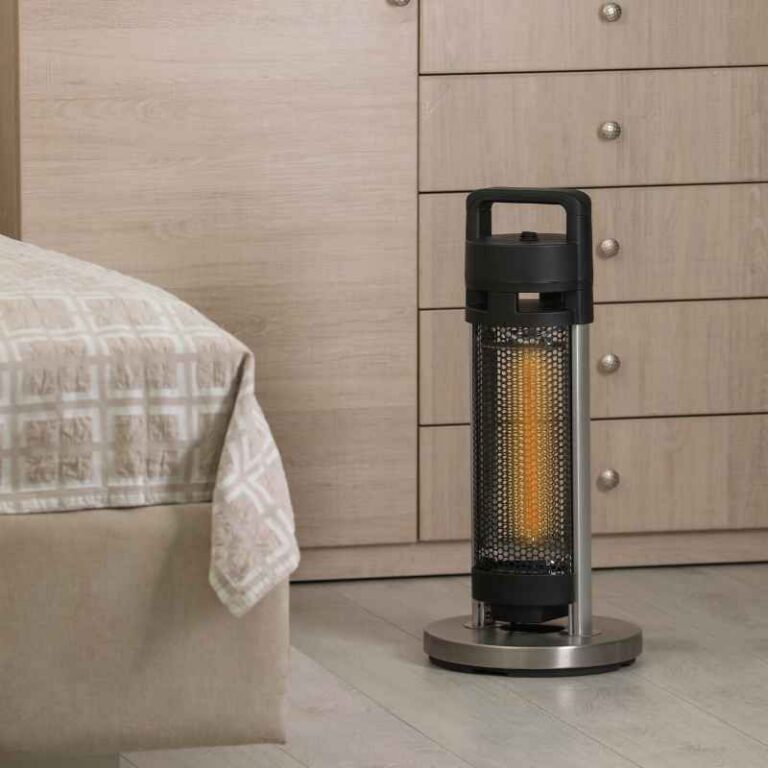
Ceramic infrared heaters use a ceramic element. This element gets very hot. It emits infrared waves. These are often used in smaller, portable units. They can heat up quickly. But the ceramic can be fragile.
Quartz infrared heaters use quartz tubes. These tubes contain a heating element. They also get very hot. They are known for fast heating. Some people find the light from quartz elements a bit bright.
There are also infrared patio heaters. These are for outdoor use. They are much more powerful. They are designed to cut through cool outdoor air. You wouldn’t use these inside your home normally.
When you are looking at prices, consider the type. Panel heaters might cost more upfront. But they can offer a more even heat. Portable ceramic or quartz heaters might be cheaper. But they might be less durable. Or heat a smaller area.
The Role of Insulation and Drafts
This is huge. No matter how fancy your heater is, if your home leaks heat, you’re wasting money. Infrared heaters are best in well-insulated spaces. Or when used for spot heating.
Think of a poorly insulated room. It’s like a sieve for heat. Warm air escapes. Cold air comes in. Your heater has to work much harder. It will run longer. It will use more electricity. Even an infrared heater can’t overcome massive heat loss.
Drafts are a big problem. Check around windows and doors. Feel for cold air coming in. Use weatherstripping. Or caulk gaps. You can buy draft stoppers for doors. These simple fixes make a big difference.
Basements and attics are often poorly insulated. If you plan to heat these areas, you must address insulation first. Adding more insulation to your walls and attic is a good investment. It pays off for years. It makes any heating system work better. Including infrared.
Smart Features vs. Simple Controls: What’s Necessary?
Many modern infrared heaters come with smart features. Like Wi-Fi connectivity. App control. Timers. Even voice control. These can be convenient. You can adjust the temperature from your couch. Or set a schedule.
However, these features add to the cost. Are they worth the extra $50 or $100? For some people, yes. If you travel a lot. Or you like having everything controlled from your phone. It can be nice.
But for most people, simple controls are fine. A dial or buttons to set the temperature. A timer function. These are often enough. Don’t pay for features you won’t use. A basic, well-made infrared heater can do a great job. Without all the bells and whistles.
Consider your own habits. Do you often forget to turn off the heater? A timer or remote control might help you save energy. Are you always losing the remote? Maybe simple controls are better. Think about what makes your life easier. And what saves you money.
Infrared Heater Features: Pay Attention to These
- Wattage: How much power it uses and heat it produces.
- Room Size Rating: What size space it’s designed for.
- Safety Features: Tip-over switch, overheat protection.
- Thermostat: To maintain a set temperature.
- Smart Controls: Wi-Fi, app, timer (optional).
- Build Material: Ceramic, quartz, metal casing.
Safety First: What to Look for in an Infrared Heater
Safety is super important with any heater. Especially portable ones. Look for built-in safety features.
A tip-over switch is a must. This switch automatically turns off the heater if it falls over. This prevents fires.
Overheat protection is also key. If the heater gets too hot inside, this feature shuts it down. This can happen if air vents are blocked.
Make sure the casing stays cool to the touch. Or at least cool enough not to burn you. Some heaters get very hot on the outside. This is a hazard, especially with kids or pets.
Read the instructions carefully. Understand how to use the heater safely. Don’t block the air vents. Keep it away from curtains, furniture, and bedding. Never use it in a wet area like a shower.
Check for certifications. UL or ETL listed. These mean the product has been tested. And meets safety standards. It’s a good sign the product is made well. And has safety features in mind.
Don’t leave any heater running unattended for long periods. Especially older models. Or if you have pets or young children. A little caution goes a long way.
Comparing Brands and Reading Reviews
When you see a price tag, ask yourself: is this brand reputable? Some brands are known for quality. Others. not so much. Do some research. Look for brands that have been around. Brands that have good customer service.
Customer reviews are your best friend. Read them carefully. Look for patterns. Do many people complain about the same thing? Like it breaking after a month? Or not heating enough? These are important clues.
Also, look for reviews that are detailed. Someone who says “It’s good” isn’t as helpful as someone who says “It warmed my 10×12 room well for about 2 hours. I liked the remote control.”
Be wary of reviews that seem fake. Too many perfect reviews. Or reviews that sound too much like sales pitches. These might not be honest. Look for a mix of positive and negative feedback. This gives you a more balanced view.
Consider where the heater is made. While not always a direct indicator of quality, it can sometimes influence price and build. Look for warranties. A good warranty shows the company stands behind its product.
The Real Cost: Electricity Bills and Long-Term Savings
The upfront cost of an infrared heater is one thing. The ongoing cost of running it is another. Infrared heaters can be energy efficient. But only if used correctly.
If you use a 1500-watt infrared heater for 10 hours a day, every day, your electricity bill will go up. Electricity costs vary by state. But running a high-wattage appliance for long periods adds up.
Let’s say electricity costs $0.15 per kilowatt-hour (kWh). A 1500-watt heater uses 1.5 kilowatts. So, running it for one hour costs 1.5 kW $0.15/kWh = $0.225. Running it for 10 hours costs $2.25. If you do that every day for a month, that’s $2.25 30 = $67.50 just for that one heater.
This is why spot heating is key. If you only turn it on for an hour or two when you need it. The cost is much lower. Or if you use it to supplement your main heating. Instead of relying on it for everything.
Think about the alternative. If you heat a whole room or house with your main system. And only use the infrared heater for direct warmth. You might save money overall. You can set your thermostat lower. And use the infrared heater for your personal comfort.
Don’t just look at the price tag. Consider the energy use. And how you plan to use the heater. Over a few years, the electricity cost can be more than the purchase price.
Cost-Saving Tips for Infrared Heaters:
- Use for Spot Heating: Warm only the area you are in.
- Supplement Main Heat: Lower your thermostat and use infrared for personal comfort.
- Use Timers: Avoid leaving it on when not needed.
- Improve Home Insulation: Reduce heat loss so the heater works less.
- Seal Drafts: Prevent cold air from entering your space.
- Compare Electricity Rates: Know your local cost per kWh.
What About Energy Star Ratings?
Energy Star is a program run by the U.S. Environmental Protection Agency. It helps consumers identify energy-efficient products. Products with the Energy Star label use less energy than standard models. They can save you money on utility bills.
However, not many portable space heaters, including infrared ones, carry an Energy Star rating. This is partly because their efficiency depends heavily on how they are used. And the space they are heating.
When looking for a heater, if you see an Energy Star label, it’s a good sign. It means the manufacturer has worked to make it efficient. But if it’s not there, don’t rule out a heater completely. You can still find efficient models. You just need to look at the wattage. And consider how you’ll use it.
Focus on the wattage relative to the heat output. And compare it to similar models. A heater that puts out a lot of heat for its wattage might be more efficient in practice.
Infrared Heaters vs. Other Space Heaters
Let’s quickly compare infrared to other common space heaters.
Ceramic heaters: These use a fan. They blow heated air. They warm a room more evenly than infrared. But they can be noisy. And they rely on circulating air. Infrared heats objects directly.
Oil-filled radiators: These are slow to heat up. But they provide a steady, even warmth. They are often quiet. They don’t dry out the air as much. They are good for long-term heating. But they are bulky.
Convection heaters: Similar to ceramic. They warm the air and circulate it. Good for whole rooms. But take time to heat up.
Infrared heaters are best for quick, direct warmth. They are silent. They don’t dry the air. But they don’t heat a whole room as effectively as convection or ceramic heaters. They are perfect for personal comfort. Or for heating a very small, enclosed space.
Making the Smart Choice: When is an Infrared Heater Worth It?
So, are overpriced infrared heaters worth it? Mostly, no. You can find good ones at fair prices. The key is to be an informed buyer.
An infrared heater is worth it if:
You need quick, direct warmth for a small area.
You want to supplement your main heating system.
You want to keep your main thermostat lower.
You need a quiet heating solution.
You are heating a space you only use for short periods.
It is NOT worth it if:
You need to heat a large home or multiple rooms evenly.
You are looking for the cheapest upfront cost without considering energy use.
You believe marketing claims that sound too good to be true.
Your home has very poor insulation and many drafts.
Do your homework. Compare prices and features. Read reviews. Think about your specific needs. Don’t just buy the most expensive or the fanciest one. Buy the one that will actually do the job you need it to do. For a fair price.
Frequent Questions About Infrared Heaters
Can infrared heaters really cut my electricity bill?
They can help reduce your bill if you use them smartly. By heating only the spot you are in and keeping your main thermostat lower, you can save energy. They are not magic, though.
High wattage used for long periods will still increase your bill.
How do I know if an infrared heater is too expensive?
Compare prices for similar wattage and features from different brands. If one heater costs much more than others with the same specs, it might be overpriced. Also, consider brand reputation and reviews.
High marketing costs can make a heater seem expensive.
Are infrared heaters safe for kids and pets?
Most infrared heaters have safety features like tip-over switches and overheat protection. However, the heating elements can get very hot. Always keep them away from children and pets.
Ensure the casing doesn’t get too hot to touch. Read the manual for specific safety advice.
Can an infrared heater replace my furnace?
No. Infrared heaters are typically designed for spot heating or supplemental warmth. They cannot efficiently heat an entire house.
For whole-home heating, you need a central system like a furnace or a robust heating setup.
What is the best way to use an infrared heater for a garage?
Use it for short periods when you are actively working in the garage. Turn it on when you go in and off when you leave. Make sure the garage is as sealed as possible.
Infrared is good for quick personal warmth in a cold space.
How long do infrared heating elements usually last?
The lifespan varies by brand and quality. Many reputable infrared heaters have heating elements designed to last for years, often tens of thousands of hours. Some manufacturers offer warranties on the heating elements, which can be a good indicator of expected lifespan.
Should I buy a smart infrared heater or a basic one?
It depends on your needs and budget. If you value convenience and want to control your heater remotely or set complex schedules, a smart heater can be worth the extra cost. If you just need simple, direct heat and don’t need fancy features, a basic model will likely serve you just as well for less money.
Conclusion: Smart Heating is Key
Buying a heater is an investment. You want something that works well. And doesn’t cost a fortune to run. Infrared heaters can be a great choice. But only when you understand them. And use them for the right jobs.
Don’t fall for hype. Look at the facts. Compare what you get for your money. Think about your home. And how you live in it. A little research can save you a lot of money. And keep you warmer too. Be a smart shopper. Your wallet will thank you.
Sponsored / affiliate links. As an Amazon Associate I earn from qualifying purchases. I may earn additional commission from eligible campaigns.