Are Radiant And Infrared Heaters The Same? Clear Answer
Radiant and infrared heaters are not the same, though they share a common principle of heat transfer. Infrared is a specific type of radiant heat. Radiant heat is a broader category that includes infrared, but also other forms of electromagnetic radiation. The difference lies in the specific wavelengths of heat emitted and how they interact with objects.
Understanding Radiant Heat
Radiant heat is a way that energy moves. It travels through space without needing air. Think of the sun.
It sends heat all the way to Earth. It doesn’t need air to travel. This is radiant heat.
Our bodies also give off radiant heat. Most heaters that use this method warm objects directly. They don’t heat the air first.
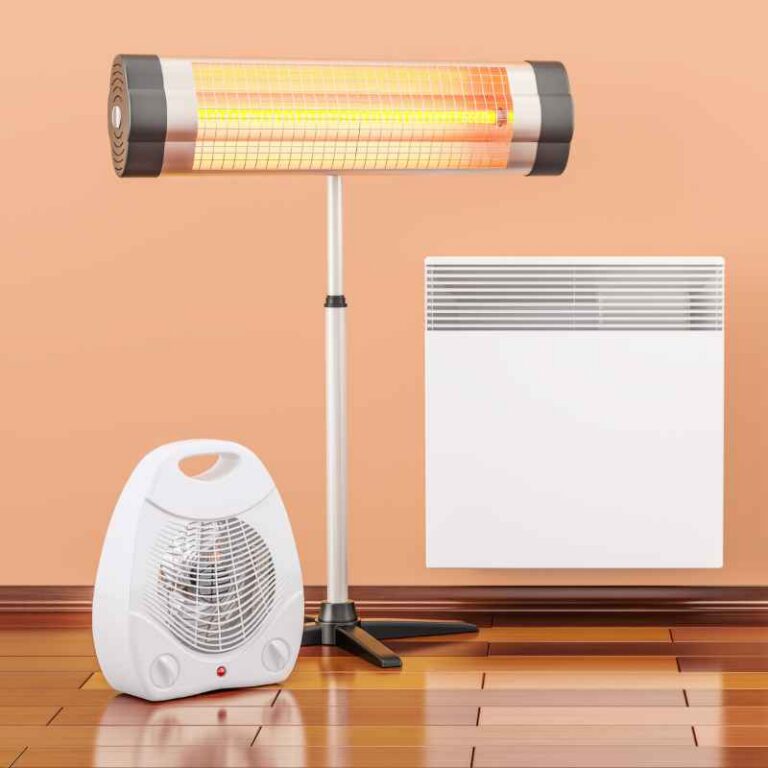
This is different from how a fan heater works. Fan heaters blow hot air around a room.
Radiant heat uses electromagnetic waves. These waves are like light waves. But they are not visible to our eyes.
They carry energy. When these waves hit an object, they are absorbed. This absorption makes the object warmer.
Your skin feels warm when you stand near a radiant heater. So do the walls, furniture, and floor in the room. It’s like standing in a sunbeam indoors.
The source of the heat is warm.
Many common heating devices use radiant heat. Old-fashioned radiators in homes are a good example. Fireplaces also give off a lot of radiant heat.
Even the coils on an electric stovetop are radiant. They glow red hot and send heat waves. The key is that the heat energy travels in waves.
These waves pass through the air. They only stop and warm things up when they hit something solid. This is a very direct way to feel warmth.
The temperature of the heat source matters. A hotter source emits more energy. It also emits waves at shorter wavelengths.
This is an important point. It helps us understand the difference between different types of radiant heat. Think about the difference between a campfire and a warm rock.
Both are radiant. But the campfire feels much hotter. It has more intense radiant energy.
It’s also about what kinds of waves are produced.
Radiant heat can be very efficient. It warms people and objects directly. This means less heat is lost to the air.
Air can easily move around. It can carry heat away or mix with cooler air. When heat is radiant, it goes straight where it’s needed.
It warms surfaces. Then those surfaces can warm the air. But the primary warming happens on the surface itself.
This direct warming is what many people like about these heaters.

What Are Infrared Heaters?
Infrared heaters are a specific kind of radiant heater. They produce heat in the infrared part of the electromagnetic spectrum. Infrared light is invisible to humans.
We feel it as heat. It’s the same kind of heat that comes from the sun. It’s also the same kind of heat you feel from a warm oven.
Or even from your own body.
Infrared waves are longer than visible light waves. But they are shorter than microwaves. When these infrared waves hit an object, they are absorbed.
This absorption makes the object’s molecules vibrate faster. This increased vibration is what we sense as heat. The object then gets warmer.
This is the core principle. It applies to all infrared heating.
Infrared heaters are often described as “short-wave,” “medium-wave,” or “long-wave” infrared. This refers to the wavelength of the infrared radiation they emit. Short-wave infrared is the hottest.
It has the highest energy. This is often used in industrial settings. Medium-wave is less intense.
Long-wave infrared is the least intense. It’s closer to body temperature.
Many modern electric heaters that use radiant heat are actually infrared heaters. This is because infrared is the most common way objects emit heat when they get warm enough. When something gets hot, it starts to glow.
First, it might glow red. This is visible light, but it also emits a lot of infrared. The hotter it gets, the more visible light it emits.
But it always emits infrared.
The key here is that infrared is a type of radiant energy. All infrared heat is radiant heat. But not all radiant heat is infrared.
For example, very hot objects can emit visible light. This visible light also carries energy and can warm things up. However, most residential heaters don’t get hot enough to emit much visible light.
They focus on the infrared spectrum.
So, when people talk about “radiant heaters” in a home context, they are often, though not always, referring to infrared heaters. The technology is very similar. The main difference is the specific wavelengths they are designed to emit.
This can affect how quickly and how intensely they warm objects.
The Core Difference: Wavelengths and How They Feel
The main distinction between a general “radiant heater” and an “infrared heater” comes down to the specific wavelengths of electromagnetic radiation they emit. Think of it like colors of light. You have red, blue, green, and so on.
They are all light, but they are different. Radiant energy has a similar spectrum. Infrared is just one part of that spectrum.
When a heater warms up, it sends out waves of energy. These waves travel outward. They move at the speed of light.
They don’t need air to move. This is the “radiant” part. The “infrared” part tells us which kind of waves are being sent out the most.
Infrared waves are longer than visible light. We can’t see them. But our skin can detect them as heat.
Consider a typical electric space heater with glowing red coils. Those coils get very hot. They emit a lot of heat.
This heat is mostly infrared. But because they are so hot, they also emit some visible red light. So, it’s both infrared and visible radiant heat.
This is a powerful form of radiant heat.
Now, think about some panel heaters. These might have a surface that warms up. They might not glow red.
They might just feel warm to the touch. These heaters often focus on emitting longer-wavelength infrared waves. These are sometimes called “far-infrared.” They produce a gentler, more ambient warmth.
They still heat objects directly, but perhaps at a slower rate than the very hot red-coil heaters.
The effect on you is what matters most. Infrared heaters, particularly those emitting shorter wavelengths, can feel very intense. You can feel their warmth very quickly, even if the air around you isn’t very warm.
This is because the infrared waves are directly hitting your skin and warming it up.
Longer-wave infrared heaters provide a more diffuse warmth. They might take a little longer to feel the full effect. But this type of heat can feel very comfortable and natural.
It’s like the warmth you feel from a large, heated stone. It radiates a steady heat. The object being heated isn’t usually glowing red.
So, while all infrared heaters are radiant heaters, not all radiant heaters focus solely on the infrared spectrum. Some may emit a broader range of radiant energy, including visible light if they get very hot. The specific wavelengths emitted by an infrared heater determine its intensity and how it’s perceived as warmth.
My Own Experience With Different Heaters
I remember a particularly chilly winter a few years back. My old house had terrible insulation. The living room felt like an icebox, especially in the mornings.
I tried a standard electric fan heater. It blew hot air, but it felt like the heat just disappeared as soon as it stopped blowing. The air was warm, but I was still cold.
It was frustrating because the room’s temperature gauge showed it was okay, but I wasn’t comfortable.
Then, I got an infrared panel heater. It was a slim panel that mounted on the wall. It didn’t have any fans.
It didn’t glow red. It just got warm. I plugged it in, and at first, I didn’t feel much.
I thought, “This isn’t going to work.” But I sat on the sofa, about six feet away. After about ten minutes, I started to feel a gentle warmth on my face and arms. It wasn’t like being blasted by hot air.
It was a soft, enveloping heat. It felt like the furniture and the walls were also a little warmer. It made a huge difference in how comfortable I felt.
Later, I was helping a friend set up a workshop. He had some powerful industrial radiant heaters with exposed elements that glowed bright orange. When you stood in front of them, it felt like standing too close to a bonfire.
The heat was immediate and intense. You could feel it on your skin from a distance. It was great for quickly warming a specific spot, but you wouldn’t want to stand in front of it for hours.
This gave me a real sense of the spectrum of radiant and infrared heat. One was gentle and steady, the other was intense and fast.
This experience taught me a lot. It showed me that “radiant heat” is a big umbrella. Infrared is a very common and effective part of it.
But the type of infrared, or the presence of other radiant energies, can change the feeling entirely. It’s not just about being warm; it’s about how you feel warm.
Radiant Heat vs. Infrared: A Quick Look
What is Radiant Heat?
A general term for heat that travels in waves. It warms objects directly. It does not need air to move heat.
What is Infrared Heat?
A specific type of radiant heat. It uses infrared light waves, which are invisible to us. We feel them as heat.
Key Idea: All infrared heat is radiant heat. But not all radiant heat is strictly infrared.
How They Heat Your Space
The way these heaters warm a room is quite different from convection heaters. Convection heaters work by heating the air. This hot air then rises.
It circulates around the room. This process can take time. It can also lead to uneven temperatures.
The air near the ceiling might be much warmer than the air near the floor.
Radiant and infrared heaters work differently. They send out waves of heat. These waves travel outwards.
They don’t heat the air much as they pass through it. Instead, they warm the surfaces they hit. This means they warm people, furniture, walls, and floors directly.
This can lead to a more immediate feeling of warmth.
Imagine standing in front of a fire. You feel warm on your front. But your back might still feel cool.
That’s because the fire is radiating heat in a specific direction. It’s warming your front directly. It’s not warming the air all around you first.
With infrared heaters, you can feel the warmth on your skin. It’s a direct transfer of energy. This is often more efficient.
Less energy is wasted heating up air that might escape or mix. It’s like targeted warmth. You feel it where you are.
It can make you feel comfortable at a lower overall room air temperature.
The objects that are warmed by radiant or infrared heat then release that heat into the room. The floor, walls, and furniture become like secondary heat sources. They slowly release their warmth.
This can create a more consistent and comfortable heat. It feels less drafty than forced air. It can also help reduce dry air problems.
This direct heating method is why many people prefer radiant and infrared for specific areas. You can point a heater at your favorite reading chair. You can warm up a bathroom before you get out of the shower.
It provides instant comfort where you need it. This targeted approach can save energy too. You only heat the space you are using.
The effectiveness also depends on the type of infrared. Short-wave infrared is very intense. It heats objects very quickly and deeply.
This is great for large spaces or where you need rapid warming. Long-wave infrared is gentler. It provides a more subtle, ambient warmth.
It might take a bit longer to feel the full effect. But it can create a very cozy atmosphere.
How Heat Travels: A Simple Chart
Convection
Process: Heats air. Air moves.
Warms: The air.
Feeling: Can be drafty. Uneven temps possible.
Radiation (including Infrared)
Process: Waves of energy. No air needed.
Warms: Objects and people directly.
Feeling: Direct warmth. Comfortable. Can feel instant.
Why the Confusion? Overlapping Terminology
The confusion between radiant and infrared heaters is understandable. The terms are often used in ways that blur the lines. One big reason is that infrared is a type of radiant heat.
So, an infrared heater is automatically a radiant heater. But not all radiant heaters are only infrared.
Think of it like this: all squares are rectangles. But not all rectangles are squares. Similarly, all infrared heaters are radiant heaters.
But some radiant heaters might emit other forms of energy, like visible light, if they get very hot. Or they might focus on specific parts of the infrared spectrum.
Manufacturers and sellers sometimes use “radiant heater” as a broad category. Then they might specify “infrared panel heater” or “ceramic infrared heater.” This implies that “radiant” is the general idea, and “infrared” is a more specific technology within that idea. For most people looking for home heating, when they hear “radiant heater,” they are likely thinking of a device that warms them directly, not by blowing hot air.
Another factor is that many modern electric heaters that we think of as “radiant” actually operate by emitting infrared radiation. This is because infrared is a very efficient way for a heated object to transfer energy. So, the technology behind many “radiant” heaters is actually focused on producing infrared waves.
Sometimes, the terms are used loosely in marketing. People might see a heater that gets hot and warms them directly, and they might call it “radiant.” If it’s emitting infrared waves (which it almost certainly is), they might also call it “infrared.” This overlapping usage can make it hard to distinguish.
In common usage, when someone says “radiant heater,” they often mean a heater that provides a direct, comfortable warmth. This is often achieved through infrared technology. So, while there’s a technical difference, for practical purposes in choosing a home heater, understanding that infrared is a key type of radiant heat is important.
The goal is usually direct warmth, which both terms point to.
Real-World Scenarios and Uses
The practical uses for radiant and infrared heaters are many. They are excellent for targeted heating. This means you can warm specific areas without heating an entire large space.
Bathrooms: Many people install radiant or infrared heaters in bathrooms. This is for comfort when getting out of the shower or bath. A small wall-mounted infrared panel can quickly warm the area around the vanity or shower.
The direct warmth feels luxurious on bare skin.
Workshops and Garages: These spaces are often large and hard to heat evenly with traditional methods. An infrared heater can provide direct warmth to the person working. They don’t need to heat the whole volume of air.
This saves a lot of energy. You can feel warm even if the garage is cold.
Living Rooms: For rooms that are drafty or have poor insulation, radiant heaters can be a great supplement. They can provide a comfortable warmth without constantly running a central heating system. Sitting on the couch, you can feel the warmth directly, making the room feel cozier.
Outdoor Patios: Special outdoor infrared heaters are designed to withstand the elements. They provide warmth on patios or decks, extending the usability of outdoor spaces. This is a perfect example of radiant heat at work – warming people directly despite the cooler air around them.
Offices and Cubicles: Small, personal infrared heaters can be placed under a desk. They warm the person without affecting others in the shared office space. This allows individuals to control their personal comfort zone.
Nurseries and Playrooms: Some parents prefer radiant heaters for these areas. Because they don’t blow air, they can be a good choice for rooms where air quality is a concern. They provide gentle warmth that directly heats the occupants.
Spot Heating: If you have a room that is particularly cold in one spot, like near a window or a drafty door, a radiant heater can be directed at that area. It warms the person in that spot, making the whole room feel more comfortable without needing to turn up the central thermostat.
These examples show that radiant and infrared heaters are versatile. They are used to solve specific heating problems. They provide comfort where and when it’s needed most.
Their ability to heat objects directly makes them ideal for many situations where traditional heating falls short.
Top Uses for Radiant/Infrared Heaters
- Quick Warmth: Bathrooms, workshops, garages.
- Targeted Comfort: Under desks, near seating areas.
- Supplementing Central Heat: Cold spots in living rooms.
- Outdoor Heating: Patios and decks (with outdoor models).
- Specific Zone Heating: Nurseries, playrooms.
When Radiant and Infrared Feel Different
While the core principle is the same—heat transfer via waves—the feeling of warmth can differ. This often comes down to the wavelengths emitted and the intensity of the heater.
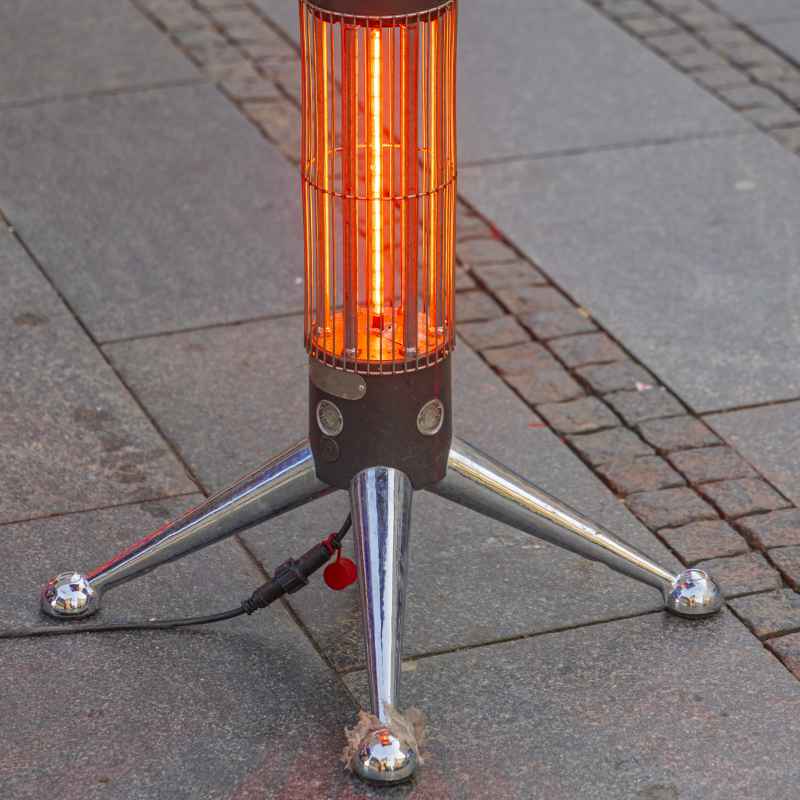
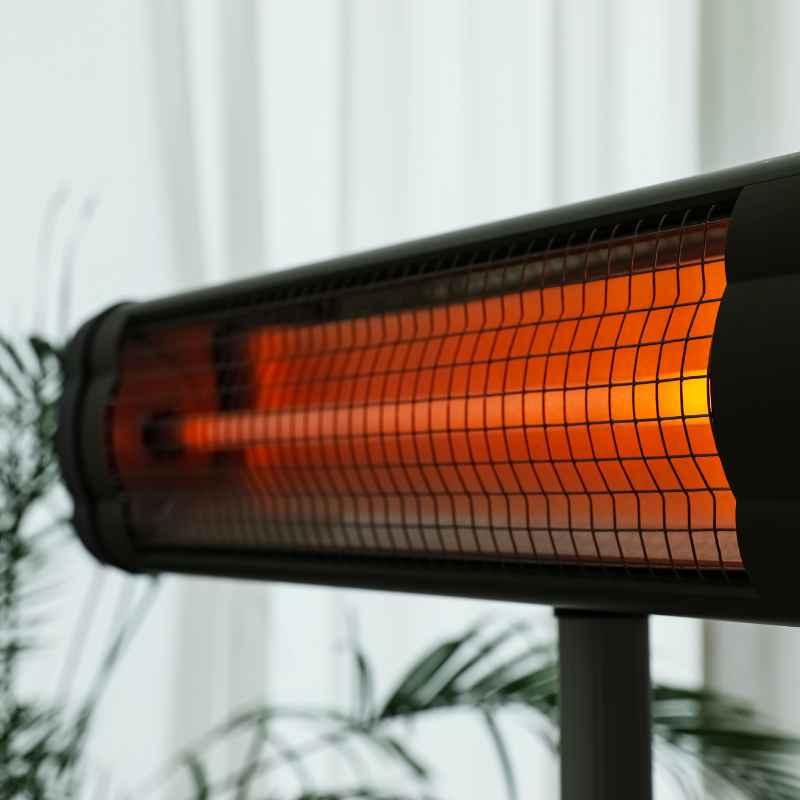
Intensity: Some infrared heaters are designed to produce very intense heat. These might have quartz elements or bright orange glowing coils. When you stand in front of one, you feel the warmth almost instantly.
It’s a powerful, direct heat. This can be great for quickly warming a person or a small area.
Gentleness: Other infrared heaters, like many ceramic panel heaters, produce gentler warmth. These often emit longer wavelengths of infrared. The heat feels softer.
It’s less like a beam and more like a general pleasant warmth radiating from the panel. This can feel very cozy and natural, similar to the warmth of the sun on a cool day.
Speed of Heat: Intense, short-wave infrared heaters provide very fast warmth. You feel it within seconds. Longer-wave, gentler heaters might take a few minutes to build up the effect.
The objects they warm release heat more slowly.
Air Temperature vs. Radiant Feel: A powerful infrared heater can make you feel very warm even if the air temperature in the room is quite cool. This is its strength.
You feel the direct heat on your skin. A convection heater, on the other hand, needs to heat the air to make you feel warm. So, the air temperature has to rise significantly.
Perceived Comfort: Many people find the direct, radiant warmth more comfortable. It doesn’t create drafts. It can make a room feel more inviting and less sterile than forced air.
The warmth feels more “grounded” because it’s warming surfaces and people directly.
Visible Light: Some radiant heaters that get very hot will also emit visible light, usually a red glow. This adds to the visual warmth of a space, like a fireplace. Pure infrared heaters do not emit visible light.
This is a noticeable difference in the aesthetic and the sensory experience.
So, while both are radiant heat, the specific technology and design can lead to different feelings. It’s about how intense the waves are, what wavelengths are used, and how quickly they deliver that warmth to you.
Radiant vs. Infrared: Different Feelings
Intense Infrared (e.g., Quartz Tube)
Heat: Very direct, strong, fast.
Wavelength: Often shorter, higher energy.
Feeling: Like standing near a powerful heat source. Instant warmth.
Gentle Infrared (e.g., Panel Heater)
Heat: Softer, ambient, steady.
Wavelength: Often longer, lower energy.
Feeling: Like a warm sunbeam. Cozy and enveloping.
Broader Radiant (e.g., Old Radiator)
Heat: Combination of radiant and convection.
Wavelength: Mix, including some air warming.
Feeling: Can be a mix of direct warmth and general room warmth.
When is it Just “Radiant” and Not Specifically “Infrared”?
This is where the technicality comes in. In a strict sense, any object that emits heat energy through electromagnetic waves is producing radiant heat. If those waves fall within the infrared part of the spectrum, it’s infrared radiation.
So, when we talk about a heater being “just radiant” and not specifically “infrared,” it often implies that it might be emitting a broader spectrum of radiation, or that the term “infrared” is being used to describe a very specific type of infrared technology.
Visible Light Emission: A classic example is a traditional electric coil heater that glows red hot. This device is emitting visible red light, which carries energy and contributes to heating. It is also emitting a significant amount of infrared radiation.
So, it’s a radiant heater that produces both visible light and infrared. In this case, calling it simply “radiant” is accurate, as it’s not only infrared.
Older Technologies: Older styles of radiant heaters, like some designs of cast-iron radiators, might also work through a combination of radiant heat and some convection. They get hot and radiate warmth, but they also heat the air around them to some extent.
Broad Spectrum Heaters: Some specialized heaters are designed to emit a very broad spectrum of electromagnetic radiation, including infrared and visible light. These are clearly “radiant” heaters. The term “infrared heater” is often used for devices specifically engineered to maximize infrared output, often in specific wavelength ranges (short, medium, long wave).
However, for most home applications, especially with modern electric heaters, the distinction becomes less critical for the end-user. If a heater warms you directly without blowing air, it’s using radiant heat. And if it’s a modern electric radiant heater, it is almost certainly using infrared technology as its primary mechanism.
The term “infrared heater” has become very common for this type of direct radiant heat.
So, the term “radiant” is the overarching category. “Infrared” specifies the primary type of radiation used within that category. When a heater is advertised as “infrared,” it’s a sub-type of radiant heat.
When it’s just called “radiant,” it could be a broader type of radiant heat, or it could be an infrared heater where the seller is using the more general term.
What This Means for Your Home
Understanding the difference helps you make better choices for your home heating. If you’re looking to quickly warm a specific spot or feel comfortable without heating the whole house, a radiant or infrared heater is likely what you want.
Energy Efficiency: Because they heat objects and people directly, radiant and infrared heaters can be very energy-efficient. You can feel warm at lower air temperatures. This means your heating system might not need to run as much.
Targeted heating means you’re not wasting energy heating empty spaces. This is a big plus for your energy bills.
Comfort Level: Many people find the warmth from these heaters to be more pleasant. It feels more natural and less drying than forced hot air. The absence of blowing air means no drafts.
This can be especially beneficial for people with allergies or respiratory issues. It can also make a room feel more tranquil.
Types to Consider:
- Panel Heaters: These are often sleek, wall-mounted units. They emit gentle, long-wave infrared. Great for continuous background warmth in living rooms or bedrooms.
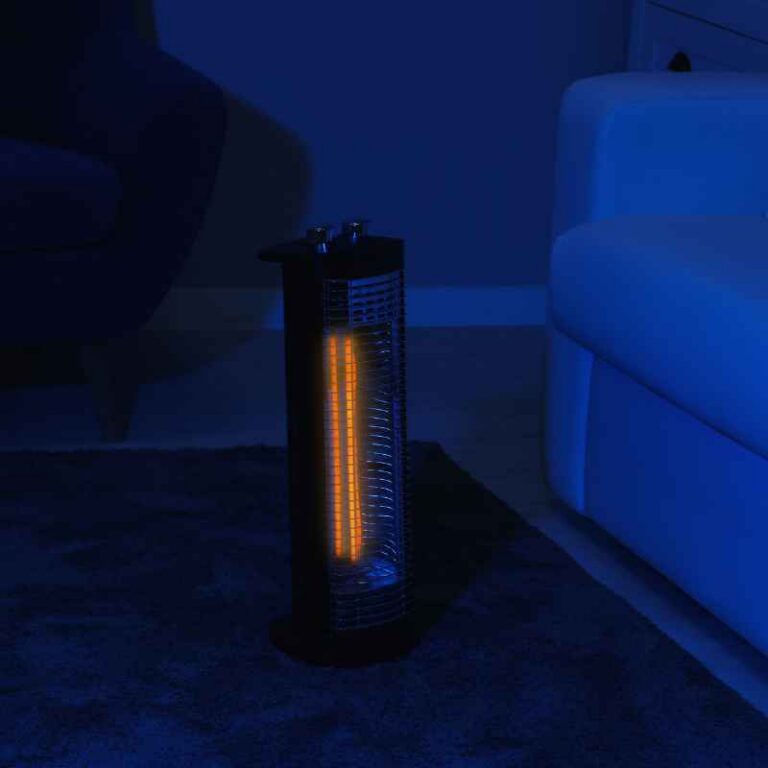
- Quartz or Ceramic Heaters: These often have visible glowing elements. They emit intense, short-wave infrared. Good for rapid spot heating in bathrooms or workshops.
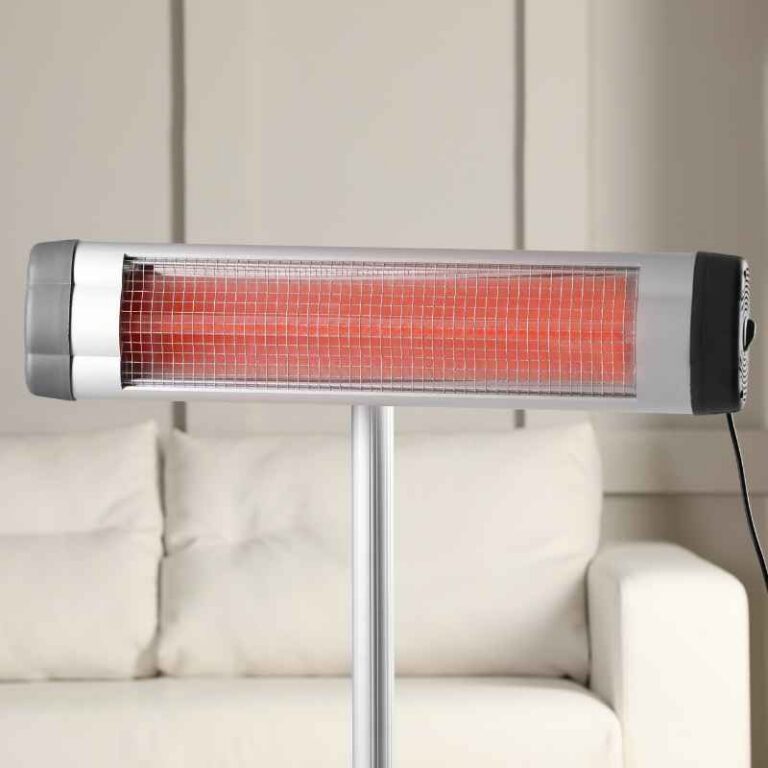
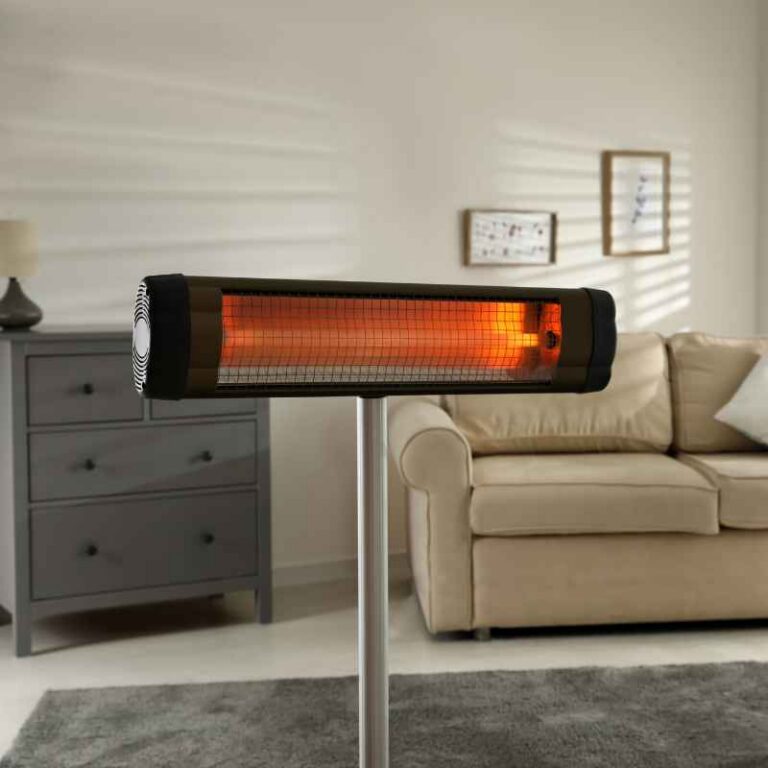
- Infrared Lamps: Similar to quartz heaters, these provide strong, directional heat. Often used for outdoor spaces or very specific spot heating.
Installation: Some units are portable, others are designed for wall mounting. Consider where you need the heat most. Safety is key, especially with the more intense models.
Always ensure there’s adequate clearance from flammable materials.
Limitations: While great for direct warmth, they don’t heat the air as efficiently as convection heaters. If your primary goal is to raise the overall air temperature of a large, poorly insulated room quickly, a different type of heater might be needed. However, for comfort and targeted heating, radiant and infrared are often superior.
In short, if you want to feel warmth directly, quickly, and often more efficiently, look into radiant or infrared heating options. They offer a different, often more comfortable, way to stay warm.
Quick Tips for Using Radiant Heaters
Using radiant and infrared heaters effectively is simple. A few tips can help you get the most comfort and efficiency from them.
- Placement is Key: Aim the heater where you want the warmth. Face it towards the area where people will be sitting or working. For example, point a bathroom heater towards the shower or vanity.
- Consider Direct Line of Sight: Radiant heat travels in straight lines. If there’s something blocking the heater (like a piece of furniture), that area won’t be warmed directly.
- Don’t Overlook Clearance: Always follow the manufacturer’s instructions for how far the heater should be from walls, furniture, and curtains. This is for safety and to ensure efficient heat distribution.
- Use Them for Spot Heating: These heaters are perfect for warming just one person or a small area. This can help you save energy by not heating unused rooms.
- Combine with Other Heating: They work well as a supplement to your central heating. Use them to make a specific room or area more comfortable without cranking up the thermostat for the whole house.
- Clean Regularly: Dust can build up on heating elements and surfaces. This can reduce efficiency and be a fire hazard. Gently clean according to the manufacturer’s guide.
- Check for Damage: Before each use, especially after storage, check the cord and the unit for any signs of damage. If anything looks off, stop using it and get it checked.
- Understand the Heat Type: Remember that intense heaters warm you directly and quickly. Gentler heaters provide a softer, more ambient warmth. Choose based on the feeling you prefer.
Frequently Asked Questions
Are infrared and radiant heaters the same thing?
No, not exactly. Infrared heat is a specific type of radiant heat. Radiant heat is a broader term that includes infrared, but also other forms of electromagnetic waves that transfer heat.
Think of it like this: all infrared heaters are radiant heaters, but not all radiant heaters are solely focused on infrared.
Which is better: radiant or infrared heat?
It depends on your needs. Both provide direct warmth. Infrared heaters are often more specific in the wavelengths they emit, offering targeted and efficient heating.
Radiant is a general category. For most home comfort, modern infrared heaters are excellent choices for direct warmth.
Can infrared heaters heat a whole room?
Yes, larger or more powerful infrared heaters can heat a whole room. They work by warming objects and surfaces within the room, which then release heat. However, they are often most effective for direct, spot heating or for making a room feel more comfortable at a lower air temperature.
Are radiant heaters safe for bedrooms?
Yes, many radiant and infrared heaters are safe for bedrooms. Look for models with safety features like tip-over protection and overheat protection. Because they don’t use fans, they are often quieter and can be less drying than convection heaters, making them suitable for sleeping environments.
How quickly do infrared heaters warm you up?
Intense infrared heaters can warm you up almost instantly, within seconds of turning them on. Gentler, longer-wave infrared heaters might take a few minutes to build up the feeling of warmth as they heat surfaces in the room.
Do radiant heaters dry out the air?
Generally, no. Unlike convection heaters that heat and circulate air, radiant and infrared heaters primarily warm objects and people directly. This process doesn’t typically dry out the air as much.
Some users find the air feels more comfortable with radiant heat.
The Bottom Line on Radiant vs. Infrared
So, to wrap it up: radiant heat is the method of warming through electromagnetic waves. Infrared is a specific, very common type of radiant energy we feel as heat. Most modern heaters called “radiant” are indeed infrared heaters.
They offer direct, efficient warmth. This warmth can make your home feel cozier and more comfortable, often using less energy.
Sponsored / affiliate links. As an Amazon Associate I earn from qualifying purchases. I may earn additional commission from eligible campaigns.