What Is Better: Infrared Or Blue Flame Heaters? Compared
Choosing the right heater can feel like a puzzle. You want warmth, but you also want it to be safe and efficient. Two popular choices often pop up: infrared heaters and blue flame heaters.
They both heat a space, but they do it in very different ways. Understanding these differences helps you pick the best one for your needs.
This guide breaks down what makes each heater unique. We’ll look at how they work, where they shine, and what you should watch out for. By the end, you’ll know which type of heater is a better fit for your home or situation.
Understanding infrared versus blue flame heaters is key for choosing the best warmth for your home. Infrared heaters warm objects and people directly using radiant heat, while blue flame heaters heat the air via convection with a visible flame. Efficiency, safety, and intended use differ significantly between the two.
How Infrared Heaters Work
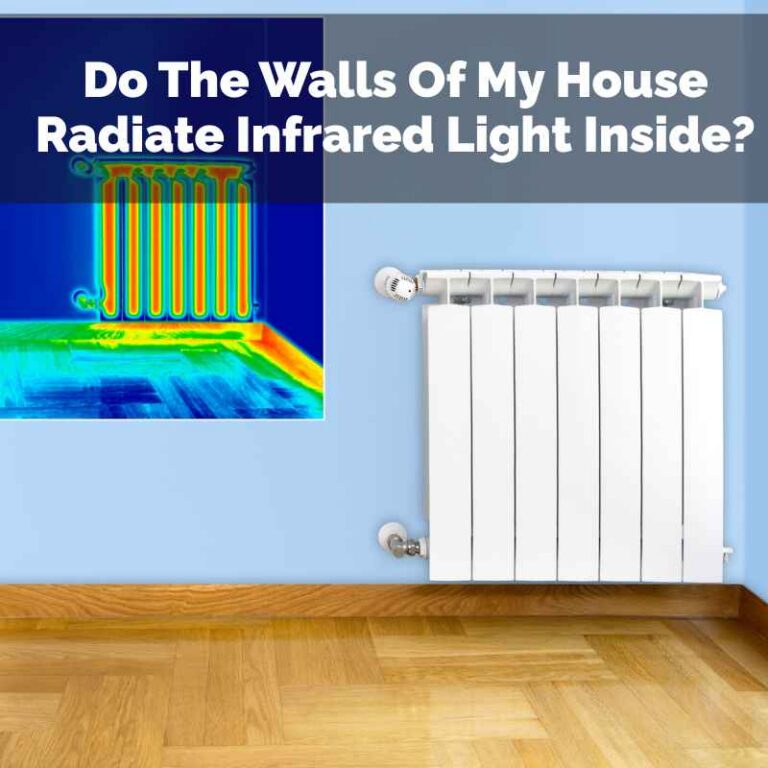
Infrared heaters are like the sun. They send out heat waves. These waves travel through the air.
They warm objects and people they hit directly. The air itself doesn’t get heated much first. This is called radiant heat.
It feels warm almost instantly once you’re in its path.
Think about standing near a warm campfire. You feel the heat on your skin right away. That’s similar to how infrared works.
It doesn’t need to warm up the whole room’s air. This makes them feel fast-acting. It also means less heat is wasted warming empty spaces.
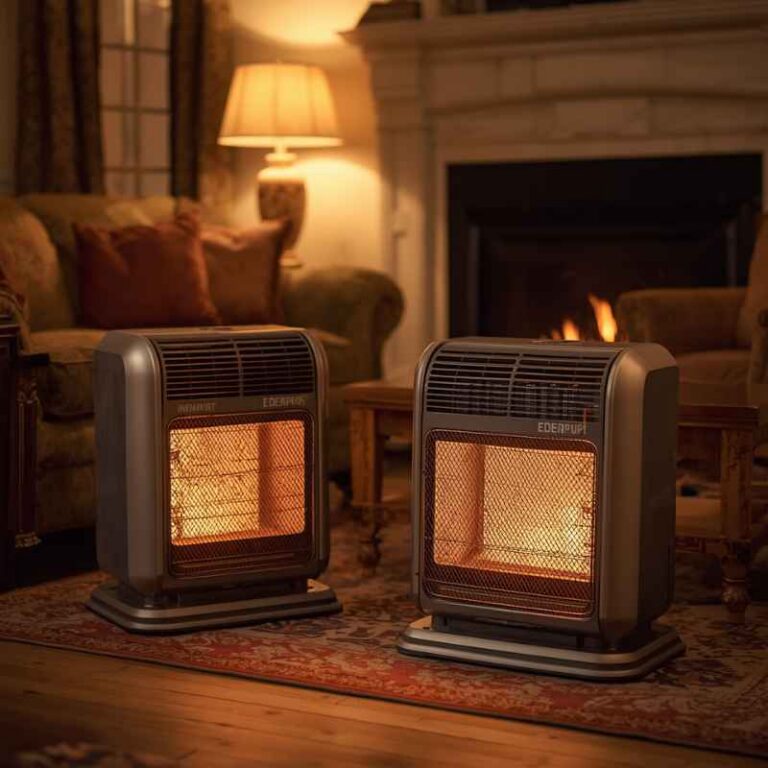
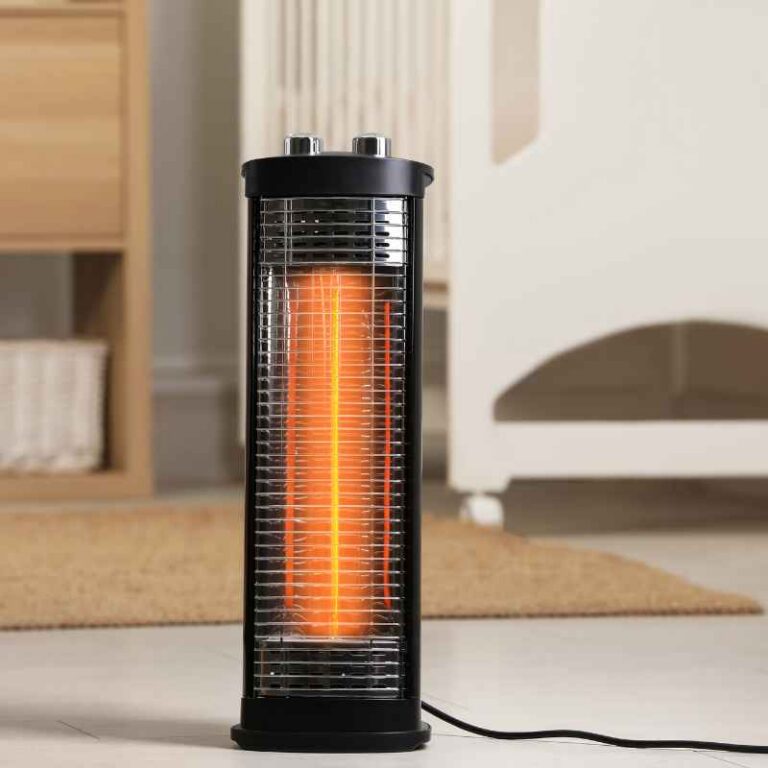
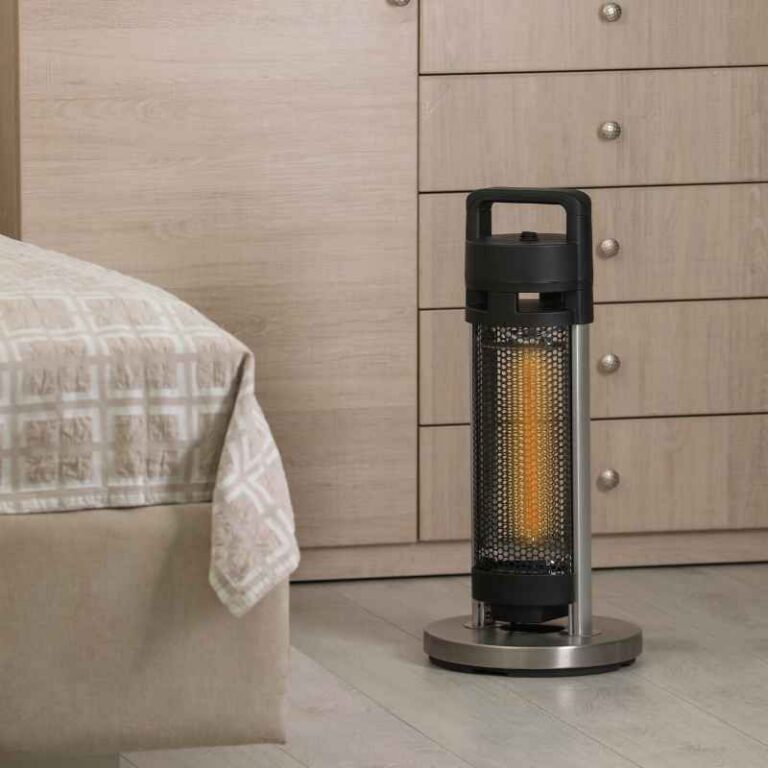
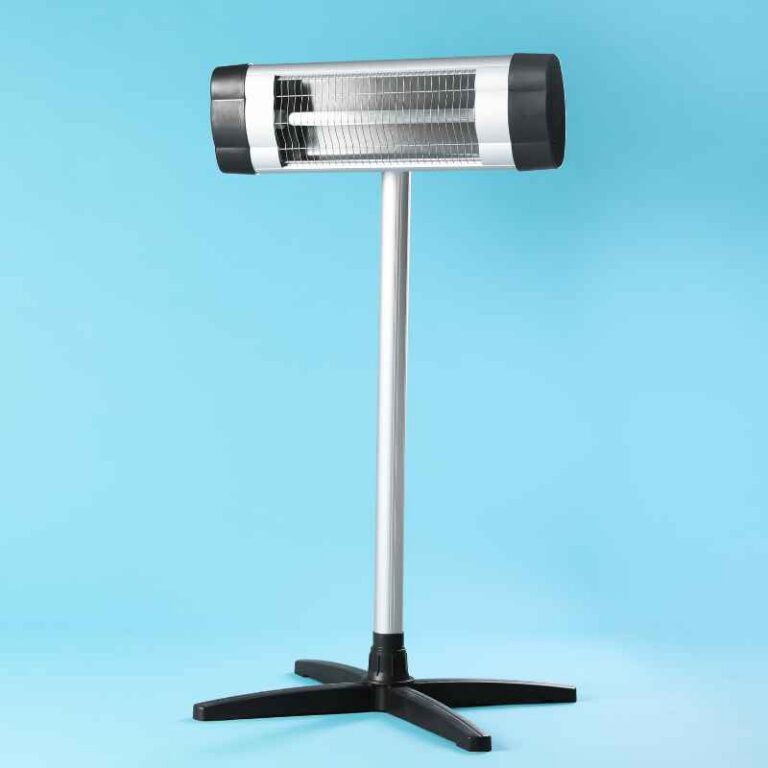
These heaters come in many forms. You see them as small portable units. You also find them as large panel heaters mounted on walls.
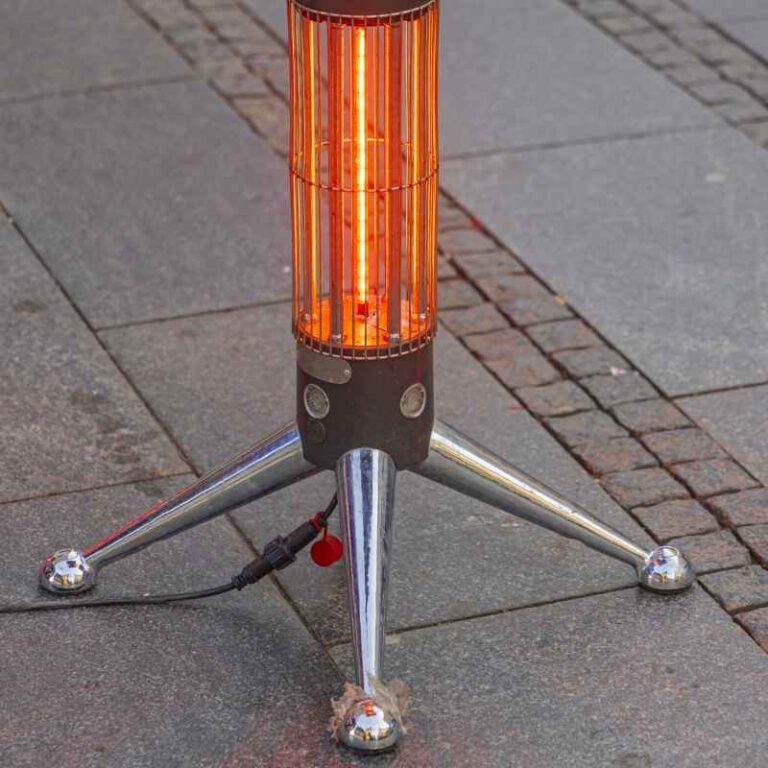
Some outdoor patio heaters use infrared too. They are good for targeted heating. You can point them where you need warmth the most.
The main part of an infrared heater is its element. This element gets hot. It then gives off infrared radiation.
This radiation is a type of light. We can’t see it, but we feel it as heat. The waves are safe for us.
They are much like the heat from sunlight.
One big plus is they don’t rely on air movement. Unlike fan heaters, they don’t blow hot air around. This is good for people with allergies.
It means less dust and allergens get stirred up. The heat is also quieter. There’s no fan noise to deal with.
The effectiveness of an infrared heater depends on a few things. How far away you are matters. The size of the heater is also a factor.
The direction it’s pointed plays a role. It’s about direct heat delivery.
How Blue Flame Heaters Work
Blue flame heaters are different. They work by heating the air. They use a visible gas flame.
This flame burns blue. The heat from the flame warms the air around it. A fan or natural air movement then spreads this warm air.
This is called convection heating.
Imagine a campfire again. It heats the air above it. That warm air rises and spreads.
Blue flame heaters do something similar. They create a steady flame. This flame heats the air in the room.
The goal is to warm the entire space.
These heaters often use propane or natural gas. You typically see them in garages or workshops. They are also used in areas where electricity is not easy to get.
They can heat larger spaces quickly. This is because they heat the air itself.
The “blue flame” part is important. A clean-burning gas flame is blue. If the flame turns yellow or orange, it might mean incomplete burning.
This can be a sign of problems. It might release harmful gases like carbon monoxide. This is a key safety point.
Because they heat the air, they can feel slower to warm up. You have to wait for the air to circulate. Then you start to feel the warmth throughout the room.
They are good for filling a whole space with heat. They aren’t as focused as infrared heaters.
A big concern with blue flame heaters is ventilation. They burn fuel. This process uses oxygen.
It also creates byproducts like carbon monoxide and water vapor. You must have good ventilation. This means fresh air coming in.
It helps keep the air safe to breathe.
Most modern blue flame heaters have safety features. These include tip-over switches. They also have oxygen depletion sensors.
These shut the heater off if oxygen levels get too low. But good ventilation is still the first line of defense.
They can be very effective at heating a room. They are often powerful. You can get them in different sizes.
Some are small and portable. Others are larger and meant for a fixed spot. They can be a good choice for spaces that need constant warmth.
Key Differences: Infrared vs. Blue Flame
The core difference is simple: how they deliver heat. Infrared heaters aim their heat at objects. Blue flame heaters warm the air.
This leads to several other distinctions.
Infrared heat feels instant. You feel it right away when you step into its beam. It’s like sunshine on your skin.
Blue flame heat takes time. It warms the air first. Then that warm air moves around the room.
It’s more of a general warmth.
Efficiency is another area where they differ. Infrared heaters can be more efficient for targeted heating. They don’t waste energy heating air that isn’t needed.
If you only need to warm yourself in one spot, infrared is great. Blue flame heaters are efficient for heating a whole room. They are good at bringing up the general temperature.
Safety is a huge factor. Infrared heaters are generally safe. They don’t burn fuel.
They don’t produce carbon monoxide. They don’t use up oxygen. This makes them suitable for indoor use in most living spaces.
You still need to be careful they don’t touch flammable things.
Blue flame heaters require careful handling. They burn fuel. This means they need fresh air.
They must be used in well-ventilated areas. Carbon monoxide is a risk if not used properly. This is a critical point for safety.
Always follow manufacturer instructions.
Noise is also a difference. Infrared heaters are often silent. They have no moving parts like fans.
Blue flame heaters might have a quiet hum from a fan. Or they might have the gentle sound of the flame itself.
Think about where you’ll use the heater. For a chilly basement corner where you only sit sometimes, infrared might be better. For a garage you work in for hours, a blue flame heater might warm it up faster overall.
Efficiency and Energy Use
When we talk about efficiency, it’s not just about how much heat a heater makes. It’s also about how well it uses energy. And how it delivers that heat where you need it.
Infrared Heaters: Targeted Efficiency
Infrared heaters are very efficient for spot heating. This means warming a specific area or person. They convert almost all their electrical energy into infrared radiation.
Little is lost as wasted heat in the air. You feel warm directly. You don’t have to wait for the whole room to get hot.
This is great for saving energy. If you only need to feel warm while reading in your favorite chair, an infrared heater is perfect. You can turn it on, feel warm, and turn it off.
The room air stays cooler, but you are comfortable. This can lead to lower energy bills.
Blue Flame Heaters: Whole-Room Efficiency
Blue flame heaters work by heating the air. They can be very effective at raising the temperature of an entire room. They are often measured by their BTU (British Thermal Unit) output.
A higher BTU means more heat. This heat is then distributed by convection.
Their efficiency depends on the room. In a well-insulated room, they can be quite efficient. They can maintain a consistent temperature.
However, if the room is drafty, much of that warm air will escape. Then the heater has to work harder to keep up. This uses more fuel.
When comparing fuel sources, propane and natural gas can be cheaper than electricity in some areas. This makes blue flame heaters seem more cost-effective to run. But you must factor in the cost of ventilation and the potential risks.
Energy Use Comparison
Infrared:
- Excellent for spot heating.
- Heats objects and people directly.
- Feels warm almost instantly.
- Uses electricity.
- Can save energy by not heating unused spaces.
Blue Flame:
- Good for heating entire rooms.
- Heats the air through convection.
- Takes time to warm up a space.
- Uses propane or natural gas.
- Efficiency depends on room insulation and ventilation.
Safety First: What to Know
Safety is non-negotiable for any heating appliance. Both infrared and blue flame heaters have specific safety points. Understanding these is crucial.
Infrared Heater Safety:
Infrared heaters are generally considered very safe for indoor use. They don’t produce flames. They don’t burn fuel.
This means no carbon monoxide emissions. They also don’t consume oxygen from the air. This makes them safe for enclosed spaces without special ventilation.
However, like any heating element, they get hot. You must keep flammable materials away from them. This includes curtains, paper, and upholstery.
Always place them on a stable surface. Ensure they are not in a spot where someone could trip over the cord.
Some models might have safety grills. These prevent accidental contact with the hot element. Always check the manufacturer’s warnings.
Use them as intended. Never leave them running unattended for long periods, especially if pets or children are around.
Blue Flame Heater Safety:
Blue flame heaters require more caution. They burn fuel, usually propane. This process releases combustion byproducts.
The main concern is carbon monoxide (CO). CO is a colorless, odorless gas. It can be deadly in high concentrations.
Proper ventilation is MANDATORY for blue flame heaters. This means opening a window or door slightly. It allows fresh air in and pushes exhaust fumes out.
Using a CO detector in the same room is highly recommended. It’s an essential safety device.
These heaters also consume oxygen. In a tightly sealed room, they can lower oxygen levels. This can make it hard to breathe and cause headaches.
Many modern blue flame heaters have an oxygen depletion sensor (ODS). If oxygen drops too low, the ODS will shut the heater off. This is a critical safety feature.
Another safety feature is a tip-over switch. If the heater is knocked over, this switch will turn it off. This prevents a fire hazard.
Always place blue flame heaters on a level surface. Keep them away from anything flammable. Never use them in a bedroom or any enclosed space where you sleep.
It’s essential to read the owner’s manual for your specific heater. Follow all safety guidelines. Regular maintenance can also help.
Ensure the gas connections are secure. Check for any signs of damage.
Safety Checklist:
For ALL Heaters:
- Keep flammable materials away.
- Place on a stable, level surface.
- Check cords for damage.
- Do not leave unattended for extended periods.
For Blue Flame Heaters (ADDITIONAL):
- Ensure EXCELLENT ventilation (open a window/door).
- Use a carbon monoxide (CO) detector.
- Check for an Oxygen Depletion Sensor (ODS).
- Check for a tip-over safety switch.
- Never use in bedrooms or sleeping areas.
Where Each Heater Shines: Use Cases
Knowing the strengths of each heater helps you choose the right one for your needs. Where you plan to use it is a big clue.
Infrared Heaters are Great For:
Targeted Comfort: If you have a specific spot you want to keep warm, like your desk area, a reading chair, or a small workshop bench, infrared is ideal. It heats you directly, so you feel warm even if the rest of the room is cool.
Drafty Rooms: In rooms that are hard to keep warm overall due to poor insulation or drafts, an infrared heater can provide comfort. You can focus the heat on where you are sitting.
Allergy Sufferers: Since they don’t blow air, infrared heaters don’t stir up dust, pollen, or other allergens. This makes them a good choice for people with respiratory issues.
Quiet Spaces: They are silent, making them perfect for bedrooms, living rooms, or offices where noise can be disruptive.
Outdoor Patios: Many outdoor heaters use infrared technology to warm people sitting outside, even when the air is cool.
Blue Flame Heaters are Great For:
Heating Large Areas Quickly: If you need to raise the temperature of a whole room or a large workshop, a blue flame heater can do this effectively. They are powerful and heat the air.
Garages and Workshops: In spaces where you might be working for long periods and need consistent warmth, and where ventilation is typically good (like a garage door left open sometimes), they can be a good choice.
Areas with Limited Electricity: When electricity is not readily available or is expensive, propane-powered blue flame heaters can be a practical solution.
Boiler/Furnace Backup: In some cases, they can serve as a backup heat source if your main heating system fails. This is especially true for temporary, well-ventilated use.
It’s important to remember that blue flame heaters are not typically recommended for primary living spaces like bedrooms or main living rooms due to the ventilation and CO risks. They are best suited for utility spaces or well-ventilated workshops.
Personal Story: The Drafty Sunroom Project
I remember one winter, my parents decided to finish off their old sunroom. It was a lovely space with lots of windows. But in New England winters, it became a giant icebox.
My dad wanted to use it as a small art studio. He needed reliable heat.
He first looked at electric baseboard heaters. They were expensive to install and would take ages to warm the room. Then he thought about a small propane heater.
I was helping him research. We found a nice blue flame model. It had good reviews for heating large spaces.
But as we dug deeper, the safety aspect really hit us. This room, while large, was attached to the house. It had one door leading outside and one leading into the kitchen.
We started thinking about carbon monoxide. My mom has some breathing issues. The idea of a gas heater in a connected space, even with a slightly open window, made me uneasy.
Then we found an infrared panel heater. It was designed for wall mounting. It looked sleek.
It didn’t burn anything. It didn’t use oxygen. It just radiated heat.
We decided to go with that. It was easy to install. We plugged it in.
The moment my dad sat down at his easel, he could feel the warmth. The room was still cool, but the spot where he sat was toasty. He could work for hours without feeling chilled.
It was amazing. We realized that for his specific need – warming him while he worked, not necessarily the whole room to 75 degrees – the infrared was a perfect fit. It gave him comfort without any safety worries about fumes or oxygen.
It was a clear win for that situation.
Scenario Snapshot:
Problem: Heating a drafty sunroom for a specific activity (art studio).
Initial Thought: Blue flame heater (powerful, heats air).
Concerns: Safety (CO, oxygen use) in a connected living space.
Solution: Infrared panel heater (radiant heat, safe, quiet).
Outcome: Targeted comfort, peace of mind, efficient for the user’s needs.
What This Means For Your Home
Understanding the fundamental differences between infrared and blue flame heaters helps you make smart choices for your home’s heating. It’s not about one being “better” overall. It’s about which is better for your specific situation.
When Infrared Is Your Go-To:
Spot Heating Needs: If you often find yourself feeling cold in one specific spot while the rest of the room is okay, an infrared heater is your friend. Think of your favorite armchair, your office desk, or a corner of the garage where you do detailed work.
Improving Existing Heat: You can use an infrared heater to supplement your main heating system. If one room is always colder, you can use an infrared heater to make that spot comfortable without cranking up the thermostat for the whole house. This can save energy and money.
Health and Air Quality Concerns: For those sensitive to dust, allergens, or dry air, the non-convective heat of infrared is a big plus. No fans means no dust stirred up.
Rental Spaces or Temporary Setups: Infrared heaters are often portable and easy to set up. They don’t require ventilation changes, making them convenient for rented apartments or temporary office spaces.
When Blue Flame Might Be Considered (with extreme caution):
Large, Well-Ventilated Utility Areas: For detached garages, large sheds, or workshops where you spend a lot of time and have excellent, consistent ventilation, a blue flame heater can provide powerful, quick heat to the entire space.
Emergency Heat (with proper precautions): In a power outage, a propane heater can be a lifesaver. But again, this must be done in a space with adequate ventilation and CO monitoring.
Specific Industrial or Agricultural Uses: In certain settings where safety protocols and ventilation are highly controlled, these heaters have their place.
Important Note: For primary living spaces in homes (bedrooms, living rooms, kitchens), the risks associated with blue flame heaters generally outweigh their benefits. Most experts advise against their use in these areas.
Always consider the U.S. climate if relevant. In colder regions, consistent heating might be more critical.
In milder climates, supplemental heat might be all you need. Your personal comfort level is also a factor. Some people prefer the feeling of radiant heat, while others like the general warmth of convection.
Quick Tips for Using Your Heater Safely
No matter which type of heater you choose, using it safely is paramount. Here are some straightforward tips to keep in mind.
General Safety for All Heaters:
- Read the Manual: Every heater is different. The manufacturer’s instructions are your best guide for safe operation and maintenance.
- Keep Clearances: Always maintain safe distances between the heater and any flammable materials. Check the manual for specific clearance requirements (usually 1-3 feet).
- Stable Surface: Place heaters on a flat, stable, and non-flammable surface. Never place them on beds, sofas, or carpets that could melt or catch fire.
- Cord Care: Inspect the power cord regularly. If it’s frayed or damaged, do not use the heater. Replace the cord or the unit. Avoid running cords under rugs or where they can be tripped over.
- Supervision: Never leave a heater running unattended, especially overnight or when you leave the house.
- Children and Pets: Keep children and pets away from hot heaters. Consider safety gates or barriers if necessary.
Extra Precautions for Blue Flame Heaters:
- Ventilation is Key: This cannot be stressed enough. Always ensure adequate ventilation. Open a window or door slightly. If using in a garage, ensure the main door is not sealed airtight.
- Carbon Monoxide Detector: Install and regularly test a carbon monoxide detector in the same room. Consider having detectors on each level of your home.
- Check ODS and Tip-Over Switch: Ensure your heater has these safety features and that they are functioning correctly.
- Fuel Handling: Store propane tanks properly, away from heat sources. Ensure gas connections are secure and leak-free.
- Avoid Sleeping Areas: NEVER use a blue flame heater in bedrooms, RVs, or any enclosed space where people sleep.
Quick Fixes & Tips
Before You Turn It On:
- Inspect: Check for damage, clean dust.
- Placement: Find a safe, stable spot.
- Clearance: Ensure space around it.
While It’s Running:
- Monitor: Keep an eye on it.
- Ventilate (Gas Heaters): Open a window slightly.
- CO Check (Gas Heaters): Ensure your detector is working.
When You Turn It Off:
- Unplug/Turn Off: Ensure it’s fully off.
- Cool Down: Let it cool before moving or storing.
Frequently Asked Questions
Can I use an infrared heater in my bathroom?
Yes, most electric infrared heaters are safe for bathrooms as they do not produce carbon monoxide and do not require external ventilation. Always ensure the unit is designed for bathroom use and follow the manufacturer’s safety instructions regarding water proximity.
Is a blue flame heater safe to use in a garage?
A blue flame heater can be used in a garage, but only if the garage is well-ventilated. Garages often have natural ventilation from doors or gaps. However, you must still use a carbon monoxide detector and ensure the space is not sealed airtight.
Never use it in an attached garage if the door to the house is kept shut.
Which type of heater is more energy-efficient for my whole house?
Neither infrared nor blue flame heaters are typically designed for whole-house heating. Infrared is best for spot heating, and blue flame for single rooms. For whole-house heating, consider central heating systems like furnaces or heat pumps, or energy-efficient electric options like radiant floor heating or modern heat pumps.
Do infrared heaters dry out the air?
No, infrared heaters do not dry out the air because they do not involve a fan that circulates air. They heat objects directly, and the moisture content in the air remains largely unaffected, unlike some convection heaters that can make the air feel drier.
What does “BTU” mean for a blue flame heater?
BTU stands for British Thermal Unit. It’s a measure of heat output. A higher BTU rating means the heater can produce more heat, making it capable of warming a larger space.
You need to match the BTU output to the size of the room you want to heat.
Can I use an infrared heater in a tightly sealed room?
Yes, electric infrared heaters are excellent for tightly sealed rooms. Because they don’t burn fuel, they don’t consume oxygen or produce harmful emissions, making them safe for indoor use without the need for special ventilation.
What is the biggest risk with a blue flame heater?
The biggest risk with a blue flame heater is the potential for carbon monoxide (CO) poisoning. This is a dangerous gas produced when fuel is burned incompletely. Proper ventilation and the use of a CO detector are essential to mitigate this risk.
Conclusion
Deciding between an infrared and a blue flame heater comes down to how you want to use it. Infrared offers quiet, safe, direct warmth. It’s perfect for targeted comfort without air movement.
Blue flame heaters pack a punch for heating entire rooms, but require strict attention to safety and ventilation.
For most homes, especially living areas, the safety and convenience of infrared heaters often make them the preferred choice. Always prioritize safety and proper use.
Sponsored / affiliate links. As an Amazon Associate I earn from qualifying purchases. I may earn additional commission from eligible campaigns.
 Powerful Propane Torch - kitchen torch with Adjustable Flame, 3272°F flame thrower for Sous Vide, Searing Steak, BBQ, Grill, Campfire Charcoal Starter, Gas Welding Kit (Tank Not Included)
 Simply Conserve Tabletop Air Purifier for Home, Bedroom, Living Room | True HEPA H13 Filter | ENERGY STAR | Removes 99.97% of Dust, Smoke, Pollen, Mold, Wildfire Smoke | For Rooms up to 1,000 Sq Ft