Does The Dr Infrared Bedbug Heater Really Work? Reviewed
The DR Infrared Bedbug Heater can be an effective tool for bed bug elimination when used correctly and for treating specific, accessible areas. Its success hinges on achieving and maintaining lethal temperatures throughout the infested zones. However, it requires careful application and often works best as part of a broader treatment strategy.
How Heat Kills Bed Bugs
Heat is a powerful weapon against bed bugs. These tiny insects can’t survive very high temperatures. When the temperature gets hot enough, their bodies overheat.
This causes them to die. It’s a simple concept. But making it work in a real home can be tricky.
The key is getting the heat everywhere the bugs are hiding. This includes tiny cracks and crevices. It also means treating all the infested items.
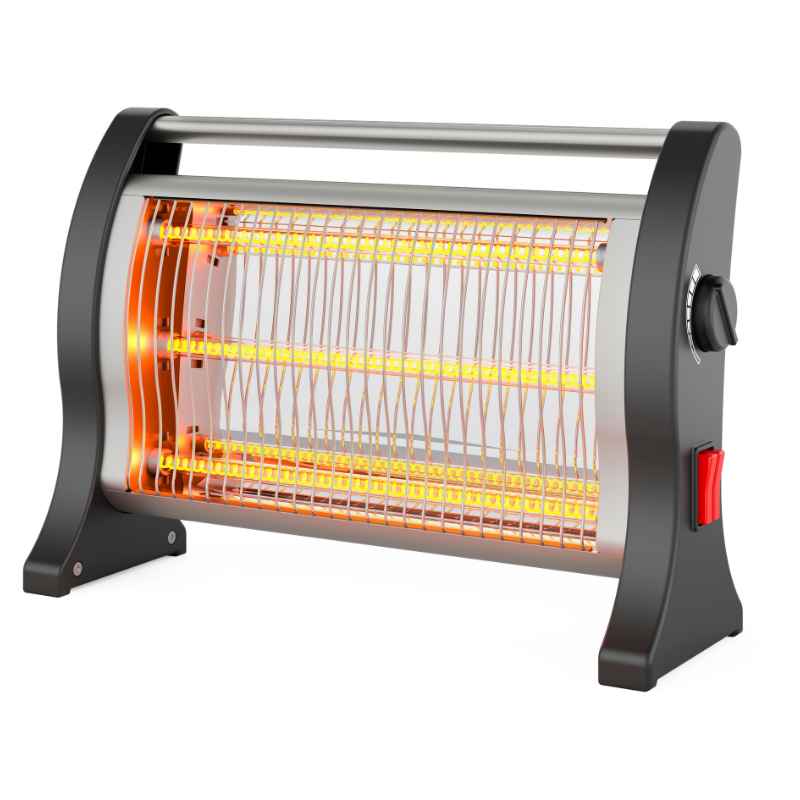
The DR Infrared Bedbug Heater uses infrared energy to raise the temperature. This energy is like light, but you can’t see it. It heats objects directly.
This is different from how some heaters work. Some heat the air first. Infrared heat gets things warm quickly.
For bed bugs to die, the temperature needs to reach a certain point. This is usually around 120 degrees Fahrenheit (49 degrees Celsius). It’s important to keep this temperature for a while.
This is often for at least 30 minutes to a few hours. This duration depends on the specific heater and the size of the area. Even a short exposure to these high temperatures can be fatal.
However, bed bugs are masters of hiding. They can get into very small spaces. These spots might not get hot enough if the heater isn’t placed or used right.
This is why knowing how to use the heater is so important. It’s not just about turning it on. It’s about strategic placement and monitoring.
The effectiveness of heat treatment is backed by science. Many pest control experts agree that heat is one of the most reliable ways to kill bed bugs. It kills all life stages.
This includes eggs, nymphs, and adult bugs. Other treatments might miss some eggs. This means you could have a re-infestation later.
Heat gets them all. It’s also a good option for people who want to avoid using chemicals. Some people are sensitive to pesticides.
Others worry about chemicals around children or pets. Heat treatment offers a non-chemical approach. This is a big plus for many homeowners dealing with this stressful problem.
The DR Infrared Bedbug Heater is designed to deliver this lethal heat. It uses a specific wavelength of infrared light. This light penetrates fabrics and materials.
It heats them from the inside out. This helps to reach those hidden bugs. The unit is often portable.
This allows you to move it to different areas of your home. You can focus on bedrooms, living rooms, or even furniture. But remember, this heater is not a magic wand.
It requires effort and understanding of how bed bugs behave. It’s a tool that needs to be used skillfully to get the best results.
My Own Bed Bug Nightmare (And Why I Understand Your Pain)
I remember the moment vividly. It was a Tuesday night, around 11 PM. I was getting ready for bed, scrolling through my phone.
I flicked on my bedside lamp. That’s when I saw it. A tiny, reddish-brown bug.
It was crawling on my crisp white pillowcase. My stomach dropped. Panic set in.
I’d heard stories, but I never thought it would happen to me. I jumped out of bed. I started pulling off all the sheets.
I was convinced it was just one. A lone traveler. But then, under the edge of my mattress, I saw another.
And another. My heart pounded. I felt a wave of disgust mixed with pure dread.
My sanctuary, my bedroom, was invaded. Sleep that night was impossible. Every itch, every rustle, felt like a bed bug.
The next few weeks were a blur of research, frantic cleaning, and a lot of sleepless nights. I tried every over-the-counter spray I could find. I washed all my bedding multiple times.
I vacuumed my entire room like a madman. Still, I’d see one. Sometimes two.
It felt like a constant battle I was losing. The stress was immense. I started avoiding my bedroom.
I slept on the couch. I worried about bringing them to my friends’ houses. The sheer helplessness was the worst part.
You feel like your home, your personal space, is no longer yours. It’s a violation. It’s embarrassing.
And it’s incredibly frustrating when your efforts don’t seem to make a dent.
That’s when I started looking into more advanced solutions. Professional exterminators were expensive. And some of the chemical treatments worried me.
I stumbled upon heat treatments. The idea of using heat to essentially cook the bugs out sounded almost too good to be true. But the science made sense.
If the temperature is high enough, they die. This led me down the rabbit hole of DIY heat treatments. I looked at various heaters.
The DR Infrared Bedbug Heater caught my eye because it specifically mentioned bed bug treatment. I was skeptical but hopeful. I needed a solution that was effective and felt more manageable than fumigation.
This experience is why I’m so passionate about sharing accurate information. I know what it’s like to be in that situation. You need clear, honest answers.
You need to know if a product or method actually works before you commit.
Key Benefits of Heat Treatment
Fast Action: Heat can kill bed bugs quickly, often in a single treatment session for smaller areas.
All Life Stages: It effectively eliminates eggs, nymphs, and adult bed bugs.
Chemical-Free: A great alternative for those sensitive to pesticides.
Reaches Hiding Spots: Properly applied heat can penetrate cracks and crevices where bugs hide.
No Residual Concerns: Once the area cools, there are no lingering chemicals to worry about.
How the DR Infrared Bedbug Heater Works
The DR Infrared Bedbug Heater uses a different approach to heating. Instead of just warming the air, it emits infrared radiation. Think of how the sun warms your skin.
It’s a similar principle. This infrared energy travels in waves. These waves heat objects directly.
This includes furniture, mattresses, walls, and anything else in the path of the rays. This direct heating method is efficient. It can raise the temperature of materials faster than just heating the air around them.
This is crucial for bed bug elimination.
The heater typically has one or more heating elements. These elements generate the infrared waves. The unit needs to be placed strategically.
You want it to point towards the areas you suspect are infested. The heat then penetrates the materials. It raises the internal temperature of the items.
This is where bed bugs like to hide. They are often found deep within seams of mattresses or within the wood of bed frames. The infrared waves can reach these spots.
They carry the heat directly to where the bugs are sheltering.
Achieving and maintaining the lethal temperature is the main goal. The unit needs to be powerful enough for the space you are treating. It also needs to run for a specific amount of time.
This is often several hours. The temperature needs to reach at least 120°F (49°C) and stay there. You should use a reliable thermometer to monitor the temperature.
You want to ensure the core temperature of infested items reaches this kill zone. It’s not just about the surface temperature. It’s about the heat getting deep inside where the bugs and their eggs are.
The DR Infrared Bedbug Heater often comes with accessories. These might include temperature probes or fans. The fans can help circulate the air.
This circulation helps ensure even heat distribution. This is very important. If some areas are hotter than others, you might kill bugs in one spot but miss them in another.
The temperature probes help you track the internal temperature of furniture or mattresses. This is your proof that the treatment is working effectively. Without proper monitoring, you might be heating an area for hours without actually reaching the lethal temperatures needed.
Infrared vs. Convection Heating for Bed Bugs
Infrared: Heats objects directly. Faster penetration. More targeted.
Can be more efficient for specific items.
Convection: Heats the air. Air then heats objects. Slower to heat objects.
Can heat entire rooms but might struggle with deep penetration into dense materials.
DR Infrared Focus: The DR Infrared Bedbug Heater leverages direct object heating. This is key for getting heat into mattresses and furniture quickly.
User Experiences: What Real People Say
When looking at whether a product like the DR Infrared Bedbug Heater works, real user feedback is gold. Many people turn to these heaters as a DIY solution. They are often looking for something less invasive or cheaper than professional services.
What you’ll find in reviews is a mixed bag, but with some consistent themes. Many users report success in eliminating bed bugs from specific items. For example, treating a single infested couch or a backpack.
One common positive story comes from people who used the heater on smaller items. They might have treated a suitcase after traveling. Or perhaps an infested chair that couldn’t be easily moved or replaced.
In these cases, users often say the heater worked well. They followed the instructions, monitored temperatures, and found no more bugs after treatment. This suggests the heater is capable of killing bed bugs when applied correctly to contained spaces or objects.
However, there are also users who express frustration. Some found that treating an entire room or a whole house was challenging. They might have struggled to get the heat high enough in all areas.
Or they found that bed bugs retreated to cooler spots within the room. This often happens if the heater is not powerful enough for the space. It can also occur if the heat isn’t distributed evenly.
It highlights the importance of understanding the limitations. This heater is often best for targeted treatments, not necessarily whole-house eradication in one go.
Some users also mention the learning curve. It takes time to understand the best placement. It takes effort to monitor temperatures accurately.
It’s not a “set it and forget it” kind of device. Those who took the time to learn and apply it diligently seem to have the best results. Others who treated it like a simple appliance sometimes found they needed to repeat treatments or call in professionals.
The general consensus is that it can work, but user application and expectations are key factors in its success. It’s a powerful tool, but it requires skill.
Quick Scan: User Feedback Insights
Scenario: Treating a single piece of furniture (e.g., chair, couch).
Outcome: Often reported as successful. Bugs killed.
Scenario: Treating an entire bedroom.
Outcome: Mixed. Success depends on heater power, room sealing, and temperature monitoring.
Scenario: Treating backpacks or luggage.
Outcome: Generally positive. Effective for small, contained items.
Key Takeaway: Best for targeted treatments or smaller infested areas.
Real-World Context: Where and Why It Works Best
To understand if the DR Infrared Bedbug Heater will work for you, consider the context. Bed bugs thrive in specific environments. They love places that offer shelter and are close to where people sleep.
This includes beds, couches, chairs, and even electrical outlets or picture frames. They are also very good at hiding in tiny gaps and cracks. This makes them difficult to find and treat.
The design of the DR Infrared Bedbug Heater makes it ideal for certain situations. Think about treating a hotel room after a questionable stay. Or your child’s college dorm room.
Or even just a single infested piece of furniture that you can isolate. In these scenarios, you can create a controlled environment. You can seal off the area.
You can place the heater strategically. You can monitor temperatures closely.
In these smaller, more contained spaces, the heater’s infrared energy can effectively penetrate materials. It can raise the temperature to lethal levels quickly. For instance, if you have an infested sofa, you can place the heater near it.
You can wrap the sofa loosely with thermal blankets (if recommended by the manufacturer). This helps trap the heat. You then run the heater for several hours, monitoring the temperature inside the sofa.
This focused approach is where the heater often shines.
However, treating a whole house with this type of heater is a different story. Homes have many rooms, large volumes of air, and countless hiding spots. It’s very difficult to seal an entire house effectively.
Bed bugs can move to cooler areas. The heater might not be powerful enough to raise the ambient temperature and penetrate all materials throughout the whole structure. So, for a widespread infestation, this heater is usually best used as a complementary tool.
It can treat specific items or rooms. But it might need to be part of a larger plan. This plan could include other professional treatments or methods.
When to Use the DR Infrared Bedbug Heater (Ideal Scenarios)
Targeted Item Treatment: Perfect for infested luggage, backpacks, or a single piece of furniture like a chair.
Small Room Application: Can be effective for a small, well-sealed bedroom or office space.
Pre-treatment of Items: Use it on items you’re bringing back from travel or thrift store finds.
Complementary Tool: Works well alongside other methods for tackling localized hot spots.
What This Means for You: When to Worry and When to Relax
So, does the DR Infrared Bedbug Heater work? Yes, but with important caveats. If you have a minor infestation, or if you’re dealing with a specific item, it can be very effective.
Think of it as a powerful, focused tool. If you’ve traveled and want to treat your luggage, or if you’ve bought a used piece of furniture and want to be sure, this heater can give you peace of mind. You can use it to treat these items effectively.
The key is realistic expectations. If your home feels like it’s crawling with bed bugs everywhere, this heater alone might not solve the whole problem. It’s like trying to bail out a sinking boat with a teacup.
You need to assess the scale of the infestation. If you’re seeing bugs in multiple rooms, on multiple pieces of furniture, and even on the walls, you likely have a more significant issue. In these cases, you might need to consult with a pest control professional.
They have commercial-grade equipment. They also have the expertise to tackle widespread infestations efficiently.
However, don’t dismiss the heater entirely. Even with a larger infestation, it can be part of your arsenal. You can use it to treat items that are difficult to clean or move.
You can use it to treat specific areas that are heavily infested. It’s a great way to get an edge. It’s also a chemical-free option, which is important for many people.
So, when should you worry? You should worry if you see bugs or bites and do nothing. Or if you try this heater and continue to see activity after a thorough treatment.
When can you relax? You can relax if you use the heater on a specific item, follow instructions, monitor temperatures, and then find no more signs of bed bugs for several weeks. You can also relax if you use it as part of a larger, comprehensive plan.
This plan might involve professional help for the heavy lifting. The goal is to eliminate the bugs. If the DR Infrared Bedbug Heater helps you achieve that goal, then it works for you.
It’s about using the right tool for the right job, and understanding its strengths and limitations.
Your Bed Bug Action Plan Checklist
Step 1: Assess the Infestation
Are bugs in one room or spread out? Are bites frequent?
Step 2: Consider the Heater’s Role
Is it for a single item, a small space, or part of a bigger plan?
Step 3: Gather Tools
Heater, thermometer (essential!), gloves, possibly thermal blankets.
Step 4: Follow Instructions Diligently
Placement, temperature monitoring, and duration are critical.
Step 5: Monitor After Treatment
Look for bugs, eggs, or fecal spots for several weeks.
Quick Fixes & Tips for Using the Heater Effectively
Getting the most out of your DR Infrared Bedbug Heater involves more than just plugging it in. A few smart strategies can make a big difference. First, always read the manual.
Every heater model can have slightly different requirements or recommendations. This manual is your best friend.
Seal the Area: If you’re treating a room or a piece of furniture, try to seal it off. Use plastic sheeting or thermal blankets. This traps the heat.
It helps the temperature rise faster and stay higher. This is crucial for killing the bugs. Make sure not to seal it so tightly that air cannot circulate at all, as some circulation might be needed.
Temperature Monitoring is Non-Negotiable: You absolutely must use a reliable thermometer. Place it inside the area you are treating, especially within the infested item itself. You need to confirm that the core temperature reaches 120°F (49°C) and stays there.
Surface temperature is not enough. Aim for the heat to penetrate.
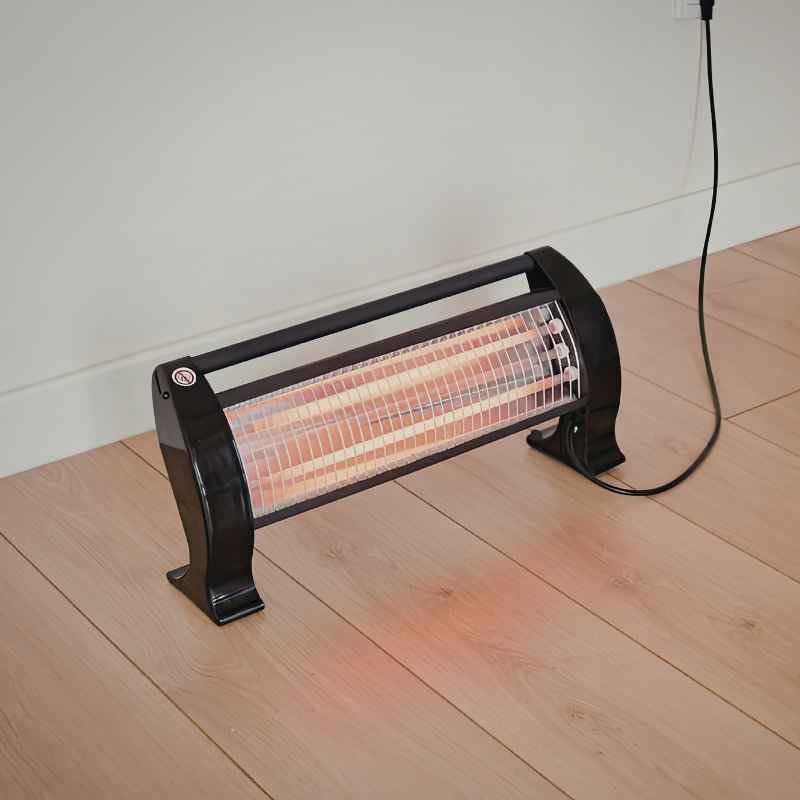
Placement Matters: Position the heater so its infrared waves can reach all parts of the infested area. If treating furniture, don’t hide it behind the furniture. Point it directly at the suspected bug locations.
Think about how light travels. The heat travels similarly.
Patience and Persistence: Bed bug treatment is rarely a one-and-done deal, even with heat. Be prepared to repeat the treatment if necessary. Check carefully for signs of bed bugs after the initial treatment.
If you see any activity, treat again.
Combine Methods: For larger infestations, consider using the heater alongside other proven methods. This could include vacuuming regularly, using interceptors under bed legs, and steam cleaning. A multi-pronged attack is often the most effective way to win the war against bed bugs.
Top Tips for Heater Success
Read the Manual: Understand your specific unit.
Seal It Up: Trap heat for maximum effectiveness.
Thermometer is Key: Verify lethal temperatures.
Strategic Placement: Aim heat directly at bugs.
Be Patient: Repeat treatments may be needed.
Combine Efforts: Use with other methods for best results.
Frequent Questions About the DR Infrared Bedbug Heater
Does the DR Infrared Bedbug Heater kill all bed bug stages?
Yes, when used correctly and if the lethal temperature of 120°F (49°C) is achieved and maintained throughout the infested materials for the required duration, it can kill bed bug eggs, nymphs, and adults. The infrared heat penetrates materials to reach these life stages.
How long does it take to treat an area with the heater?
Treatment times vary depending on the size of the area, the heater’s power, and the materials being treated. Typically, it can take anywhere from 30 minutes to several hours for an item or a small, sealed space. Always follow the manufacturer’s specific guidelines and monitor temperatures.
Can I use the DR Infrared Bedbug Heater on my mattress and box spring?
Yes, mattresses and box springs are prime hiding spots for bed bugs. The infrared heat can penetrate these items. However, it’s crucial to ensure the heat reaches the core and stays at lethal temperatures for long enough.
Using temperature probes is highly recommended for these dense items.
What is the difference between infrared heat and regular heat for bed bugs?
Regular heat (convection) primarily heats the air, which then heats objects. Infrared heat directly warms objects that the waves strike. For bed bugs, infrared heat can be more efficient at quickly raising the internal temperature of items like furniture and mattresses, potentially reaching hidden pests faster.
Can the DR Infrared Bedbug Heater damage my furniture or belongings?
While heat can damage certain materials, the temperatures used for bed bug eradication (around 120°F / 49°C) are generally safe for most common furniture materials like wood, fabric, and vinyl. However, prolonged exposure to very high temperatures or direct contact with certain sensitive electronics or plastics could cause damage. Always test in an inconspicuous area if you are concerned.
How do I know if the heater is actually working?
The most reliable way is by using an accurate thermometer. You need to verify that the internal temperature of the treated items reaches and maintains at least 120°F (49°C) for the recommended duration. Also, monitor for signs of bed bugs after treatment.
If you continue to see them, the treatment may not have been effective.
Is this heater safe to use around pets or children?
Like any heating device, the heater itself can become very hot and pose a burn risk. Ensure pets and children are kept away from the unit while it is operating and cooling down. The heat treatment itself is chemical-free, which is a benefit.
However, direct contact with the hot surfaces should be avoided.
Conclusion: Is It Worth Investing In?
So, let’s wrap this up. The DR Infrared Bedbug Heater is a tool with potential. It’s not a magic bullet, but it can be an effective part of your bed bug battle.
Its success hinges on understanding its capabilities and limitations. For treating specific items, small spaces, or as a complementary method, it can work very well. The key is diligent application, precise temperature monitoring, and realistic expectations.
If you’re facing a massive infestation that seems to be in every room, this heater might be best used alongside professional services. But for targeted treatments and peace of mind after travel or acquiring used items, it can be a worthwhile investment. Remember, the goal is to create a lethal environment for bed bugs.
This heater helps you achieve that in focused ways. Use it wisely, and you can take a significant step towards a bug-free home.
Sponsored / affiliate links. As an Amazon Associate I earn from qualifying purchases. I may earn additional commission from eligible campaigns.