Do Infrared Heaters Actually Save On Electric Bills?
Infrared heaters can offer savings on electric bills, but it depends on how you use them. They heat objects directly, not air, which can be more efficient in certain situations. However, they aren’t a magic bullet for all heating needs. Proper insulation and strategic use are key to seeing real savings.
What Are Infrared Heaters?
Infrared heaters are a special type of electric heater. They work a bit like the sun. They send out warmth in the form of invisible light waves.
These waves travel through the air. When they hit something, like your skin or a piece of furniture, they turn into heat. This is called radiant heat.
It’s different from how most electric heaters work.
Most common electric heaters heat the air around them. Think of a fan heater or a baseboard heater. They push warm air into the room.
This warm air then rises and moves around. Infrared heaters skip this step. They send warmth straight to you and the things in the room.
This means you feel the warmth right away. You don’t have to wait for the whole room to heat up.
This direct heating method is why many people think they save energy. The idea is that you’re not wasting electricity trying to warm up empty air. You’re only heating what matters most – you and your living space.
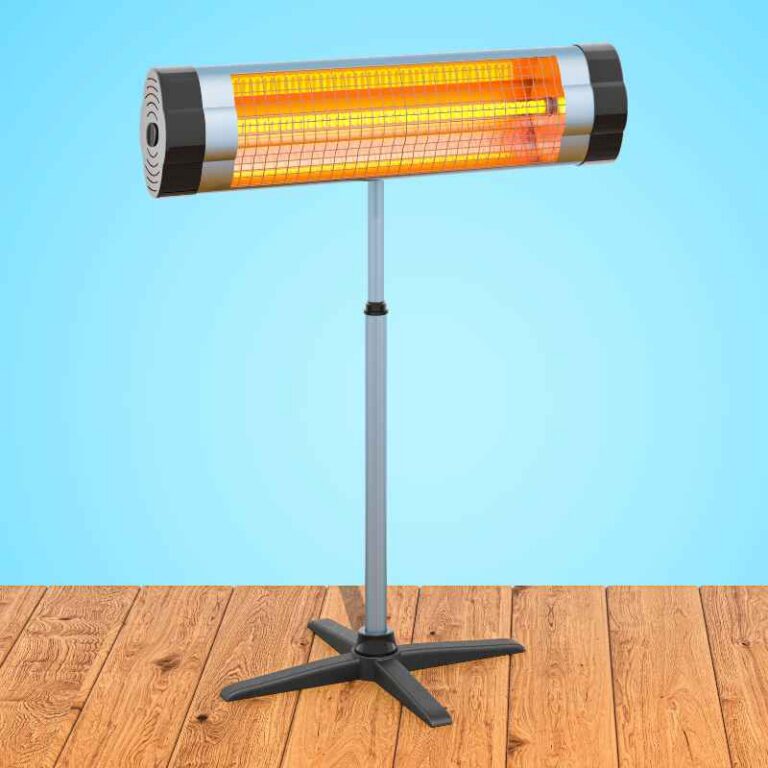
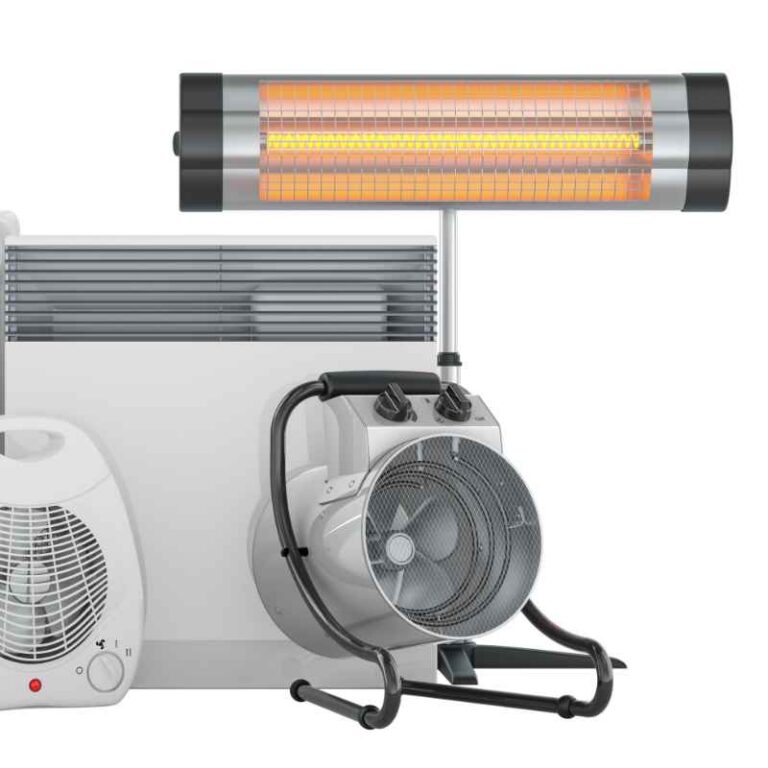
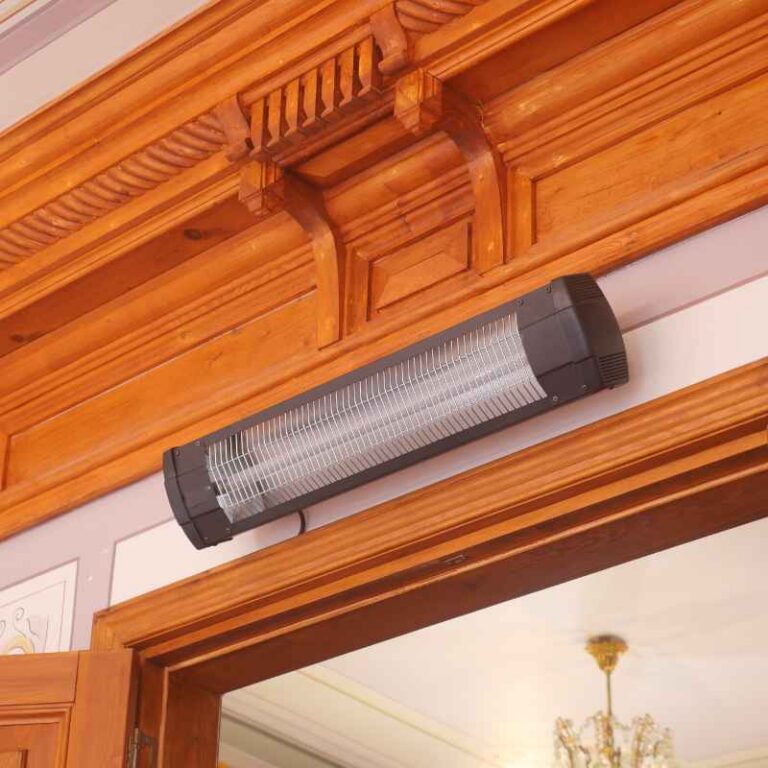
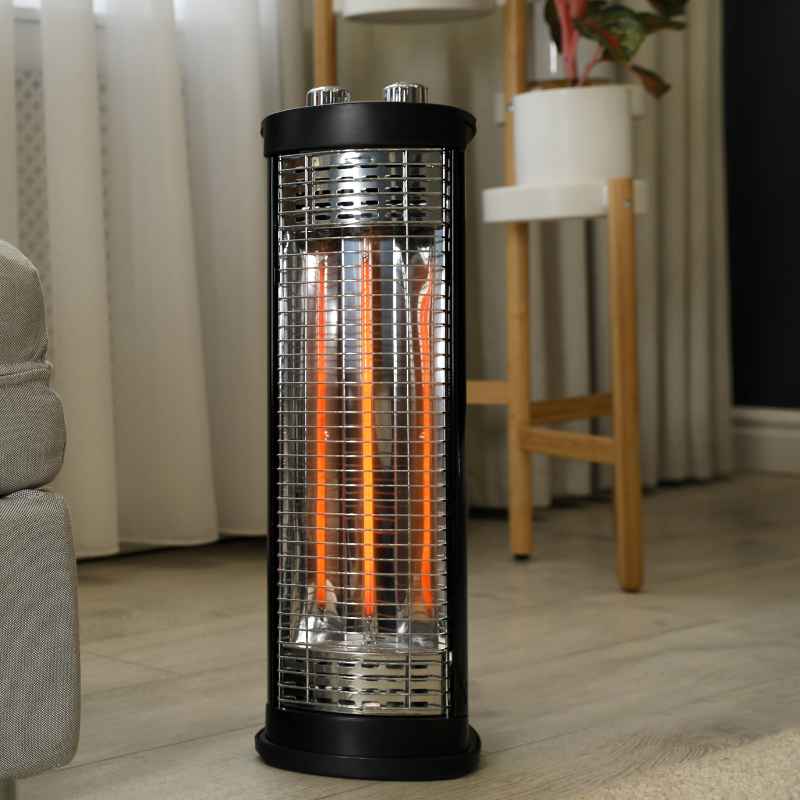
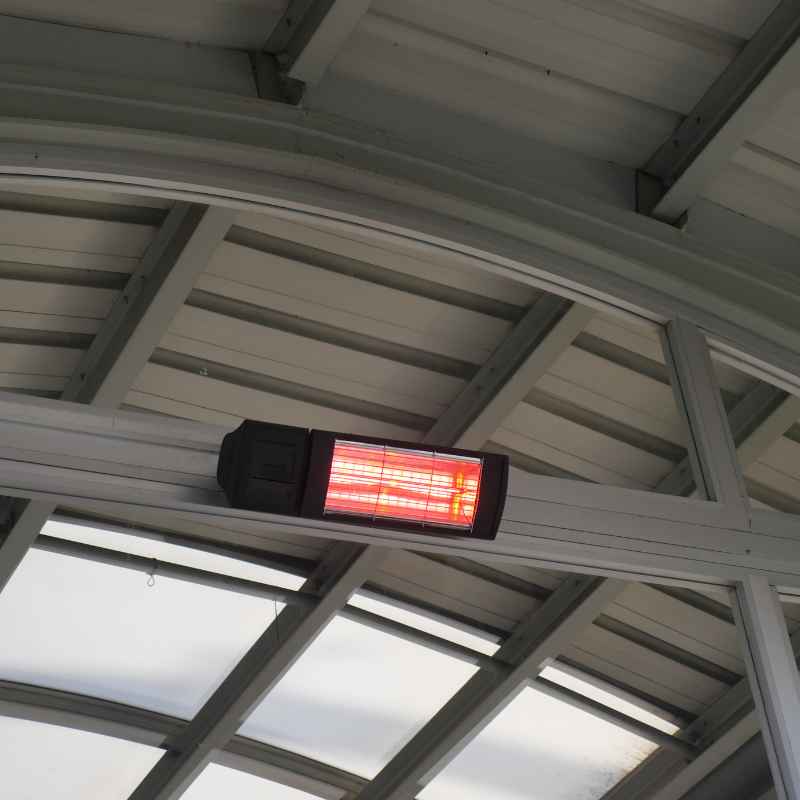
They come in many shapes and sizes. Some are small portable units. Others are designed to be mounted on walls or ceilings.
You can even find them built into furniture or outdoor patio setups.
How Infrared Heaters Save Energy
The main way infrared heaters can save you money is through their heating method. They heat objects directly. This is key.
Imagine standing in a room heated by a regular heater. The air gets warm. But if you walk past a cold window, you still feel a draft.
That’s because the air is warm, but the window is still cold. Infrared heat warms the window, too. It also warms the walls and the floor.
Because they warm objects, the heat feels more intense. You might feel comfortable at a lower thermostat setting. If you turn your thermostat down a few degrees, you will use less electricity.
This is a direct saving. You are not fighting the cold air as much. The heat is absorbed by surfaces and then slowly released.
This keeps you warmer for longer.
Another energy-saving aspect is how they can be used for spot heating. If you only need to warm a small area, like your desk or a reading chair, an infrared heater is perfect. You can point it directly at yourself.
You don’t need to heat the whole room. This is very efficient. Heating an entire house can use a lot of power.
Heating just the spot where you are saves a lot of electricity.
Consider a large, open-plan living space. A central heating system might struggle to keep it all warm. An infrared heater placed in the main living area can make it feel cozy.
You might not need to run the main system as high. This targeted approach uses less energy overall. It’s like wearing a warm jacket instead of turning up the house heat for your whole body.
Infrared Heating vs. Conventional Heating
Direct Object Heating: Infrared heaters warm surfaces and people directly. Conventional heaters warm the air first.
Feel of Warmth: You feel infrared heat instantly. You feel convective heat (warm air) more slowly.
Drafts: Infrared heat is less affected by drafts. Warm air rises, making drafts more noticeable with conventional heaters.
Energy Efficiency: Infrared can be more efficient for zone heating. Conventional heating heats the whole space.
The Science Behind the Savings
The science is pretty straightforward. It’s all about the electromagnetic spectrum. Infrared radiation is a type of light.
It’s just on the longer wavelength side of visible light. When this light hits an object, its energy is absorbed. This absorption makes the object’s molecules vibrate faster.
More vibration means more heat. This is why a rock feels warm after being in the sun.
This is different from convection. Convection is how most electric heaters work. They heat the air.
The air expands. It becomes less dense. It then rises.
Cooler air sinks to take its place. This creates a cycle of air movement. This cycle is called convection.
It warms the entire room. But it can also lead to heat rising to the ceiling. You might feel warm at the top of the room but cooler near the floor.
Infrared heat doesn’t rely on air movement. It travels in straight lines from the emitter. This means it can penetrate further into materials.
It warms walls and furniture. These warmed objects then radiate heat back into the room. This creates a more even and lasting warmth.
It’s like a gentle, persistent heat source. It doesn’t depend on the air being perfectly still or trapped.
The efficiency comes from less heat loss. With convection, heat can escape through windows and doors easily. The warm air just floats out.
With infrared, the objects you’ve warmed hold onto that heat for a while. This means the heater doesn’t have to work as hard to maintain the temperature. You’re not constantly reheating the air that’s escaping.
Another factor is the temperature difference needed. Because infrared heat warms you directly, you might feel comfortable at a lower air temperature. If you feel warm at 68°F with an infrared heater, you might need 72°F with a convection heater.
That 4-degree difference can save a lot of electricity. The U.S. Department of Energy notes that reducing your thermostat by even one degree can save 1-3% on your heating bill.
Real-World Experience: My Own Infrared Heater Story
I remember living in an old apartment. It had those classic wall-mounted electric heaters. They were noisy and didn’t heat very evenly.
My living room was always a bit chilly. The heat seemed to collect near the ceiling. I’d put on sweaters, and still feel a bit cold.
I started looking for a solution. I wanted something better without tearing out the walls to install a new system.
That’s when I discovered infrared panel heaters. They looked sleek, like modern art on the wall. I was skeptical.
How could a flat panel heat a whole room? I decided to try one for my living room. I bought a medium-sized one.
Installation was simple. It just plugged into the wall. I turned it on, and waited.
I didn’t feel much at first.
Then, after about ten minutes, I noticed something. The chill I always felt was gone. I walked around the room.
The couch felt warmer. The rug under my feet felt warmer. The air itself felt comfortably cozy, not just hot.
It was a strange sensation at first. The air wasn’t moving, but I felt genuinely warm. My dog, who usually curled up in a tight ball, stretched out on the floor.
He seemed to enjoy the gentle warmth.
Over the next few months, I noticed a real difference in my electric bills. They weren’t drastically lower, but they were noticeably less than the previous winter. I was also more comfortable.
I didn’t need to wear as many layers indoors. I could sit and read without feeling that persistent, annoying chill. It felt like the warmth was part of the room, not just floating above me.
It was a small change that made a big difference in my daily comfort and my energy costs. This experience showed me that infrared heating is not just marketing hype; it has a practical benefit.
Understanding Your Heat Loss
Insulation: How well are your walls, attic, and floors insulated? Poor insulation means heat escapes quickly, no matter the heater type.
Windows & Doors: Older windows and doors can be major sources of heat loss. Drafty areas make any heater work harder.
Room Size: Is the heater sized correctly for the room? Too small, and it won’t keep up. Too large, and it might cycle on and off too much.
Thermostat Use: Are you setting it too high? Are you using a programmable thermostat? Smart usage saves money.
Factors Affecting Savings
While infrared heaters offer potential savings, they are not a guaranteed solution for everyone. Several factors influence how much money you can actually save on your electric bills. It’s important to understand these to set realistic expectations.
Home Insulation: This is the biggest factor. If your home is not well-insulated, heat will escape quickly. Even the most efficient heater will struggle.
Infrared heat does warm surfaces, which helps retain heat longer. But if the walls themselves are cold and leaky, you’ll still lose a lot of energy. Think of it like trying to fill a leaky bucket.
You need to fix the leaks first.
Climate: In very cold climates, electric heating, including infrared, can become expensive. If your primary heat source is electric, and you live somewhere with long, harsh winters, your bills might still be high. Infrared is often best used to supplement existing heat or for shorter heating seasons.
It’s great for a chilly garage or a drafty sunroom. It might not be enough as the sole source in freezing temperatures for a whole house.
Usage Habits: How you use the heater matters most. If you only use it for a few hours a day to heat a specific area, you’ll see savings. If you run it all day, every day, at high settings, your bills will go up.
Using zone heating is where infrared shines. If you’re heating a whole house, you might need multiple units or a different system altogether. People often make the mistake of thinking it’s a set-it-and-forget-it solution for their entire home.
Thermostat Settings: As mentioned, you can often feel comfortable at lower temperatures with infrared. If you take advantage of this, you save money. However, if you set the thermostat to the same level as your old heater, you might not see much difference.
The key is to experiment and find the lowest comfortable temperature for you.
Room Layout and Furniture: While infrared heats objects, very dense or dark furniture can absorb more heat. This is generally a good thing. But if there are large obstructions directly between the heater and where you sit, the heat might be blocked.
The effectiveness can also depend on how the room is arranged. Open spaces allow the radiant waves to travel more freely.
Quick Scan: Infrared Heater Benefits
Instant Warmth: Feel heat right away.
Zone Heating: Great for heating specific areas.
Quiet Operation: No fans or motors to make noise.
Reduced Air Movement: Helps with dry air or allergies.
Aesthetics: Modern designs can blend in well.
Comparing Costs: Infrared vs. Other Electric Heaters
When we talk about saving money, it’s essential to compare the actual costs. Infrared heaters are electric heaters. They use electricity to generate heat.
So, their running cost depends on the price of electricity in your area and the wattage of the heater.
Wattage and Running Cost: Most portable infrared heaters range from 700 to 1500 watts. A 1500-watt heater running for one hour uses 1.5 kilowatt-hours (kWh) of electricity. If your electricity costs $0.15 per kWh, that hour costs $0.225.
A more powerful convection heater might also be 1500 watts. So, the direct running cost per hour can be very similar.
The Efficiency Difference: The savings come from how that energy is used. Because infrared heaters heat objects directly, you might feel warm sooner. This means you can turn them off sooner.
Or, you might be able to keep your main thermostat set lower. A convection heater might need to run longer to achieve the same level of comfort in your immediate area. It also warms the entire room volume, which includes air that might be escaping.
Initial Purchase Price: Infrared heaters can sometimes have a higher upfront cost than basic portable electric heaters. Simple ceramic heaters or oil-filled radiators can be less expensive to buy. However, more advanced convection heaters or those with smart features can also be costly.
The price difference isn’t always huge. Look at the total cost of ownership, including running costs.
Supplementing vs. Primary Heat: If you’re using an infrared heater to supplement a primary heating system (like a furnace or central air), the savings are often clearer. You might turn down your main thermostat by a few degrees.
This reduces the load on your more expensive primary system. If you’re trying to heat a whole house solely with electric infrared heaters, the cost could still be substantial, especially in cold regions.
Energy Star Ratings: Look for Energy Star certified models if available. These have met strict energy efficiency guidelines set by the U.S. Environmental Protection Agency.
While not common for all portable heaters, it’s a good indicator of efficiency. Some manufacturers also provide estimated heating costs based on average electricity prices.
Contrast: Conventional Heater vs. Infrared Heater
Conventional Heater:
- Warms air (convection).
- Heats the entire room volume.
- Can be noisy (fans).
- Heat can rise and escape easily.
- Takes time to feel warm.
Infrared Heater:
- Warms objects and people directly (radiation).
- Heats specific zones effectively.
- Very quiet.
- Warmed objects retain heat.
- Feel warmth almost instantly.
When Are Infrared Heaters a Smart Choice?
Infrared heaters are not a one-size-fits-all solution. They are best suited for specific situations where their unique heating method offers advantages. Understanding these scenarios can help you decide if an infrared heater is a good investment for you.
Spot Heating: This is where they really shine. If you spend a lot of time in one spot, like at your desk, in a reading chair, or on the couch, an infrared heater can keep you warm without heating the whole room. This is incredibly efficient.
You can feel cozy while the rest of the room remains cooler. This is perfect for home offices or living rooms where people gather in specific areas.
Drafty Rooms: Old houses, apartments with single-pane windows, or rooms with lots of doors and windows can be drafty. Traditional heaters struggle with constant drafts. Infrared heat is less affected by air movement.
It warms the surfaces and people directly, so even if cold air comes in, you still feel the direct warmth.
Supplementing Existing Heat: Instead of cranking up your central heating, you can use an infrared heater to add targeted warmth. This can allow you to set your main thermostat a few degrees lower. This can lead to significant savings on your overall heating bill.
It’s like adding a cozy blanket to your favorite seating area.
Rooms with High Ceilings: In rooms with high ceilings, warm air from convection heaters tends to rise and get trapped at the top. This can leave the occupied space feeling cooler. Infrared heat warms surfaces at floor level and people directly, so the warmth is felt where it’s needed most, regardless of ceiling height.
Workshops, Garages, and Sunrooms: These areas are often poorly insulated or only used occasionally. Heating them with a central system is usually wasteful. An infrared heater can provide comfortable warmth in these spaces when you need them, without wasting energy when they are empty.
They are ideal for creating temporary comfort zones.
People with Certain Health Conditions: Some individuals may find radiant heat more comfortable than forced air. It can provide a more consistent and less drying heat. If you suffer from dry skin or respiratory issues that are aggravated by dry, moving air, infrared might be a gentler option.
Scenario: The Home Office
Problem: Your home office is always colder than the rest of the house. You wear sweaters all day.
Solution: A small, portable infrared heater placed under your desk.
Benefit: You feel warm directly at your workspace. You don’t need to heat the entire office room or the whole house to a higher temperature. This saves electricity.
When to Be Cautious
While infrared heaters have many benefits, there are situations where they might not be the best or most cost-effective solution. It’s wise to consider these limitations.
Sole Source of Heat for an Entire Home in Extreme Cold: If you live in a region with very cold winters and your home is not exceptionally well-insulated, relying solely on electric infrared heaters might lead to very high electricity bills. While they are efficient for zone heating, heating a large space entirely with electricity can be costly. In these cases, a more robust heating system might be necessary.
Poorly Insulated Homes: As mentioned earlier, if your home has significant heat loss issues (drafty windows, poor wall insulation, uninsulated attic), any heating system will struggle. The savings from an infrared heater will be greatly diminished because the heat it generates will escape quickly. It’s often more cost-effective to improve insulation first.
Large, Open-Plan Areas Without Zoning: While infrared is good for heating objects, if you have a very large, open-plan space with many occupants moving around, a single infrared heater might not provide enough consistent warmth for everyone. In such cases, a central heating system or multiple heat sources might be better. Or, you would need to strategically place several infrared heaters.
Budget Constraints for Upfront Cost: If your budget for purchasing a heater is very limited, some infrared models might be more expensive than basic convection heaters. While the long-term running costs might be lower, the initial investment could be a barrier for some.
Expecting Miraculous Savings: Infrared heaters are efficient, but they are still electric heaters. If your electricity rates are very high, even an efficient heater will cost money to run. The savings are relative to how you use it and compared to less efficient heating methods.
They won’t make your electricity bills disappear, but they can certainly help manage them.
Safety Concerns with Children or Pets: While most modern infrared heaters have safety features like cool-touch exteriors or tip-over switches, the heating elements themselves can get very hot. If you have very young children or curious pets, you need to ensure the heater is placed safely out of reach or has adequate guards. Always read the manufacturer’s safety guidelines.
Infrared Heater: When NOT to Rely on It
- Sole Heat Source in Extreme Cold: If your area gets very, very cold.
- Uninsulated House: If your home leaks heat like a sieve.
- Heating Huge, Open Spaces: Unless you use multiple units.
- Very Tight Upfront Budget: Some models cost more initially.
- Ignoring Electricity Costs: High rates mean higher bills, even with efficiency.
Quick Tips for Maximizing Savings
To make sure you get the most out of your infrared heater and actually see savings on your electric bills, follow these simple tips:
- Insulate First: Before buying any new heater, check your home’s insulation. Seal drafts around windows and doors. Adding insulation to your attic is often one of the most cost-effective ways to save on heating.
- Use a Programmable Thermostat: If you have a central system, use a programmable thermostat to lower the temperature when you’re asleep or away. If using infrared for zone heating, you can manually adjust settings or use smart plugs to schedule operation.
- Target Your Warmth: Use the infrared heater only in the room or area you are occupying. Turn it off when you leave the space. Don’t heat empty rooms.
- Experiment with Lower Temperatures: Since infrared heat feels more direct, try lowering your main thermostat by a few degrees. See if you can maintain comfort. This is where significant savings can occur.
- Consider a Smart Plug: You can use a smart plug to turn your infrared heater on and off remotely or set schedules. This helps ensure you’re not leaving it on unnecessarily.
- Proper Sizing: Make sure the heater you choose is appropriate for the size of the space you want to heat. An undersized heater will run constantly and may not provide enough warmth. An oversized one might cycle too much.
- Clean and Maintain: Keep the heater free of dust and debris. A clean unit operates more efficiently. Check the manufacturer’s instructions for maintenance.
Frequently Asked Questions
Are infrared heaters more expensive to run than electric baseboard heaters?
They can be, or they can be less expensive. It depends on how you use them. Baseboard heaters heat the air.
Infrared heaters heat objects directly. If you use infrared for spot heating and keep your baseboard heaters lower, you will save money. If you run both at full blast, the cost might be similar, or infrared could be more depending on efficiency in your specific setup.
Do infrared heaters dry out the air?
No, infrared heaters do not dry out the air. Unlike convection heaters that warm and move air, infrared heat doesn’t rely on air circulation. This means they don’t reduce indoor humidity as much.
Some people find this type of heat more comfortable, especially if they suffer from dry skin or sinuses.
Can I use an infrared heater in my bathroom?
Some infrared heaters are designed for bathroom use and are safe for humid environments. You must check the product’s specifications. Look for heaters that are rated for bathroom use and have appropriate safety certifications.
Never use a heater not designed for bathrooms in a humid area due to the risk of electric shock.
How long does it take to feel the heat from an infrared heater?
You feel the warmth almost immediately. The radiant waves travel through the air and heat the surfaces they strike. So, when you are in the path of the heater, you will feel the warmth within seconds to a minute.
It takes longer for the objects and materials in the room to absorb enough heat to re-radiate it.
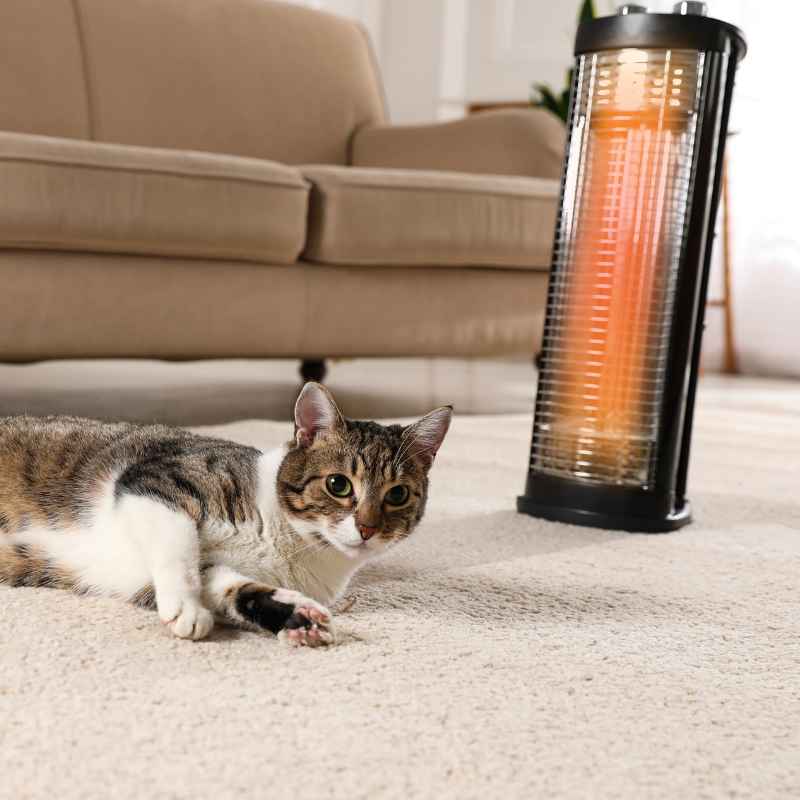
Are infrared heaters safe for pets?
Yes, infrared heaters are generally safe for pets, provided they are used correctly. The heating elements can get hot, so ensure your pet cannot reach them directly. Many models have safety features like cool-touch exteriors or automatic shut-offs.
Supervise your pets, especially if they are prone to chewing or scratching at objects.
Do infrared heaters help with mold or mildew?
Infrared heaters can indirectly help by warming surfaces and reducing condensation. Mold and mildew thrive in damp, cool environments. By warming walls, floors, and objects, infrared heat can help keep surfaces at a temperature where condensation is less likely to form.
This can make the environment less hospitable to mold and mildew growth.
Final Thoughts on Infrared Heater Savings
So, do infrared heaters actually save on electric bills? The answer is a nuanced yes, but with important conditions. They offer a unique way to heat by focusing on objects and people directly.
This can lead to noticeable savings, especially when used for zone heating or to supplement your existing system.
The key is smart usage. By targeting warmth where you need it and when you need it, you avoid the energy waste associated with heating empty air. Improving your home’s insulation is always the first step to better energy efficiency.
Then, an infrared heater can be a fantastic tool to keep you cozy and your bills manageable.
Sponsored / affiliate links. As an Amazon Associate I earn from qualifying purchases. I may earn additional commission from eligible campaigns.