What Is Meant By Elements Of Infrared Heaters? Explained
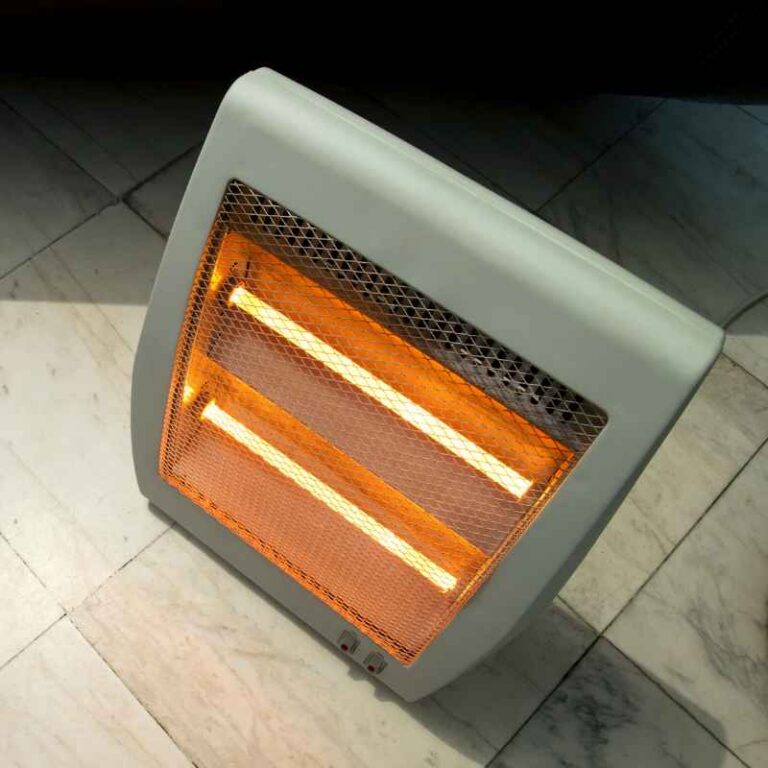
The main elements of infrared heaters are the heat emitter (like a lamp or element), a reflector to direct the heat, and a protective casing. These work together to convert electricity into infrared radiation, which then heats objects and people directly, rather than the air.
What Are the Core Elements of an Infrared Heater?
An infrared heater uses a clever idea. It doesn’t just blast hot air everywhere. Instead, it sends out waves of heat. These waves are like light. You can feel them on your skin. They warm up the things they hit. Think of standing in the sun on a cool day. The sun’s rays warm you. An infrared heater does something similar. It has a few key parts that make this magic happen.
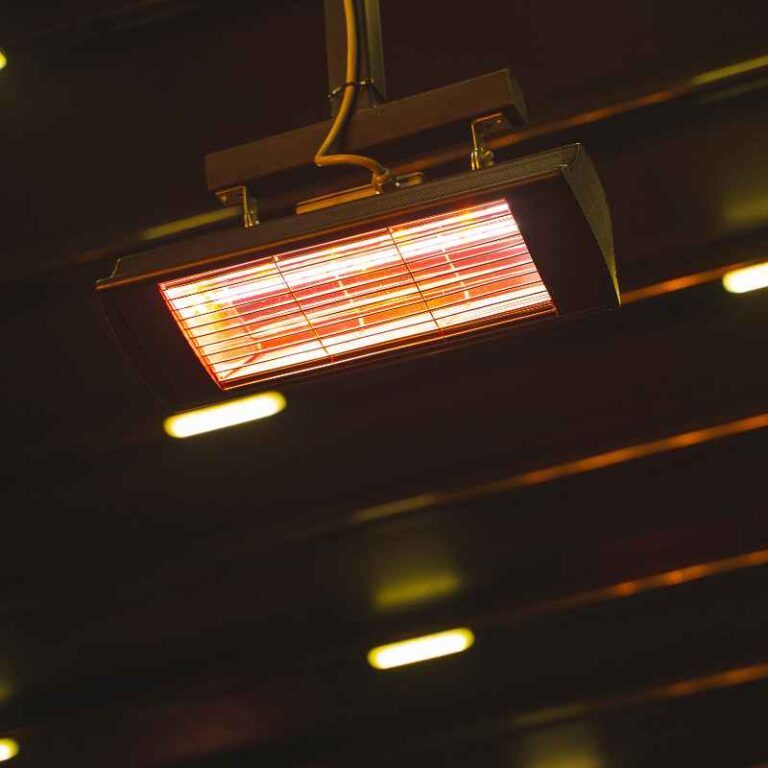
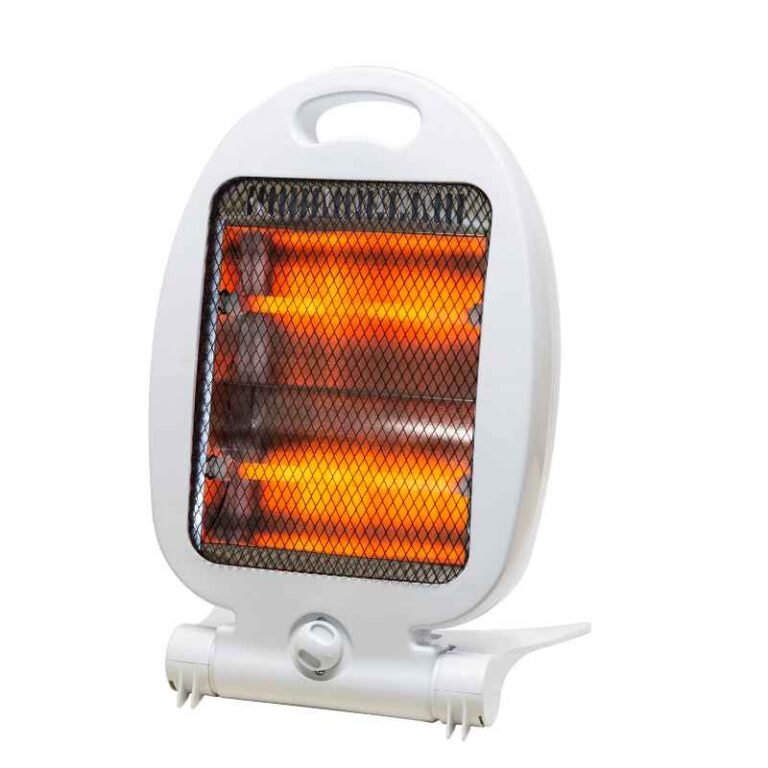
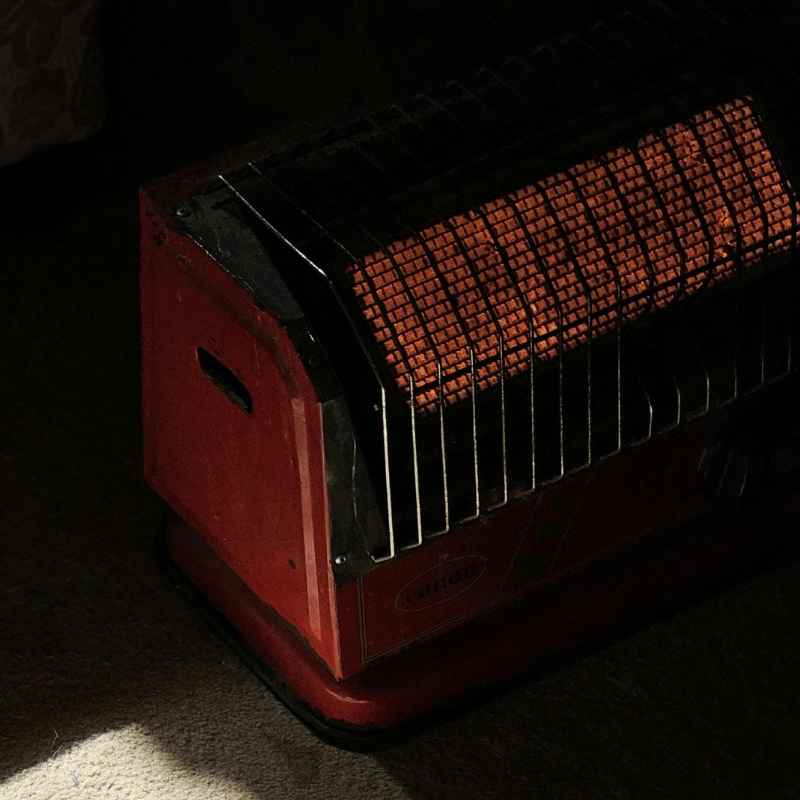
The first important part is the heat emitter. This is the part that gets hot. It’s often a special kind of lamp or a heating coil. When electricity flows through it, it gets very warm. It starts to glow, often with a red or orange color. This glow is where the infrared heat comes from. It’s the source of all the warmth. This element needs to be able to get hot fast and stay hot.
Next, there’s the reflector. Imagine a mirror behind the heat emitter. This mirror is shaped in a special way. Its job is to bounce the heat waves. It sends them out in the direction you want them to go. Without a reflector, much of the heat would just go upwards or all around. The reflector focuses the heat. It directs it forward. This makes the heater much more useful. It helps you feel warm where you want to feel warm.
Finally, there’s the casing. This is the outer shell of the heater. It’s usually made of metal. Its main job is to be safe. It keeps you from touching the hot parts inside. It also helps to protect the delicate emitter and reflector. The casing can also have vents. These help with airflow. They keep the heater from getting too hot itself. It’s the structure that holds everything together. It makes the heater safe to use in your home or workshop.
My First Infrared Heater Experience
I remember buying my first infrared heater. It was for my small home office. The room was always freezing, especially in winter. I’d tried regular space heaters, but they just made the air feel dry and didn’t seem to warm me up enough. I was a bit skeptical about infrared. It sounded a little too fancy. But I was desperate for warmth that actually worked.
I unpacked the heater. It looked like a sleek, silver panel. Not like the bulky heaters I was used to. I plugged it in and turned it on. At first, nothing seemed to happen. No fan noise, no hot air blowing. I started to panic a little. Had I wasted my money? Was this thing broken? I sat there, feeling a bit silly, waiting for something to happen.
Then, I started to feel it. A gentle warmth spread across my face. It was like standing near a warm window. But this was coming from the heater itself. It wasn’t blowing air; it was sending out waves. Within minutes, the whole area around my desk felt cozy. The stuffy, dry feeling was gone. I could finally focus on my work without shivering. It was a game-changer. I realized then how different and effective infrared heat could be.
Understanding the Heat Emitter Types
The heart of any infrared heater is its emitter. Different types offer different benefits.
- Quartz Emitters: These are very common. They heat up quickly and glow brightly. They are good for quick bursts of heat.
- Ceramic Emitters: These heat up a bit slower but can provide more even warmth. They often don’t glow as brightly.
- Carbon Fiber Emitters: These are newer and very efficient. They produce a softer, more comfortable heat. They also tend to last longer.
How Do These Elements Work Together?
So, you have the emitter getting hot. You have the reflector sending the heat forward. And the casing keeps it all safe. But how does that actually warm you up? It’s all about infrared radiation. This is a type of electromagnetic wave. We can’t see it, but we can feel it as heat.
When the heat emitter gets hot, it gives off these infrared waves. The reflector bounces them outward. These waves travel through the air. They don’t heat the air itself. Instead, they pass through the air. When they hit an object, like your skin or a piece of furniture, they are absorbed. This absorption makes the object’s molecules vibrate faster. And that’s what we feel as heat.
Think of it like this: the heater is like a projector. It projects heat waves onto surfaces. The surfaces then become warm. This is why infrared heaters are so good for drafty rooms. They don’t waste energy heating the air that just escapes. They warm what’s in front of them. This makes them very efficient. They target the warmth where it’s needed most.
Infrared Heater Elements: A Closer Look
Let’s dive a bit deeper into each element. Knowing the specifics helps understand the heater’s performance.
The Heat Emitter: The Core Component
This is where the infrared energy is generated. It’s designed to reach high temperatures quickly.
Common Emitter Materials
- Nichrome Wire: Often encased in quartz tubes. It’s durable and gets hot fast.
- Halogen Lamps: Similar to light bulbs, but designed for heat. They glow orange and provide instant warmth.
- Carbon Fibers: A more advanced material. It heats up very efficiently and evenly. It often produces a softer, red glow.
The material and design of the emitter directly impact how quickly the heater warms up. It also affects the quality of the heat. Some emitters might feel intense, while others feel more gentle.
The Reflector: Directing the Energy
The shape and material of the reflector are crucial. A good reflector maximizes the usable heat output.
Reflector Shapes and Materials
- Parabolic or Elliptical Shapes: These are designed to focus the heat into a beam.
- Polished Aluminum or Stainless Steel: These metals are highly reflective. They bounce infrared waves effectively.
- Anodized Surfaces: These can help control the spread of heat for a wider or narrower beam.
The reflector ensures that most of the heat energy goes where you want it. It prevents waste. It’s like aiming a flashlight versus just turning on a bare bulb.
The Casing and Frame: Safety and Durability
This is the physical structure that houses all the components. It needs to be robust.
Casing Features
- Heat-Resistant Materials: Metal is common, often powder-coated for durability and aesthetics.
- Cool-Touch Surfaces: Some designs ensure the exterior remains safe to touch.
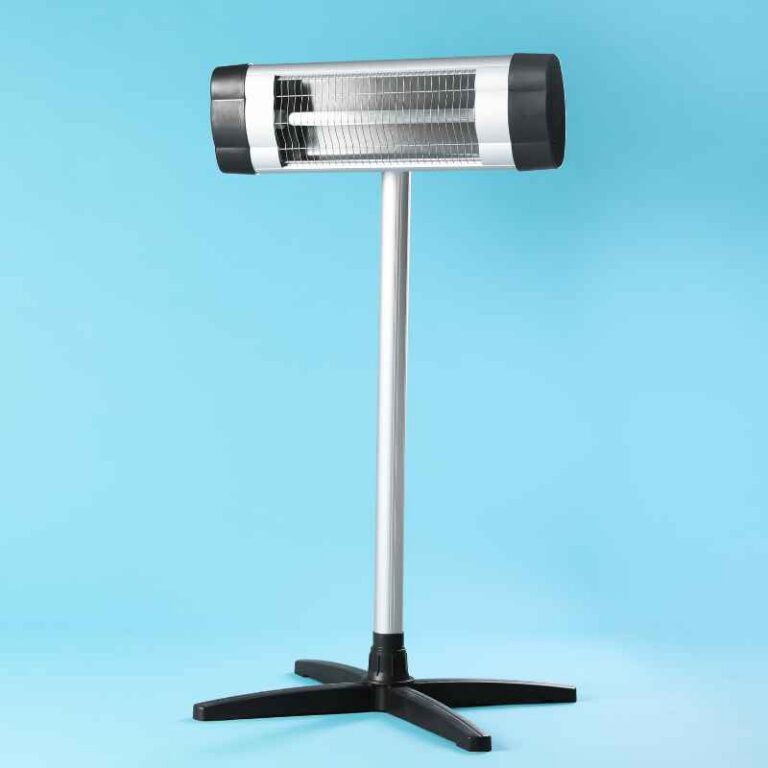
- Mounting Options: Wall, ceiling, or floor stands, all designed for stability.
- Safety Grilles: These protect the emitter and prevent accidental contact.
The casing isn’t just for looks. It plays a vital role in the heater’s safety and longevity.
Quick Scan: Infrared Heater Elements
| Element | Primary Role | Key Features |
|---|---|---|
| Heat Emitter | Generates infrared radiation | Material (quartz, ceramic, carbon), Glow intensity |
| Reflector | Directs heat waves | Shape (parabolic), Material (polished metal) |
| Casing/Frame | Provides safety and support | Material (metal), Safety features (grilles) |
Real-World Scenarios Where Elements Matter
Imagine a few situations. In each, the specific elements make a big difference.
Scenario 1: The Drafty Garage
You have a detached garage. It gets brutally cold in the winter. You use it for projects sometimes. A standard convection heater would struggle. It would just heat the air, which would then leak out. But an infrared heater with a powerful emitter and a focused reflector is perfect. It heats your workbench and you directly. The heat stays with you.
The elements here need to be robust. They need to withstand the colder ambient temperatures of a garage. A carbon fiber emitter might be best. It provides efficient, deep heat. The reflector needs to be very precise. It should aim the heat right where you are working. The casing should be durable and able to handle potential dust and moisture.
Scenario 2: A Large Living Room with High Ceilings
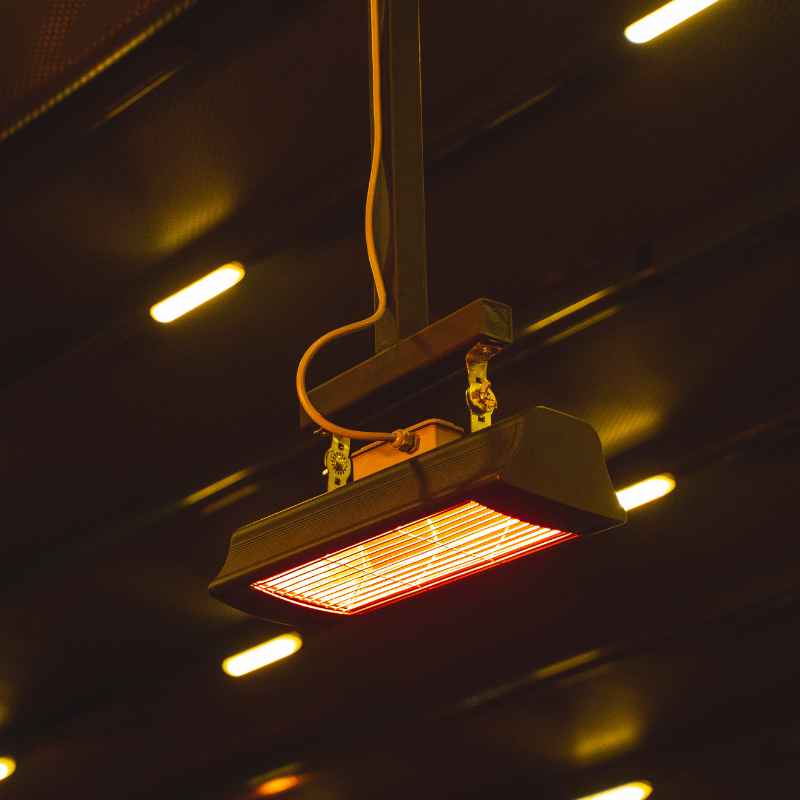
This is a classic challenge. Lots of air to heat. A convection heater would blow hot air up. It would all collect near the ceiling. The floor would remain chilly. An infrared heater can be mounted high on the wall or ceiling. Its focused heat waves travel downwards. They warm people and furniture directly.
Here, the reflector is key. A wider beam reflector is needed. This spreads the heat over a larger area. The emitter needs to be powerful enough to reach down from the ceiling. Multiple units might be used. Each with carefully chosen elements to cover the space effectively.
Scenario 3: An Outdoor Patio
You want to extend your outdoor living season. You need warmth on your patio in the evenings. This is where outdoor-rated infrared heaters shine. The elements must be designed for this. They need to be durable against weather.
The emitter in an outdoor heater is often very powerful. It needs to combat cooler outside air. The reflector is also important. It directs heat outwards towards people sitting on the patio. The casing needs to be weather-resistant. It protects the internal components from rain and dust.
What Do These Elements Mean for You?
Understanding the elements of an infrared heater helps you make smart choices. It’s not just about watts. It’s about how those watts are turned into useful heat.
When Are They Normal?
It’s normal for the emitter to glow. This is how it produces heat. It’s also normal for the reflector to be shiny. It needs to bounce the heat. The casing should feel solid and safe. If the heater is producing warmth that you can feel directly, the elements are likely working as they should.
When Should You Be Concerned?
If the emitter isn’t glowing at all, even when turned on, there might be a problem. If the reflector looks dull or damaged, it won’t work well. If the casing feels flimsy or is damaged, it could be a safety risk. If the heater is making strange noises, that’s also a sign something isn’t right. Always follow the manufacturer’s instructions for use and safety.
Infrared Heater Myth vs. Reality
Let’s clear up some common ideas about infrared heaters.
Reality:
Infrared heaters warm objects, not air. They don’t typically dry out the air like forced-air systems can. In fact, they can make dry air feel more comfortable.
Quick Tips for Using Your Infrared Heater
Even with great elements, proper use is key.
Placement is Key
Position your heater so it faces the area you want to warm. Think about where you will be sitting or standing. Avoid placing it too close to flammable materials. Always check the manufacturer’s recommended clearance.
Consider the Room Size
Choose a heater with enough wattage for the space. A small heater won’t effectively warm a large room. The strength of the emitter and the design of the reflector play a role here.
Regular Cleaning
Dust can build up on the emitter and reflector. This can reduce efficiency. Gently clean these parts according to the manufacturer’s instructions. This helps maintain the performance of the elements.
Safety First
Always ensure the heater is on a stable surface. Never leave it unattended. Check cords for damage. If the heater has a tip-over switch, make sure it’s functioning correctly.
Frequently Asked Questions About Infrared Heater Elements
What kind of glow should I expect from an infrared heater?
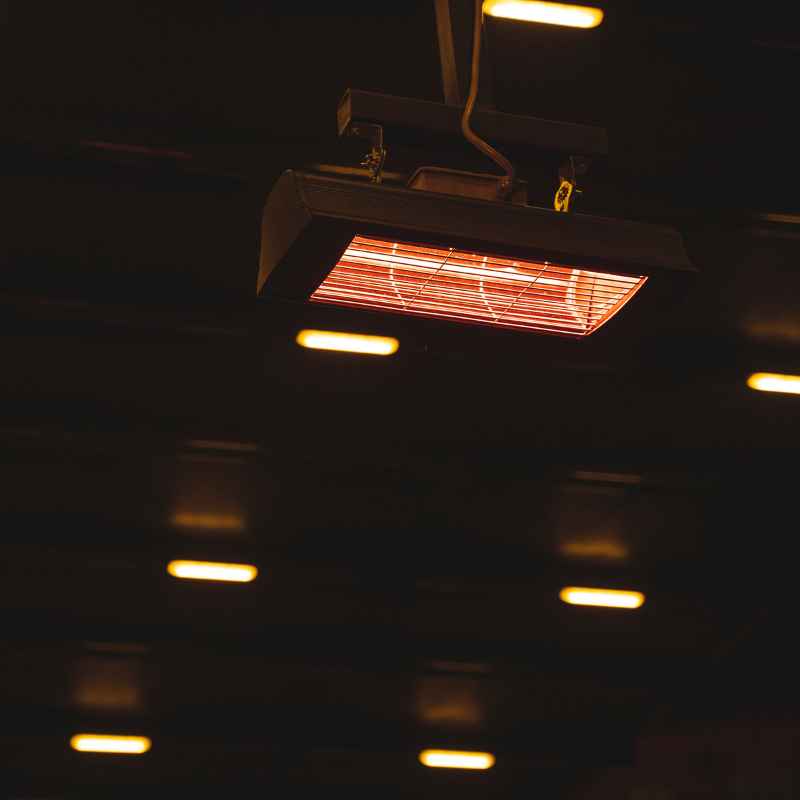
The glow varies by emitter type. Quartz and halogen emitters often glow bright orange or red. Carbon fiber emitters usually have a softer, dimmer red glow.
Some ceramic emitters may not glow visibly at all.
Can I replace the heating elements myself?
It depends on the heater model. Some allow for user
How long do infrared heater elements typically last?
Lifespans vary greatly. Quartz and halogen emitters can last for thousands of hours. Carbon fiber elements are often designed for even longer use, sometimes up to 10,000 hours or more.
Regular maintenance can help prolong their life.
Does the reflector material affect the heat output?
Yes, absolutely. A highly polished and well-shaped reflector is essential for directing the infrared rays efficiently. If the reflector is scratched, dirty, or made of a less reflective material, more heat will be lost and less will reach you.
Are infrared heaters safe for pets and children?
Most infrared heaters are safe when used properly. The casing is designed to stay cool enough to prevent burns. However, it’s always important to keep curious pets and small children from touching the hot emitter or getting too close.
Always follow safety guidelines.
What’s the difference between short-wave, medium-wave, and long-wave infrared heat?
This refers to the wavelength of the infrared radiation. Short-wave is the hottest and most intense, with a bright glow (like quartz). Medium-wave is less intense.
Long-wave produces a gentler, more diffused heat (like ceramic or carbon fiber). Each has different applications and feels.
Conclusion
Understanding the elements of an infrared heater demystifies its operation. The emitter, reflector, and casing all work in harmony. They transform electricity into efficient, direct warmth. This knowledge empowers you to choose wisely. It helps you get the most comfort from your heating system. Enjoy the cozy warmth!
Sponsored / affiliate links. As an Amazon Associate I earn from qualifying purchases. I may earn additional commission from eligible campaigns.