Are Duraflame Infrared Heaters Cool To The Touch? Answered
It’s a common worry when you have kids or pets running around. You want warmth, but you also need peace of mind. That’s where heaters like the Duraflame infrared models come into play.
Many folks wonder, “Are Duraflame infrared heaters cool to the touch?” It’s a smart question to ask for anyone considering one for their living space. Let’s break down what makes these heaters tick and what that means for your safety.
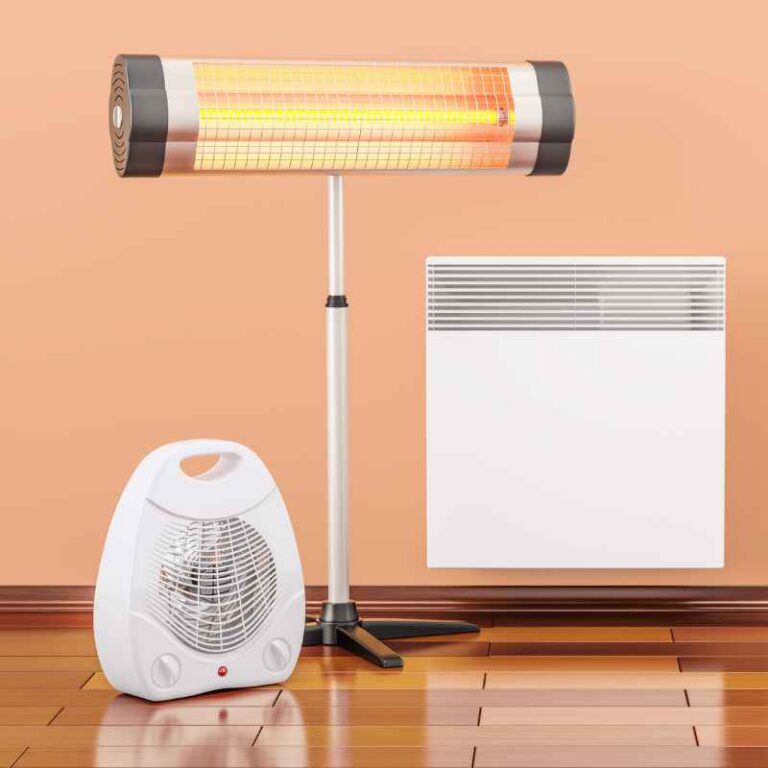
While Duraflame infrared heaters produce heat, their outer surfaces are generally designed to be cooler than traditional electric resistance heaters. They emit infrared radiation which heats objects and people directly, rather than just the air. This often results in a surface that is warm, but not dangerously hot to the touch, especially compared to older heating methods.
Understanding Infrared Heat
Infrared heat is pretty neat. It’s like the sun’s rays. They warm you up directly.
They don’t heat the air first. This is different from how most old heaters work. Those old heaters push hot air around.
They can make the air feel dry. Infrared heaters warm things in the room. This includes furniture, walls, and you.
This warming of objects is key to why the outside feels cooler.
The heat comes from infrared radiation. This is light you can’t see. It travels through the air.
When it hits something, it turns into heat. Think about standing in a sunny spot. You feel warm, even if the air is cool.
That’s infrared heat at work. Duraflame uses this technology in their heaters. They want to provide warmth that feels natural and is safer.
How Duraflame Infrared Heaters Work
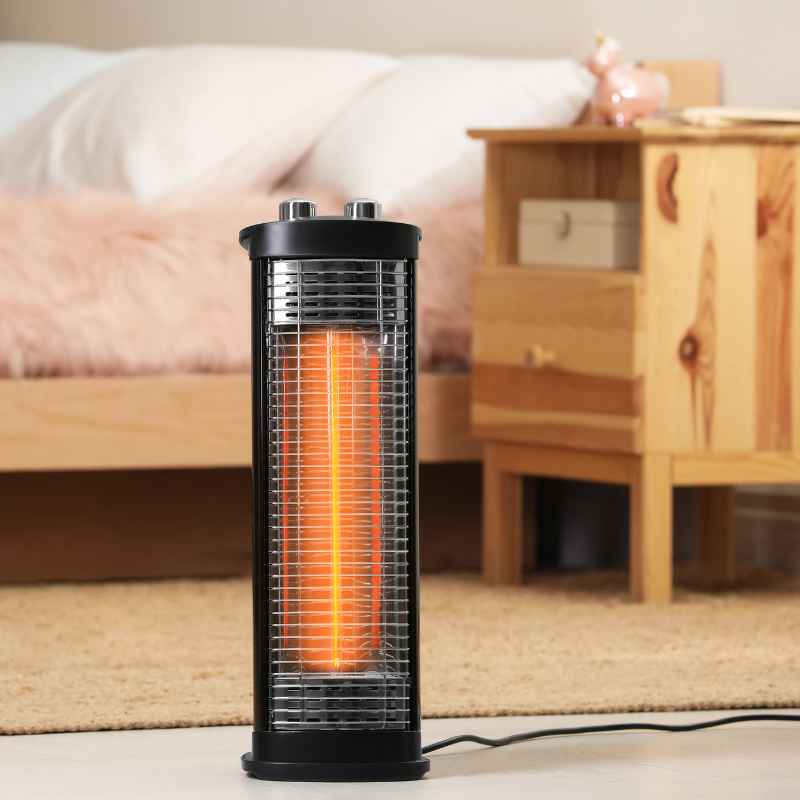
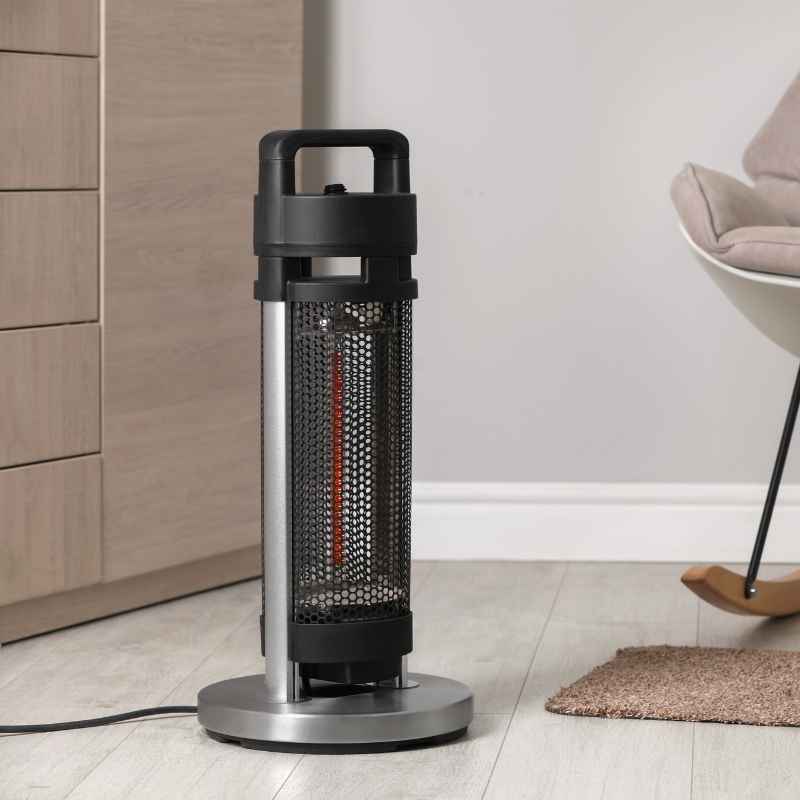
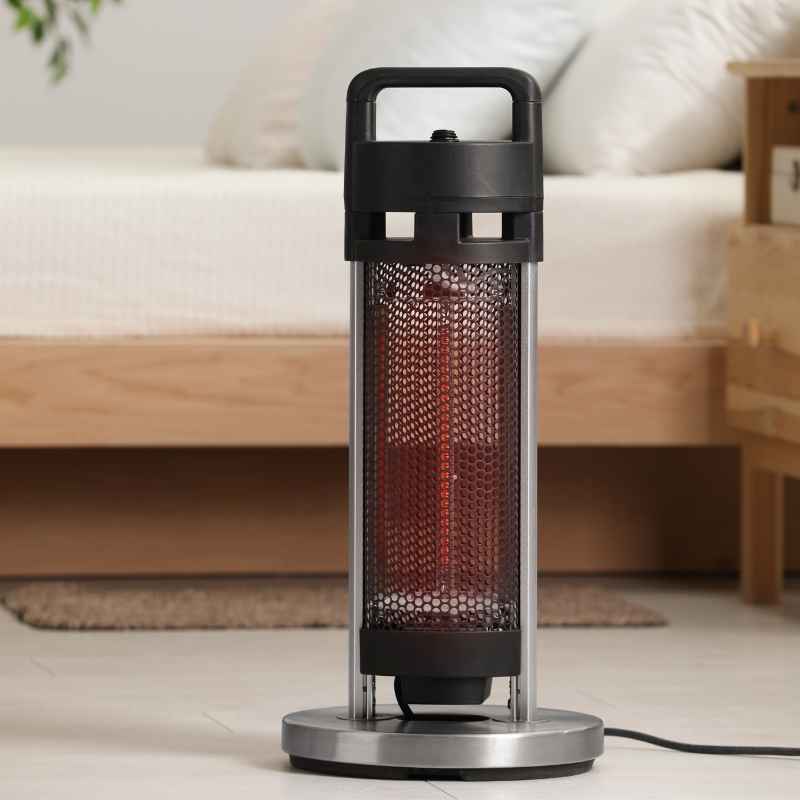
Duraflame infrared heaters use quartz infrared elements. These elements heat up. They glow, but not always brightly.
This glow is where the infrared waves come from. These waves then spread out into the room. They bounce off surfaces and get absorbed.
This absorption is what creates the warming effect.
The heater itself has a casing. This casing surrounds the heating elements. It’s often made of metal or plastic.
The heat from the elements is mostly directed forward. It’s aimed where you want the warmth. The air around the heating elements does get warm.
But the main job is to send out those infrared waves.
The way these heaters are built matters a lot. They have fans inside. These fans help push the warm air that does get created.
They also help keep the internal parts cool. The outside casing is designed with airflow in mind. This is a big part of why the exterior doesn’t get scorching hot.
It helps dissipate any stray heat before it makes the outer shell too warm.
Surface Temperature: What to Expect
So, are Duraflame infrared heaters cool to the touch? Mostly, yes, but with important nuances. The front-facing grille or glass where the heat comes out will be warm.
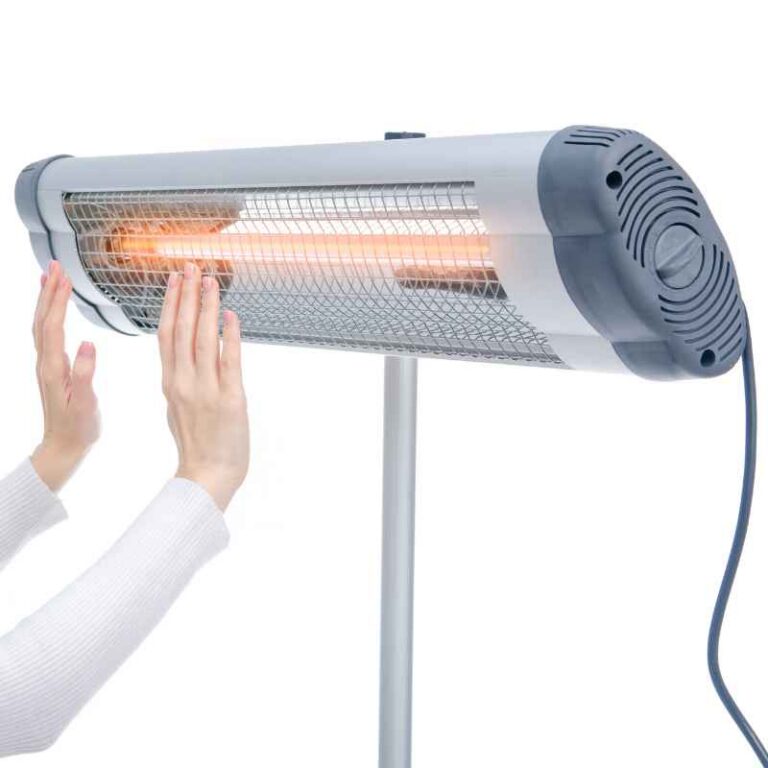
It will feel like standing near a warm window on a sunny day. You’ll feel the warmth when you put your hand near it.
However, the outer casing, the sides, and the back of the heater should be much cooler. You might feel a gentle warmth if you touch them. But they shouldn’t burn your hand.
This is a significant safety feature. It means you can be more relaxed if a child or pet bumps into the unit.
Duraflame aims for a surface temperature that is safe. They want to avoid the risks associated with older heating types. Those older heaters could cause serious burns.
Infrared heaters are a step forward in safety. The goal is warmth without the extreme risk of burns from the outer surfaces.
Personal Experience: A Close Call Avoided
I remember when we first got our Duraflame infrared heater. It was a chilly November evening. I had just unpacked it and plugged it in.
My dog, Buster, a curious Golden Retriever, decided to investigate. He’s always sniffing around new things in the house. I was a little nervous, I’ll admit.
He’s a big dog and can be a bit clumsy sometimes.
He trotted right up to the heater. I watched him closely. He nudged it with his nose, then rested his chin on the side.
I braced myself, expecting him to yelp or pull away. But nothing happened. He just sat there, enjoying the gentle warmth radiating from the front.
He seemed perfectly comfortable.
That moment really put my mind at ease. I had been so worried about him getting too close. But the side of the heater was just slightly warm to the touch.
It wasn’t hot enough to bother him at all. It was a real relief. I knew then that this heater was a good choice for our home.
It let us have the cozy warmth we wanted without the constant fear of him getting burned.
Key Safety Features
Tip-Over Protection: Many models automatically shut off if they are knocked over. This prevents fires. Always check for this feature.
Overheat Protection: If the heater gets too hot inside, it will turn itself off. This is a crucial safety backup.
Cool-Touch Exterior: As we discussed, the outside surfaces stay cooler. This reduces burn risks.
Comparing Infrared to Traditional Heaters
Let’s look at how Duraflame infrared heaters compare to other types. Traditional electric heaters often use coils. These coils get very hot.
They heat the air that passes over them. The outer casing of these heaters can get quite hot. Touching them, even briefly, can cause burns.
Other heaters might use ceramic elements. These also heat up significantly. They work similarly by warming air.
The heat is intense where the air comes out. The surfaces can be hot to the touch. This makes them a greater concern around children and pets.
You often have to be more careful about where you place them.
Convection heaters work by heating air. This warm air rises. It circulates around the room.
The heating elements inside are hot. The areas where air is expelled are warm. Some convection heaters can also have hot outer surfaces.
This is especially true if the air intake and output vents are close together.
Infrared heaters offer a different approach. They heat objects directly. This means the air temperature around the heater might not feel as intensely hot.
The focus is on radiant heat transfer. This radiant heat is what warms you. It’s a gentler, more natural form of warmth.
Contrast Matrix: Infrared vs. Traditional
| Feature | Duraflame Infrared Heater | Traditional Electric Coil Heater |
|---|---|---|
| Heat Source | Infrared Radiation | Hot Coils / Resistance Wire |
| Heating Method | Heats objects and people directly | Heats air, which circulates |
| Outer Surface Temp | Warm, generally safe to touch | Can be very hot, risk of burns |
| Air Feel | Gentle, natural warmth | Can feel dry, hotter air |
| Noise Level | Usually quiet, some fan noise | Can be noisy with fan operation |
Factors Affecting Surface Temperature
Several things can influence how warm the outside of your Duraflame heater gets. One big factor is the model itself. Different Duraflame models have different designs.
Some might have larger heat sinks or better airflow. These design choices help keep the outer shell cooler.
The environment where you use the heater also plays a role. If you place the heater in a small, enclosed space, heat can build up. This might make the outer surfaces a bit warmer.
It’s always best to give the heater space to breathe. Follow the manufacturer’s recommendations for clearance.
How long the heater has been running matters too. A heater that has been on for hours might feel warmer than one just turned on. However, even after extended use, the exterior should remain at a safe temperature.
The internal safety mechanisms are designed to prevent overheating.
Dirt and dust can also be a factor. If the vents or filters get clogged, airflow can be reduced. This can trap heat inside.
Regularly cleaning your heater ensures it works efficiently and safely. This helps keep those outer surfaces at their intended cooler temperatures.
Quick-Scan Table: Safe Clearance
- Front: 3 feet (about 1 meter)
- Sides: 1 foot (about 30 cm)
- Back: 1 foot (about 30 cm)
- Top: 1 foot (about 30 cm)
Always check your specific model’s manual for exact clearance requirements.
When is it Too Hot? Signs to Watch For
While Duraflame infrared heaters are designed to be safe, it’s always good to know what to look for. If you touch the outer casing and it feels significantly hotter than just warm—like it would burn you if you held on—that’s a sign something might be wrong. This is rare, but it can happen.
Another sign could be unusual smells. A slight new-appliance smell is normal for the first use. But if you notice a burning plastic or electrical smell, turn the heater off immediately.
This could indicate an internal issue.
Listen to the heater. Is it making strange noises? Grinding, clicking, or excessive fan noise could mean trouble.
A healthy heater should run relatively quietly. If you see smoke coming from the unit, turn it off and unplug it right away. Do not try to use it again.
These are signs of a potential malfunction. They are not typical behavior for a well-functioning infrared heater. If you notice any of these, stop using the heater.
Contact Duraflame customer support or consult the troubleshooting section of your manual. Your safety is the top priority.
Myth vs. Reality: Infrared Heater Safety
- Myth: Infrared heaters are always too hot to touch.
- Reality: Most infrared heaters, including Duraflame models, have exteriors designed to be warm, not dangerously hot.
- Myth: Infrared heat is the same as microwave radiation.
- Reality: Infrared radiation is a natural part of the electromagnetic spectrum, like visible light. It’s safe and used in many applications.
- Myth: You must keep children far away from infrared heaters.
- Reality: While caution is always advised, the cooler exteriors of infrared heaters mean you don’t need extreme separation like with some older heater types.
Are Duraflame Infrared Heaters Safe for Kids and Pets?
This is the big question for many families. Generally, yes, Duraflame infrared heaters are considered safer for homes with children and pets. The primary reason is the reduced risk of burns from the outer surfaces.
As we’ve covered, the casing stays warm, not searing hot.
This means a curious toddler exploring the living room is less likely to get hurt if they bump into it. A pet rubbing against it for warmth won’t get burned. This offers a significant advantage over heaters with extremely hot exteriors.
However, “safer” does not mean “risk-free.” Always supervise young children and pets around any heating appliance. Ensure the heater is placed on a stable surface. Make sure it has proper clearance from curtains, bedding, and other flammable materials.
The tip-over protection is a great feature, but it’s not foolproof.
Also, consider the electrical cord. Ensure it’s not a tripping hazard for little ones or pets. Keep cords tidy and out of reach if possible.
By following basic safety guidelines, you can maximize the safe use of your infrared heater in a busy household.
Observational Flow: Introducing a Heater
- Unpack & Inspect: Carefully remove the heater. Check for any shipping damage.
- Read Manual: Understand your specific model’s features and safety warnings.
- Choose Location: Select a stable, level surface with proper clearance.
- Plug In: Use a suitable, grounded electrical outlet. Avoid extension cords if possible.
- First Use: Turn on the heater. Observe for any unusual smells or sounds.
- Supervise: Keep an eye on children and pets during initial use.
- Adjust: Set your desired temperature or timer.
What This Means for Your Home Environment
Knowing that Duraflame infrared heaters are generally cool to the touch changes how you can use them. You can place them in more central areas of your home. They can be part of the living space, not hidden away.
This allows for more effective heating. The infrared waves can reach more of the room.
For people with sensitive skin or conditions like arthritis, the gentle, penetrating warmth can be very soothing. Unlike dry, hot air, infrared heat feels more natural and comfortable. It doesn’t dry out your skin or sinuses as much.
It also means you might be able to use your central heating less. These heaters can supplement your main system. They allow you to warm specific rooms you are using.
This can lead to energy savings. You’re not heating the whole house when you only need to warm one area.
The overall effect is a cozier, safer home. You get the benefit of warmth without the constant anxiety about accidental burns. This is a significant upgrade for many households.
It’s about creating a comfortable living space that also prioritizes well-being.
Quick Tips for Safe Operation
Here are some simple tips to make sure you and your Duraflame infrared heater stay safe and sound:
- Always read the manual. Every model is slightly different.
- Ensure proper ventilation. Never block the air vents.
- Keep away from water. Do not use in bathrooms or damp areas.
- Unplug when not in use. This is a good general safety practice.
- Inspect the cord regularly. Look for any fraying or damage.
- Clean it often. Dust buildup can affect performance and safety.
- Use on a level surface. This ensures stability and proper operation.
Frequently Asked Questions
Do Duraflame infrared heaters get hot at all?
Yes, the front grille or glass where the heat is emitted will be warm. This is normal and how they transfer heat. However, the outer casing is designed to stay much cooler, reducing burn risks.
Can I leave my Duraflame infrared heater on overnight?
Many Duraflame models are designed for safe overnight use, especially if they have auto-shutoff or thermostat features. Always check your specific model’s manual for recommendations and ensure it has adequate clearance from bedding.
What is the difference between infrared heat and regular heat?
Infrared heat warms objects directly using radiant energy, like the sun. Regular heat (convection) heats the air first, which then circulates around the room. Infrared heat feels more natural and doesn’t dry out the air as much.
How often should I clean my Duraflame infrared heater?
It’s a good idea to clean the exterior and vents of your heater monthly, or more often if you have pets that shed a lot. A soft cloth and vacuum cleaner are usually sufficient. Always unplug the heater before cleaning.
Will a Duraflame infrared heater dry out my room?
No, infrared heaters are known for not drying out a room. They heat objects directly, so they don’t remove moisture from the air like some other types of heaters do. This makes them feel more comfortable for many people.
Is the glass on the front of a Duraflame heater dangerous?
The glass on the front is designed to be warm, not dangerously hot. It safely allows the infrared heat to pass through. While it will feel warm to the touch, it typically does not reach temperatures high enough to cause burns on brief contact.
Final Thoughts on Comfort and Safety
So, to wrap it up, Duraflame infrared heaters offer a great balance. They provide comforting warmth. They do this while generally keeping their outer surfaces at a safe, warm temperature.
This makes them a strong choice for homes with active families. You can enjoy cozy spaces without constant worry. Always follow the safety guidelines.
Your comfort and peace of mind are worth it.
Sponsored / affiliate links. As an Amazon Associate I earn from qualifying purchases. I may earn additional commission from eligible campaigns.
 MOVA X4 Pro Wet Dry Vacuum Cleaner, 20000Pa Cordless Vacuum Mop with Zero Tangle, Hot Water Mopping for Sticky Messes,194℉ Hot Air Self Drying, 180° Lie Flat, Push-in Charging Station, LED Display
 POWAW Smart Air Purifier for Pet House Upgrade, Eliminator with Infrared Protection, 4 Modes, Air Ionizer, Indoor Pet Care Solution, White