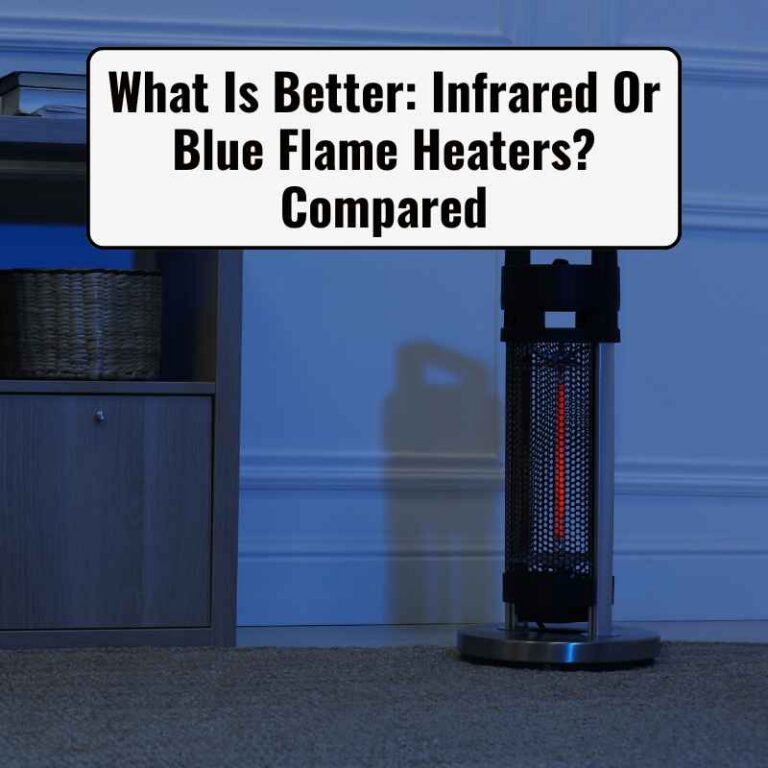
Are Natural Gas Tube Infrared Heaters Efficient Enough?
Natural gas tube infrared heaters can be efficient for spot heating or large, open areas where heat loss is high. Their efficiency depends on proper installation, usage, and the specific needs of the space. They heat objects directly, not the air, which can save energy in certain situations.
What Are Natural Gas Tube Infrared Heaters?
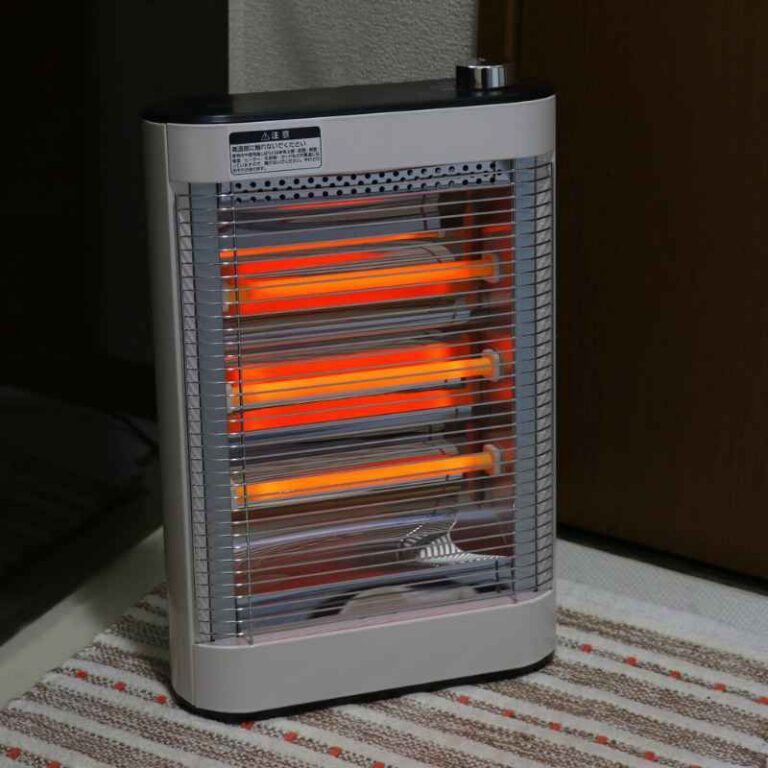
These heaters use natural gas to create heat. They have a burner that ignites the gas. This makes a special tube get very hot.
The hot tube then sends out heat waves. These waves are like sunshine. They travel through the air and warm up whatever they touch.
Think of your skin feeling warm when the sun hits it. That’s similar to how these heaters work. They don’t heat the air around them first.
They heat floors, walls, people, and furniture directly. This is different from many other heaters that just blow hot air.
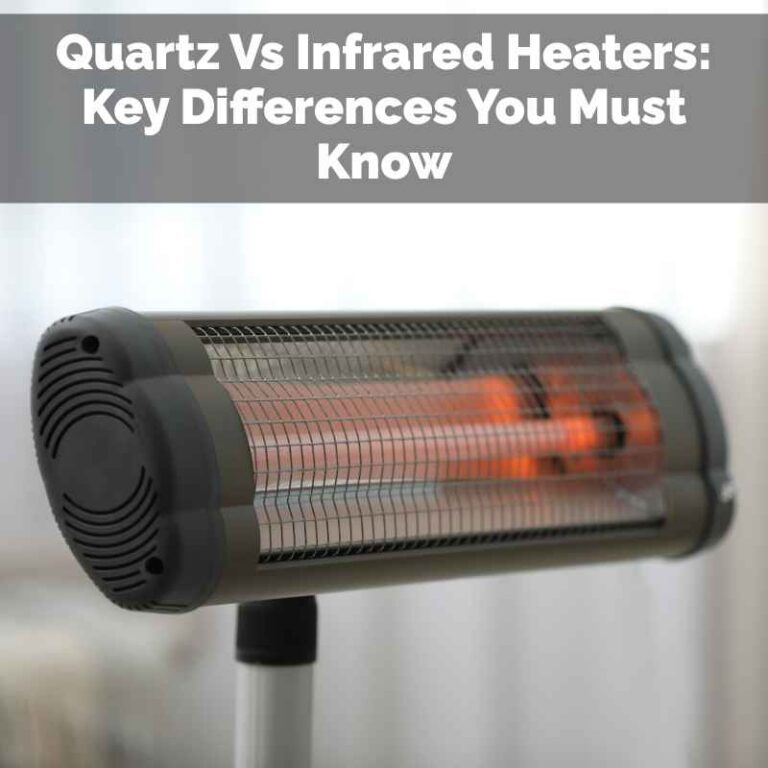
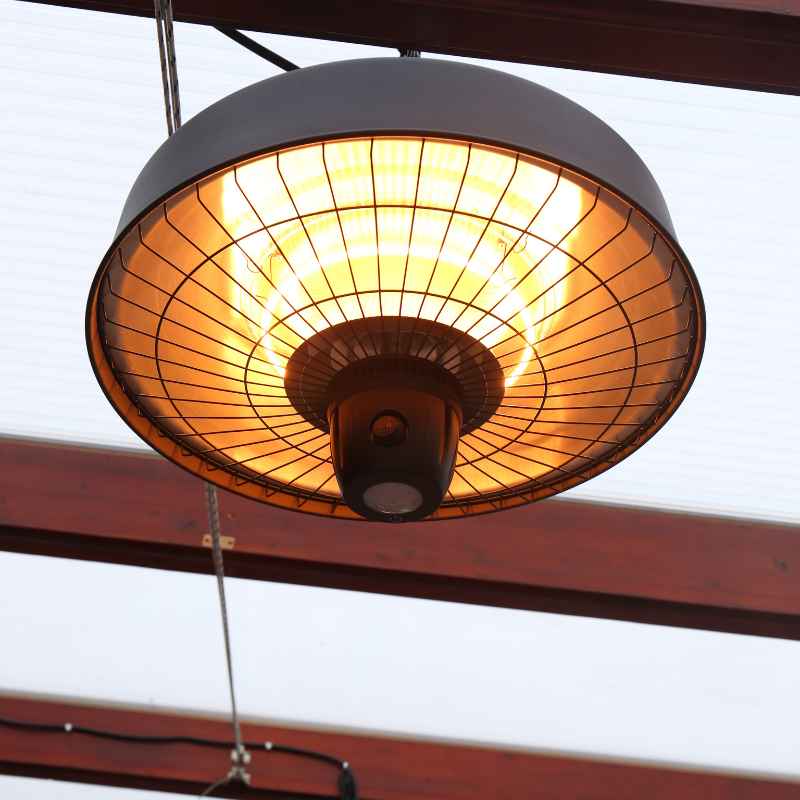
The tubes are usually long and metal. They often have a reflector behind them. This helps push the heat waves forward into the room or space.
They run on natural gas, so you need a gas line to use them. They are often seen in garages, workshops, or big buildings.
Their design makes them good for places where heat can escape easily. Big doors might open and close a lot. High ceilings mean lots of air to heat.
In these spots, heating the air is like pouring water into a leaky bucket. Infrared heat skips the air and warms things faster.
How Do They Create Heat?
It all starts with the natural gas. This gas is fed into a burner. The burner mixes the gas with air.
A spark or a pilot light ignites this mix. This creates a flame. The flame burns very hot.
It heats up a metal tube that runs through the heater.
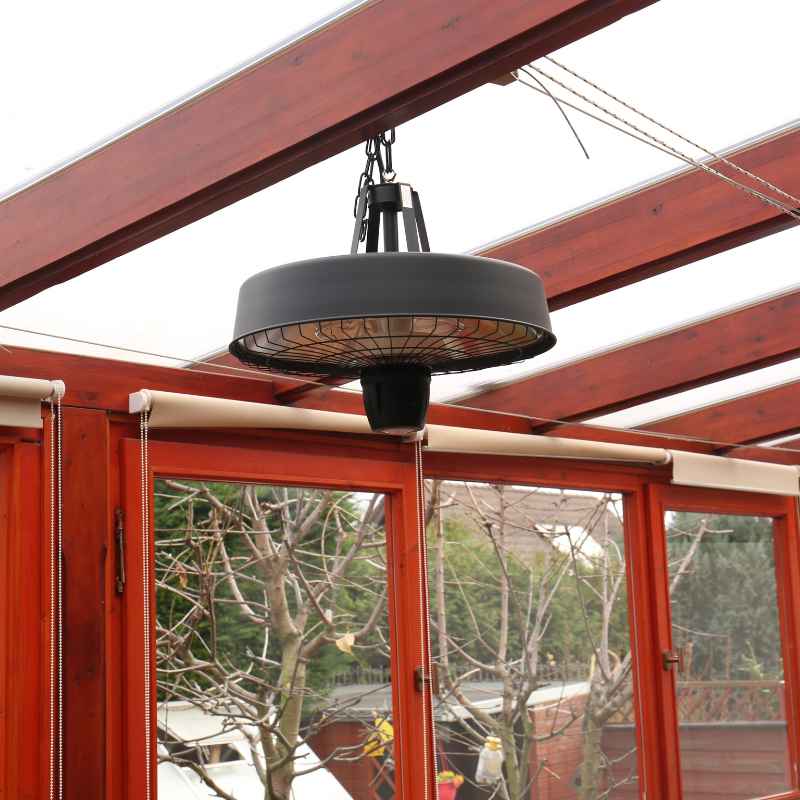
This metal tube gets red hot. Or it might get a dull orange color. As it heats up, it starts to radiate infrared energy.
This energy travels out in waves. It moves at the speed of light. It doesn’t need air to move it.
It just goes.
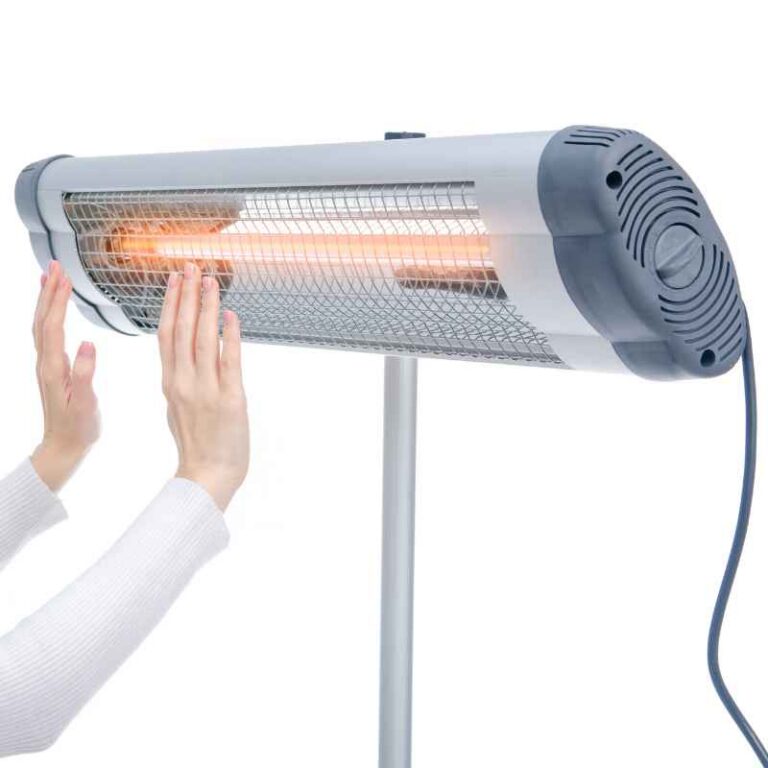
The waves are invisible. But you can feel their warmth. When these waves hit a surface, like your skin or a table, they transfer their energy.
This makes the surface warmer. It’s a very direct kind of heat transfer. It’s not like a fan blowing warm air.
The process is quite simple but effective. The gas is converted into heat energy. This heat energy is then turned into infrared radiation.
This radiation then heats objects in its path. The hotter the tube gets, the more infrared energy it produces.
Most of these heaters are designed for safety. They have guards around the hot parts. They also need good ventilation.
Burning gas creates byproducts. These need to escape safely. Proper venting is a big part of how they work and stay safe.
The Science of Infrared Heat
Infrared is a type of light. It’s just beyond what our eyes can see. Think of a rainbow.
Red light has a longer wavelength. It’s on the edge of what we see. Infrared light is even longer.
It’s invisible to us.
When infrared energy hits an object, it makes the molecules in that object move faster. More movement means more heat. This is why you feel warm.
Your skin molecules start vibrating more. They get warmer.
This is different from convection heating. Convection heaters warm the air. The warm air then rises.
It circulates around the room. This process can be slow. It also means the air near the ceiling is warmer than the air near the floor.
Radiant heat, like from these tube heaters, works differently. It’s like standing by a campfire. You feel the heat directly on your face and arms.
The air between you and the fire might not feel that warm. That’s radiant heat at work.
The effectiveness of infrared heat depends on several things. The distance from the heat source is one. The type of surface it hits also matters.
Dark, rough surfaces absorb more heat. Shiny, smooth surfaces reflect more. This is why the reflectors behind the tubes are important.
It’s a very natural form of warmth. Our sun provides warmth this way. That’s why it feels so comfortable.
It’s a direct transfer of energy. It makes you feel warm without making the whole room feel like an oven.
Efficiency: What Does It Mean Here?
Efficiency in heaters can mean a few things. For gas heaters, it often means how much of the gas energy becomes useful heat. It’s about how much energy isn’t wasted.
Wasted energy can go up the chimney as exhaust. Or it can be lost in other ways.
Natural gas tube infrared heaters are generally good at converting fuel to heat. They are often rated around 80-90% efficient. This means for every dollar of gas you burn, 80 to 90 cents turn into usable warmth.
This sounds high, but it’s only part of the story.
The real efficiency comes in how that heat is used. Because they heat objects directly, they can feel warmer at lower temperatures. If you’re standing in the path of the heater, you feel warm.
The air might still be a bit cool.
This means you might be comfortable at a lower thermostat setting. If you’re comfortable at 65 degrees with radiant heat, but need 70 degrees with forced air, you’re saving energy. That’s where the savings happen.
It’s not just about the heater itself.
Consider a large garage. If you only need to be warm at your workbench, a radiant heater is very efficient. It heats you and your tools.
It doesn’t waste energy trying to warm all the air in the big space. You can turn it off when you leave the workbench.
However, if you need to warm the entire air volume of a space evenly, these heaters might not be the most efficient. Forced air systems or hydronic systems might do a better job. They spread heat more widely.
But they might also waste more energy warming empty spaces.
So, “efficient enough” really depends on your specific needs. It’s about matching the heater’s strengths to the job it needs to do. It’s about understanding where the heat goes and how you use the space.
Where They Shine: Best Use Cases
These heaters are fantastic for certain situations. One big one is garages or workshops. Many people work in these spaces.
They aren’t heated all the time. They might be poorly insulated. Radiant heaters can quickly warm up a person working there.
Outdoor patios or decks are another great spot. You want to extend the use of your outdoor space. A patio heater can make it comfortable.
The infrared waves cut through the cool evening air. They warm guests directly. They don’t have to fight the wind.
Large commercial spaces also benefit. Think of warehouses, factories, or churches. These places are often very big.
They have high ceilings. They might have doors opening often. Trying to heat all the air can be very costly.
Radiant heaters can target specific work zones.
Another good use is in homes with drafty areas. Maybe a sunroom that’s hard to keep warm. Or a basement that’s always a bit chilly.
You can use a radiant heater to warm a specific spot where you sit. You don’t have to crank up the main thermostat.
They are also good for spot heating. If you have a large open-plan living area, you might not need heat everywhere all the time. You can use a radiant heater to warm the main seating area.
This allows you to keep the rest of the large space cooler.
The key is direct heating. If you need to warm people or objects directly, these heaters are a smart choice. If you need to evenly heat every cubic foot of air in a perfectly sealed room, you might look at other options.
But for many practical uses, they are excellent.
Infrared Heater Quick Facts
What they heat: Objects and people directly.
How they work: Emit invisible infrared waves.
Fuel: Natural gas.
Best for: Garages, workshops, patios, large/drafty spaces.
Less ideal for: Evenly heating entire sealed rooms.
Comparing to Other Heaters
It helps to see how these heaters stack up. Let’s look at forced-air furnaces. These are common in homes.
They burn fuel to heat air. A fan blows this warm air through ducts. They heat the air volume of the house.
Forced air can heat a whole house evenly. But it takes time. It can be inefficient if there are leaks in the ducts.
Or if rooms aren’t used often. The air near the ceiling gets warmer. You might feel drafts.
Electric space heaters are another type. Some use resistance coils to heat air (convection). Others use radiant heat.
Electric radiant heaters are similar to gas ones but use electricity. They can be efficient for spot heating. But electricity can be more expensive per unit of heat than natural gas.
Boilers and hot water systems are also common. They heat water. This hot water circulates through pipes to radiators or baseboard heaters.
These also heat spaces through radiation and convection. They can provide a very even, comfortable heat.
Heat pumps are another modern option. They move heat from outside to inside. They can be very efficient in milder climates.
But their efficiency drops in very cold weather.
The main difference with natural gas tube infrared heaters is their direct heating method. This makes them excel in specific scenarios. They cut through the air to warm you.
This can make them feel warmer faster. And it means you might use less fuel overall.
For example, in a drafty pole barn, a forced-air furnace would constantly fight the drafts. It would keep trying to heat the air. The heat would escape quickly.
An infrared tube heater would warm the floor and the equipment directly. This warmth stays where it is, near the ground.
So, when considering efficiency, think about how you use the space. Are you heating air or people? That’s the core question.
Natural gas is also often cheaper per BTU than electricity. This adds to the cost-efficiency for some users.
What About Natural Gas Costs?
Natural gas is often a more affordable fuel source for heating. This is true in many parts of the U.S. The price per British Thermal Unit (BTU) of heat is usually lower than electricity.
This makes gas heaters attractive for many.
However, gas prices can change. They depend on supply and demand. They can also vary by region.
Some areas have cheaper natural gas than others. You should check local rates. This will give you a better idea of your running costs.
When you choose a natural gas tube infrared heater, you’re often choosing a more budget-friendly fuel. This can make the overall cost of staying warm lower, even if the heater itself has a similar “efficiency rating” to another type. The cost of the fuel matters a lot.
You also need to consider installation costs. Installing a natural gas line can be an expense. So can the heater unit itself.
These upfront costs need to be weighed against the ongoing fuel savings. Over time, the cheaper fuel can pay for the initial investment.
It’s also worth noting that natural gas appliances generally produce fewer greenhouse gas emissions per unit of heat compared to some older heating methods. However, it’s still a fossil fuel. This is a consideration for some people.
So, while the heater itself might be efficient, the cost of the gas is a major factor. For many, it’s a favorable factor. It’s one of the reasons people choose natural gas heating systems.
Cost Comparison Notes
- Natural gas is often cheaper than electricity per BTU.
- Check local gas and electricity prices for your area.
- Consider installation costs for gas lines.
- Running costs can be lower with natural gas.
Installation and Venting Concerns
Proper installation is crucial for any gas appliance. Natural gas tube infrared heaters are no exception. They need to be installed correctly to work safely and efficiently.
First, you need a natural gas supply. This needs to be connected by a qualified professional. The pipe size and pressure must be correct for the heater.
An improper gas connection can be dangerous.
Next, venting is very important. When natural gas burns, it produces exhaust gases. These include carbon monoxide.
This is a dangerous gas. The heater must be vented to the outside. This carries the exhaust gases safely away from people.
The type of venting required depends on the heater model. Some heaters are “vent-free,” but these are often restricted in use. Most tube heaters require specific vent pipes.
These pipes need to be installed according to local building codes and the manufacturer’s instructions.
Clearances are also a big deal. The heater gets very hot. It needs to be installed with enough space around it.
This prevents it from overheating nearby materials. It also stops people from accidentally touching hot surfaces.
A professional installer will know all these requirements. They will ensure the heater is mounted securely. They will check the gas line.
They will install the venting correctly. They will also test the unit to make sure it’s working properly.
If you try to install one yourself without experience, you could create a safety hazard. You could also make the heater less efficient. For example, poor venting can lead to incomplete combustion.
This wastes fuel and creates more harmful byproducts.
Always follow the manufacturer’s manual. And always use a qualified gas technician for installation and any repairs. This ensures the heater performs as it should.
It also keeps your home safe. Proper venting is key to efficiency and safety.
When Are They NOT the Best Choice?
While great for many uses, these heaters aren’t perfect for every situation. One major time they aren’t ideal is when you need to heat an entire, well-sealed home evenly. If you have a modern, insulated house where you want every room to be the same temperature, a forced-air furnace or a hydronic system might be better.
Trying to heat a small, tightly sealed bedroom with a large infrared tube heater might be overkill. It could make the room too hot very quickly. It might also be hard to control the temperature precisely in such a small space.
You’d want a heater designed for that smaller volume.
Also, if you are sensitive to direct heat, you might not like them. Some people find the intense direct warmth uncomfortable. They prefer the gentler, ambient heat of a forced-air system.
It’s a personal preference thing.
If natural gas is not available or too expensive in your area, they are obviously not an option. You would need to consider electric heaters or propane heaters. But propane heaters can be more costly to run than natural gas.
Another point is aesthetics. These heaters are often industrial-looking. They might not fit the decor of a high-end living room.
While some models are more attractive, many are designed for utility spaces.
Finally, if you can’t ensure proper venting, you shouldn’t use them. Vent-free models are rare for tube heaters and have limitations. Without safe venting, the risk of carbon monoxide buildup is too high.
So, to recap, they are not the best choice for:
- Evenly heating a whole, well-insulated house.
- Small, perfectly sealed rooms where precise temperature control is needed.
- People who dislike direct, intense heat.
- Homes without natural gas access.
- Spaces where proper venting is impossible.
Consider These When Choosing
- Space Size: Is it large and open or small and sealed?
- Heating Goal: Warm the air or warm people/objects?
- Fuel Availability: Do you have natural gas?
- Personal Comfort: Do you like direct heat?
- Budget: Upfront vs. running costs.
Maintaining Your Heater for Peak Efficiency
Just like any machine, your natural gas tube infrared heater needs care. Keeping it in good shape helps it run well. It also makes sure it’s safe.
One of the most important things is cleaning. Dust and debris can build up. This can block airflow.
It can also get on the tubes and reflectors. This can reduce how much heat gets out.
Regularly clean the exterior. Use a soft cloth. For the inside, you might need to be more careful.
Check the manufacturer’s manual. It will tell you the best way to clean the tubes and reflectors.
Inspect the burner. If you see uneven flames or flickering, it might need adjustment. This is a job for a professional.
A poorly burning flame is less efficient. It can also produce more carbon monoxide.
Check the vent pipe. Make sure it’s clear. No blockages from birds’ nests or debris.
A blocked vent is a serious safety risk. It can cause exhaust gases to back up into the space.
Inspect the gas connections. Look for any signs of leaks. If you smell gas, turn off the supply immediately.
Leave the area. Call your gas company or a qualified technician from outside the building.
Annual professional check-ups are a good idea. A technician can inspect all the parts. They can test for gas leaks.
They can ensure the controls are working correctly. They can also clean and tune up the burner.
Keeping things clean and getting regular check-ups helps your heater run at its best. This means it will be more efficient. It will also last longer.
And most importantly, it will operate safely.
Safety First: Always
Safety with gas appliances is non-negotiable. Natural gas is flammable. Incomplete combustion can create carbon monoxide.
This is a silent killer. So, safety must always come first.
Ensure proper installation. As mentioned, this is key. Use only qualified professionals.
Make sure the unit is approved for your specific use. For example, some are for garages only, not living spaces.
Good ventilation is critical. This means proper venting to the outside. It also means making sure the air intake for the burner isn’t blocked.
The manufacturer will specify ventilation needs.
Install carbon monoxide detectors. Place them on every level of your home. Especially near sleeping areas.
Test them regularly. Replace batteries as needed. These are your early warning system.
Respect clearances. Keep flammable materials away from the heater. This includes curtains, paper, wood, and cleaning supplies.
Check the manual for exact distances.
Never leave a gas heater running unattended if it’s not designed for it. Most permanent installations are designed for continuous operation, but always follow the manual.
If you smell gas, act fast. Turn off the gas supply valve if you can safely reach it. Open windows and doors to air out the space.
Leave the building immediately. Do not use any electronics or light switches. Call your gas company from a safe location.
Regular maintenance is also a safety measure. A well-maintained heater is less likely to malfunction. It’s less likely to produce dangerous byproducts.
Prioritize safety. It ensures that the warmth these heaters provide doesn’t come with unnecessary risks. It lets you enjoy the heat with peace of mind.
Frequently Asked Questions
Are natural gas tube infrared heaters safe for indoor residential use?
It depends on the specific model and installation. Many are designed for garages, workshops, or commercial spaces. Using them in living areas requires models approved for residential use and proper venting.
Always check manufacturer guidelines and local codes. Carbon monoxide detectors are essential.
How much natural gas do these heaters use?
Usage varies by the heater’s BTU output and how long it runs. A 40,000 BTU heater will use more gas than a 20,000 BTU unit. Efficiency also plays a role.
Running it only when needed in the heated zone saves gas.
Can I use a natural gas tube heater in a basement?
Basements can be tricky. You need to ensure proper venting. Many basements have limited direct access to the outside for venting.
If venting is possible and the unit is approved for basement use, it can be effective for spot heating.
Do these heaters dry out the air?
Infrared heaters heat objects, not the air directly. They don’t add moisture to the air. They are generally less drying than forced-air heaters, which can sometimes strip moisture from the air.
What is the lifespan of a natural gas tube infrared heater?
With proper maintenance, these heaters can last many years, often 15-20 years or more. The quality of the unit and how often it’s used will affect its lifespan. Regular cleaning and professional check-ups are key.
Are there electric versions of infrared tube heaters?
Yes, there are electric infrared heaters. They work on the same principle of heating objects directly. However, they use electricity instead of natural gas.
Their running cost depends on local electricity prices, which can sometimes be higher than natural gas.
The Verdict on Their Efficiency
So, are natural gas tube infrared heaters efficient enough? The answer is a clear yes, but with important conditions. They are efficient when used for their intended purposes.
They excel at spot heating. They are great for large, drafty spaces. They are also good when you need to heat objects or people directly.
In these scenarios, they use less energy to achieve comfort.
Their direct heating means you can feel warm faster. You might set your thermostat lower. This saves money.
The cost of natural gas is often lower than electricity. This adds to their cost-efficiency.
However, they are not the best choice for heating every inch of a tightly sealed home evenly. For that, other systems might be more suitable.
Always ensure proper installation and venting. This is crucial for safety and efficiency. Regular maintenance keeps them running at their best.
Understanding your needs is the final piece of the puzzle.
If you have a garage, workshop, patio, or a large open area that needs warmth, these heaters are a very efficient and effective option. They provide comfortable, direct heat that can feel much better than just warm air.
Sponsored / affiliate links. As an Amazon Associate I earn from qualifying purchases. I may earn additional commission from eligible campaigns.