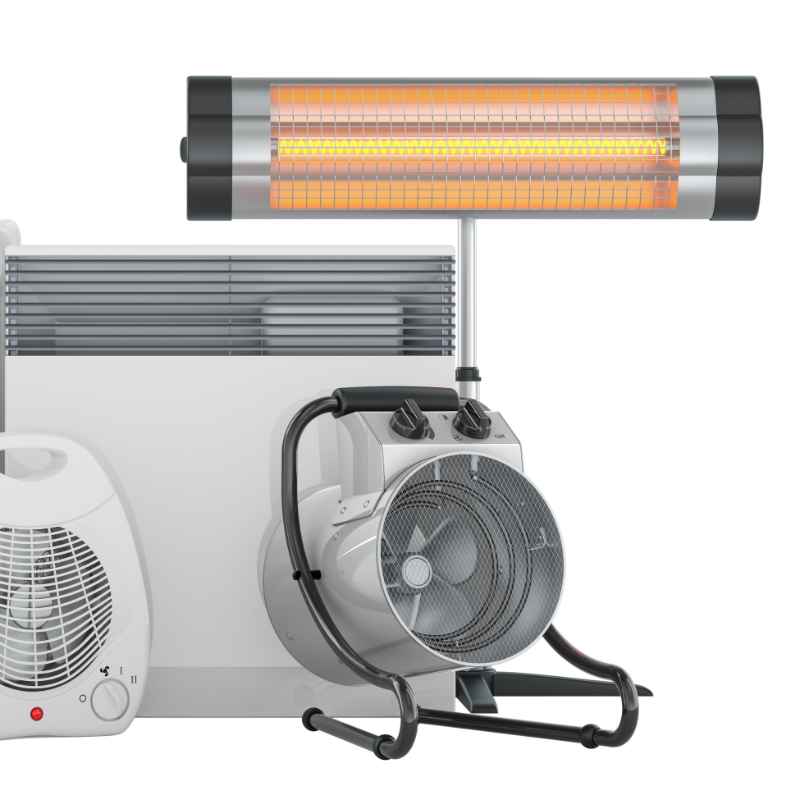
Do Infrared Heaters Give Off Carbon Monoxide? Stay Safe
It’s a question many of us ponder when looking for cozy warmth. You’ve got that chilly room, and an infrared heater seems like a great way to banish the cold. They’re sleek, efficient, and promise a different kind of heat.
But then, a little voice in your head might whisper, “Are these safe?” Specifically, does that nice warmth come with a hidden danger like carbon monoxide?
This is a super common concern, and it’s absolutely smart to ask. Dealing with invisible gases is no joke. We want our homes to be sanctuaries, full of comfort and free from worry.
Let’s dive into what infrared heaters are, how they work, and most importantly, whether they pose a carbon monoxide risk. We’ll break it all down so you can feel confident and warm.
Understanding the safety of your heating sources is vital for a healthy home. Infrared heaters are a popular choice for many, offering efficient and radiant warmth. This guide clarifies their operation, specifically addressing concerns about carbon monoxide production and outlining best practices for safe use.
What Exactly Are Infrared Heaters?
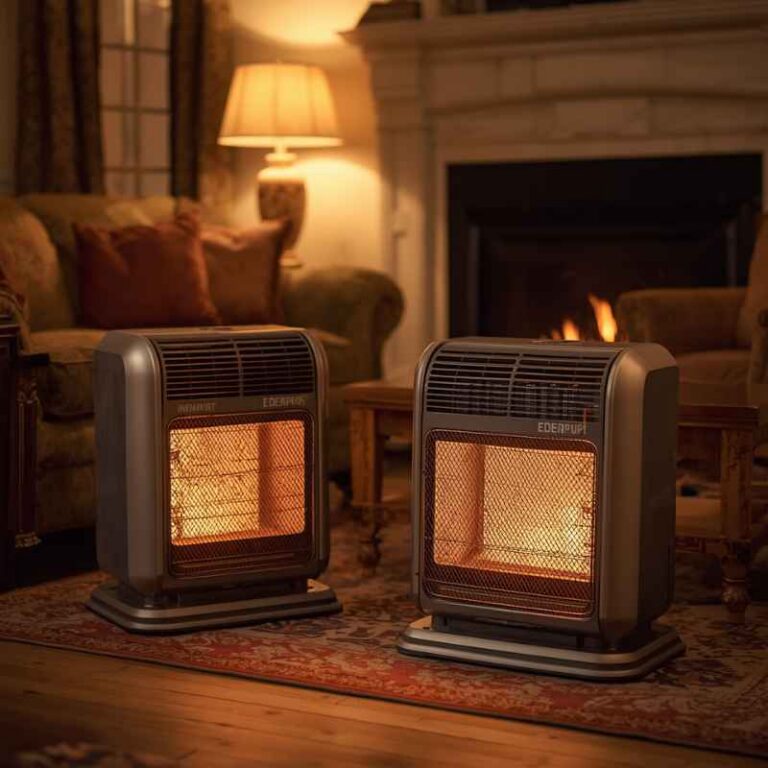
Infrared heaters work a bit like the sun. They don’t heat the air directly around them. Instead, they send out waves of radiant heat.
These waves travel through the air until they hit an object. This could be you, your furniture, or the walls. When the waves hit, they warm up that object.
Think about standing in a sunny spot on a cold day. You feel warm even though the air around you might still be cool. That’s radiant heat at work.
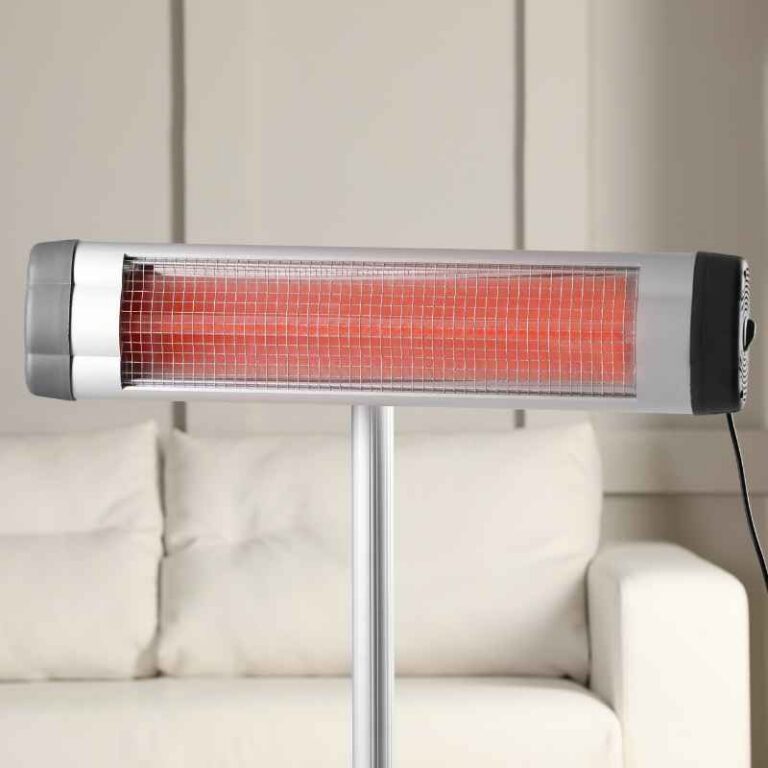
Infrared heaters do the same thing. They have a heating element inside. This element gets hot and emits infrared radiation.
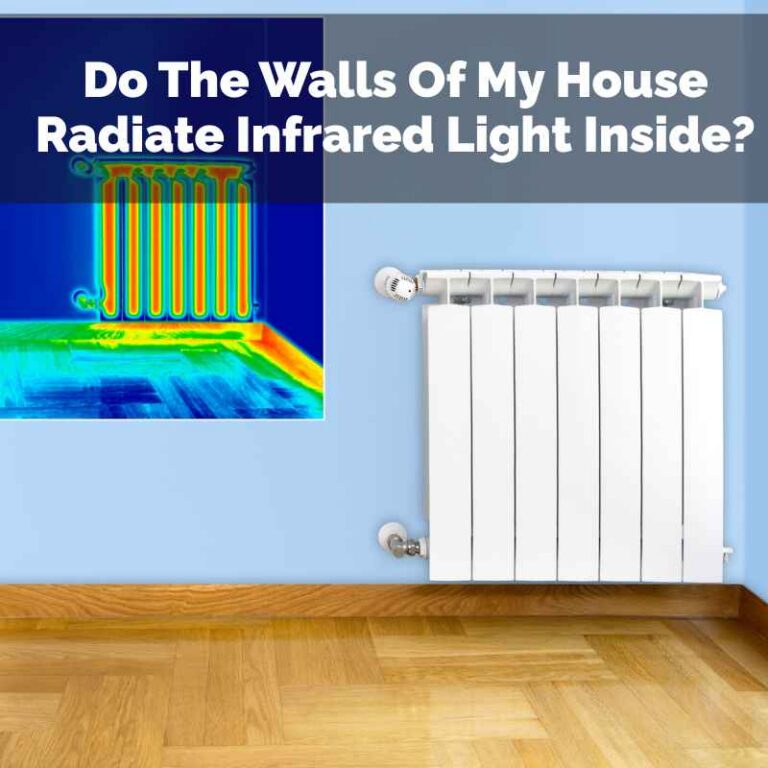
This radiation is a form of energy. It’s part of the light spectrum, but we can’t see it. We can only feel its warmth.
This type of heating is often called direct heat. It’s different from traditional heaters. Many heaters warm up the air.
Then, a fan blows that warm air around the room. Infrared heaters bypass much of that. They warm objects and people directly.
This can make them feel faster and more efficient in certain spaces. It’s a popular method for garages, workshops, and even outdoor patios.
How Do They Produce Heat?
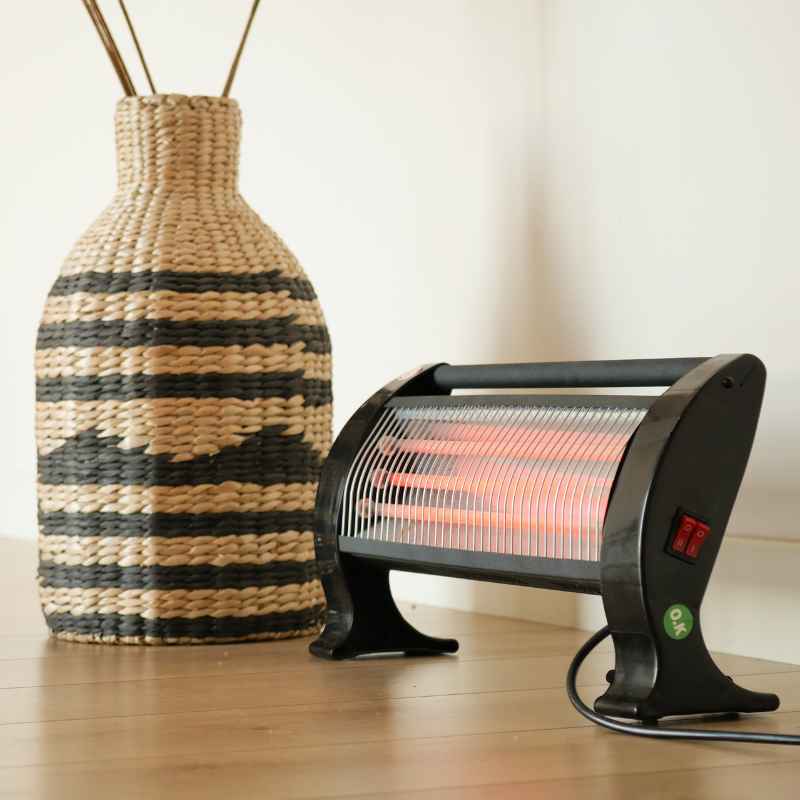
The magic happens with electricity and a heating element. Most electric infrared heaters use a resistance wire. This wire is made of a special metal.
When electricity flows through it, the wire heats up. This heat then radiates outwards as infrared waves. Some models might use ceramic or quartz elements to achieve high temperatures.
The process is quite simple, really. It’s all about converting electrical energy into heat energy. There are no fuels like gas or propane involved in most common electric infrared heaters.
This is a key point when we talk about safety. The way a heater generates its warmth really matters for the types of byproducts it might create.
Because they rely on electricity, you just plug them in. There are no flames, no burning fuels, and no exhaust vents needed for typical electric models. This lack of combustion is precisely why they are different from other heating systems.
The entire mechanism is self-contained within the unit itself.
The Carbon Monoxide Question: A Clear Answer
Here’s the good news, and it’s very important: electric infrared heaters do NOT produce carbon monoxide. This is because they do not burn anything. Carbon monoxide (CO) is a gas that is created when fuels like natural gas, propane, wood, or oil don’t burn completely.
Since electric infrared heaters use electricity and have no combustion, there is no fuel to burn.
This makes them a very safe option for indoor heating when used properly. You can enjoy their warmth without the worry of CO poisoning from the heater itself. Traditional gas furnaces, fireplaces, and even some older portable propane heaters can be sources of carbon monoxide if they are not vented correctly or are malfunctioning.
Electric infrared heaters simply don’t have that mechanism.
It’s crucial to distinguish between different types of heaters. While electric infrared heaters are safe regarding CO, other heating methods might not be. Always ensure any fuel-burning appliance is installed, used, and maintained according to manufacturer instructions and local codes.
But for electric infrared models, the risk of CO emission from the unit is zero.
Why the Confusion? Other Heaters and CO
The concern about carbon monoxide often comes from experiences with other types of heaters. Many people grew up with or are familiar with furnaces that run on natural gas. If these furnaces have a problem, they can indeed release CO.
Fireplaces and wood stoves also produce CO, which is why chimneys and proper ventilation are so important.
Portable propane heaters, often used in garages or for camping, are another common source of CO risk. These heaters are designed to be used for short periods and often require good ventilation. If used in a tightly sealed space for too long, they can build up CO.
This is why CO detectors are so vital in homes with any fuel-burning appliances.
When people hear about heaters and safety, they might group all heaters together in their minds. But the technology behind electric infrared heaters is fundamentally different. It’s like comparing an electric car to a gasoline car.
They both get you from point A to point B, but their engines and byproducts are completely different. Understanding this distinction is key to alleviating the carbon monoxide worry.
Infrared Heater vs. Combustion Heater
Electric Infrared Heater
- Works by electricity.
- Radiates heat directly.
- Does NOT burn fuel.
- No carbon monoxide (CO) produced.
- Safe for indoor use (with proper electrical safety).
Combustion Heater (Gas, Propane, Wood)
- Works by burning fuel.
- Heats air or objects through burning process.
- Requires fuel source.
- Can produce carbon monoxide (CO).
- Requires proper ventilation and CO detectors.
How Electric Infrared Heaters Work (Simply Put)
Imagine a light bulb. When you turn it on, it gets hot and gives off light, right? An electric infrared heater is similar, but instead of visible light, it gives off infrared light, which is heat we can feel.
It uses electricity to heat up a special element inside.
This element gets really warm. It then sends out invisible waves. These waves are called infrared radiation.
They travel in a straight line from the heater. When these waves hit something – like you, your dog, or the couch – they transfer their energy. This energy makes the object warm.
It’s a direct transfer of heat.
The air itself isn’t heated much by the heater. The heat is absorbed by the surfaces it touches. This is why you can feel warm standing in front of one, even if the room air feels a bit cool.
It’s a very efficient way to heat a specific spot or person. It’s like a personal sunbeam on a chilly day.
Real-Life Experience: That First Chilly Autumn Night
I remember one autumn evening vividly. The temperature outside had dropped, and a crisp chill had settled into our old house. My son’s bedroom, in particular, always seemed to hold onto the cold longer than the rest of the house.
He’s a light sleeper, and I worried he’d be uncomfortable. I wanted to warm up his room quickly but also safely.
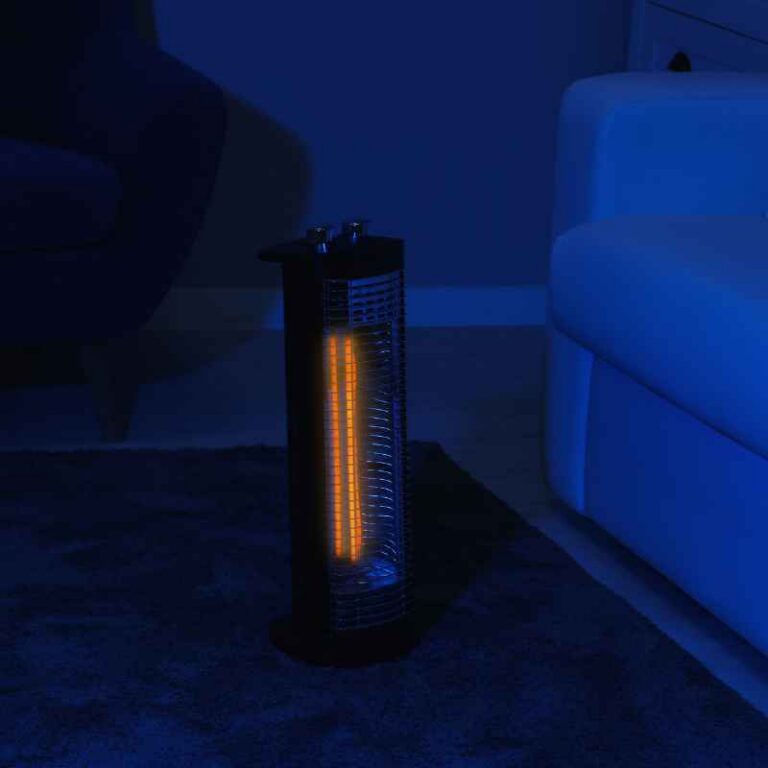
I had just bought a small electric infrared heater. It looked modern and promised to heat up fast without making a lot of noise. I set it up in his room, plugged it in, and turned it on.
Within minutes, I could feel a gentle warmth radiating from it. I felt a sense of relief. My worry about him being cold started to fade.
But then, like clockwork, that little nagging thought crept in. “Is this thing safe? Is it making my house unhealthy?” I checked the packaging again.
It clearly stated it was electric and didn’t produce fumes. Still, I grabbed my phone and did a quick search. Seeing confirmation that electric infrared heaters are CO-free put my mind at ease.
That night, my son slept soundly, warm and cozy. And I slept better knowing his heater wasn’t putting out any dangerous gases.
Understanding the Different Types of Infrared Heaters
Not all infrared heaters are the same. Most we talk about for home use are electric. These are the ones that are CO-free.
But there are also gas-powered infrared heaters. These are often seen in commercial settings, garages, or outdoor spaces where electricity might not be readily available or powerful enough.
Electric Infrared Heaters:
- How they work: Use electricity to heat a coil or element that emits infrared waves.
- Fuel: Electricity.
- CO Risk: None.
- Common Uses: Indoor rooms, offices, supplemental heating.
- How they work: Burn natural gas or propane to heat a ceramic or metal surface that then emits infrared waves.
- Fuel: Natural gas or propane.
- CO Risk: Yes, if not properly vented or maintained. These require careful installation and CO detectors.
- Common Uses: Garages, workshops, patios, industrial spaces.
It’s super important to know which type you have. When people ask if infrared heaters give off carbon monoxide, they might be thinking of the gas versions. But the common electric models are a different story.
Always check the heater’s power source and read the manual carefully.
Quick Scan: Electric vs. Gas Infrared Heaters
| Feature | Electric Infrared | Gas Infrared |
| Power Source | Electricity | Natural Gas or Propane |
| CO Emission | No | Yes (requires venting) |
| Installation | Simple plug-in | Professional recommended, requires gas line/propane tank and venting |
| Typical Use | Homes, offices, bedrooms | Garages, workshops, outdoor patios, industrial |
Where You Might See Gas Infrared Heaters
You’ll often find gas infrared heaters in places where you need powerful heating but might not have easy access to a strong electrical supply. Think about a large, uninsulated garage where you spend a lot of time working on cars or hobbies. A gas unit can quickly warm up that big space.
They are also very common on restaurant patios. The warmth they provide travels well outdoors. It can keep diners comfortable even when the weather turns cool.
Their effectiveness in large, open, or drafty areas is a big reason why they are used. They don’t rely on heating the entire volume of air, which is hard to do in such spaces.
Another place you might encounter them is in warehouses or industrial settings. They are built to be robust and provide consistent heat. Because they use fuel, they can offer a lot of heat output.
However, this is where the carbon monoxide risk becomes a serious consideration. Proper installation, regular maintenance, and good ventilation are absolutely non-negotiable for these types of heaters.
Safety First: Best Practices for ALL Heaters
Regardless of the type of heater you use, safety should always be your top priority. For electric infrared heaters, the primary concerns are electrical safety. Make sure the cord is not frayed and that the outlet you use is appropriate for the heater’s power draw.
Don’t overload circuits.
Always keep heaters a safe distance from flammable materials like curtains, blankets, and furniture. A good rule of thumb is at least three feet. Never leave any heater unattended, especially if there are children or pets in the house.
Make sure the heater is stable and won’t tip over easily.
If you have a gas infrared heater, you must follow specific safety protocols. This includes having it installed by a qualified professional. Regular inspections and maintenance are essential to ensure it’s working correctly and not producing dangerous levels of CO.
And you absolutely must have working carbon monoxide detectors on every level of your home, especially near sleeping areas.
Heater Safety Checklist
- Check the Power Source: Electric or Gas? This determines CO risk.
- Read the Manual: Always follow manufacturer instructions.
- Clearance: Keep heaters 3+ feet from anything flammable.
- Stable Surface: Place heaters on a flat, stable surface.
- Never Unattended: Do not leave heaters running when you’re not home or sleeping.
- CO Detectors: Essential for homes with gas or propane appliances. Test them regularly.
- Professional Installation: For gas heaters, always use a qualified installer.
When is it Okay to Worry (About Other Gas Sources)?
While your electric infrared heater is likely not the source of CO, it’s good to know the signs of carbon monoxide poisoning. These can include headache, dizziness, nausea, vomiting, chest pain, and confusion. If you or someone in your household experiences these symptoms, especially after using a fuel-burning appliance, get to fresh air immediately and call for emergency medical help.
Other common sources of CO in a home include faulty furnaces, water heaters, clothes dryers that use gas, gas stoves, and blocked chimneys. If you have any of these, or if you use a fireplace or wood-burning stove, regular maintenance is key. A professional HVAC technician can inspect your furnace annually.
The best defense is prevention. Make sure all fuel-burning appliances are properly installed and vented. Keep chimneys and flues clear of debris.
And most importantly, have working CO detectors. Many people think of smoke detectors, but CO detectors are just as critical for safety.
What This Means for Your Home Comfort
Knowing that electric infrared heaters are safe from carbon monoxide production means you can use them with confidence for comfortable indoor heating. They offer a way to warm specific areas without the need for complex ductwork or the worry of combustion byproducts.
For example, if you have a home office that gets a bit chilly, an electric infrared heater can be a perfect solution. You can set it up and enjoy targeted warmth without impacting the heating of the rest of the house. It’s a great way to save energy by only heating the space you are actively using.
The key is to match the heater type to your needs and location. For reliable, CO-free indoor heating, electric infrared is a solid choice. Just remember to always follow general electrical safety guidelines.
Your comfort and safety are linked, and understanding your heating sources makes them both more achievable.
Quick Tips for Using Your Electric Infrared Heater
Using your electric infrared heater effectively can maximize your comfort and safety. Here are a few simple tips:
- Placement is Key: Position the heater so the heat waves are directed towards where you spend most of your time.
- Don’t Block the Vents: Ensure the heater’s vents are not obstructed. This helps it work efficiently and prevents overheating.
- Use the Thermostat: Many infrared heaters have thermostats. Use them to maintain a comfortable temperature without running the heater constantly.
- Keep it Clean: Dust can build up on the heating element and reduce efficiency. Wipe it down occasionally as per the manufacturer’s instructions.
- Consider Room Size: Make sure the heater is appropriately sized for the room you want to heat. A small heater won’t do much in a large space.
Infrared Heater Usage Tips
Tip: Direct heat where you need it most.
Tip: Allow airflow around the unit.
Tip: Set it and forget it (using the thermostat).
Tip: Gentle cleaning for best performance.
Tip: Match heater power to room size.
Frequently Asked Questions about Infrared Heaters and CO
Do all infrared heaters produce carbon monoxide?
No. Only gas-powered infrared heaters can produce carbon monoxide as a byproduct of burning fuel. Electric infrared heaters use electricity and do not involve combustion, so they do not produce carbon monoxide.
Are electric infrared heaters safe to use in bedrooms?
Yes, electric infrared heaters are generally safe to use in bedrooms. They do not produce carbon monoxide and do not dry out the air as much as some other types of electric heaters. Always follow general safety guidelines like keeping them away from bedding and flammable items.
How can I tell if I have a gas or electric infrared heater?
Check the power source. Electric models plug into a standard wall outlet. Gas models will have a connection for a gas line or a place to attach a propane tank.
They will also typically have a pilot light or ignition system.
What are the signs of carbon monoxide poisoning?
Symptoms include headache, dizziness, nausea, vomiting, confusion, and chest pain. If you suspect CO poisoning, move to fresh air immediately and call for emergency medical help.
Do I need a carbon monoxide detector if I only use electric heaters?
While electric heaters themselves don’t produce CO, it’s still highly recommended to have working carbon monoxide detectors in your home. Other appliances like gas furnaces, water heaters, or gas stoves can be sources of CO. It’s an essential safety layer for any home.
Can infrared heaters cause fires?
Any heater can pose a fire risk if misused. The main danger comes from placing them too close to flammable materials. Always maintain a safe distance and ensure the heater is in good condition.
Electric infrared heaters do not have exposed flames.
Final Thoughts on Staying Warm Safely
It’s completely understandable to be concerned about safety when bringing new appliances into your home. When it comes to infrared heaters, knowing the difference between electric and gas models is key. Electric infrared heaters offer a CO-free way to enjoy radiant warmth.
Focus on using your heater safely by following general precautions. And always ensure you have working carbon monoxide detectors, especially if you have any fuel-burning appliances. Stay warm, stay cozy, and most importantly, stay safe.
Sponsored / affiliate links. As an Amazon Associate I earn from qualifying purchases. I may earn additional commission from eligible campaigns.