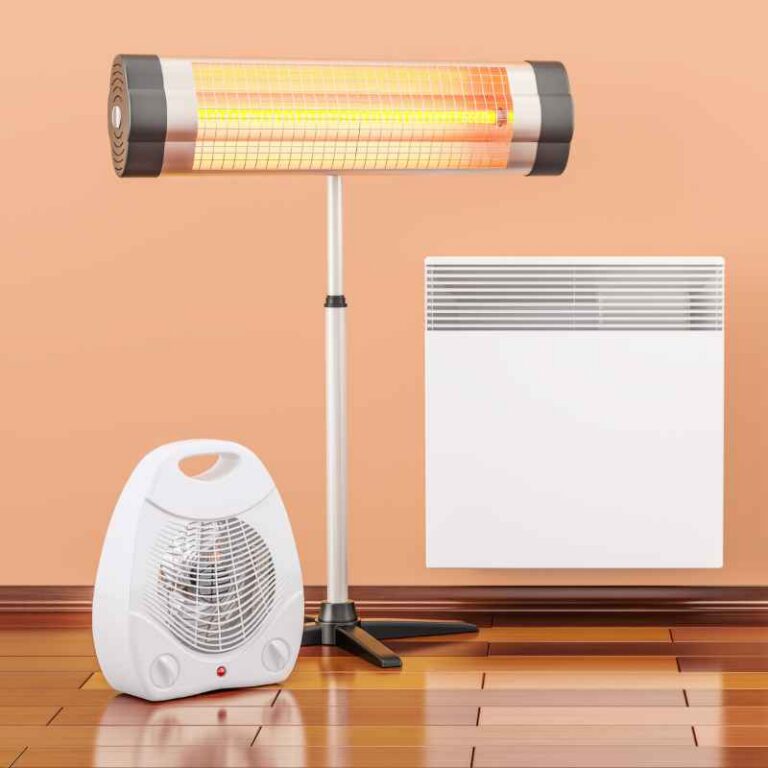
Are Infrared Heaters Safe To Leave Unattended? Real Answer
It’s that cozy feeling, right? The warmth that spreads through a room, making a chilly evening feel like a hug. Infrared heaters promise that comfort, often quickly and efficiently.
But a nagging question can creep in: can I just turn it on and forget about it? This is a common worry for many of us trying to balance comfort with safety in our homes. Let’s dive deep and find out what you really need to know.
The short answer is that while many modern infrared heaters are designed with safety features, it is generally not recommended to leave any heating appliance completely unattended for extended periods. Always follow manufacturer instructions and exercise caution.
Understanding Infrared Heater Safety
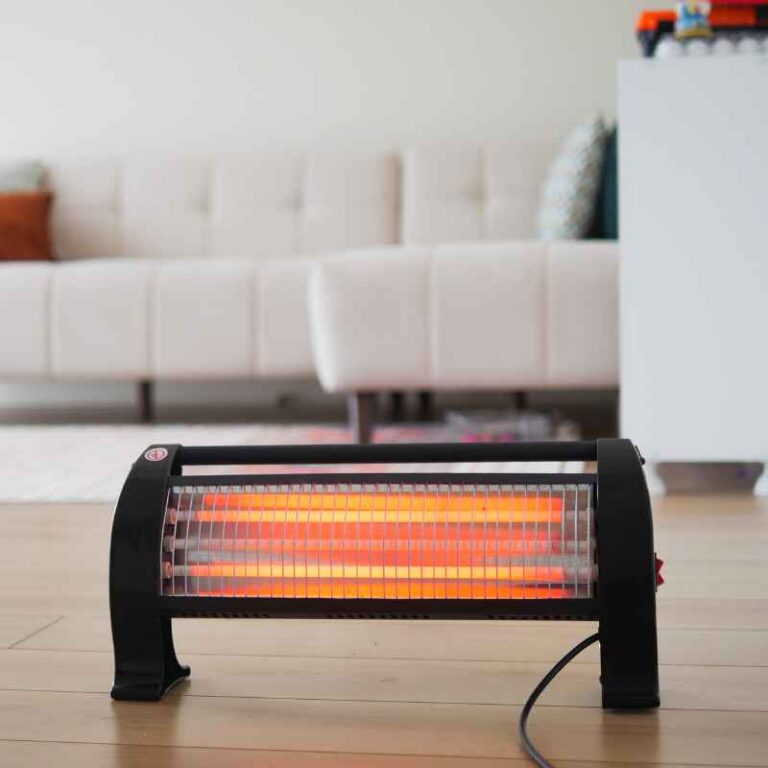
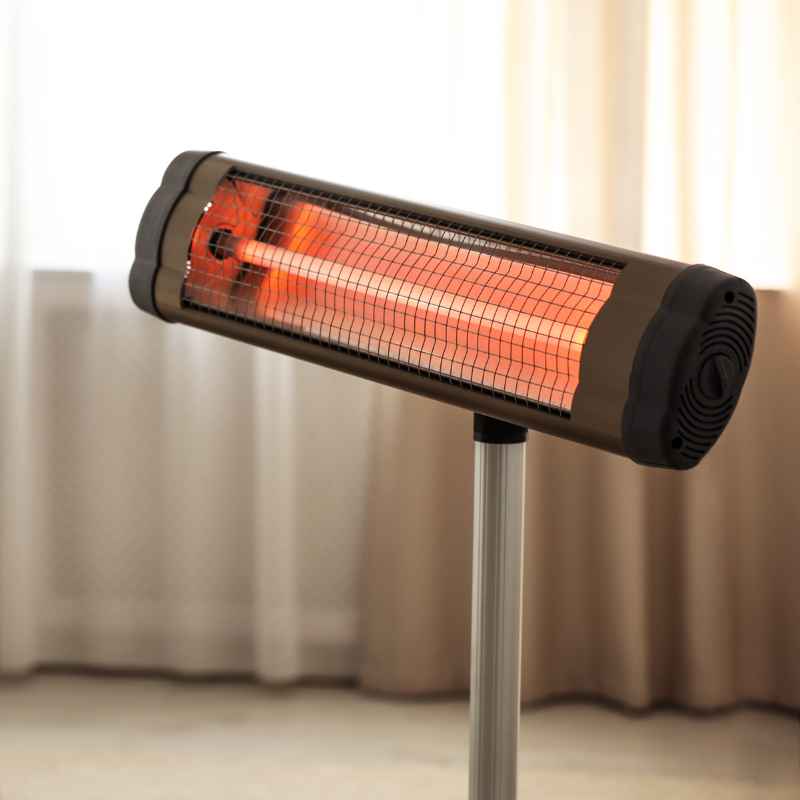
Infrared heaters work differently than your typical fan-forced heater. Instead of heating the air directly, they emit radiant heat. Think of it like the sun’s warmth on your skin. This heat warms objects and people in its path. This makes them feel warm almost instantly.
This unique way of heating can be very efficient. It means less energy is wasted heating empty air. But how does this radiant heat affect safety, especially when you’re not around?
How Infrared Heaters Work
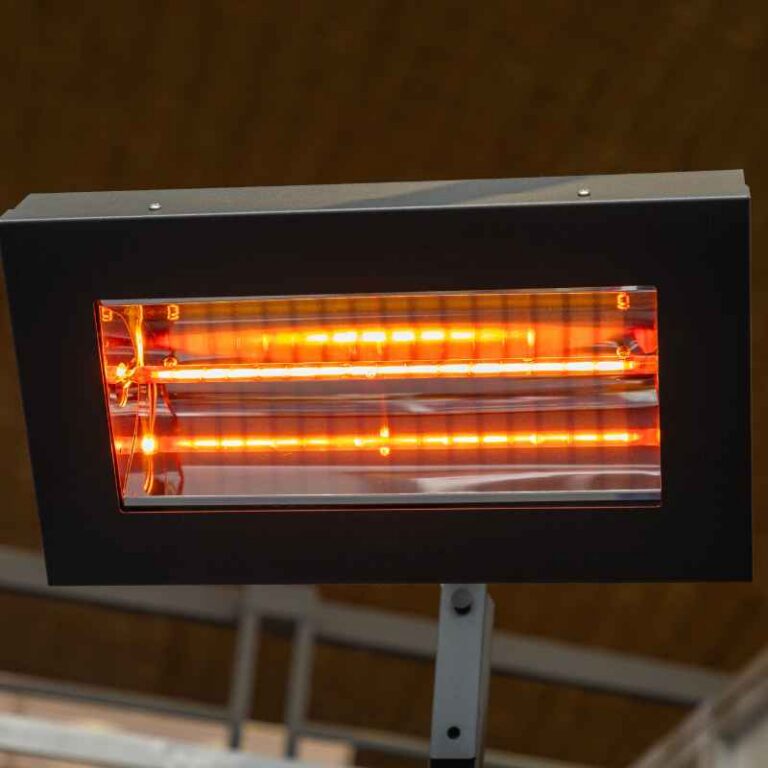
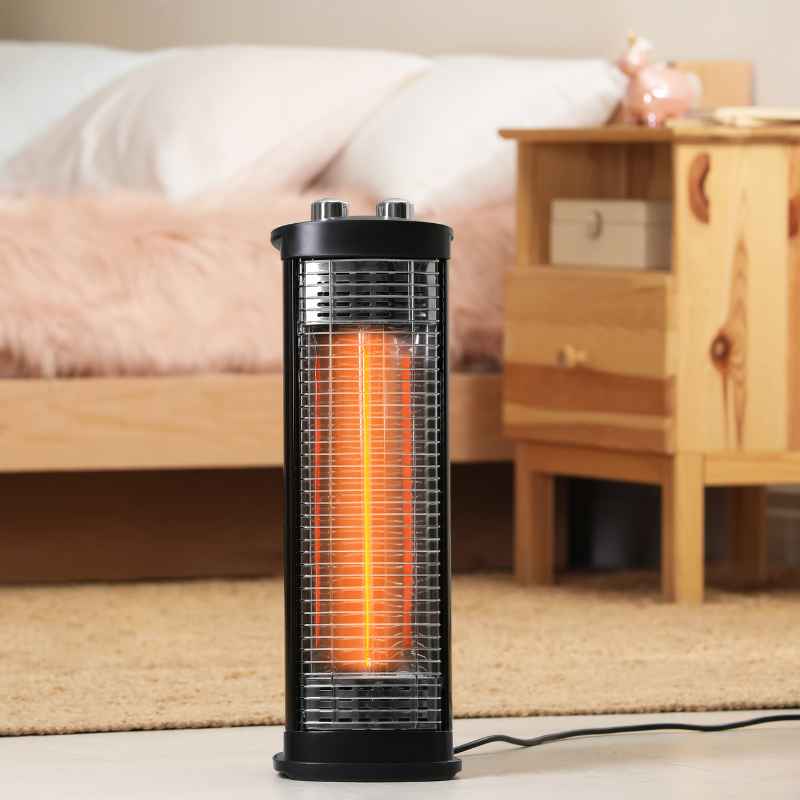
Infrared heaters use elements, often quartz or ceramic, that get very hot. These elements then give off infrared radiation. This radiation travels in straight lines. It’s absorbed by surfaces it hits. This includes furniture, walls, and yes, people.
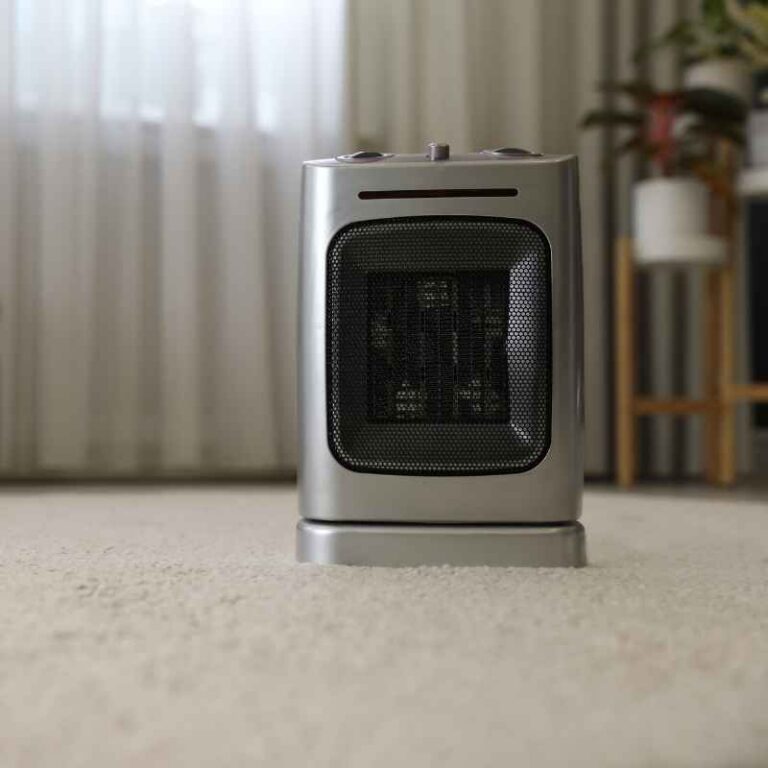
This is different from a convection heater. Convection heaters warm the air. Then, the warm air rises and circulates. Because infrared heat is direct, it doesn’t rely on air movement. This can be great for drafty rooms. It also means the heat feels more immediate.
Key Safety Features to Look For
Many newer infrared heaters come with built-in safety features. These are important to understand.
Tip-Over Protection: This is a big one. If the heater gets knocked over, it automatically shuts off. This prevents it from tipping and potentially starting a fire.
Overheat Protection: Sensors inside the heater detect if it’s getting too hot. If it reaches a critical temperature, it will shut down. This can happen if vents are blocked.
Cool-Touch Housing: The outer casing of the heater stays cooler. This reduces the risk of burns if you accidentally touch it.
Timer Functions: Some models have timers. You can set them to turn off after a certain amount of time. This helps you avoid leaving them on all night.
Child Lock Features: These prevent accidental changes to settings by children.
These features are designed to make infrared heaters safer. But they are not a foolproof guarantee against all risks.
My Own Close Call With a Space Heater
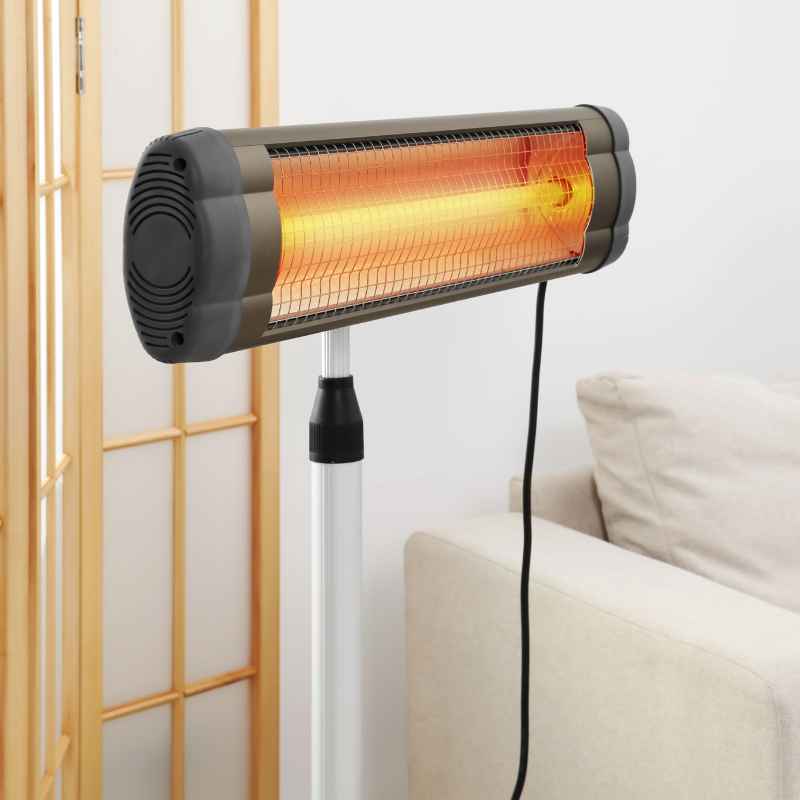
I remember one chilly October evening a few years back. I was working late on a project. My home office was always the coldest room. I had a small, older space heater I used just for that room. It wasn’t infrared, but a different type. I’d turned it on for a couple of hours while I worked.
Then, I got so absorbed in my work. The night wore on. Suddenly, I smelled something odd. It was a faint, acrid smell. I looked around, a little confused. My cat, usually asleep at my feet, was pacing nervously near the heater. That’s when I saw it.
The heater had somehow pushed itself closer to a stack of papers and a stray blanket. It wasn’t even touching them directly, but the heat radiating nearby was intense. The edge of the blanket looked slightly discolored. My papers were starting to curl at the edges.
Panic set in. I quickly unplugged the heater and moved it far away. My heart was pounding. If I hadn’t smelled that faint odor, or if my cat hadn’t alerted me, things could have been much worse. It was a stark reminder that even with safety features, you can’t be completely careless. That experience really stuck with me. It made me way more mindful about how I use any kind of portable heater.
Real-World Scenarios and Risks
When we talk about leaving heaters unattended, we need to think about how and where they are used. This is where real-world situations can create risks, even with advanced safety features.
Scenario 1: The Busy Parent
Imagine a parent rushing to get kids ready for school. They turn on the heater in the living room for a few minutes. They then dash out, forgetting it’s on. Or maybe they leave it on low as they go to another part of the house, intending to come back.
Risk: A child or pet could accidentally bump it. A toy could fall too close. The heater could overheat if its air intake gets blocked by a rug or furniture.
Scenario 2: The Elderly Individual
An older person might use a heater for consistent warmth. They might fall asleep in their chair. Or they might forget to turn it off before going to bed.
Risk: Reduced mobility or cognitive function can increase the risk of accidents. They might not be able to react quickly if something goes wrong. Items of clothing left too near could ignite.
Scenario 3: The Forgetful Homeowner
Someone might be doing chores or watching TV. They turn on the heater for comfort. Then, they get a phone call or a visitor. They get distracted and leave the room, forgetting the heater is on.
Risk: This is very common. The heater can continue to run. If it’s too close to curtains, bedding, or other flammable materials, a fire could start.
Scenario 4: The Pet Owner
Pets are curious. They might investigate a new warm object. Cats might try to sleep too close. Dogs might accidentally knock it over while playing.
Risk: Even with tip-over protection, a prolonged tilt could be an issue. Pets can also chew on cords, posing an electrical hazard.
These scenarios highlight that human error and unforeseen events are the main culprits. Safety features help mitigate risks, but they don’t eliminate the need for oversight.
How Heat Affects Household Items
It’s not just about fire. The direct heat from infrared can affect things in your home over time.
Heat’s Impact on Materials
Wood Furniture: Prolonged, direct heat can dry out wood. This may lead to cracking or warping. Keep heaters at least 3 feet away from wooden items.
Electronics: Sensitive electronics can be damaged by excessive heat. Avoid pointing the heater directly at TVs, computers, or stereos.
Plastics: Some plastics can degrade or deform when exposed to high heat. Be mindful of plastic decorations or accessories.
Fabrics and Upholstery: Colors can fade over time from constant exposure to radiant heat. Some fabrics might also become brittle.
When is it ‘Safe Enough’?
The concept of “safe enough” is tricky. It depends on many factors. What’s safe in one situation might not be in another.
Factors Influencing Safety
Type of Heater: Newer models with advanced safety features are generally safer. Older heaters might lack crucial protections.
Location of Heater: Is it placed on a hard, flat surface? Is there plenty of space around it? Is it away from curtains, paper, or furniture?
Presence of Occupants: Are adults present and aware? Are there children or pets who might interfere?
Duration of Operation: Is it on for a short period to warm up a room, or running for hours?
Home Environment: Is the home generally tidy? Are there many flammable items nearby?
The ‘Never Alone’ Rule
Many experts and fire safety organizations advise against leaving any portable heating device unattended. This includes electric heaters, gas heaters, and even oil-filled radiators. The reasoning is simple: fires can start incredibly fast.
A small spark can become a blaze in minutes. If no one is there to notice, the damage can be catastrophic. It’s a matter of risk management. You are minimizing the chance of a disaster by being present.
Your Home’s Safety Checklist
Think of this as a quick check-up for your heating setup.
Heater Safety Scan
- Check Cords: Are they frayed or damaged? Replace them if they are.
- Clearance: Is there at least 3 feet of clear space around the heater?
- Stable Surface: Is the heater on a flat, stable surface where it won’t tip easily?
- Vents Clear: Are the air vents completely unobstructed?
- Flammables Nearby: Are curtains, papers, or fabrics too close? Move them away.
- Pets/Children: Are they supervised? Can they reach the heater or its cord?
- Burner Check (if applicable): For models with visible elements, are they clean and free of debris?
When to Worry: Red Flags
Some signs indicate your heater might be behaving unusually or posing a risk.
Warning Signs
Unusual Smells: A burning plastic or electrical smell is a major red flag. Turn it off immediately.
Strange Noises: Clicking, buzzing, or popping sounds can mean internal problems.
Overheating: If the heater itself feels excessively hot to the touch (beyond normal operational warmth), shut it down.
Visible Damage: Any crack in the housing or damage to the cord needs attention.
Tip-Overs: Even if it shuts off, frequent tip-overs suggest instability or a poor location.
These are signs you should not ignore. They mean the heater needs immediate attention or replacement.
Quick Tips for Safer Use
Making your home warmer doesn’t have to be risky. These simple habits can make a big difference.
Smart Heating Habits
Read the Manual: Every heater is different. Know your specific model’s capabilities and limitations.
Plug Directly into the Wall: Avoid using extension cords or power strips. These can overheat and cause fires.
Use in Well-Ventilated Areas: Ensure fresh air can circulate.
Don’t Block Vents: This is crucial for preventing overheating.
Turn Off When Leaving the Room: Make it a habit. Get up, turn it off. It takes two seconds.
Turn Off Before Sleeping: Unless the heater is specifically designed for safe overnight use (like some oil-filled radiators, with caution*), turn it off.
Regular Cleaning: Dust can build up on heating elements. This can reduce efficiency and pose a fire risk.
What Does This Mean for You?
It means embracing warmth with awareness. Infrared heaters are fantastic tools for comfort. They can be used safely. But safety is a partnership between the appliance and the user.
Modern infrared heaters have indeed become much safer. Features like tip-over switches and overheat protection are standard. These significantly reduce the risk compared to older models. You can feel more confident knowing these systems are in place.
However, these features are there as a backup. They are not a license to be careless. The primary responsibility for safe operation still rests with you. Think of them as safety nets, not free passes.
Normal vs. Concerning
Normal: A heater providing consistent, comfortable warmth when you are present and have followed all safety guidelines. The room feels cozy, and the heater operates quietly.
Concerning: A heater left running when you leave the room or go to sleep. Unusual smells, noises, or excessive heat from the unit itself. A heater placed too close to flammable items.
Frequent Questions About Unattended Heaters
Can I leave an infrared heater on all night?
It’s generally not advised to leave any portable heater unattended overnight, even with safety features. While newer models are safer, the risk of an unforeseen incident (like a power surge or a mechanical failure not caught by sensors) is still present. Always check your heater’s manual for specific overnight use recommendations and exercise extreme caution.
Are infrared heaters safer than other types of space heaters?
Infrared heaters can be very safe when used properly. They don’t typically have exposed heating coils that can ignite dust or lint. Their reliance on radiant heat also means they don’t dry out the air as much as some convection heaters.
However, all portable heaters carry some risk and require responsible usage. Features like tip-over shutoff are common on many heater types now.
What if my infrared heater has a timer? Can I leave it unattended then?
A timer is a great safety feature, allowing you to set a shut-off time. This reduces the risk of forgetting to turn it off. However, it doesn’t eliminate all risks during its operating period.
Ensure it’s still placed safely away from flammables while it’s running, even with a timer set.
How close can I put furniture to an infrared heater?
Manufacturers typically recommend at least 3 feet (about 1 meter) of clearance around an infrared heater. This applies to furniture, curtains, bedding, and any other combustible materials. Always refer to your heater’s specific instruction manual for the most accurate spacing recommendations.
What should I do if I smell something burning from my infrared heater?
Immediately turn off the heater and unplug it from the wall. Do not try to use it again until it has been inspected by a qualified technician. The smell could indicate overheating, a short circuit, or dust burning off.
It’s a serious warning sign.
Are infrared heaters safe around pets and children?
Infrared heaters are generally safer than some other heater types because their outer casings tend to stay cooler. However, pets and children can still get burned if they touch the very hot element or grill. They can also knock over the heater, potentially activating its tip-over switch.
Constant supervision is key when young ones or pets are present.
Final Thoughts on Cozy Comfort
Achieving a warm, inviting home is a wonderful goal. Infrared heaters can be a fantastic part of that. By understanding how they work, what safety features to look for, and practicing good habits, you can enjoy their benefits without unnecessary worry. Always prioritize common sense and follow manufacturer guidelines. Your vigilance is the most crucial safety feature of all.
Sponsored / affiliate links. As an Amazon Associate I earn from qualifying purchases. I may earn additional commission from eligible campaigns.