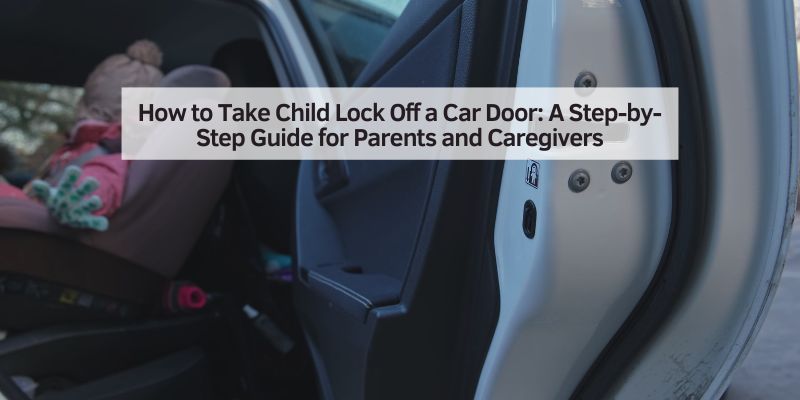
How to Take the Child Lock Off a Car Door
A car’s child safety lock disables the rear interior door handle — flip the small lever on the door edge for manual locks, or press the dashboard button for electronic ones. Federal rule FMVSS No. 206 requires every rear door to have this lock, though nothing requires you to keep it on. This guide covers manual and electronic disabling steps, model-specific lock locations, and what to do when a lever won’t budge.
Disclosure: This post contains Amazon affiliate links. As an Amazon Associate, we earn from qualifying purchases at no extra cost to you.
What Are Child Safety Locks and Why Do They Matter?
Child safety locks are a rear-door feature, standard on nearly every car sold in the U.S., that block the interior door handle from releasing the latch. They exist to keep kids and pets from accidentally opening a rear door while the vehicle is moving.
Even if you plan to turn them off, understanding how they work makes disabling them faster. They’re located on the rear doors and are either a manual switch or an electronic setting, depending on the car’s make and model — the same interior-release principle used across most door hardware and lock systems, from house deadbolts to car doors.
How Do Child Safety Locks Work?
A child safety lock is a secondary latch mechanism built into the door. When engaged, it disconnects the interior handle from the latch release — pulling the inside handle does nothing, but the door still opens normally from the outside. This one-way design is what makes it a safety feature rather than a full lock.
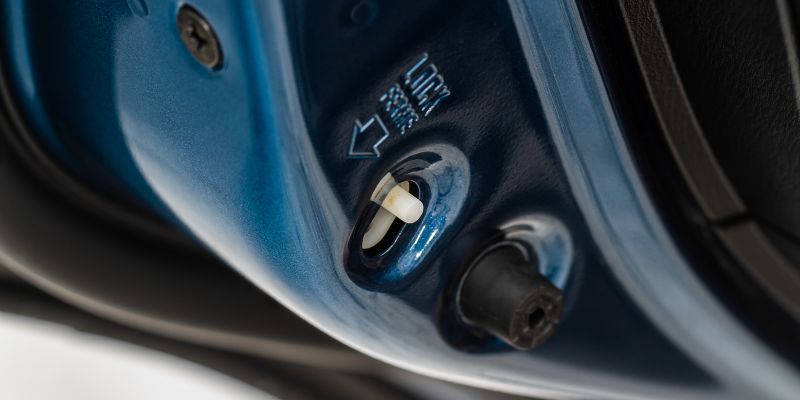
Older cars typically use a small lever or key-slot on the edge of the door, visible only when the door is open. Newer cars often control the same function electronically through a dashboard or driver’s door panel button.
Types of Child Safety Locks
Most cars use one of two systems. Knowing which type your car has before you start saves time.
- Manual child locks: the most common type. A small lever or key-slot sits on the edge of the rear door, only visible when the door is open. Flip the lever or turn it with the car key to engage or disengage.
- Electronic child locks: found in newer and higher-end vehicles. Instead of a physical switch, the lock toggles through a dashboard button or an infotainment settings menu.
| Type | Location | How to Operate | Common In |
|---|---|---|---|
| Manual child lock | Edge of rear door | Flip lever or turn slot with key | Most cars, especially older models |
| Electronic child lock | Dashboard or driver’s control panel | Press button or adjust via infotainment menu | Newer or luxury vehicles |
Step-by-Step Guide to Disabling Manual Child Safety Locks
If your car uses manual child locks, this five-step process works on nearly every make and model.
- Open the rear door: the lock switch is only visible and accessible with the door open.
- Locate the child lock switch: look along the edge of the door near the latch for a small lever or a key-slot, sometimes labeled with a lock or key icon.
- Flip the lever or turn the slot: move a lever to the unlocked position (a small diagram usually shows which way is off), or insert the car key into a slot and turn it a quarter turn.
- Test the door: close the door and pull the interior handle. If the lock is off, it opens normally.
- Repeat for other doors: child locks are set per-door, so do this separately for each rear door.
Make sure the door is fully open so you can see the switch clearly. If you can’t find it, check the car door lock mechanism against your owner’s manual diagram — placement varies by manufacturer.
How to Disable Electronic Child Safety Locks
Electronic systems use a control instead of a physical lever, but the process is just as quick once you know where to look.
- Check the driver’s control panel: look for a button or switch on the driver’s door panel or dashboard, often marked with a child-and-door icon.
- Press the button: a simple toggle switch disables the lock immediately; some cars show an indicator light for lock status.
- Use the infotainment system if needed: on many modern cars, go to Vehicle Settings or Safety in the touchscreen menu to find the child lock toggle.
- Test the doors: get in the back seat and pull the interior handle to confirm the lock is off.
- Consult the manual if the control isn’t obvious: electronic layouts vary widely between brands and model years.
Child Lock Locations by Vehicle: Quick Reference for Common Models
Exact placement and mechanism vary by manufacturer. These are the most-searched models and how each one handles it, based on manufacturer documentation and owner reporting.
| Make / Model | Lock Type | Where to Find It |
|---|---|---|
| Toyota Camry / Corolla | Manual | Small slide switch on the rear door’s interior edge panel |
| Chevrolet (Tahoe, Suburban, most models) | Key-operated | Key slot next to a child/padlock icon on the rear door edge — insert the ignition key and turn toward the inside of the car |
| Ford Focus / Vauxhall-Opel Corsa | Manual dial | Rotating dial (not a flip lever) on the rear door edge |
| Hyundai / Kia (most 2020+ models) | Electronic | Button on the driver’s door panel, sometimes duplicated in the infotainment Vehicle Settings menu |
If your model isn’t listed here, the general manual and electronic steps above still apply — the mechanism is either a rear door-edge switch or a dashboard/door-panel control on virtually every car built since the 1990s.
📊 On many newer vehicles, electronic child locks release automatically the moment the airbags deploy in a crash — the system is designed to prevent kids from being trapped by the very feature meant to protect them. It unlocks the interior handle only; someone still has to pull it. — Source: Hyundai Owner’s Manual, Electronic Child Safety Lock, 2026
Troubleshooting Common Issues
Most problems come down to a hidden switch, a stuck lever, or a system that needs the right conditions to change.
- Switch is hard to find: it may be tucked behind a small trim panel or near the door hinge. Shine a flashlight along the door edge to spot it.
- Lever won’t move: a stuck lever is usually rust or dried-out grease. A dedicated lock lubricant (not household oil) frees it without attracting more dust — see the pick below. In freezing weather, ice in the mechanism causes the same symptom; see our guide to de-icing a car door lock if that’s the cause.
- Electronic lock won’t toggle: some systems only accept the change with the ignition on or the engine running. Check the car is in the correct mode first.
- Door still won’t open after disabling the lock: the interior handle or latch itself may be broken, not the child lock. If flipping the switch doesn’t fix it, see how to open a locked car door for handle and latch troubleshooting, or have a mechanic inspect it.
Best Stuck Child Lock Fix Pick

Houdini Lock Lube Professional Lock Lubricant – $14.68
If the lever is stuck (the exact issue covered in Troubleshooting above), this is the lubricant locksmiths use instead of household oil — it won’t attract dust or gum up the mechanism again.
- Best for: freeing a stuck manual child-lock lever without gumming it up again
- Why we picked it: dielectric and electronics-safe, so it works on manual levers and electronic door-panel switches alike — matches the caution this guide gives about electronic locks
- Main drawback: stronger smell than silicone-only sprays until it fully cures
Compare more stuck-lock and troubleshooting options
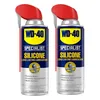 Option 1 WD-40 Specialist Silicone Lubricant Twin-Pack – $25.13
|
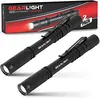 Option 2 GearLight S100 LED Pocket Pen Light (2-Pack) – $19.99
|
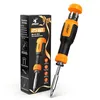 Option 3 JOREST 25-in-1 Magnetic Screwdriver Multitool – $8.98
|
As an Amazon Associate we earn from qualifying purchases.
When Should You Disable Child Safety Locks?
There’s no fixed age, but a few scenarios are common triggers for turning them off:
- Older kids: once children understand car door safety — often somewhere around 8–12, depending on maturity — some parents disable the locks while still supervising.
- No kids riding: hauling cargo or adult passengers only removes the need for the lock entirely.
- Emergency access: disabling the lock makes it faster for a rear passenger to exit quickly if needed.
Keep the locks engaged whenever young kids or pets who might play with the handle are riding in back — it’s a balance between convenience and the exact risk the feature was built to prevent.
Tips for Maintaining Child Safety Locks
- Check them regularly: test the rear door locks every few months so a stuck lever doesn’t surprise you later.
- Keep the mechanism clean: wipe dirt and grime from the switch or latch area with a damp cloth and dry it fully.
- Lubricate sparingly if the lever feels stiff: a small amount of dedicated lock lubricant keeps it moving; too much attracts dust.
- Read the manual: it has the exact maintenance and troubleshooting steps for your specific model.
Why Child Safety Locks Are Still Important
Even if you eventually turn them off, the reason they exist doesn’t go away: an unexpected rear door opening at speed is a genuine hazard, which is exactly the scenario FMVSS No. 206 was written to prevent (see the FAQ below for what the rule actually requires).
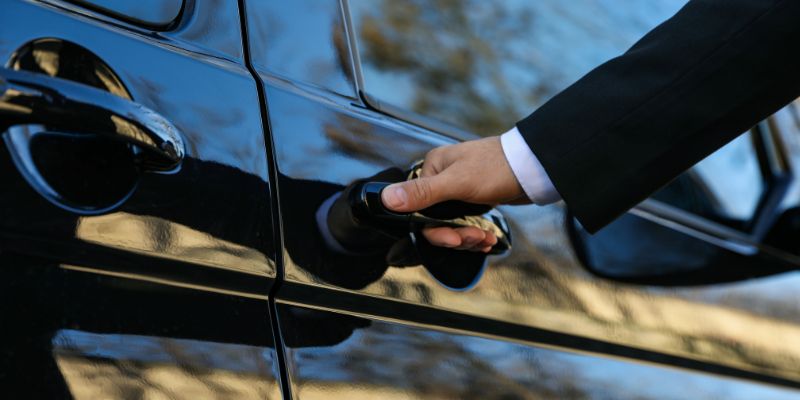
If you’re unsure whether to keep them on, base the decision on who’s actually riding in back: young kids or pets, keep the locks engaged; older kids or adults, they’re optional.
Safety Tips for Parents and Caregivers
- Use proper car seats: match the seat or booster to the child’s age, height, and weight — this matters more than the door lock itself.
- Teach car door safety: a short conversation about not playing with handles or windows goes a long way.
- Lock power windows: use the window lock button if your car has one, for the same reason as the door lock.
- Never leave kids alone in the car: child locks or not, this rule doesn’t change.
“Each rear side door shall be equipped with at least one locking device which… when engaged, prevents operation of the interior door handle or other interior latch release control and requires separate actions to unlock the door and operate the interior door handle.”
Conclusion
Taking the child lock off a car door is a five-minute job once you know whether your car uses a manual lever or an electronic control. Locate the switch, flip or press it, then test the door from inside. If a lever is stuck, a proper lock lubricant — not household oil — is the fix, and if the door still won’t open afterward, the problem is likely the handle or latch rather than the child lock itself.
Frequently Asked Questions
How do I know if my car has child safety locks?
Yes, virtually every car with rear doors has them — it’s a federal requirement under FMVSS No. 206. Check the edge of the rear door for a lever or slot, or look for a button on the driver’s control panel. Your owner’s manual confirms the exact location for your model.
Can I disable child locks while the car is moving?
Manual locks can only be changed with the door open, so not while driving. Electronic locks can sometimes be toggled from the dashboard while moving, but it’s safer to do this when the car is stopped.
What if the child lock is stuck and won’t turn off?
Clean the switch with a damp cloth or apply a small amount of dedicated lock lubricant. If it still won’t move, the mechanism itself may be damaged and needs a mechanic’s inspection.
Are child safety locks required by law?
Yes, in the U.S. federal rule FMVSS No. 206 requires every rear door to have a lockable interior handle release — that’s the child lock. What the law doesn’t require is that you keep it engaged; using it is a parent or driver’s choice, though you are separately responsible for restraining kids under 14 with seat belts or car seats.
Can I disable child locks permanently?
Yes, flipping the manual switch or turning off the electronic setting stays off until you change it again. Just make sure it’s safe for whoever rides in the back, especially young kids or pets.
What should I do if the door won’t open even after disabling the child lock?
The interior handle or latch itself is likely broken rather than the child lock. Check the handle for looseness or damage, and if it still won’t open, have a mechanic inspect the latch mechanism.
Does the child lock release automatically in a crash?
On many newer vehicles with electronic child locks, yes — the system automatically disengages the lock when the airbags deploy, so a trapped child lock doesn’t block a rear passenger’s exit after an accident. It only releases the interior handle; someone still has to open the door. Manual mechanical child locks don’t have this feature and must be released by hand.
Sponsored / affiliate links. As an Amazon Associate I earn from qualifying purchases. I may earn additional commission from eligible campaigns.