Door Security Plate: What It Does and When You Need One
A door security plate is a metal reinforcement that spreads impact across the door frame and latch area. Choose one when the strike area is splintering, the latch screws are short, or the door needs more resistance without replacing the whole frame. Miss that problem, and a strong deadbolt can still tear through weak wood. This guide explains what the plate does, how to check fit, and when the frame, strike, or lock needs a different fix.
How force distribution strengthens door security
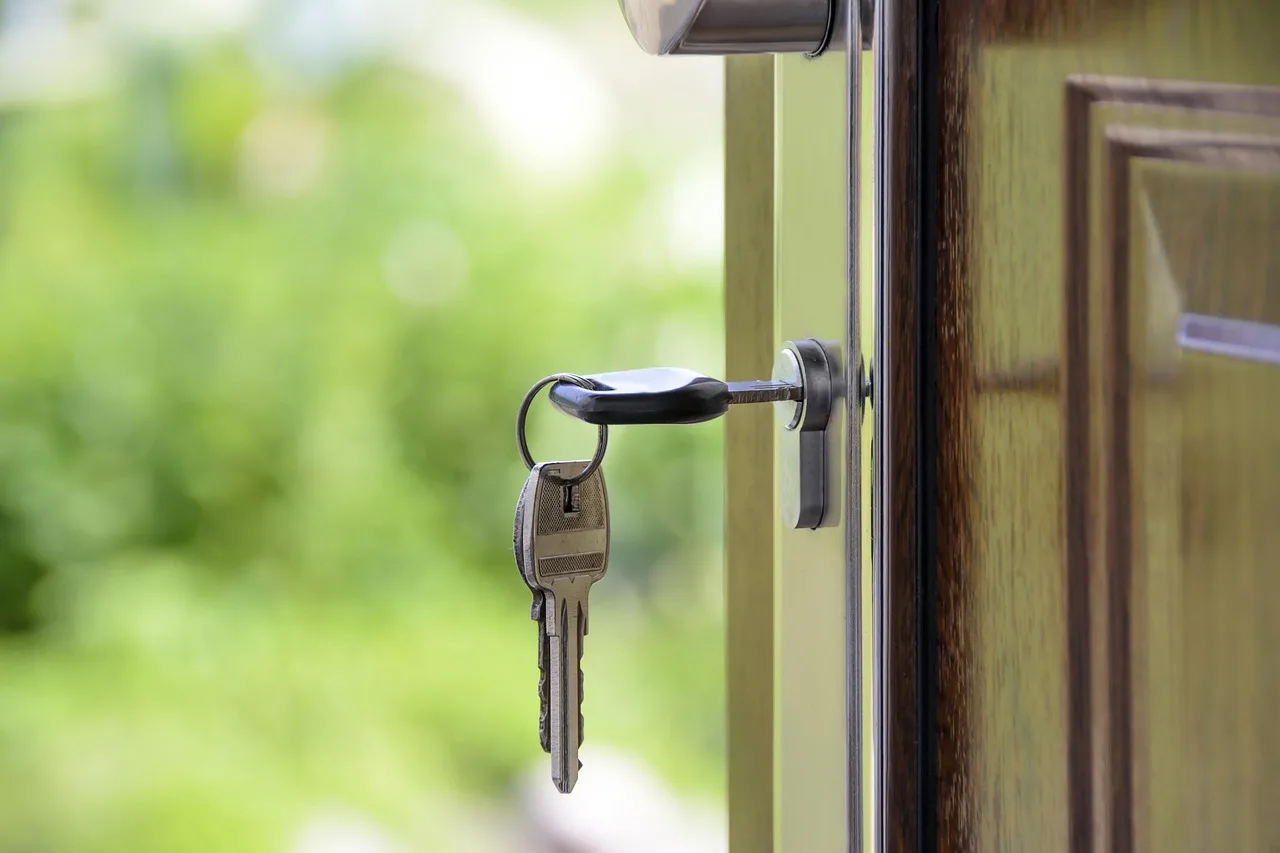


A door security plate spreads force from a forced-entry push or pry across a wider section of the latch side. That matters because the weak point is often not the deadbolt itself. It is the wood, metal, or trim holding the strike and screws.
Common versions include a reinforcement plate, a strike plate, and a wraparound plate. A reinforcement plate strengthens the surrounding area. A strike plate receives the latch or deadbolt bolt. A wraparound plate folds over more of the door edge and can protect the latch edge on some doors.
Force distribution at the latch area
The plate changes how load moves through the door assembly. Instead of the bolt punching into a small patch of wood, the force spreads to more screw points and more material around the opening. That can reduce splitting and pullout when the door is struck.
This only helps if the backing is sound. A plate fastened into soft, damaged wood is still limited by that wood. If the jamb is weak or the framing behind it is compromised, the hardware cannot create strength that is not there.
What it can and cannot fix
A security plate can help with torn screw holes, small splits around the strike, or a latch area that looks crushed from repeated use. It can also improve retention when the existing strike plate uses short screws that only bite trim or thin jamb material.
It cannot correct a loose hinge-side frame, rotten framing, or a deadbolt that misses the strike because the door has shifted. It also will not fix a lock that is binding because the latch and strike are out of line.
Security plate vs. strike plate
A strike plate is the piece the latch bolt or deadbolt enters. A security plate is the broader category of reinforcement hardware around that area. The terms get mixed up because many products do both jobs at once, but the distinction matters when you choose a repair.
Which part receives the bolt?
The strike plate is the receiving surface. It has the opening the latch or deadbolt enters. A reinforcement plate may use that same opening, but its main job is to spread force into more material and better screws.
If the old strike is intact but the surrounding wood is splitting, a reinforcement plate may be the better choice. If the strike opening is worn, bent, or too small for the bolt travel, replacing the strike plate may be enough.
Why screw anchoring matters
Screw length controls whether the hardware is anchored in trim or in framing. A common rule of thumb is to use 3-inch screws or longer for security-focused installs, since they can reach the framing member behind the jamb. Short screws often stop in the jamb alone.
That hidden framing is the real limit. A metal strike with short screws can still fail if the screws only grip thin jamb stock. A steel plate with long screws into solid framing performs far better than a thicker plate anchored to weak material.
When a strike plate replacement is enough
Replace the strike plate when the main problem is wear at the opening, not frame damage. Signs include a bent strike lip, a miscut opening, or screws that are stripped but the jamb wood is still firm. In that case, a properly sized strike with longer screws may solve the issue.
If the door closes cleanly and the latch centers in the opening, this is a straightforward fix. If the bolt is off by several millimeters, the latch geometry needs adjustment first.
When do you need one?

You need a security plate when the latch area shows wear, pullout, or repeated impact damage, and the surrounding structure is still usable. It is a targeted fix for a weak strike zone. It is not the right answer for every security complaint at the door.
Signs of torn screw holes or pullout
Look for screws that spin without tightening, widened holes, cracked wood around the strike, or a plate that has shifted after the door was slammed. Those are signs the fasteners are losing their grip. A reinforcement plate with longer screws can restore that connection if the surrounding wood is still sound.
Suppose a front door closes, but the deadbolt only catches if you lift the knob first. That usually points to alignment, not strength. Adding a plate alone may make the problem worse if the bolt and strike are still offset.
Signs of a weak jamb or split wood
A split door jamb, soft rot, or crushed wood around the latch area changes the decision. In those cases, the hardware is not the only problem. The jamb itself may no longer hold a plate securely, even with longer screws.
Picture a pine jamb with a split extending above the strike opening and screws that have torn out of the edge. A small reinforcement plate may mask the damage for a while, but a full jamb repair or reinforcement kit is the better fix when the wood cannot hold fasteners cleanly.
When a full reinforcement kit is the better call
A door frame reinforcement kit is often the better choice when the frame is weak, the strike area is failing, or kick-in resistance matters more than a simple cosmetic repair. These kits may include plates, longer screws, and jamb reinforcement that spreads load across more of the frame.
Choose the kit when the jamb is soft, the strike area is crushed, or the lock side is only part of the problem. A plate alone is a narrow repair. A frame kit addresses more of the load path from the door edge into the surrounding structure.
Which plate fits your door?
Door material changes the value of a security plate. Solid wood, hollow-core, and metal doors do not respond the same way, because each one has a different edge construction and different limits on screw holding. Match the plate to the door and jamb, not just the symptom.
Solid wood doors
Solid wood doors usually accept reinforcement better than hollow-core doors because there is more material around the lock area. A reinforcement plate or wraparound plate can help if the strike side edge is strong enough and the latch lines up correctly.
Use longer screws where possible, and confirm that the jamb behind the strike can take them. Solid wood doors can still fail if the frame is weak. The door leaf may be fine while the jamb gives way first.
Hollow-core doors
Hollow-core doors are a poor match for most security plates unless the hardware is specifically designed for that construction. The thin skins and lightweight core do not provide much screw holding at the latch edge, so a plate can only do so much.
For these doors, stronger hardware at the strike may still help the frame side, but the door itself may be the weak link. If the latch area is crushed or the edge structure is loose, replacement with a more secure door is often a better investment than piling on hardware.
Metal doors
Metal doors can work with the right plate, but they need careful fit and the correct fastener approach. Some metal doors use reinforced lock pockets, while others need specific screws, machine fasteners, or a plate made for thinner material.
If the metal skin is dented or the frame is weak, the plate alone will not solve the problem. Check whether the issue is in the door edge, the frame, or the strike opening before choosing a part.
Security plate decision matrix
Use the matrix below to match the door material, symptom, and repair path. The best fix depends on whether the problem is the door edge, the strike opening, or the frame behind it. Screw length matters only if the material behind the screws is solid enough to hold them.
| Door material | Symptom | Best plate type | Minimum screw length | When to upgrade to a full reinforcement kit or replace the lock |
|---|---|---|---|---|
| Solid wood | Small splits or stripped strike screws | Reinforcement plate | 3 inches | Upgrade to a frame kit if the jamb is cracked or soft; replace the lock if the latch is worn or the bolt throw is faulty |
| Solid wood | Latch rubbing or misalignment under normal closing | Strike plate | 3 inches | Replace the strike first; move to a frame kit if the jamb is shifting or the door has sagged from hinge wear |
| Hollow-core | Crushed edge near the latch | Wraparound plate only if the door design allows it | 3 inches into framing, if applicable | Replace the door if the edge structure cannot hold fasteners or if the latch area has failed repeatedly |
| Hollow-core | Weak frame, but door still closes square | Strike plate on the jamb side | 3 inches | Use a frame reinforcement kit if the jamb is soft; do not rely on the door leaf alone for forced-entry resistance |
| Metal | Bent strike or loose receiver | Metal-rated reinforcement plate | As specified by the hardware, often 3 inches or longer where wood backing exists | Replace the lock if the bolt no longer extends cleanly; use a frame kit if the surrounding frame flexes or tears |
| Metal | Repeated rattling or sticking at the latch | Strike plate | 3 inches if the frame accepts them | Re-drill or adjust first; if the frame is distorted, a plate will not solve the alignment problem |
Long screws are not optional when the goal is real reinforcement. They should reach framing members whenever possible. If the screw only bites thin jamb material or trim, the plate can still pull out under load.
Can you install one yourself?
Many homeowners can install a security plate with basic tools if the door closes squarely and the jamb is sound. The job becomes more involved when the strike must be re-mortised, the screw holes need repair, or the latch needs realignment.
Basic tools and layout checks
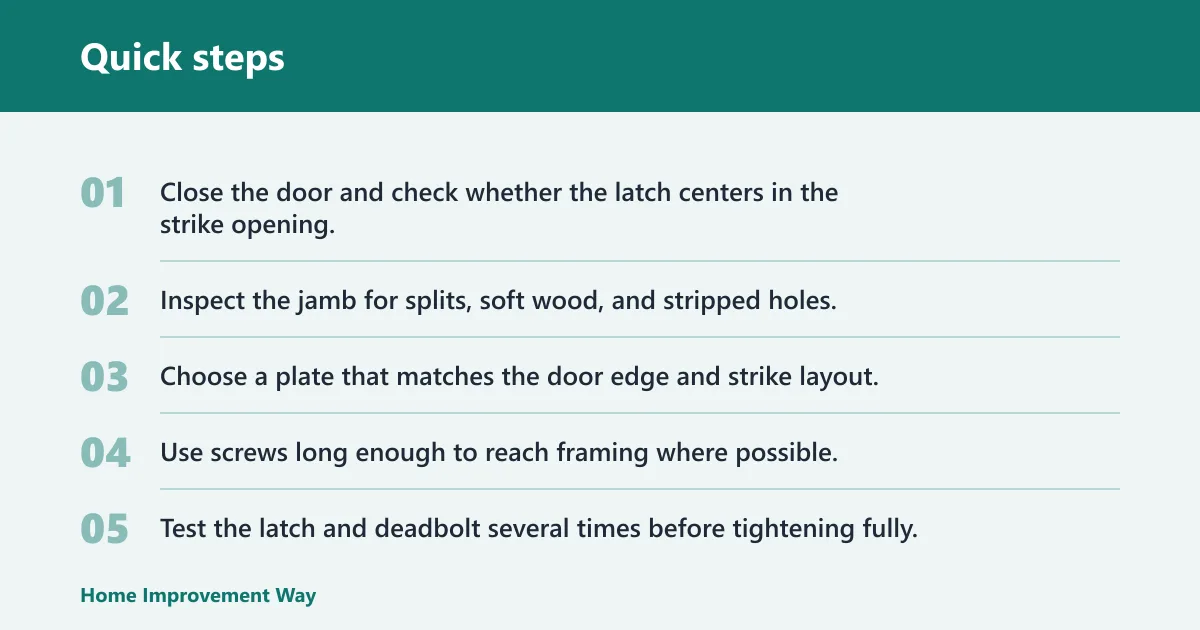
Plan on a drill, a screwdriver, a tape measure, and a chisel if the new plate needs a deeper mortise. Check whether the existing strike opening lines up with the latch and deadbolt before you remove anything. Mark the screw holes carefully so the new plate sits flat.
- Close the door and check whether the latch centers in the strike opening.
- Inspect the jamb for splits, soft wood, and stripped holes.
- Choose a plate that matches the door edge and strike layout.
- Use screws long enough to reach framing where possible.
- Test the latch and deadbolt several times before tightening fully.
Fit, mortise depth, and latch alignment
A plate that sits proud of the surface can cause sticking. A plate that is set too deep can leave the bolt misaligned. Some installs need a deeper mortise, a slightly moved opening, or a different plate shape to keep the latch and deadlatch working smoothly.
That matters with deadbolts too. The security of the deadbolt depends on the surrounding frame and the strike interface, not only on the lock body or throw length. If the bolt throw is correct but the frame flexes, the system still fails at the weak point.
When to stop and call a pro
Stop and get help if the jamb is split through its depth, the hinge side is loose, or the strike area needs major rework. Call for help if the lock or door must be re-centered, if the mortise is too shallow for the new hardware, or if the frame shows signs of rot or metal deformation.
A common first-timer mistake is to install a stronger plate while leaving the hinges loose and the latch misaligned. The door then binds, rattles, or still fails at the same weak point. Fix the structure first, then the hardware.
Frequently asked questions
What does a door security plate do?
A door security plate spreads force around the latch or deadbolt area so the strike side is less likely to split or pull out. It can improve resistance to forced entry when the surrounding wood or metal is still solid enough to hold longer screws and proper anchoring.
Do I need a security plate on my front door?
You usually need one when the strike area shows wear, stripped screws, or splitting, or when the deadbolt feels secure but the frame looks weak. If the door closes cleanly and the jamb is sound, a plate may be optional. If the frame is damaged, it becomes more important.
Is a door security plate the same as a strike plate?
No. The strike plate is the part the latch or deadbolt enters. A security plate is a broader reinforcement part that may include or surround the strike. Many products combine both functions, which is why the terms get mixed up so often.
Will a security plate stop a door from being kicked in?
It can help, but only if the strike side, screws, and framing are strong enough. A plate by itself will not stop a kick-in when the jamb is split, the screws are short, or the framing behind the door is weak. The load still has to go somewhere solid.
How long should the screws be for a door security plate?
A common target is 3-inch screws or longer so the hardware can anchor into the framing member behind the jamb. Short screws often stop in weak jamb stock or trim. If the wall build leaves no solid backing, longer screws alone will not solve the problem.
What other hardware should I upgrade with a security plate?
Check the deadbolt, strike plate, hinges, and nearby door frame before stopping at the plate. Loose hinges can shift the latch geometry. A worn deadbolt or poor cylinder hardware can create other weak points. If there is nearby glazing, that area may also need attention.
Sponsored / affiliate links. As an Amazon Associate I earn from qualifying purchases. I may earn additional commission from eligible campaigns.