Door Security Bar vs. Portable Door Lock: Which Is Safer?
Bottom line: A Door Security Bar is usually the stronger choice for brute-force resistance when the floor contact is solid and the door geometry fits the bar. A Portable Door Lock is usually the better pick for hotels, rentals, and other inside-only situations where you need a compact, non-permanent option. The right answer depends less on the product label and more on the door, gap, frame, and threshold.
This guide is based on product specifications, fit requirements, and door-geometry considerations rather than manufacturer claims alone.
A properly installed Door Security Bar is usually safer against brute force than a Portable Door Lock because it sends force to the floor or the floor and door frame, but a Portable Door Lock is better for many travel doors where a bar will not fit; for rentals, pick the device that matches the door type and closes without a gap. The wrong choice can fail fast under a kick or leave you unable to use the door at all. This guide compares failure modes, fit limits, and the safer choice for rentals, travel, and owned homes. If you are comparing broader upgrades, read our guide on door security hardware upgrades, see our apartment entry door security recommendations, and review our sliding patio door security guide.
| Factor | Door Security Bar | Portable Door Lock | Winner |
|---|---|---|---|
| Forced-entry resistance | Braces against the floor or opposing surface, so a strong model can resist more direct shove and kick force when the contact points are solid. | Depends on the strike area, latch slot, and door geometry inside the room; a good fit can block opening, but poor fit can fail early. | Door Security Bar |
| Fit and compatibility | Works on many hinged doors and, on some models, sliding doors; fit still depends on clearance, floor contact, and where the bar lands. | Inside-only use with tighter clearance and latch-slot needs; best when the door and frame geometry match the device. | Portable Door Lock |
| Portability | Portable models exist, but bars are usually bulkier and less travel-friendly than a small inside lock. | Compact and made for hotel, apartment, and travel use. | Portable Door Lock |
| Renter-friendliness | Good when you want no drilling, but some spaces have poor floor contact or threshold shapes that reduce usefulness. | Strong fit for many rentals because it installs from inside without hardware changes. | Portable Door Lock |
| Setup speed | Usually quick, especially on tool-free models, but the bar length and contact point still need alignment. | Also tool-free, though the latch-slot fit can take a moment to confirm. | Tie |
Quick answer and trade-off
The safer choice depends on the door, not only the product type. A Door Security Bar is the better pick for brute-force resistance when the floor contact is solid and the door setup fits the bar, while a Portable Door Lock is the better fit for hotel rooms and many rentals because it is small, inside-only, and made for temporary use.
The trade-off is plain. Bars move force into the floor or the opposing surface. Portable locks depend more on the door edge, latch area, and clearance under or around the door, so they can be excellent in the right room and weak in the wrong one.
| Decision factor | Door Security Bar | Portable Door Lock | Winner |
|---|---|---|---|
| Forced-entry resistance | Best when the bar has firm floor contact and a straight load path. | Good for inside lockout use, but more dependent on fit and geometry. | Door Security Bar |
| Fit and compatibility | Works on many hinged doors; some models also work on sliding doors. | Requires the right clearance and latch-slot setup. | Portable Door Lock |
| Portability and renter-friendliness | Tool-free models are common, but the bar is less compact. | Made for travel, rentals, and inside-only use. | Portable Door Lock |
| Setup speed | Fast once adjusted, though contact alignment matters. | Fast if the door geometry matches. | Tie |
Forced-entry resistance
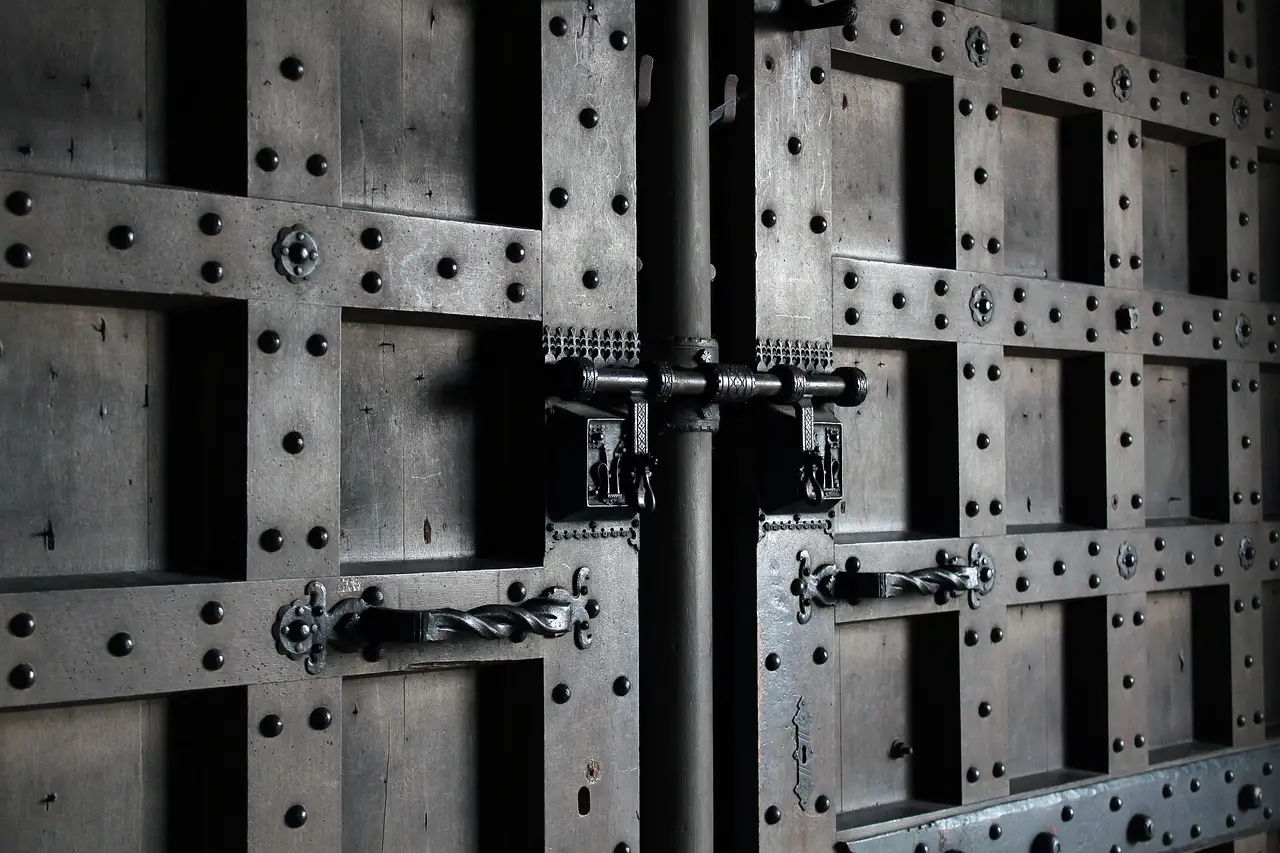
A door bar usually wins here because it creates a brace that moves force away from the latch area. That matters when the weak point is the strike zone or frame, which is common on doors with thin trim, loose jambs, or a shallow latch catch.
A portable lock can still help as a temporary lockout device from the inside, but it does not spread force the same way a bar does. If the door or frame flexes, the lock has less margin.
Fit and compatibility
Portable locks are more demanding about fit. They need the right latch-slot shape, enough clearance, and a door that closes cleanly enough for the inside piece to seat properly.
Bars are broader in fit, but not universal. A door with a high threshold, uneven floor, or odd bottom gap can stop the bar from loading correctly, especially if the feet do not sit flat.
Portability and renter-friendliness
Portable locks are usually the easier carry for hotels and short trips. They are non-permanent and inside-only, which suits shared housing and rooms where you cannot change hardware.
Bars can also work well in rentals if they need no drilling, but they take up more space and may be less convenient to pack. If you move often, size matters.
Setup speed
Both are tool-free on many models. The real time cost is compatibility checking, not the act of installing.
If the door has an odd stop, low clearance, or a lever handle that gets in the way, the faster device on paper may still be the slower one in practice.
What each device does under force
Under force, the difference is the load path. A Door Security Bar pushes the load into the floor or opposite surface, which is why solid contact points matter so much. A Portable Door Lock depends on the latch area and door geometry, so weak frames and sloppy fit can matter more than the product name on the box.
That is also why manufacturer force claims are not directly comparable across product classes. A floor brace, a removable bar, and an inside lock do not fail the same way, so one published number does not tell the whole story.
Loose frames and weak strike zones matter more than marketing claims
If the frame flexes, the strike area can give before the door panel does. That is true even with a strong brace. A product can only help if the surrounding structure can take the load.
Say your apartment door closes, but the bottom gap is large enough that the bar foot rocks on tile. In that case, a strong-sounding bar may lose much of its advantage because the contact point shifts before the load is fully transferred.
Which one fits your door?
Measure first, then choose. Under-door clearance, latch-slot geometry, door swing, and threshold shape matter as much as the security claim. A device that fits cleanly is safer than a stronger one that sits crooked or cannot seat at all.
- Choose a portable door lock if the room is inside-only, the latch geometry is normal, and the under-door gap matches the listing.
- Choose a door security bar if the floor contact is stable, the threshold is even, and you want a stronger brace against shove or kick force.
- Recheck the door before buying if you see a lever handle, unusual latch hardware, or an uneven floor that could affect fit.
Under-door clearance checks for portable door locks
DoorJammer Portable Door Lock Brace requires 0.25 inches of clearance, so the under-door gap has to meet that minimum before it will work as intended. The DoorJammer DJ3 needs vertical floor clearance between a quarter inch and 1.5 inches. Check the manufacturer listing for your model before you buy, because the fit window changes by design.
Low-clearance thresholds are a common problem. If the gap is too tight, the device will not seat. If the gap is too loose, the contact can shift under load.
Hinged doors versus sliding doors
Some bars work on hinged doors, and some models also work on sliding doors. The Master Lock adjustable bar fits hinged doors from 30.5 to 45 inches and sliding doors from 27.5 to 42 inches, while the Brinks Door Security Bar adjusts from 25 inches to 43 inches. The fit range still does not guarantee compatibility if the contact points or threshold are awkward.
For sliding doors, look for a model made for that use case. A bar that braces well on a swinging door may not seat properly on a track door.
Lever handles, unusual latch hardware, and threshold problems
Lever handles can interfere with some portable locks if the internal shape leaves no clear seat or the lock body cannot align with the latch area. Unusual latch hardware can create the same issue. If the door has a nonstandard lockset, confirm the listing for that exact mechanism.
Picture a rental door with a lever handle and a narrow under-door gap. A portable lock may fit the gap but still miss the latch geometry. A bar may avoid that problem, provided the floor contact is stable.
Door security bars and named models
Choose a bar when you want the stronger brute-force answer and the door setup supports it. Bars are better for many owned homes and some apartments, especially when you can verify floor contact and door clearance before ordering.
Buddybar Original door Jammer
The Buddybar Original Door Jammer is described as using 16-gauge steel, being rated to withstand about 2,560 lbs, and adjusting from 36 to 51 in. It needs no drilling. That points to a stronger home-security use case than a travel-first lock, as long as the door and floor contact line up.
Master Lock adjustable security bar
The Master Lock adjustable security bar is described as using 20-gauge steel and fitting hinged doors from about 30.5 to 45 inches and sliding doors from about 27.5 to 42 inches. It is a dual-use design, which makes it useful when the same home has both door types or when you need one bar for more than one opening.
SecurityMan SecurityBar2
The SecurityMan SecurityBar2 comes as a 2-pack with iron construction and interchangeable caps for multiple door and window use. That makes it a practical pick when you want coverage for more than one opening, but you should still confirm fit at each location before relying on it.
When a bar is a better fit than an inside lock
A bar is usually the better choice when the frame is solid, the threshold is even, and you want the extra resistance of a floor-loaded brace. It also makes more sense for doors that stay in place long term.
If the room is your own home, and you can keep the same setup in place, a bar often has the better safety margin. That is especially true when the main concern is forced entry rather than short-stay privacy.
Portable door locks and the DoorJammer
Choose a portable lock when you need a compact inside-only option for hotel, apartment, or travel use. It is the better fit when drilling is off the table and the door geometry supports a temporary lockout from inside the room.
DoorJammer Portable Door Lock Brace
The DoorJammer Portable Door Lock Brace is travel-oriented and requires 0.25 inches of clearance. Its compact form factor helps when luggage space matters, and the inside insertion method suits short trips where you need a quick temporary lockout.
Inside-only setup limits
Portable locks work from inside only. That matters because they are not meant to solve every door problem from either side. They are best when the room closes cleanly, the latch-slot fit is correct, and you can install the device without altering the door.
If the door has unusual hardware or poor under-gap fit, the lock may be the wrong tool. In that case, a bar that contacts the floor more directly may be the safer option.
Best situations for hotels, rentals, and short trips
Portable locks are strongest as a temporary inside lockout in hotels and rentals where you want no permanent changes. They are also the easiest to pack for short trips.
Use them when the door closes cleanly, the gap matches the listing, and the latch geometry is normal. If you cannot confirm that fit, do not assume the compact size solves the problem.
Choose Nightlock Original door Barricade, Buddybar Original door Jammer, Master lock Adjustable Security bar, securityMan SecurityBar2, or DoorJammer portable door lock brace if…

Use the product that matches the door and the setting. The safest choice is the one that fits the opening cleanly and matches the type of use you actually need.
| Scenario | Recommended choice | Why |
|---|---|---|
| Apartment | DoorJammer Portable Door Lock Brace | Inside-only, non-permanent, and compact for renters who need a temporary lockout. |
| Hotel | DoorJammer Portable Door Lock Brace | Best when you need a travel-first inside lock and the door clearance matches. |
| Owned home | Buddybar Original Door Jammer | Stronger brace style, no drilling required, and better suited to long-term placement. |
| Sliding doors | Master Lock Adjustable Security Bar | It is listed for both hinged and sliding doors, so it fits this use case better than a travel lock. |
The Nightlock Original Door Barricade is a floor-mount device, which makes it the most fixed option here. For an owned door that will keep the same setup, that permanence can be the point. It is less appealing for travel or rentals.
Say your hotel room door has a clean latch slot and the gap under the door measures 0.25 inches. A portable lock is the sensible choice. Suppose your front door is a hinged entry with a stable threshold and you want a stronger brace left in place. A bar is the better answer.


Door choice decision matrix
Use this matrix after you check the door. It separates brute-force resistance from inside-only privacy and temporary lockout use, which is the distinction most shoppers need before buying.
| Scenario | Forced-entry resistance | Fit/compatibility | Portability | Renter-friendliness | Setup speed | Recommended choice |
|---|---|---|---|---|---|---|
| Apartment | Better than a portable lock if the frame and floor contact are solid | Depends on threshold and bottom gap | Portable Door Lock | Portable Door Lock | Tie | DoorJammer Portable Door Lock Brace |
| Hotel | Portable Door Lock can be enough for temporary inside lockout | Needs clearance and latch-slot fit | Portable Door Lock | Portable Door Lock | Tie | DoorJammer Portable Door Lock Brace |
| Owned home | Door Security Bar | Door Security Bar | Door Security Bar | Door Security Bar | Tie | Buddybar Original Door Jammer |
| Sliding doors | Door Security Bar | Door Security Bar | Portable Door Lock | Portable Door Lock | Tie | Master Lock Adjustable Security Bar |
Frequently asked questions
Which is safer: a door security bar or a portable door lock?
A door security bar is usually safer against brute force because it moves load into the floor or another solid contact point. A portable door lock is safer when you need a temporary inside lockout in a hotel or rental and the door fits it correctly. Fit decides a lot here.
Will a portable door lock work on my hotel room or rental door?
It often will, but not always. Check the under-door gap, latch-slot shape, and whether the door closes cleanly enough for the device to seat. DoorJammer Portable Door Lock Brace requires 0.25 inches of clearance, so a tight or oddly shaped gap can rule it out.
Do security bars work on hinged and sliding doors?
Some do, and some do not. The Master Lock adjustable bar fits hinged doors from 30.5 to 45 inches and sliding doors from 27.5 to 42 inches. That still does not make every bar universal, so check the model listing before buying.
How much force can a door security bar withstand?
It depends on the model and the door setup. MSIC Global SecuraDoor is described as holding back over 3,000 pounds, and the Buddybar Original Door Jammer is rated to withstand roughly 2,560 lbs. Those figures are not directly interchangeable across mounting methods, so treat them as model-specific claims, not a universal standard.
Can I use a door security bar in an apartment without drilling?
Often yes. Many bars are tool-free and non-permanent, which makes them attractive for rentals. Just confirm the threshold, floor contact, and door type before buying, because a bar that cannot sit flat will not deliver the safety you expect.
What clearance do I need under the door for a portable door lock?
It varies by model. DoorJammer Portable Door Lock Brace requires 0.25 inches of clearance, while the DoorJammer DJ3 needs vertical floor clearance between a quarter inch and 1.5 inches. Check the manufacturer’s listing for your exact model before ordering.
Is a floor-mounted barricade safer than a removable bar?
Usually yes for a fixed home setup, because a floor-mounted device is less dependent on quick placement and can create a very direct load path. Nightlock Original Door Barricade is a floor-mount device, so it suits owned doors better than travel use. It is not the right answer for every rental.
Sponsored / affiliate links. As an Amazon Associate I earn from qualifying purchases. I may earn additional commission from eligible campaigns.