Strike Plate Screws: How Long They Should Be for Better Security?
Use about 3-inch screws for most exterior strike plates, or the longest screw that still reaches solid framing without bottoming out. Short screws can let a forced door split the jamb and pop the plate loose. This guide explains screw length, when longer fasteners help, and when reinforcement beats a simple swap.
Strike plate screw lengths
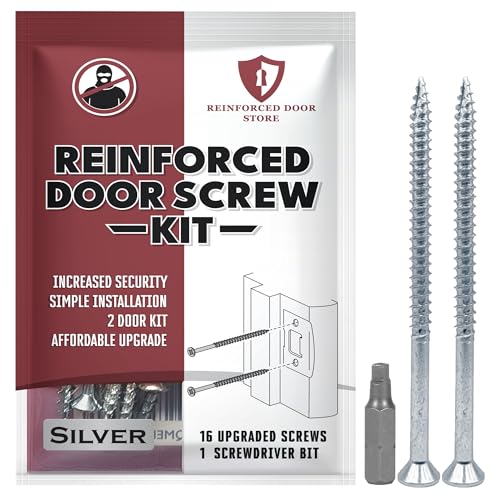


Strike plate screws carry load. They are not a cosmetic choice. A 1-inch screw may hold a light interior latch plate in thin trim, while 1-1/4-inch and 2-inch screws can work for many jamb-only installs. For exterior doors, 3-inch screws are common because they can reach framing behind the jamb. That general range matches common lockset installation instructions from manufacturers such as Schlage and Kwikset, which typically include short mounting screws for basic fit-up and longer screws for the strike where greater pullout resistance is needed.
What the common lengths
Typical strike plate screw lengths are about 1 inch, 1-1/4 inch, 2 inch, and 3 inch. Short screws are usually for light-duty or temporary work. Mid-length screws suit many latch strikes on solid wood jambs. Long screws are used when you want the plate to move force into the wall stud or other solid framing. In practice, the useful question is not “How long can the screw be?” but “How far does it actually embed into structural wood?”
| Hardware type | Recommended screw length range | Common gauge | Head style | Thread type | Pre-drill guidance |
|---|---|---|---|---|---|
| Deadbolt strike plate | 2 inch to 3 inch | #8 or #10 | Flat or oval head to match the countersink | Coarse wood thread | Pre-drill in softwood if the screw is large or the jamb is dry; pre-drill in hardwood almost always |
| Latch strike plate | 1-1/4 inch to 2 inch | #8 or #10 | Flat or oval head to match the countersink | Coarse wood thread | Pre-drill in softwood when the screw is near the edge; pre-drill in hardwood for cleaner bite and less splitting |
How length changes with hardware
Latch strike plates usually need less holding power than deadbolt strike plates. A latch plate can sometimes use 1-1/4-inch or 2-inch screws if the jamb is sound and the holes line up. Deadbolt strike plates often justify about 2-inch or 3-inch screws, especially when the plate has two or more mounting holes and the door is an exterior entry door. The longer screw only improves security when it reaches framing behind the jamb; if it stops in trim or weak jamb stock, the extra length adds little real resistance.
Head shape matters too. Use a flat or oval head that matches the strike plate countersink, or the screw will sit proud and distort the plate. Screw gauge matters as well: #8 and #10 are common sizes, with #10 giving a larger shank and more thread engagement. For wood framing, choose coarse threads. Pre-drill pilot holes to reduce splitting, especially in dry or hard wood. That matches standard wood-fastener practice: screw strength comes from thread purchase in sound wood, not from length alone. A longer screw that never gets useful embedment into framing is just a longer fastener in weak material.
How long should strike plate screws be?
The shortest screw that still reaches solid framing is the right target. If a 2-inch screw reaches a stud with useful embedment, that is usually better than forcing in a 3-inch screw that splits the jamb or bottoms out before clamping the plate. The goal is reliable bite, not maximum length. In building and fastening guidance, a common rule is to prioritize solid embedment in framing rather than counting on trim or hollow material to hold load.
When 2-inch screws are enough
Two-inch screws are often enough when the jamb is thick, the wood is sound, and the screw can enter framing behind the jamb with enough thread depth to hold. A practical rule is to get roughly 1 inch of embedment into solid framing, with more preferred where the wood is soft or the opening sees heavy use. That aligns with common fastening guidance from wood and deck-screw manufacturers: holding power comes from threaded engagement in structural wood, not from shallow bite in trim or damaged jamb stock.
When 3-inch screws are worth using
Three-inch screws are worth using when the jamb is thin enough that shorter screws would stop in trim, or when the strike plate must pass through jamb material and into the stud. They are also useful on deadbolt strikes, where the load is higher and the plate sees harder hits during a kick or pry attempt. Manufacturer install sheets for security-grade locksets commonly specify longer strike screws for this exact reason: the strike needs to transfer force to framing, not just to the jamb face.
Deadbolt strike screw guide
Deadbolt strike plates need more holding power than latch-only plates because the deadbolt resists forced opening at the lock point. That means longer screws, better wood, and better alignment matter more here. If the bolt throw binds or the holes miss framing, long screws will not rescue the install. ANSI/BHMA hardware performance standards focus on the lockset as a system, which is why strike fit, plate seating, and framing engagement all matter together.
Single-hole versus multi-hole plates
Single-hole deadbolt plates are easier to align, but they spread load over less hardware. Multi-hole plates usually hold better because the force is shared across more screws and more wood. If the plate has two or four mounting holes, use every hole that lines up with solid material. For high-security applications, manufacturers often pair multi-hole strikes with longer screws or reinforcement plates so the load transfers into the surrounding frame.
When to add a reinforcement plate
Add a reinforcement plate when the jamb is split, soft, or too thin for a long screw to hold well. A reinforcement kit can spread force across more wood and reduce the chance of the plate tearing out. If the jamb is damaged or the stud is offset, longer screws alone are not a full fix. This is the right call when the opening needs more than extra screw length to meet good load-transfer practice.
Latch strike screw guide
Latch strikes usually get shorter screws because the latch does not carry the same load as a deadbolt. Many factory-installed screws are short, often around 1 inch to 1-1/4 inch, and they are mainly there to keep the plate aligned and the door from rattling. Security gains here are modest compared with deadbolt hardware. For that reason, a latch strike is usually chosen for fit and function first, then upgraded for load only if the jamb and framing can support it.
How alignment changes the choice
Alignment can matter more than length on a latch strike. If the latch rubs or the door rattles, a slightly longer screw may help only if the holes stay centered and the plate sits flat. If the strike is misaligned, fix the jamb position or the latch fit first; forcing a longer screw through a crooked plate can split the wood.
When a short screw is acceptable
A short screw is acceptable on an interior door strike plate when the opening is low risk, the jamb is sound, and there is no need to reach framing. In a renter-safe setup, shorter screws preserve the trim and are easier to reverse later. They are not a security upgrade, but they can be the right service choice.
Strike plate screw decision table

This table gives a practical way to choose screw length and the next step. It assumes a properly sized pilot hole, a screw head that matches the countersink, and a plate that sits flat against the jamb. If any of those are off, fix the fit first.
| Door setup | Typical screw length | Recommended path | Failure check |
|---|---|---|---|
| Softwood jamb, visible stud bite, latch strike | 1-1/4 inch to 2 inch | Use #8 or #10 coarse-thread wood screws; step up to 2 inch if the shank still reaches framing. | Too short: plate loosens in the jamb. Too long: screw splits softwood or bottoms out. Missed framing: little holding gain. |
| Softwood jamb, visible stud bite, deadbolt strike | 2 inch to 3 inch | Use the longest screw that reaches solid framing; consider a multi-hole plate or reinforcement kit. | Too short: force transfers into jamb only. Too long: stripped threads or split jamb. Missed framing: deadbolt still relies on weak wood. |
| Hardwood jamb, visible stud bite, latch strike | 1-1/4 inch to 2 inch | Pre-drill pilot holes; hardwood can hold well with shorter screws if the threads bite cleanly. | Too short: shallow thread engagement. Too long: high split risk if pilot hole is undersized. Missed framing: holds the plate, not the wall. |
| Hardwood jamb, visible stud bite, deadbolt strike | 2 inch to 3 inch | Use 3-inch screws if they can enter framing without splitting; add a reinforcement plate if the strike sees heavy use. | Too short: lower pullout resistance. Too long: head may not seat or the screw may wander. Missed framing: no real security gain. |
| No stud bite, renter-safe latch strike | 1 inch to 1-1/4 inch | Use a reversible screw size and keep the plate aligned; ask about a removable reinforcement plate if allowed. | Too short: plate may wobble. Too long: may damage trim or hidden material. Missed framing: do not expect major security improvement. |
| No stud bite, permanent exterior deadbolt | 3 inch plus reinforcement | Move to a reinforcement kit or a new strike setup that reaches framing; longer screws alone are not enough. | Too short: plate can shear out. Too long: may only grip trim. Missed framing: the weak link stays weak. |
Picture a front door with a deadbolt plate and a 1-inch factory screw. The screw holds the plate during daily use, but the first hard shove can tear the shallow bite out of the jamb. Swap to a 3-inch screw only if it reaches framing cleanly; otherwise use a reinforcement kit. This is the core load-transfer issue: a stronger screw helps only when the surrounding wood can pass that load into the structure.
Do 3-inch screws make doors more secure?
Longer screws can make a door more secure when they reach solid framing, but they do not make the door kick-proof. A 3-inch screw helps most when it replaces a short screw that only held trim or a thin jamb. If the screw misses the stud, the extra length does little. That is why security hardware instructions and standard framing practice both emphasize embedment into structural wood rather than fastener length by itself.
What longer screws can and cannot fix
Longer screws can improve pullout resistance and help the strike plate transfer force into the stud behind the jamb. They cannot fix a loose hinge side, a cracked jamb, or a strike that is mounted off-center. They also cannot correct a deadbolt that does not line up with the hole.
Why alignment and jamb condition matter
Misaligned holes can strip before the screw ever tightens. Split jambs can open further under load, even with a long screw. Hollow trim is worse: the screw may clamp the trim and feel tight while missing meaningful structure. If the wood is damaged, address the damage before relying on screw length alone.
A common first-timer mistake is putting a 3-inch screw into a loose strike plate on a split jamb and expecting a full fix. The plate may feel tighter, but the damaged wood still fails under force. A better approach is to repair the jamb or install reinforcement hardware that spreads the load.
When do you need door frame reinforcement?
You need reinforcement when screw length alone cannot create a reliable hold. Split jambs, hollow trim, weak hinges, and damaged wood are all signs that the strike plate needs more than a longer fastener. In those cases, a reinforcement plate or a full strike kit is the better repair. This matches the basic principle used in door hardware standards and manufacturer repair guidance: fix the weak substrate when the opening itself cannot support the load.
Split jambs and hollow trim
Split jambs often start at the top corner of the strike opening and spread when the door is forced. Hollow trim can hide the problem until the screw pulls through. If the wood crushes when you tighten the screw, stop and repair the area. Otherwise the screw is only compressing damaged material.
Reinforcement kits versus longer screws
Reinforcement kits use larger plates and more fasteners to spread force across more wood. Longer screws are simpler and cheaper, but they still depend on the jamb and stud being in good shape. Use longer screws when the structure is sound and the issue is shallow. Use reinforcement when the structure is weak or the opening is abused.
Checklist for replacing strike plate screws
- Remove the old strike plate and inspect the screw holes.
- Check whether the screw can reach the stud or other solid framing behind the jamb.
- Choose a flat or oval head that matches the countersink.
- Pick #8 or #10 coarse-thread wood screws for framing.
- Drill pilot holes that fit the screw core and reduce splitting.
- Tighten by hand until the plate sits flush and the latch or bolt moves freely.
Suppose a renter has an exterior door with a deadbolt plate but cannot make permanent changes. In that case, a reversible screw upgrade may help if the screw reaches framing and the lease allows it. If the jamb is weak or the plate sits in hollow trim, the safer choice is a removable reinforcement only if it does not damage the opening.
Frequently asked questions
What screws should I use for a deadbolt strike plate?
Use flat- or oval-head #8 or #10 coarse-thread wood screws that match the countersink. Choose 2-inch screws when they reach solid framing with about 1 inch of embedment; choose 3-inch screws when the jamb is thin or the plate needs to pass through to the stud. Avoid overlong screws that split wood or miss framing.
Do 3-inch screws really make a door more secure?
Yes, when they reach the stud or other solid framing. A 3-inch screw can improve force transfer far better than a short factory screw. But if the screw misses framing, or the jamb is split or hollow, the added length does little on its own.
Should strike plate screws go into the stud or just the jamb?
For better security, they should reach solid framing behind the jamb whenever possible. Screws that only bite the jamb help with alignment, but they do not resist forced entry as well. If the opening cannot give you stud bite, use a reinforcement kit rather than relying on jamb wood alone.
What size screws come with a strike plate?
Many strike plates come with short factory screws, often around 1 inch or 1-1/4 inch. Those are common for basic installation, not for maximum security. Check the countersink and hole pattern before replacing them, because a longer screw still has to sit flush and line up cleanly.
Can I use longer screws in an interior door strike plate?
Yes, but longer screws are usually unnecessary on interior doors unless you need better fit or a latch that stays tight. If the jamb is thin, a long screw can split it or hit framing you do not need to engage. Keep interior upgrades focused on function, not force resistance.
How do I know if my strike plate screws are too short?
If the plate wiggles, the screw heads loosen, or the screw never reaches solid framing behind the jamb, the screws are too short for security work. A quick check is to remove one screw and measure how much thread actually enters the framing. Shallow bite means weak holding power.
Sponsored / affiliate links. As an Amazon Associate I earn from qualifying purchases. I may earn additional commission from eligible campaigns.