Best Door Hardware for Coastal Homes: Based on Specs and Reviews
For coastal homes, the best practical stack is marine-grade stainless steel hardware, a Grade 1 deadbolt, a reinforced strike plate with long screws into the stud, and non-removable pin hinges on the main entry. That mix holds up better in salt air than plated hardware, and it tackles the parts that usually fail first: finish, fasteners, springs, and hinge pins.
Why corrosion resistance beats security spec
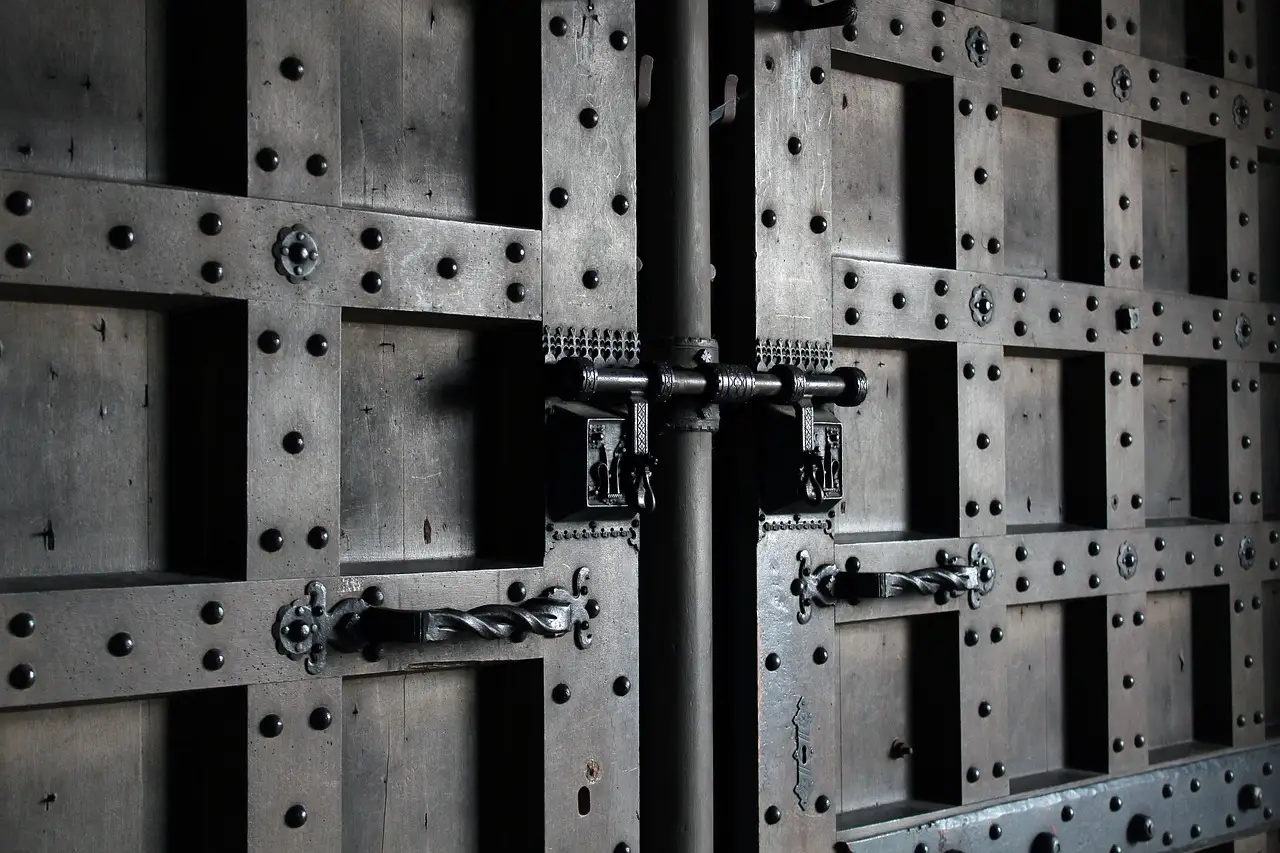
Near the ocean, corrosion resistance comes before security grade. A lock body can look strong on paper and still fail early if screws rust, a latch binds, or hinge pins seize.
Quick comparison

| Product | Badge | Best for | Price | ||
|---|---|---|---|---|---|
 |
Brotima 1 Pack Keyed Single Cylinder Deadbolts BrushedBrotima | Our pick | single cylinder · satin nickel · keyed deadbolt | $18.34
Price as of 26 Oct 2026
|
View |
 |
MP9457 Door Reinforcement Plate & Strike Plate for 1-3/4"BHJZYDXR | Upgrade pick | 1-3/4 in · stainless steel · strike plate kit | $10.99
Price as of 26 Oct 2026
|
View |
 |
304 Stainless Steel Door Hinges 4 Inch Heavy Duty Ballqtanber | Also great | 4 in · heavy duty · 304 stainless steel | $27.99
Price as of 26 Oct 2026
|
View |
 |
Lock and Door Reinforcement Plate 1-3/4-Inch Thick byFerraycle | Pair with it | 4 pcs · stainless steel · reinforcement plates | $27.99
Price as of 26 Oct 2026
|
View |
 |
Kwikset 816 Key Control Deadbolt LockKwikset | Our pick | $36.95
Price as of 19 Nov 2026
|
View |
Use exposure first, then security. Beachfront entries need the most corrosion-resistant stack. Inland-coastal entries can use a wider mix of finishes if the main door still gets a Grade 1 deadbolt. Sheltered entries often get the best return from upgrading the strike plate and hinges before replacing the entire lockset.
The matrix below is the easiest way to match hardware to location without paying for marine parts where they are not needed.
Coastal hardware selection matrix
| Exposure zone | Recommended finish | Hinge type | Deadbolt grade | Strike plate screw length | Red-flag failure signs |
|---|---|---|---|---|---|
| Beachfront | Marine-grade stainless steel | Non-removable pin hinges, stainless steel | Grade 1 on the primary door | Long screws that reach the wall stud | Pitting, tea staining, sticky latch, rust at hinge pins, screw heads flaking orange |
| Inland-coastal | Quality powder-coated finish or stainless steel | Non-removable pin hinges or stainless ball-bearing hinges | Grade 1 on the front door; Grade 2 on secondary doors | Long screws into the stud for the strike plate | Binding, finish dulling, surface rust around fasteners, loose strike plate |
| Sheltered entry | Powder-coated finish, satin nickel, or oil-rubbed bronze | Non-removable pin hinges if the door is frequently used | Grade 1 preferred; Grade 2 acceptable on secondary access | Long screws into the stud if the frame is weak | Paint cracking, screws backing out, hinge squeal, latch drag, cylinder stiffness |
How we chose
Corrosion resistance came first, because salt air usually shortens life before the deadbolt body is the weak point. Security grade came second, but only for hardware that can survive the environment long enough to matter.
Door compatibility also mattered. Wood, fiberglass, and steel doors do not need the same prep, and steel doors can begin showing corrosion within 18 months in coastal environments without proper treatment.
Failure points mattered more than marketing language. Finish, screws, springs, latch, cylinder, and hinge pins all fail on different schedules.
Replacement value mattered too. If one part is weak, a smaller upgrade can solve the problem without replacing every piece on the door.
Marine-grade stainless steel: best for waterfront entries
Marine-grade stainless steel is the best choice for waterfront properties, especially for hinges, handles, escutcheons, and other exposed exterior hardware. It offers the strongest corrosion resistance in the stack and is the safest pick when salt spray reaches the door often.
That matters because exposed hardware does not fail evenly. Finish can dull first, then fasteners corrode, and only later do moving parts start to stick. Marine-grade stainless steel slows each of those steps.
It is not perfect. Even stainless can show tea staining, and mixed-metal fasteners can still create trouble if the frame, screws, and hardware are not matched carefully.
Grade 1 deadbolt: best for primary front doors
A Grade 1 deadbolt is the strongest residential and commercial option for a primary exterior door. The one-inch bolt throw and heavier internal components make it the best pick when you want both entry security and better resistance to wear.
Grade 2 is still acceptable for secondary doors or lower-risk entries, but it is not the first choice for a main front door near salt air. If the lock face is exposed, a stronger grade does little good when the rest of the hardware is already failing.
Pair this kind of deadbolt with a reinforced strike plate and long screws into the stud. That upgrade improves forced-entry resistance and helps keep the frame from becoming the weak link.
Door reinforcement plate: best for weak frames
This type of strike and reinforcement plate is for doors with damaged, loose, or shallow lock areas. It is a smart first upgrade when the deadbolt still works but the frame or strike zone looks tired.
Its value is simple: long screws and a better plate move the load into the stud instead of leaving it at the thin jamb. That matters for kick-in resistance and for doors where the original holes have already enlarged.
The drawback is that it does not fix everything. If the deadbolt body is corroded, the latch sticks, or the door slab is warped, a reinforcement plate alone will not solve the problem.
Reinforcement plates: best for repair and retrofit
These plates fit homeowners who need broader coverage around the lock area, especially when old hardware has left damaged screw holes or worn edges. They can help repair and reinforce the lock zone without replacing the whole door.
They are especially useful on older coastal homes where the entry has seen several hardware changes. Stainless steel helps resist rust, and the included fasteners make the retrofit easier to complete in one visit.
The limit is fit. If the bore, backset, or door prep does not match, the plate may cover damage well but still leave the lockset awkward or poorly aligned.
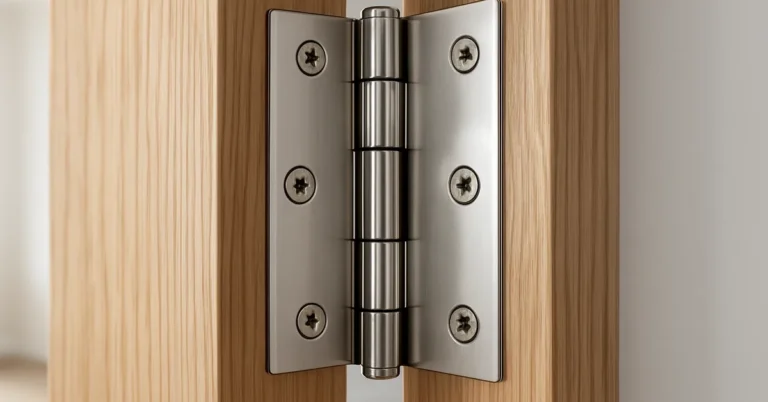
Non-removable pin hinges: best for entrance doors
Non-removable pin hinges are the right security hinge type for entrance doors because they prevent door lift-off from the outside. In coastal homes, they also reduce one more point where rust and wear can turn into a security problem.
Use them on the main entry whenever the hinge side is exposed and easy to reach. Stainless steel is the best match for ocean air, especially on exterior doors that see spray, rain, and constant use.
The drawback is simple: they still need correct alignment. If the door slab already sags or the frame is twisted, new hinges alone will not cure the fit.
Do smart locks hold up in humid coastal climates?
They can, but only on the right door. A smart lock is best on a covered entry where keypad access, remote locking, and access logs matter more than direct weather exposure.
Before buying, check the weather rating, battery access, and exterior finish. Bluetooth, Wi-Fi, and Z-Wave variants each add convenience, but they also add dependence on power and connection quality.
On beach-facing doors with direct salt spray, a traditional deadbolt is usually the safer buy. Electronics can handle humidity, but the outside shell still needs corrosion resistance, and the battery compartment cannot be ignored.
Picture a covered porch with a deep overhang and a keypad deadbolt. That is a good fit if the finish is protected and the door does not get direct spray. Now picture the same lock on a door that gets windblown salt every afternoon; the mechanical parts and battery contacts will usually be the first concern.
Which lock finish holds up best in salt air?
Marine-grade stainless steel holds up best in salt air, followed by quality powder-coated finishes on less exposed entries. For matte black hardware, powder coating is better than painted finishes because it resists tarnishing and wear more effectively.
Satin nickel and oil-rubbed bronze can work on sheltered or inland-coastal doors. Polished chrome and polished brass are the least durable finishes in Tampa Bay’s environment, so they are poor choices for exposed exterior hardware.
Finishes fail in layers. The top coat dulls first, then edges wear, then corrosion starts at screws, seams, and moving parts. That is why a finish choice should always be tied to exposure, not style alone.
What door materials and prep work best near the ocean?
Fiberglass doors are the strongest all-around choice for coastal durability because they resist humidity and warp less than wood. They also pair well with high-quality hardware because the slab itself is less likely to twist the lock out of alignment.
Galvanized steel doors can perform well if they use a zinc-rich primer and a multi-layer paint system. That extra coating matters, because untreated steel doors can begin showing corrosion within 18 months in coastal environments.
Wood can work, but it needs more maintenance and better sealing. Hardwoods like teak and mahogany perform better than softwoods in salt exposure tests, yet they still need careful hardware selection and regular inspection.
Composite doors are another strong option, and vinyl or PVC products need closer attention to UV and heat. Quality PVC doors with UV-stabilized formulations can provide 15-20 years of service, while vinyl doors may warp and fade sooner in coastal environments.
Which one should you buy?
If your front door is beachfront and faces direct spray, buy marine-grade stainless exterior hardware, a Grade 1 deadbolt, a reinforced strike plate, and non-removable pin hinges. That stack is the safest bet when corrosion is the first threat.
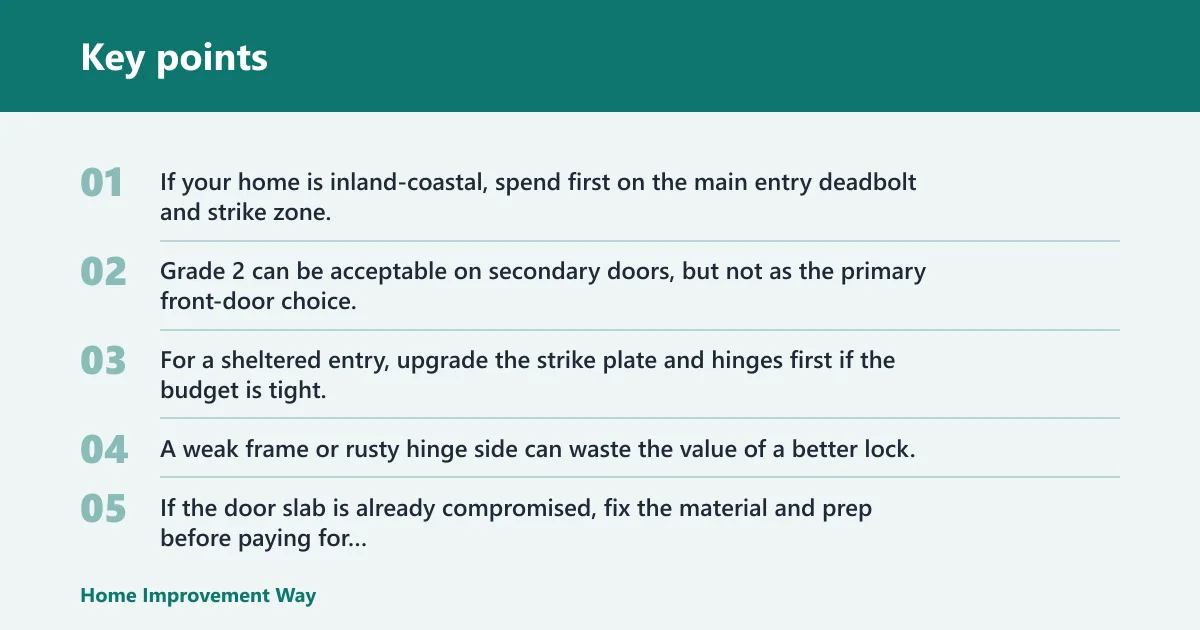
If your home is inland-coastal, spend first on the main entry deadbolt and strike zone, then move to stainless or quality powder-coated exterior trim. Grade 2 can be acceptable on secondary doors, but not as the primary front-door choice.
For a sheltered entry, upgrade the strike plate and hinges first if the budget is tight. A weak frame or rusty hinge side can waste the value of a better lock.
If the door slab is already compromised, fix the material and prep before paying for premium hardware. A warped or poorly sealed door can turn even good hardware into a short-lived fix.
A common first-timer mistake is buying a decorative finish before checking the frame. On a 36-inch front door with a loose jamb, the smartest first dollar often goes to the strike plate and screws, not the prettiest deadbolt.
Say your garage entry is sheltered but the lock side screw heads are orange and the latch drags. That is a sign to replace the strike area and check the deadbolt alignment before spending on a full smart lock.
How often should coastal door hardware be inspected or replaced?
Inspect coastal door hardware at least twice a year, and more often if the door faces wind, spray, or heavy humidity. Check for pitting, binding, screw corrosion, loose hinge pins, and finish failure around edges and fasteners.
Replace hardware when rust has moved past surface discoloration and into pitting, when the latch or deadbolt binds after lubrication, or when screw heads are too corroded to hold tension. If hinge pins fail or the lock body sticks repeatedly, repair stops making sense.
Spring, latch, cylinder, and hinge pin issues are the most common replacement triggers near the ocean. The finish usually fails first, but the moving parts are often next.
Frequently asked questions
What door security hardware is best for a coastal home?
The best coastal stack is marine-grade stainless steel hardware, a Grade 1 deadbolt on the main entry, a reinforced strike plate with long screws into the stud, and non-removable pin hinges. That combination protects against salt air first and forced entry second, which is the right order near the ocean.
Should I replace my deadbolt or just upgrade the strike plate?
Upgrade the strike plate first if the deadbolt still turns smoothly and the frame is the weak point. Replace the deadbolt if the cylinder sticks, the bolt throw feels rough, or the body shows corrosion. If both parts are worn, replacing both is the better call.
Is marine-grade stainless steel worth it for exterior doors?
Yes, especially for waterfront properties and exposed entry hardware. The best choice for waterfront properties is marine-grade stainless steel hardware, because it resists corrosion better than plated or painted parts. It is especially worthwhile for hinges, handles, and other exposed trim that fail early in salt air.
What ANSI grade deadbolt should I use on a front door?
Use a Grade 1 deadbolt on the primary front door. Grade 1 is the highest ANSI security grade for residential and commercial deadbolts, and it has a one-inch bolt throw. Grade 2 is fine for secondary doors, but it is not the top choice for the main entry.
Sponsored / affiliate links. As an Amazon Associate I earn from qualifying purchases. I may earn additional commission from eligible campaigns.
 Finsbury Hardware Black Heavy Duty Door Hinge Matte Black Ball Bearing 4x4 Inch Heavy Duty - Set of 6 Solid Brass Matte Black Door Hinges (Flat Black)
 5 Inch Stainless Steel Door Hinges, Heavy Duty Commercial Door Hinges Ball Bearing Hinges for Exterior & Interior Doors, 5" (127mm) x 5" (127mm) Door Hinge with Square Corners, 4 Pack - Black