3 Best Door Security Kits for Wood Entries (2026): Research Shows
For a solid wood entry door, a Grade 1 deadbolt is a common starting point, along with a reinforced strike box, about 3-inch or longer screws into framing, and a metal door reinforcer. Add a wide-throw deadbolt for weak lock areas, or a full door reinforcer for higher-risk entries. Skipping reinforcement can leave even a good lock exposed to kick-in, splitting, or latch failure. This guide gives you a wood-door-specific shortlist matched to risk level, door thickness, trim limits, and install difficulty.
Quick comparison
| Product | Badge | Best for | Price | ||
|---|---|---|---|---|---|
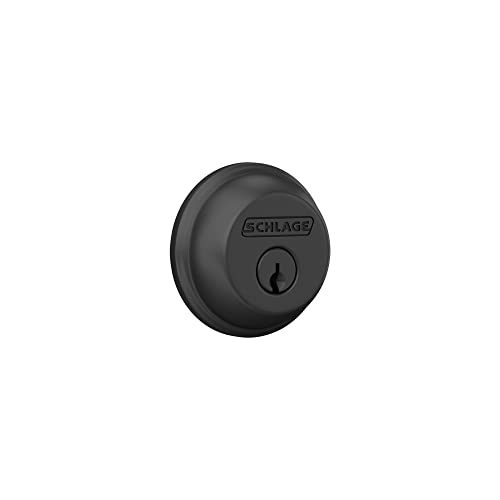 |
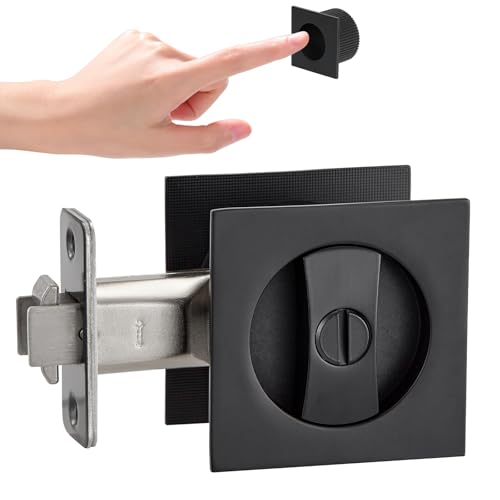
Schlage B60 N 622 Deadbolt, Keyed 1 Side, HighestSCHLAGE | Our pick | Grade 1 · AAA · Matte Black | $35.07
Price as of 18 Oct 2026
|
View |
 |
Door Armor MAX 5 Piece Door Reinforcement Kit, Anti Kick inArmor Concepts | Upgrade pick | 5-piece · 18-gauge steel · Aged Bronze | $99.00
Price as of 18 Oct 2026
|
View |
 |
Reinforced Door Screw Kit for Strike Plates, DeadboltReinforced Door Store | Budget pick | 3-inch · 16 screws · Square bit | $9.98
Price as of 18 Oct 2026
|
View |
The right choice depends on where the door can fail first: the bolt, the strike, the frame, or the door edge. Solid wood often needs more than one layer of hardware, especially on exterior entries that move with the seasons.
This comparison keeps the focus on fit, not marketing language. A stronger lock on the wrong prep can still underperform.
How we chose
We compared the options using four checks: ANSI/BHMA grade, fit with solid wood construction, installation difficulty, and the failure point each upgrade addresses first. That matters because Master Doors notes that solid wood doors can be compromised by inadequate hardware, and their guidance calls out ANSI-certified options for better protection.
We also separated residential and heavy-use entries. A suburban front door, a rental, and a multi-family wood entry do not need the same stack.
Schlage B60 N 622 deadbolt: best for most homes
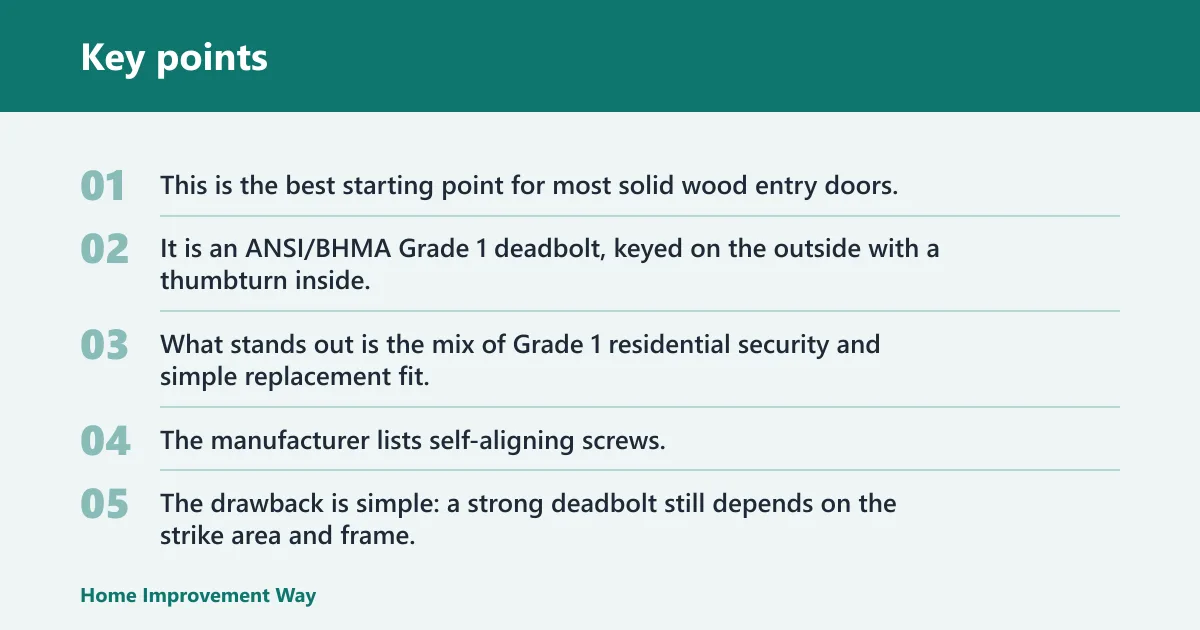
This is the best starting point for most solid wood entry doors. It is an ANSI/BHMA Grade 1 deadbolt, keyed on the outside with a thumbturn inside, so it fits the most common residential use case without forcing you into commercial mortise prep.
What stands out is the mix of Grade 1 residential security and simple replacement fit. The manufacturer lists self-aligning screws, which can help during installation when the existing door prep is close but not perfect.
The drawback is simple: a strong deadbolt still depends on the strike area and frame. If the jamb is soft, the strike is short, or the screws bite only into trim, the lock itself is doing more work than it should.
Why it ranks first
For many solid wood front doors, a Grade 1 deadbolt gives the best mix of security, cost, and installation practicality. Competitor guides often stop at “buy a deadbolt,” but the better advice is to pair the deadbolt with a reinforced strike plate and long screws so the frame can resist force as well as the bolt.
Compatibility checks before you buy
Check door thickness, backset, bore size, and edge clearance before ordering. Solid wood stile-and-rail doors, thick custom slabs, and decorative entry doors can need nonstandard prep or trim relief around the cylinder, trim ring, or thumbturn.
Also check seasonal movement. Wood can expand and contract, and a deadbolt that feels fine in one season may drag or misalign in another if the latch prep is tight.
When it is not enough on its own
A deadbolt alone is not the right answer for a door with a loose jamb, damaged strike area, or obvious frame split around the latch. It also may not be enough for a higher-risk front exposure where you want added resistance at the frame and hinges.
Door Armor MAX 5 Piece Door Reinforcement Kit: best for frame reinforcement
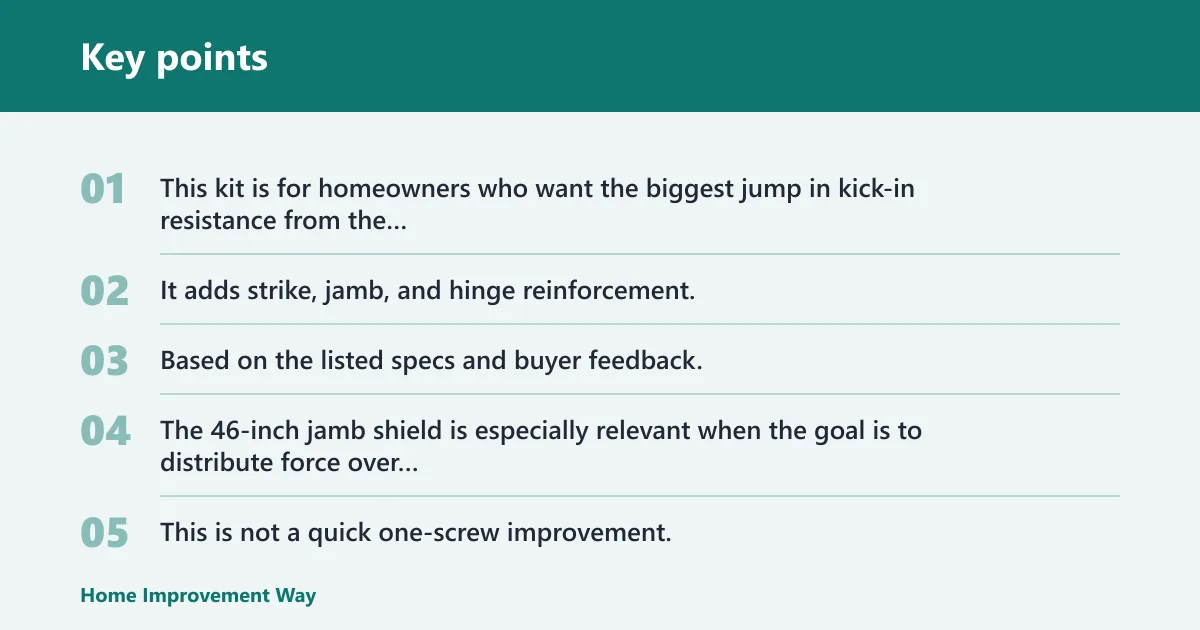
This kit is for homeowners who want the biggest jump in kick-in resistance from the frame side. It adds strike, jamb, and hinge reinforcement, which matters because the failure point on many wood doors is the surrounding structure, not the bolt itself.
Based on the listed specs and buyer feedback, it is a stronger whole-door upgrade than a simple strike plate swap. The 46-inch jamb shield is especially relevant when the goal is to distribute force over more of the frame.
The drawback is installation complexity. This is not a quick one-screw improvement, and it can be harder to fit neatly on older wood trim, painted jambs, or decorative casing.
Why mortise-style reinforcement matters here
On a solid wood door, the strike area can split before a quality deadbolt fails. Reinforcement hardware shifts the weak point away from the brittle edge of the jamb and into the surrounding framing, which is where the door can better absorb impact.
Prep and installation limits
Before you buy, inspect the jamb depth, hinge screw access, and casing width. If the door has fragile trim or the frame is already repaired, adding longer screws and steel reinforcement may reveal hidden alignment problems that need correction first.
Who should skip it?
Skip a full reinforcement kit only if the door is low risk, the frame is already tight and solid, and you want a lighter upgrade. For an exposed front door, side entry, or rental turnover, the frame package is often the higher-value spend than a cosmetic lock replacement.
Reinforced door screw kit: best first upgrade
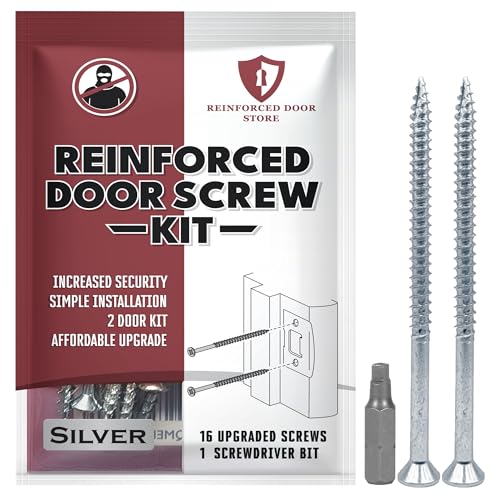
This is the cheapest practical upgrade for many solid wood doors. It replaces short factory screws with 3-inch screws that can reach deeper framing, which directly addresses a common weak point at the strike plate and hinges.
It is useful when the lockset itself is acceptable but the anchoring is weak. The kit includes enough hardware to upgrade two doors, so it can stretch a small security budget farther than a decorative handleset swap.
The drawback is that screws alone do not fix a worn strike opening, split jamb, or poor lock alignment. If the wood around the latch is already damaged, you may need a reinforced strike plate or a full reinforcement kit next.
What it fixes at the frame
Long screws help transfer force into structural framing instead of stopping in trim. That matters on wood doors because the weak point is often the attachment path, not the deadbolt cylinder.
Screw length and framing contact
A common rule of thumb is to choose screws long enough to reach framing members behind the jamb. If the screw only bites thin trim or soft material, the fastener may pull free under a kick load.
What to check on older wood jambs
Check for soft spots, previous patching, and cracked screw holes. Older jambs may need pilot holes or a reinforced plate before the longer screws can do their job cleanly.
Which one should you buy?
Buy the Schlage deadbolt if you want the best single lock upgrade for a typical solid wood front door and your frame is still sound. Buy the reinforcement kit first if the jamb or strike area looks weak, because that is often where the door gives way.
If you have a heavy-use entry, a multi-user property, or a door that already uses mortise prep, the Door Armor kit or a mortise solution makes more sense than a basic residential swap. For the lowest budget, start with the 3-inch screw kit and move up from there.
Say your front door is a solid wood slab in a suburban home, but the latch side shows paint cracking around the strike. The screw kit plus a reinforced strike plate usually delivers more real resistance than buying a fancier lever set.
Suppose your entry is a custom wood door 2-1/4 inches thick with decorative trim close to the bore. In that case, compatibility checks matter more than brand name, because backset, edge clearance, and trim interference can rule out some standard locks before security even enters the discussion.
Frequently asked questions
What is the best security hardware for a solid wood entry door?
The best all-around setup is an ANSI/BHMA Grade 1 deadbolt paired with a reinforced strike plate and 3-inch or longer screws into framing. For a higher-risk door, add a door reinforcer or a full frame reinforcement kit so the strike area, not just the lock cylinder, resists forced entry.
Should I use a deadbolt or a mortise lock on a solid wood front door?
Use a deadbolt for most homes. Choose a mortise lock when the door is heavy-use, already mortised, or serving a higher-security entry where the hardware can combine deadbolt, latch, and auxiliary deadlatch functions. Mortise prep is deeper and more exact, so fit matters more.
Do I need a reinforced strike plate for a wood entry door?
Yes, in most cases. A reinforced strike plate is one of the best first upgrades because the frame often fails before the lock does. Heavy-gauge metal and 3-inch screw anchoring help tie the strike into the framing, which is the part that should absorb force.
What lock grade should a secure front door have?
Grade 1 is the standard to aim for on a secure front door. ANSI/BHMA grade matters more than appearance because it gives you a security standard tied to the lock, not just the finish. Competitor pages often recommend Grade 1 for good reason on residential entries.
Which hardware is best for a solid wood door that expands and contracts?
Choose hardware with enough fit tolerance and check alignment carefully during installation. Wood movement can change bolt engagement and latch fit through the seasons, so a reinforced strike, proper backset, and a deadbolt with clean throw are important. If the door moves a lot, avoid overly tight prep.
What security upgrades make the biggest difference on an existing wood door?
The biggest gains usually come from reinforcing the strike area, then upgrading the deadbolt, then replacing short screws with 3-inch screws into framing. On inward-swinging doors, a door security bar adds another layer. On double wood doors, flush bolts can secure the inactive leaf.
Are mortise locks better than cylindrical locks for wood doors?
Mortise locks can be better on heavy-use or higher-security wood entries because they fit a deeper, stronger body and can combine multiple locking functions. Cylindrical locks are simpler and easier to retrofit. On a standard home front door, a Grade 1 deadbolt plus reinforcement is often the better value.
What should I check before buying security hardware for a wood entry door?
Check door thickness, backset, bore size, mortise depth if applicable, edge clearance, and trim interference. Also confirm whether the door swings inward or outward, whether the entry is single or double, and whether the environment calls for corrosion-resistant finishes in humid or coastal conditions.
Quick comparison
The comparison below should help you match the hardware to the door, not the other way around. Solid wood construction changes the decision because seasonal movement, deeper prep, and frame strength all matter.
Use the upgrade matrix to start with the weakest failure point first. That approach usually gives you the best security gain per dollar.
| Door construction | Risk level | Recommended hardware stack | Compatibility checks | Install complexity | Weakest failure point fixed |
|---|---|---|---|---|---|
| Standard solid wood single entry door | Low to moderate | Grade 1 deadbolt + reinforced strike plate + 3-inch screws | Backset, bore size, latch alignment, interior thumbturn clearance | Moderate | Strike and frame pullout |
| Solid-core stile-and-rail front door | Moderate | Grade 1 deadbolt + frame reinforcement kit | Stile width, edge thickness, trim clearance, seasonal movement | Moderate to high | Jamb splitting and hinge-side weakness |
| Thick custom wood slab door | Moderate to high | Grade 1 deadbolt or mortise lock + reinforced strike | Door thickness, backset, bore depth, trim interference | High | Undersized prep and misaligned hardware |
| Heavy-use entry or multi-family wood door | High | Commercial mortise lock + reinforced strike + key control | Mortise depth, edge clearance, code and egress requirements | High | Wear, key control, repeated latch failure |
| Inward-swinging exterior wood door | Moderate to high | Deadbolt + reinforced strike + door security bar | Floor clearance, bar length, inside operating space | Low to moderate | Forced entry through the door leaf |
| Double wood doors or French doors | Moderate to high | Primary lock + flush bolts on inactive leaf + reinforced strike | Top and bottom rail thickness, inactive leaf depth, astragal fit | High | Inactive leaf movement |
How to choose

Start with the door type. A slab, a stile-and-rail door, a prehung entry, and a double door each fail in different places, so the hardware stack should match the structure.
Next, match the risk level. A suburban front entry usually needs a Grade 1 deadbolt and frame reinforcement. A rental or multi-user property needs key control and better durability. A higher-risk front exposure may justify a mortise lock or full reinforcement kit.
Then check the fit details. Confirm thickness, backset, bore size, mortise depth, and edge clearance before buying anything. This is where many expensive upgrades go wrong on solid wood doors.
Finally, consider the environment. Exterior wood doors in humid or coastal areas should use corrosion-resistant finishes so the hardware does not degrade before the door does.
Best by budget
For the lowest budget, start with longer screws and a reinforced strike plate. For a midrange upgrade, choose the Grade 1 deadbolt. For the highest whole-door protection, add the frame reinforcement kit.
Best by installation comfort
If you want the simplest swap, choose the deadbolt. If you are comfortable with more prep and want to address weak framing, the reinforcement kit gives better coverage. Mortise hardware should be reserved for doors that already fit that format or justify the extra work.
Best by door type
Single wood entry doors usually do best with a Grade 1 deadbolt and reinforced strike. Double wood doors need flush bolts on the inactive leaf. Inward-swinging doors benefit from a security bar as a secondary layer.
Best by property use
For homes and small offices, Grade 1 deadbolt hardware is the cleanest fit. For high-traffic entries, a commercial mortise lock makes more sense because it handles heavier use and can combine multiple locking functions. For multi-user properties, add a restricted keyway if key duplication needs tighter control.
Best by the weakest point
If the frame is weak, fix the strike and jamb first. If the lock body is worn or underbuilt, upgrade the deadbolt or mortise lock. If the door is a double set, secure the inactive leaf before spending more on the active side.
Sponsored / affiliate links. As an Amazon Associate I earn from qualifying purchases. I may earn additional commission from eligible campaigns.