Best Basement Door Hardware: Based on Specs and Reviews
For basement doors, choose hardware by door type first: solid wood or steel doors get a keyed exterior deadbolt plus strike reinforcement, while double doors or outward-swinging doors need a flush bolt or surface bolt plus a reinforced latch. Weak hardware can pry open, rattle loose, and corrode in damp conditions. This guide compares the best security hardware by door swing, frame strength, and damp basement conditions.
Quick comparison
| Product | Badge | Best for | Price | ||
|---|---|---|---|---|---|
 |
Inbar Hardware Heavy-Duty deadbolt that can accommodate AnyInbar Hardware | Our pick | Matt Black · Up to 2 5/8 in · Heavy-Duty | $29.95
Price as of 23 Oct 2026
|
View |
 |
38 Inch Stainless Steel Interior Door Security Bar FitsKOMOHOM | Also great | Stainless Steel · Fits 32-35 Inch Doors · 38 Inch Bar | $39.99
Price as of 23 Oct 2026
|
View |
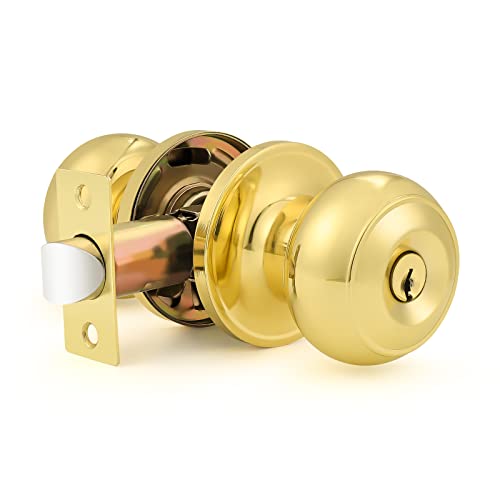 |
Probrico 1 Pack Entrance Door Knobs Door Lock Keyed NotProbrico | Budget pick | Polished Brass · Stainless Steel · Keyed Entrance | $13.49
Price as of 23 Oct 2026
|
View |
 |
Heavy Duty Solid Slide Bolt Latch 3" Surface Mount SlidingYuanan | Upgrade pick | Solid Brass · 3 Inch · Surface Mount | $8.99
Price as of 23 Oct 2026
|
View |
This section is the fast scan. Use it to match the door to the hardware before you compare brands or features.
The right answer changes with swing direction, slab thickness, and whether the basement entry is also an emergency exit.
How we chose
The comparison is based on four filters: door type and swing direction, frame and jamb strength, corrosion resistance in damp spaces, and whether the hardware still allows safe exit when the basement door is part of an escape route.
For product claims, only published specifications and listed features were used. That matters here because a strong lock body can still fail on a weak jamb.
Decision rules
- Start with the door itself. Exterior basement entries need stronger hardware than interior basement room doors.
- Match the lock to the swing. Inward-swinging doors and outswinging doors do not use the same security layers.
- Check the frame next. A thin strike zone can fail before the lock does.
- Choose materials that hold up in humidity if the basement is damp or unconditioned.
- Keep egress in mind. If this door is an exit path, avoid hardware that traps people inside.
Basement door decision matrix
| Door scenario | Recommended hardware | Compatibility checks | Failure points | Install difficulty |
|---|---|---|---|---|
| Exterior hinged basement door | Single-cylinder deadbolt, reinforced strike plate, long screws | Door thickness, backset, bore size, swing direction | Weak jamb, short screws, warped slab, rust on exterior parts | Moderate |
| Inward-swinging basement door | Door reinforcement lock or security bar, plus a deadbolt if the layout allows | Clear floor space, latch position, whether the door is an exit route | Loose frame, poor floor contact, hardware that blocks emergency exit | Low to moderate |
| Thin or older door | Deadbolt only if thickness and backset fit; otherwise reinforce the slab and strike first | Door thickness range, edge condition, bore alignment | Split edge, stripped screw holes, misaligned latch, hollow or weak core | Moderate to high |
| Damp basement | Corrosion-resistant deadbolt or latch hardware, stainless components, routine maintenance | Finish type, condensation exposure, fastener corrosion, seal condition | Rust, seized latch, pitted screws, swollen wood around the frame | Moderate |
Deadbolt: best for exterior basement doors
A keyed exterior deadbolt is the baseline choice for many basement entries because it gives direct, mechanical control from outside and is harder to defeat than a builder-grade spring latch. For a basement door that opens to grade, this is usually the first upgrade to make, provided the thickness and backset fit.
Single-cylinder use and keyed exterior operation
Use a single-cylinder deadbolt when you want a keyed exterior side and a thumbturn inside. That is the common basement setup for a door that must still open quickly from inside.
Do not confuse this with a separate category of lock. Single-cylinder describes the operating style of the deadbolt, not a different lock class.
BHMA and ANSI grade checks
For basement use, Grade 1 is the stronger target, Grade 2 is a practical middle ground, and Grade 3 is the lightest tier you should consider only for low-risk interior doors. A higher grade does not make a lock immune to attack, but it does point to better durability and performance expectations than a basic builder-grade lock.
Only one product in this list is explicitly identified as a deadbolt with a fit range: the Inbar Hardware deadbolt is listed for doors up to about 2 5/8 inches thick. That makes thickness checking important before you order anything else.
What to inspect on the door edge and bore
Check three measurements before buying: door thickness, backset, and existing bore size. Kwikset’s 97800-225 is described as fitting backsets from 2-3/8 to 2-3/4 inches, which is the kind of range you want to verify against your slab before you buy.
If the door edge is split or the strike side is soft, the deadbolt alone will not solve the problem. The jamb and the strike area need enough wood or metal to hold the screws.
Inbar Hardware Heavy-Duty deadbolt: best for thicker doors
This is the best fit in the list for a basement door that needs a plain deadbolt and has more thickness than a standard residential slab. The listed accommodation up to 2 5/8 inches is useful for thicker basement doors and commercial-style slabs.
Its drawback is that the listing does not give a BHMA or ANSI grade, so you are choosing on fit and construction claims rather than on a clearly stated grade. It also still depends on a sound jamb and a properly sized bore.
Door reinforcement lock: best for inward-swinging doors
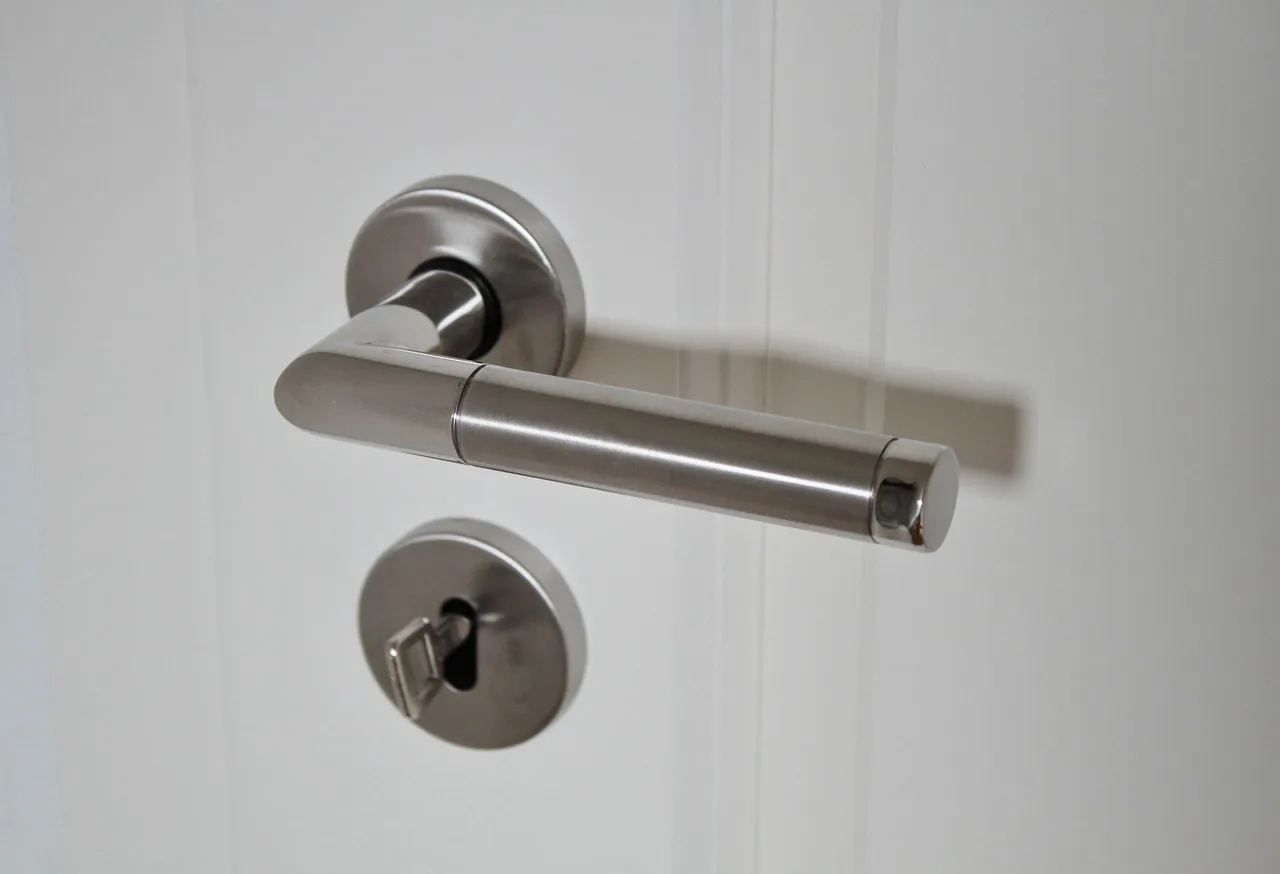
A door reinforcement lock is the better fit when the basement door swings inward and the concern is forced entry through the latch side. These locks add resistance at the door edge and can be far stronger than a weak latch alone, but they are not always a replacement for a deadbolt.
How force resistance works
Some reinforcement locks are listed with force ratings around 800 lbs. CRANACH’s reinforcement door lock is described as resisting up to 800 lbs of force, and AceMining’s door reinforcement lock is described as having an 800-pound force rating.
That kind of claim is useful, but only if the door, frame, and mounting points can carry the load. If the jamb is soft or the screws are short, the force transfers into the weakest part of the assembly.
Why screw count and footprint matter
Screw count matters because more fasteners can spread load across more material. EverPlus is described as using a 3-inch stop and includes eight screws for mounting, which signals a larger contact footprint than a tiny latch add-on.
That larger footprint can help, but only when the surrounding wood or metal is sound. On a rotten jamb, even a well-built reinforcement lock can tear out.
When it should supplement, not replace, a deadbolt
Use a reinforcement lock as a supplement when the door still needs normal daily access and you want a stronger latch-side hold. On an exterior basement door, a deadbolt plus reinforcement at the strike side is often stronger than either part alone.
For an inward-swinging basement door, the priority may be the reinforcement lock first, then a deadbolt only if the layout and egress needs still work.
KOMOHOM 38 Inch stainless steel security bar: best for temporary blocking
This is the simplest no-drill option for an inward-swinging basement door that needs a fast barrier. Its adjustable range is listed for 32-35 inch doors, and the bar itself is 38 inches long, with stainless steel construction for better moisture resistance in damp areas.
The drawback is obvious: a security bar is a temporary barrier, not a permanent lock. It also needs floor clearance and a door layout that lets the bar transfer force into the floor without slipping.
Security bar: best temporary option
A security bar works well when you want no-drill installation, a short setup time, or a removable layer for travel or a rental. It is especially useful where the jamb is not strong enough for a more aggressive lock upgrade right away.
No-drill setup and adjustable length
HANGMAICOME’s security bar is listed as adjustable from 21 to 52 inches, which shows why these bars fit many door widths and some sliding or hinged layouts. The KOMOHOM bar is sized for 32-35 inch doors, so the usable range matters a lot.
If the bar is too short or the feet do not sit flat, it can slip under load. That is why fit is not a small detail here.
How it transfers force to the floor
A security bar works by pushing force into the floor, not into a strike plate. That is useful when the frame is weak, because it bypasses the jamb’s worst failure point.
It is a poor match for a door that needs to swing freely for emergency exit. If that basement door is a required escape route, keep the bar removable and easy to clear.
Probrico keyed entry knob: best budget backup
This is a low-cost keyed entry option for a basement door where you need a basic mechanical lock and the door already fits standard backset hardware. The listing says it is conformed with ANSI Grade 3 standards and includes three keys and mounting hardware.
The drawback is that Grade 3 is the lightest tier in this comparison. It is a budget choice, not the one to pick when kick resistance is the main problem.
Keyless keypad lock: best for convenience
A keypad lock is best when multiple people need access and you want to avoid shared keys. It can be a strong convenience upgrade for a basement entry, but it does not remove the need to check door fit, exit safety, and battery backup.
TEEHO’s TE001 supports 20 codes and one-time codes with auto-lock, which makes it practical for guests, contractors, or family access without handing out keys. That is useful when the basement is used often and access changes over time.
Yamiry’s keypad smart lock adds fingerprints, key fobs, and app control, which broadens access options. The tradeoff is more electronics, more setup, and more points that depend on power.
Auto-lock and battery dependency
Auto-lock is handy for basement doors that get left open by accident. It also helps if the door is part of a route that should not stay unlatched.
Battery dependence is the drawback. A dead battery, a sensor issue, or a bad install can leave you relying on a backup key or a mechanical override.
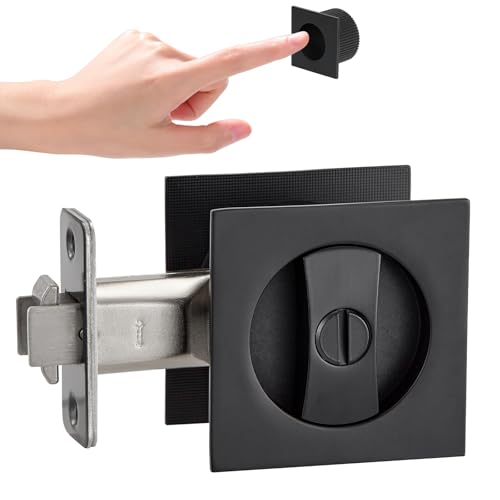
Yuanan heavy duty slide bolt latch: best simple add-on
This surface-mount slide bolt is a straightforward add-on for a secondary barrier on a basement door, gate, or sliding setup. The listing says it is 3 inches long and made of solid brass, with universal and mortise strike plates included.
The drawback is that a slide bolt is not a full replacement for a main deadbolt on an exterior entry. It is best treated as a supplementary lock, especially where prying is the concern.
How do you choose by basement door type?
Choose by the door construction first, then by humidity and exit needs. Steel, wood, and hollow-core doors accept hardware differently, and the wrong match can leave you with a lock that looks solid but fails at the edge or frame.
Steel, wood, and hollow-core doors
Steel basement doors usually hold hardware well if the bore and strike area are sound. Wood doors can also work well, but soft or warped wood needs reinforcement around the latch and strike.
Hollow-core doors are the least forgiving. They often need more reinforcement than a simple lock swap can provide.
Door thickness and backset checks
Amazon Basics’ exterior door knob is described as fitting doors 1-3/8 to 1-3/4 inches thick, which is a common residential thickness range for standard hardware. If your basement slab is thicker, you need hardware that explicitly lists a wider fit range.
That is why door thickness comes before brand preference. A good lock in the wrong size is still the wrong lock.
Humidity, rust, and finish choice
For damp basements, look for stainless steel or other corrosion-resistant components first. A brass-plated part may look durable, but plating alone is not proof that the fasteners, springs, or internal parts will resist corrosion.
The better signs are stainless steel hardware, sealed or coated fasteners, and a maintenance plan that includes checking screws and lubricating moving parts after periods of moisture.
What to do when the frame is the weak point
If the jamb flexes, the strike plate area is soft, or screws pull out easily, your first upgrade should be reinforcement at the frame side. Longer screws into sound framing can matter as much as the lock body.
That is the real bottleneck on many kicked-in basement doors. A strong deadbolt can still fail when the frame gives way.
How basement doors differ from front doors
Basement doors often face moisture, uneven framing, and less visibility than the front entry. They also may serve different jobs: a main exterior entry, a utility access door, or an interior room door leading to storage or mechanical space.
Do not secure them the same way by default. An interior basement room door may only need a simple latch upgrade, while a rear exterior entry may need a deadbolt, strike reinforcement, and perhaps a secondary barrier.
How to secure basement windows and nearby openings
Locking the door is only part of the job. If the basement has windows, window wells, or a separate side access point, those openings need attention too so you do not create the easiest path on the opposite side of the house.
For window security, use locks or latches that suit the window type, keep wells clear of climb aids, and add physical barriers where code allows. A secured door with open basement windows is still a weak setup.
Common setup examples
Say your basement entry is a steel door with a solid frame and a standard bore. A keyed deadbolt with a reinforced strike plate is the right first move, because the door can hold the hardware and the frame can accept the load.
Suppose the basement door swings inward and the jamb is old but still usable. A reinforcement lock or security bar may stop forced entry better than a weak latch, while a full deadbolt upgrade waits for a frame repair.
Which one should you buy?
If you want the simplest answer, buy the hardware that matches the failure mode. For most exterior basement doors, that means a deadbolt plus strike reinforcement; for inward-swinging doors, a reinforcement lock or bar; for damp spaces, corrosion-resistant parts first.
Choose the Inbar deadbolt if your door is thicker than standard hardware usually covers and you want a straightforward keyed solution. Choose a security bar if you need a no-drill temporary barrier. Choose the Probrico knob only as a budget step-up, not as the main defense for a risky entry. Choose the Yuanan slide bolt as a secondary lock, not a primary one.
If the basement door is used as an escape route, keep whatever you add easy to open from the inside without a key. That rule matters more than any product label.
Frequently asked questions
What is the best security hardware for a basement door?
For most exterior basement doors, the best baseline is a keyed exterior deadbolt with strike reinforcement and long screws into sound framing. If the door swings inward or the jamb is weak, add a reinforcement lock or security bar that matches the layout and still allows safe exit.
Should I use a deadbolt, reinforcement lock, or smart lock on a basement door?
Use a deadbolt when you want the simplest strong mechanical option. Use a reinforcement lock when the door swings inward or the latch side needs more force resistance. Use a smart or keypad lock when shared access and auto-lock matter, but do not skip the frame and strike checks.
How do I secure a basement door in a humid area?
Choose stainless steel or other corrosion-resistant hardware, then inspect screws, springs, and the strike area on a regular schedule. Humidity can seize moving parts and swell wood, so the best setup is one that resists rust and still closes cleanly after damp weather.
Can I add security to a basement door without replacing the lock?
Yes. A reinforced strike plate, longer screws, a slide bolt, or a security bar can all add protection without changing the main lock. That is often the right move when the frame is weak, the lock still works, and you need a fast upgrade.
What hardware helps stop a basement door from being kicked in?
The real help comes from frame-side reinforcement: a strong strike plate, longer screws into solid framing, and a lock that resists forced entry. A reinforcement lock can help on inward-swinging doors, but a weak jamb will still fail if it is not strengthened.
How do I know if my basement door frame is strong enough for better hardware?
Check for soft wood, visible splitting, loose screws, and movement around the strike area when the door closes. If the frame flexes or the screws bite into damaged material, reinforce the jamb before you rely on a stronger lock body.
Sponsored / affiliate links. As an Amazon Associate I earn from qualifying purchases. I may earn additional commission from eligible campaigns.