How to Fix a Squeaky Door Hinge (Tighten, Lubricate, or Replace)
Tightening loose screws and lubricating the hinge pin fixes most squeaky door hinges in under 10 minutes — but if the hinge itself is bent or rusted through, lubrication only masks the noise temporarily.
Using the wrong lubricant, like cooking oil, can attract dust and grime that makes the squeak worse within weeks. This guide covers tightening, lubricating, cleaning hinge pins, household alternatives if you’re out of WD-40, and when to replace the hinge instead.
Why Do Door Hinges Squeak?
Hinges squeak when metal parts rub together. This happens if they’re dry, dirty, or rusty. Over time, opening and closing doors wears out the grease. Dust and grime can also build up, making noise worse. A squeaky door isn’t just annoying—it might signal a loose hinge or a misaligned door. Fixing it early keeps your hinges in good shape.
Tools and Materials You’ll Need
You don’t need fancy tools to fix a squeaky door. Most items are already at home! Here’s what you’ll need:
- Screwdriver: To tighten loose screws.
- Hammer and nail: To remove hinge pins.
- Lubricant: Like WD-40, olive oil, or petroleum jelly.
- Clean cloth: To wipe away dirt or excess grease.
- Steel wool: For cleaning rusty pins.
Table 1: Common Tools for Fixing Squeaky Hinges
| Tool | Purpose | Where to Find |
|---|---|---|
| Screwdriver | Tighten screws | Toolbox or store |
| Hammer & Nail | Remove hinge pins | Toolbox or hardware |
| Steel Wool | Clean rust | Kitchen or hardware |
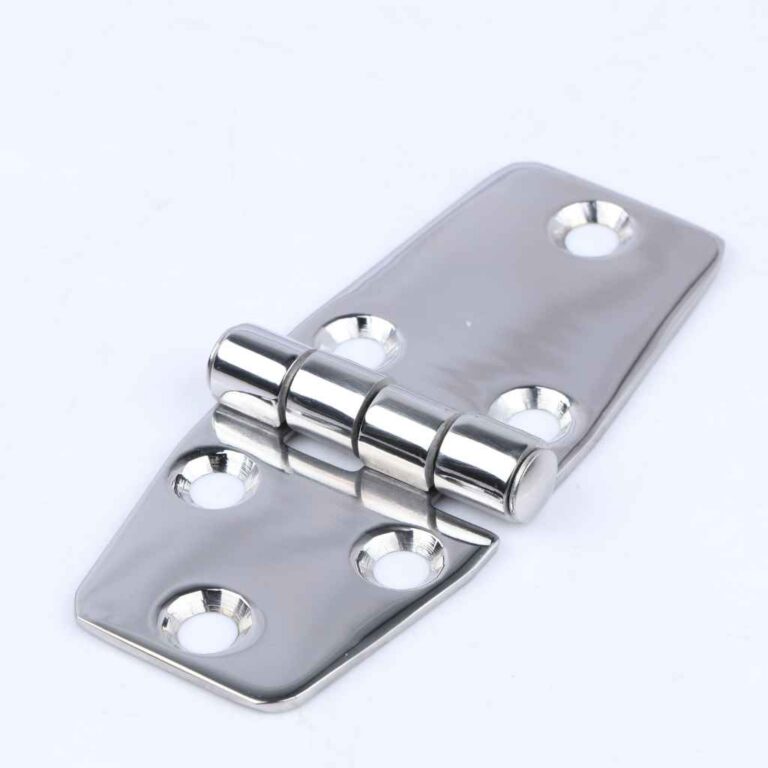
Visual Idea: A simple diagram of a door hinge, showing the pin and plates, would help beginners understand the parts.
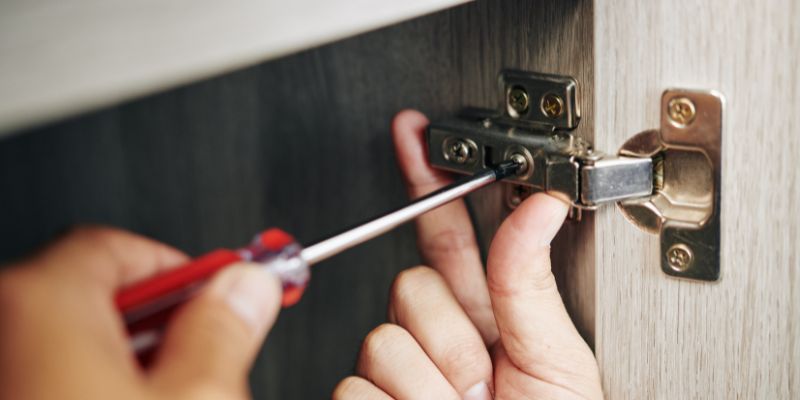
How to Stop Squeaking Door Hinges: Easy Methods
Let’s dive into three simple ways to fix squeaky hinges. I’ve tried these myself, and they work great! Follow these steps carefully for a quiet door.
Best Squeaky Hinge Fix Pick
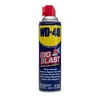
WD-40 Original Formula Multi-Use Product, 18 OZ
The most common quick fix for a squeaky hinge — a few seconds of spray usually silences it instantly.
- Best for: a fast, temporary fix on any squeaky hinge
- Why we picked it: displaces moisture and loosens light rust, not just lubricates
- Main drawback: attracts dust over time, needs reapplying every few months
Compare more hinge fix and replacement options
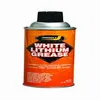 Longer-Lasting Lube Johnsen’s White Lithium Grease
|
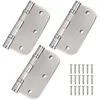 Replacement Hinges Stainless Steel Ball Bearing Door Hinges 3.5-inch
|
 Household Oil Option 3-IN-ONE Multi-Purpose Oil
|
As an Amazon Associate we earn from qualifying purchases.
Method 1: Tighten Loose Screws
Sometimes, squeaks come from loose hinges. Grab a screwdriver and check each screw.
- Open the door to see the hinges clearly.
- Tighten any loose screws by turning them clockwise.
- If a screw won’t tighten, add a toothpick with glue to the hole, then reinsert the screw.
This method is quick and might solve the problem instantly. I fixed my front door this way!
Method 2: Lubricate the Hinges
Lubricating hinges is the most common fix. It reduces friction and stops squeaks. Here’s how:
- Place a cloth under the hinge to catch drips.
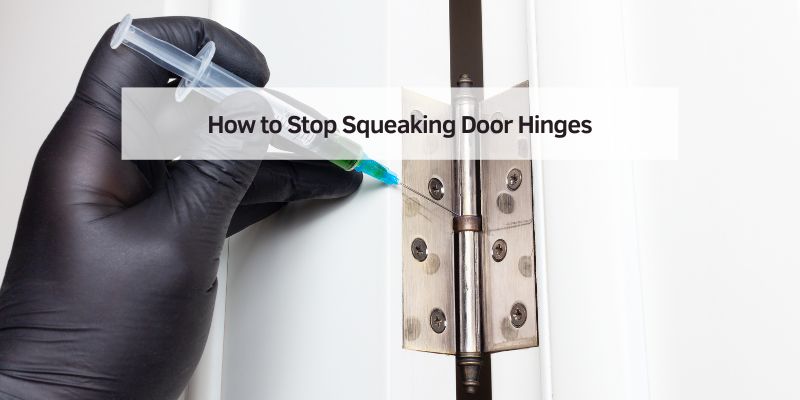
- Spray WD-40 or dab olive oil on the hinge pin.
- Move the door back and forth to spread the lubricant.
- Wipe away excess with a clean cloth.
I used olive oil from my kitchen once, and it worked for months! Be careful not to overdo it—too much oil attracts dust.
Table 2: Lubricant Options for Squeaky Hinges
| Lubricant | Pros | Cons | Cost |
|---|---|---|---|
| WD-40 | Easy to apply, effective | May dry out, attracts dust | $5-$10 |
| Olive Oil | Cheap, readily available | Can get messy | Free-$3 |
| Petroleum Jelly | Long-lasting, less mess | Harder to apply | $2-$5 |
Visual Idea: A photo showing how to apply lubricant with a straw attachment would make this step clearer.
Method 3: Clean and Lubricate Hinge Pins
If lubrication doesn’t last, clean the hinge pins. This takes a bit more effort but works for stubborn squeaks.
- Tap the hinge pin up with a hammer and nail.
- Pull the pin out with pliers (work one hinge at a time).
- Scrub the pin with steel wool to remove rust or dirt.
- Coat the pin with petroleum jelly or white lithium grease.
- Slide the pin back in and tap it gently.
- Open and close the door to test.
I tried this on my old garage door, and it’s been quiet for over a yearApplying white lithium grease to a hinge pin to stop squeaking
Table 3: Steps to Clean Hinge Pins
| Step | Time Needed | Difficulty |
|---|---|---|
| Remove Pin | 2-3 minutes | Easy |
| Clean Pin | 3-5 minutes | Medium |
| Lubricate & Reinstall | 2-3 minutes | Easy |
Visual Idea: A step-by-step infographic of removing and cleaning a hinge pin would be great for beginners.
Household Alternatives to Try
No WD-40? No problem! You can use items from your home.
- Bar Soap: Rub it on the hinge for a quick fix. Avoid glycerin soap—it can cause rust.
- Hairspray: Spray it on the hinge to reduce friction temporarily.
-
Paraffin Wax: Rub a candle on the hinge pin for a clean solution.
I once used bar soap on a bathroom door, and it stayed quiet for weeks! These options are cheap and easy.
Pros and Cons of Different Solutions
Each method has benefits and drawbacks. Here’s a quick comparison:
- WD-40: Fast and effective but may need reapplying. It can attract dust over time.
- Household Items: Free and convenient but less durable. They’re great for quick fixes.
-
Cleaning Pins: Long-lasting but takes more time. Perfect for old or rusty hinges.
Choose based on your needs. For a quick fix, try olive oil. For a permanent solution, clean the pins.
Common Mistakes to Avoid
I’ve made these mistakes, so you don’t have to!
- Using Too Much Lubricant: It drips and attracts dirt. Use a small amount.
- Ignoring Loose Screws: Always check screws first. Loose hinges cause squeaks.
- Not Cleaning Hinges: Dirty hinges make lubrication less effective. Wipe them down first.
- Removing All Pins at Once: The door could fall! Work on one hinge at a time.
When to Replace Hinges
If lubrication and cleaning don’t work, your hinges might be damaged. Bent or worn hinges need replacing. Look for rust-resistant hinges, like stainless steel, for long-term quiet. Replacing hinges costs $10-$20 and takes about 30 minutes. I swapped out my kitchen door hinges last year, and it made a huge difference. Check This Old House for hinge replacement guides.
How Do You Replace a Hinge Without Making Noise?
A brand-new hinge can squeak too if it’s installed dry. Add a small dab of white lithium grease to the pin before sliding it into the new hinge, and back out each screw a quarter-turn if it feels tight against the wood — an overtightened screw pulls the hinge leaves together and creates friction even on a fresh hinge.
📊 A standard interior door hinge replacement costs $10-$20 in parts and takes about 30 minutes — This Old House recommends stainless steel or solid brass hinges for the best long-term resistance to the rust that causes squeaking to return. — Source: This Old House, How to Quiet a Squeaky Door
“After lubricating, check your hinges every six months — a quick spray or dab of oil keeps them quiet. I learned this the hard way after my living room door started squeaking again just a few months later.”
Safety Tips for Beginners
Fixing hinges is safe, but be careful:
- Use a cloth to catch drips and avoid slippery floors.
- Don’t force a stuck pin—it could damage the hinge.
- Keep lubricants away from kids and pets.
I always keep a rag handy to avoid a mess. Safety first!
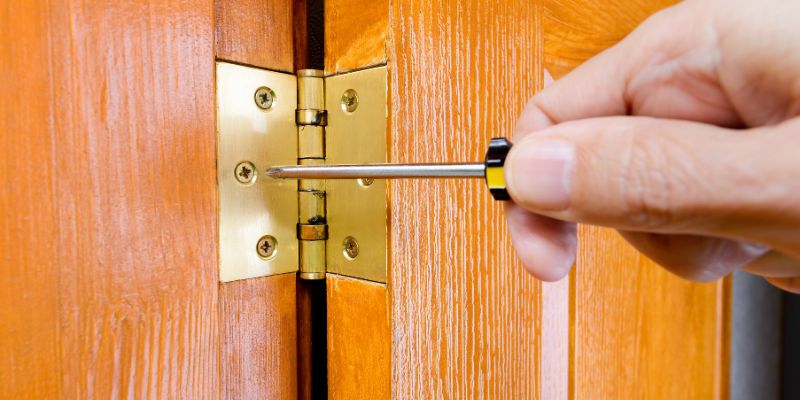
My Top Tip for Long-Lasting Quiet
Here’s my secret: after lubricating, check your hinges every six months. A quick spray or dab of oil keeps them quiet. I learned this after my living room door started squeaking again. Regular care saves time and hassle.
Conclusion
Squeaky door hinges are annoying but easy to fix. You can tighten screws, lubricate hinges, or clean pins with items at home. Try my methods, and your doors will be silent in no time! Share your success in the comments or tell me about your favorite fix. For more DIY tips, visit Family Handyman. Let’s keep our homes quiet and cozy!
Frequently Asked Questions
Why Do My Door Hinges Keep Squeaking?
Hinges squeak due to friction from dry or dirty parts. Regular use wears out lubrication, and dust or rust builds up. Tighten screws or lubricate hinges to fix it. Cleaning pins with steel wool works for stubborn squeaks. Check your door every few months to keep it quiet.
Can I Use Cooking Oil on Hinges?
Yes, cooking oil like olive oil works great! Dab a small amount on the hinge with a cloth or pipette. It’s cheap and easy but can get messy. Wipe excess oil to avoid dust buildup. It’s a quick fix for squeaky hinges.
Is WD-40 the Best Choice for Squeaky Hinges?
WD-40 works well but isn’t the best long-term fix. It can dry out or attract dust. Petroleum jelly or white lithium grease lasts longer. Spray WD-40 sparingly and wipe excess. Try household items if you want a cheaper option.
How Do I Know If My Hinges Are Damaged?
If lubrication doesn’t stop the squeak, check for bent or rusty hinges. Look for loose screws or wobbly pins. Damaged hinges may need replacing. Test by opening the door slowly. New hinges are affordable and easy to install.
Can I Fix Hinges Without Removing Pins?
Yes, you can! Spray lubricant or rub soap on the hinge without removing the pin. Move the door to spread it. This is quick but less effective for rusty hinges. Cleaning pins gives a longer-lasting fix.
How Often Should I Lubricate Hinges?
Lubricate hinges every six months to prevent squeaks. A quick spray or dab of oil keeps them smooth. Check for loose screws too. Regular care stops squeaks before they start. I do this for all my doors!
What If My Door Still Squeaks After Lubrication?
If lubrication fails, the door might be misaligned, or hinges could be damaged. Check for loose screws or a warped frame. Clean the pins thoroughly or replace hinges. Visit HGTV for alignment tips.
Sponsored / affiliate links. As an Amazon Associate I earn from qualifying purchases. I may earn additional commission from eligible campaigns.