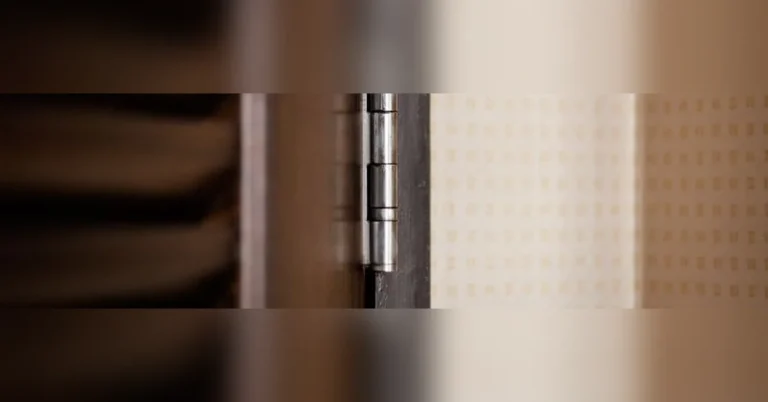
Why a Door Hinge Creaks: Find the Friction Point Before Adding Lubricant
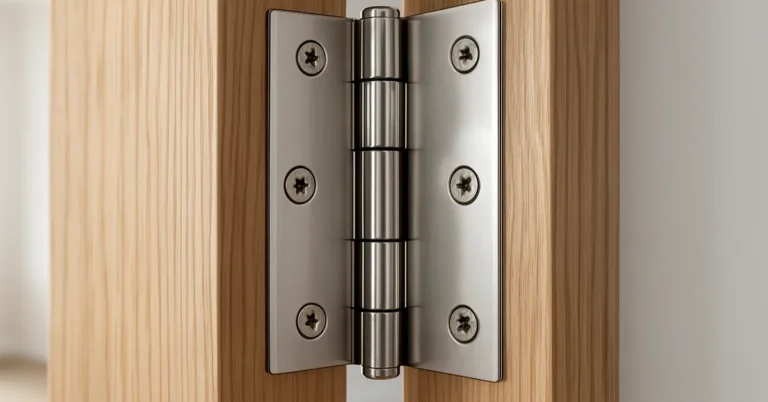
A creaking door hinge is metal rubbing against metal at the pin and knuckle joint, but reaching for a spray lubricant right away often only masks the noise for a week or two. Finding exactly where the friction is happening, whether it is a dry pin, rust, a bent pin, or loose screws letting the door sag, decides whether you need a drop of oil or a whole new hinge.
Isolate which hinge is actually creaking
Doors usually have two or three hinges, and only one is often the source, even though the sound seems to come from the whole door. Open and close the door slowly while someone (or you, reaching back) touches each hinge barrel in turn. The one that vibrates most under your fingers is the one doing the work, and it is the only one you need to service, though it is common practice to lubricate all of them at once while you are there.
Dried-out lubricant, dirt, and rust
Most new hinges ship with a light factory grease that eventually dries out, and once metal contacts metal directly inside the knuckle, you get the classic creak. Humidity accelerates this by introducing light surface rust, and paint overspray from a previous repaint can also gum up the knuckle if it was not masked off. Removing the pin (tap it up and out with a nail set and hammer while the door is supported) lets you inspect the barrel for rust or dried gunk directly, and wiping it clean before relubricating solves the majority of creaking hinges.
A bent pin or worn hinge from door sag
Heavy doors, especially solid-core interior doors or exterior doors, put a constant downward and outward load on their hinges, and over years that load can bend the pin slightly or wear an oval groove into the knuckle itself. A bent pin creates uneven pressure inside the barrel that no amount of lubricant fully quiets, and it often comes with other symptoms like the door rubbing the frame at the top corner or not latching cleanly. If the pin looks visibly bowed when rolled on a flat surface, or the knuckle shows grooved wear, replace the hinge rather than continuing to lubricate it.
Loose hinge screws shifting the door’s weight
If the screws holding a hinge leaf into the jamb or door edge have worked loose, or the wood around them has worn out (common in older door frames with softwood jambs), the door’s full weight is no longer evenly supported by that hinge. This lets the door flex slightly with every swing, creating a creak that sounds like it is coming from the hinge pin but is actually the hinge leaf moving against the wood screw holes. Tightening the screws, or replacing stripped holes with longer screws that reach the framing stud behind the jamb, often solves a creak that lubricant never touches.
Choosing the right lubricant once you find the cause
For a genuinely dry, clean pin, a few drops of light machine oil or white lithium grease worked in by swinging the door repeatedly lasts far longer than an aerosol water-displacing spray, which evaporates within days and can attract dust that turns into grinding paste. Dry PTFE lubricant is a good choice if you want to avoid oil staining a painted or finished jamb.
Frequently Asked Questions
Is WD-40 bad for door hinges?
It is not harmful short term and works fine as a cleaner to flush out old grime, but it is a poor long-term lubricant since it evaporates within days and leaves the metal dry again. Follow it with a dedicated oil or grease for lasting results.
Do I need to remove the door to fix a creaking hinge?
Usually not. Most hinge pins can be lifted out and reinserted with the door still hanging, as long as it is supported (a wedge or a helper holding it) so it does not drop when the last pin comes free.
Why does the creak come back a few weeks after I oiled it?
This usually means the underlying cause is mechanical wear, such as a worn knuckle or loose screws, rather than simple dryness. Lubricant will keep temporarily masking it, but the hinge or its mounting needs to be addressed directly to stop the noise for good.
Sponsored / affiliate links. As an Amazon Associate I earn from qualifying purchases. I may earn additional commission from eligible campaigns.