How to Remove Paint off Door Hinges: Expert Tips
Paint on door hinges comes off fastest with a citrus-based stripper like Citristrip, boiling water for latex paint, or a heat gun on low heat – but only after you unscrew the hinge from the door. Scrubbing paint off while a hinge is still mounted risks gouging the door frame. This guide covers all four removal methods, which one fits your paint type, and how to stop paint from building up again.
Preparation Steps
Collect your tools before starting: a screwdriver, a chemical paint remover or Citristrip-style gel, a scraper or putty knife, a brush, a bucket, and clean cloths. Wear gloves and safety goggles, since paint dust and stripper fumes can irritate skin and eyes.
Work in a well-ventilated area with the windows open to clear strong fumes. If possible, unscrew each hinge and remove it from the door – this protects the door frame from stray scraper marks and lets you work on a flat surface instead of an awkward vertical one. Score around the edge of the painted hinge with a utility knife first if the paint bridges onto the door or frame, so you get a clean break instead of tearing the surrounding paint.
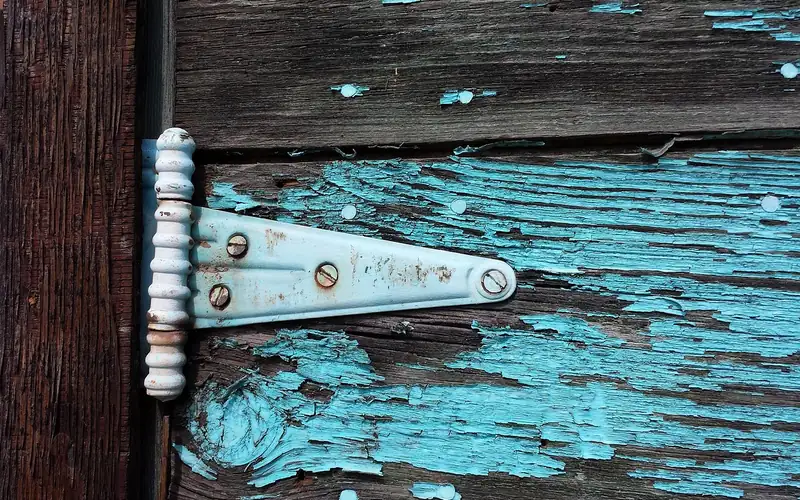
Four Ways to Remove Paint From Door Hinges
Which method works best depends on the paint type and how much you have to remove. Here’s how the four main options compare:
| Method | Best For | Time Needed | Risk |
|---|---|---|---|
| Citrus/chemical stripper | Heavy, multi-layer paint | 15-30 min sit time | Fumes – needs ventilation |
| Boiling water | Latex paint on brass, copper, or aluminum | 15 min boil | Not safe on metals prone to rust |
| Heat gun | Multiple layers, no chemicals wanted | 2-5 min per hinge | Can warp thin metal if held too close |
| Manual scraping/sanding | Light, fresh paint spots | 5-10 min per hinge | Can scratch finish if too aggressive |
Chemical Paint Stripper
Choose a paint stripper labeled safe for metal, and test it on a hidden edge first to confirm it won’t cause rust or discoloration. Apply it with a brush in a well-ventilated area, cover the paint completely, and let it sit for the time listed on the product – usually 15 to 30 minutes for a citrus-based gel like Citristrip. Once the paint bubbles and softens, scrape it off with a plastic scraper, wipe the hinge clean, then rinse with water and dry it thoroughly to prevent rust.
Boiling Water Method
For latex paint, boiling works without any chemicals. Remove the hinge from the door, submerge it in a pot of boiling water for about 15 minutes, then scrub off the softened paint with a wire brush or old toothbrush while the hinge is still warm. This method is best reserved for metals that resist rust, like brass, copper, or aluminum – boiling steel hinges risks flash rust once they cool.
Heat Gun
A heat gun removes multiple layers of paint without chemicals or boiling. Set it to low or medium heat, hold it about an inch from the surface, and move it slowly back and forth until the paint softens and starts to bubble. Lift the softened paint with a putty knife or scraper as you go. Never hold a heat gun too close or too long in one spot – thin hinge metal can warp under concentrated heat.
Manual Scraping and Sanding
For light or fresh paint spots, a putty knife or paint scraper held at a low angle lifts paint without chemicals. Work slowly to avoid gouging the metal, and switch to a razor blade only for thick, stubborn spots – keep fingers clear of the edge. For a smooth finish afterward, sand with 150-grit or finer sandpaper using circular motions and light pressure, then wipe away dust with a damp cloth. Wear a dust mask while sanding. A magic-eraser-style cleaning pad also lifts fresh, unhardened paint stains without any scraping at all.
📊 The EPA banned retail sale of methylene-chloride-based paint strippers to consumers in 2019 after more than 50 documented deaths were linked to the chemical – citrus, caustic, and bio-based strippers are the safer alternatives sold today. – Source: U.S. EPA, Methylene Chloride Paint Stripper Rule
Best Paint Stripper Pick
Citristrip Stripping Gel, 40 oz – $16.85
The citrus-based gel this guide’s chemical-stripper method is built around – clings to vertical hinge surfaces instead of dripping off, and needs less ventilation than solvent-based strippers.
- Best for: multi-layer, stubborn paint on metal hardware
- Why we picked it: gel formula stays put on hinges instead of running
- Main drawback: needs 15-30 min sit time, not an instant fix
Compare more paint-removal options
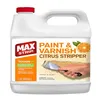 Option 1 Max Strip Citrus Gel, 1 Qt – $19.99
|
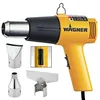 Option 2 Wagner HT1000 Heat Gun – $24.99
|
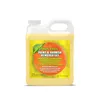 Option 3 Smart ‘n Easy Remover Gel – $24.98
|
As an Amazon Associate we earn from qualifying purchases.
Cleaning Hinges After Paint Removal
Once the paint is off, wash the hinge in warm water with a mild soap, scrubbing gently with a soft brush to lift any leftover residue. Rinse thoroughly to remove all soap, since leftover residue can attract dust once the hinge is reinstalled.
Dry the hinge completely with a soft cloth before reinstalling – any water left in the barrel or screw holes can cause rust within days. Once dry, add a thin coat of oil to the hinge pin; this both prevents rust and keeps the hinge moving quietly instead of squeaking after reinstalling.
Preventing Future Paint Build-up
Hinges installed flush with the door and frame leave fewer gaps where paint can pool and dry. Use a level to confirm the door and frame line up, and tighten the mounting screws fully so the hinge doesn’t shift during painting.
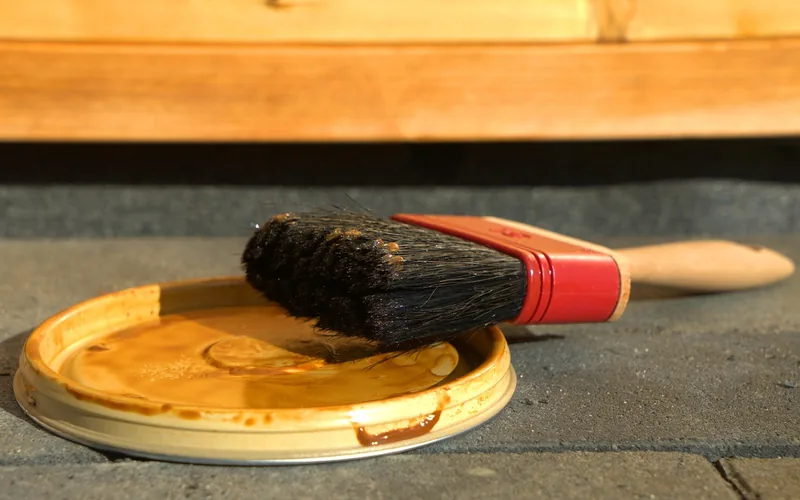
Before repainting a door, tape off the hinge barrel and pin with painter’s tape, or unscrew the hinge entirely and set it aside – both are faster than scraping dried paint off later. Wipe hinges with a damp cloth periodically to keep dust from bonding with future paint splatter, and lubricate the pin with oil to keep the mechanism moving freely.
Troubleshooting Common Issues
Stubborn Paint Spots
If paint won’t budge with your first attempt, soften it with warm soapy water or a second round of stripper rather than switching to a metal scrubber, which can scratch the hinge’s finish. Patience matters more than pressure here – rushing tends to leave visible scratch marks.
Damaged Hinges
Inspect each hinge for cracks or bends once the paint is off. Harsh chemicals used too aggressively can cause rust or corrosion over time, so switch to a milder stripper if you notice pitting. Replace any hinge with structural damage rather than repainting over a compromised joint – a bent hinge won’t hold a door’s weight reliably.
“The boiling-water trick only works if the hinge is actually brass, copper, or aluminum – we tried it on a plain steel hinge once and it came out with a thin film of flash rust within the hour. Chemical stripper or a heat gun is the safer default if you’re not sure what metal you’re dealing with.”
For paint bridging between a hinge and a painted door surface, work the hinge first so you don’t drag stripper or scraper marks across the door finish. The same core methods – stripper, heat, or careful scraping – also apply to door knobs and other painted door hardware, though smaller parts need a gentler touch.
Frequently Asked Questions
What Removes Paint From Door Hinges?
A citrus-based paint stripper like Citristrip removes paint from door hinges most reliably on multi-layer or old paint. For lighter latex paint, boiling the hinge for 15 minutes or using a heat gun on low heat also works. Always wear gloves and work in a ventilated area when using chemical strippers.
How Do You Get Paint And Rust Off Hinges?
Remove paint first with a stripper or heat gun, then treat rust with a wire brush or fine sandpaper and a rust remover solution. Rinse and dry the hinge thoroughly afterward, then apply a thin coat of oil or a fresh coat of paint to protect the bare metal from rusting again.
How Do You Remove Paint From Metal Without Damaging Metal?
Use a paint stripper formulated for metal surfaces, apply it with a brush, and let it sit for the time listed on the label. Scrape off the softened paint with a plastic scraper rather than metal, since plastic won’t gouge the surface. Avoid abrasive pads and excessive force, and always work in a well-ventilated area.
Will Mineral Spirits Remove Paint From Door Hinges?
Mineral spirits can help remove some paint from door hinges, particularly oil-based paint, but it’s weaker than a dedicated stripper on multiple layers. Apply carefully, test on a hidden area first to check the finish isn’t affected, and pair it with gentle scraping for stubborn spots.
Does Boiling Water Remove Paint From Door Hinges?
Yes, for latex paint. Submerge the removed hinge in boiling water for about 15 minutes, then scrub off the softened paint with a brush while it’s still warm. This method works best on brass, copper, or aluminum hinges – boiling plain steel risks flash rust once the hinge cools and dries.
Can You Remove Paint From Hinges Without Taking Them Off The Door?
Yes, but it’s harder to do cleanly. Tape off the surrounding door and frame with painter’s tape, apply stripper or use a heat gun carefully on the hinge only, and scrape gently to avoid gouging the door surface. Removing the hinge first is still the more reliable option for heavy paint buildup.
Conclusion
Removing paint from door hinges comes down to matching the method to the paint: a citrus stripper for heavy multi-layer buildup, boiling water for latex paint on rust-resistant metal, a heat gun for a chemical-free approach, or careful hand-scraping for light spots. Unscrew the hinge first, dry it completely before reinstalling, and a thin coat of oil afterward keeps both rust and squeaks away for good.
Sponsored / affiliate links. As an Amazon Associate I earn from qualifying purchases. I may earn additional commission from eligible campaigns.