How to Make Door Hinges Not Squeak (Best Lubricant to Use)
WD-40 quiets a squeaky hinge for a few days, then makes it worse – it’s a solvent, not a lubricant, and evaporates fast while its residue attracts dust into an abrasive paste. White lithium grease or silicone spray lasts months instead. This guide covers real causes, which lubricant to actually use, and a permanent fix for hinges that keep coming back. Prefer a household item over a spray? See our guide on fixing squeaky door hinges without WD-40.
Identify The Source Of Squeaking
Finding the cause of squeaky door hinges is crucial. Listen carefully to pinpoint the noise’s origin. Often, the squeak comes from friction between metal parts or a lack of lubrication.
Common Causes Of Door Hinge Noise
Door hinges often squeak due to rust or dust. Sometimes it’s because they are loose. Dirt can build up over time. This makes the hinges grind together. Rust makes it hard for the hinge to move. Loose hinges rub against the door frame. This causes noise.
Determining The Problematic Hinge
To find the squeaky hinge, open the door slowly. Listen for the noise. Check each hinge one by one. Move the door back and forth. Find out which hinge is making the sound. Sometimes, only one hinge needs fixing. Mark the noisy hinge for repair.

Tools And Materials Needed
A few tools help keep hinges quiet. A screwdriver is the first tool you need. It helps remove the door from the hinges. A hammer can tap pins out of place. Use a cloth to clean the hinges. A brush might help remove dust.
Lubricants make hinges move smoothly. Oil is a popular choice. It works well and is easy to use. Some people prefer grease. It lasts longer than oil. Try silicone spray for a clean finish. It does not attract dust. Graphite powder is another option. It is a dry choice, so it won’t drip. Choose what works best for your needs.
| Lubricant | How Long It Lasts | Best For |
|---|---|---|
| White lithium grease | 6-12 months | Exterior or heavy doors – resists rain and humidity washout |
| Silicone spray | 3-6 months | Interior doors – clean, doesn’t attract dust |
| 3-in-1 oil | Days to weeks | A quick fix on a low-use door, not a long-term solution |
| WD-40 | Days | Emergency-only – it’s a solvent, not a lubricant, and attracts grit as it evaporates |
Best Hinge Lubricant Pick
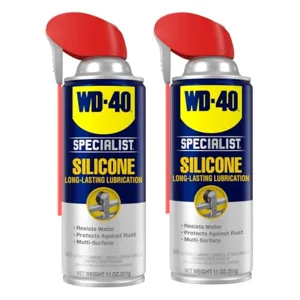
WD-40 Specialist Silicone Lubricant, Twin-Pack
A true silicone lubricant for interior doors – not a solvent like original WD-40.
- Best for: Interior doors needing a clean, dust-repelling lubricant
- Why we picked it: A true silicone lubricant (not WD-40’s original solvent formula) – matches this guide’s top pick for interior doors
- Main drawback: Twin-pack costs more upfront than a single small can
Compare more lubricant and tool options
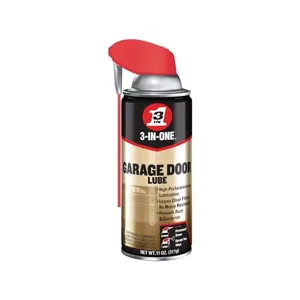 Option 1 3-IN-ONE Garage Door Lubricant, 11 oz
|
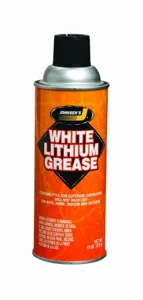 Option 2 Johnsen’s White Lithium Grease, 11 oz (12-Pack)
|
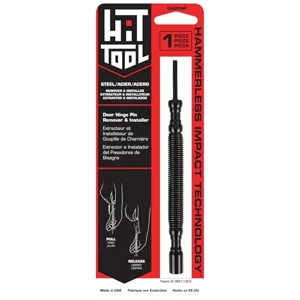 Option 3 HIT Tool Door Hinge Pin Removal Tool
|
As an Amazon Associate we earn from qualifying purchases.
Cleaning The Hinges
Dust and dirt can make hinges squeak. Use a clean cloth to wipe the hinges. A small brush helps to reach tight spots. Remove all dust and debris. This lets the hinges move smoothly. A clean hinge is a happy hinge!
Sometimes, hinges need a little extra help. A mild soap solution can be used. Mix soap with warm water. Dip a cloth in the solution. Wipe the hinges gently. Let them dry completely. This prevents rust and keeps them quiet. Choose a cleaning solution that is safe for metal.
Lubricating Hinges Effectively
📊 WD-40 is a solvent and water-displacer, not a true lubricant – it evaporates within weeks, leaving a thin residue that attracts dust into an abrasive paste that makes squeaks return worse. White lithium grease resists this because it stays thick and doesn’t evaporate the same way. Source: House Digest
Oil is a common choice for quieting door hinges. Silicone spray works well too. Graphite powder is another option. Each type has pros and cons. Oil can attract dirt. Silicone spray is cleaner. Graphite powder doesn’t drip. Choose the right lubricant for your hinge.
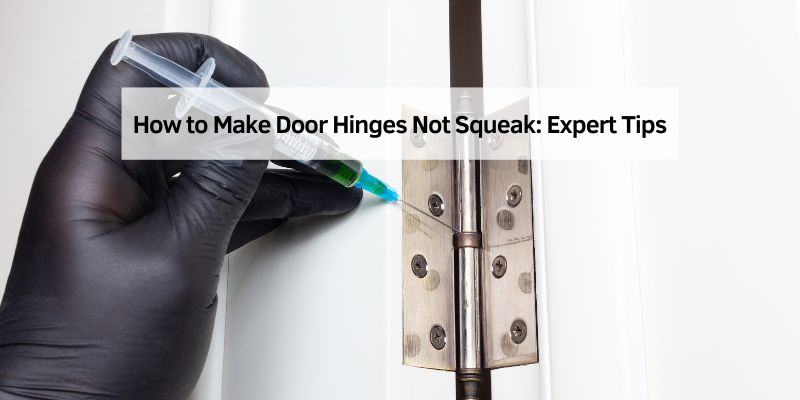
Apply lubricant carefully. Open and close the door first. Use a cloth to catch drips. Spray or rub lubricant on the hinge. Move the door to spread it. Wipe excess lubricant away. Check again for squeaks. Sometimes more lubricant is needed. Repeat steps if necessary.
Preventing Future Squeaks
Regular maintenance helps prevent future squeaks in door hinges. Apply lubricant to keep them smooth and quiet. Tighten screws periodically to ensure stability.
Why Does a Door Hinge Only Squeak When Opening (Not Closing)?
This is usually uneven wear rather than a separate problem: the hinge pin rotates through a slightly different arc on the way open than on the way closed, so a pitted or unevenly lubricated spot on the pin only drags in one direction. Lubricating the full length of the pin – not just a quick spray at the top – and cycling the door several times usually clears it up.
How to Make Door Hinges Quieter for Good
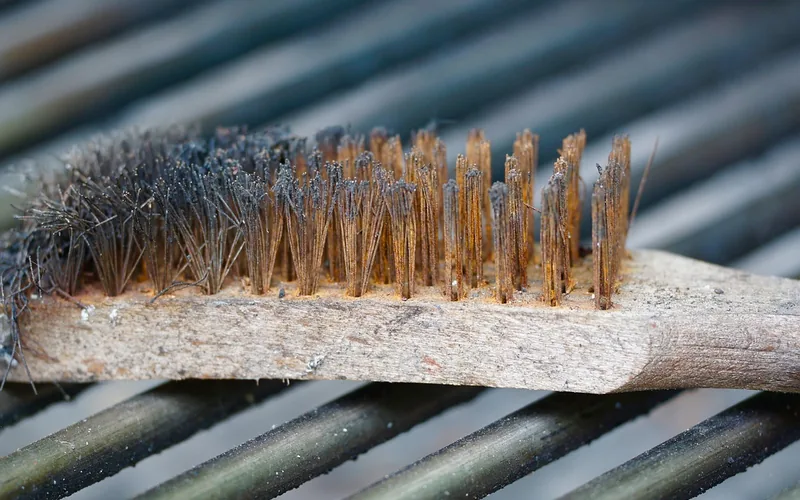
A quick spray fixes a squeak for days; this fixes it for good. Pull the hinge pin, scrub it with steel wool to remove rust and grime, then coat the pin and the knuckle stack (not just the visible gap) with white lithium grease or PTFE lubricant. Reinsert the pin and cycle the door 20-30 times to work the lubricant in fully. Reapply twice a year. If a hinge still squeaks after this, the pin or hinge itself is worn out and needs replacing, not more lubricant.
Regular Maintenance Tips
Keep your hinges clean and dust-free. Dirt makes hinges squeak. Use a soft cloth to wipe them. Oil is your hinge’s best friend. Use it once a month. Apply a few drops of oil on each hinge. Move the door back and forth. This spreads the oil evenly. Check hinges for rust. Rust makes noise. Remove rust with sandpaper. Then, oil them again.
Avoiding Common Mistakes
Do not use too much oil. It attracts dust. Dust clogs hinges. Don’t forget to clean first. Cleaning is important. Never ignore rusty hinges. They need immediate care. Always use the right tools. Wrong tools damage hinges. Remember, gentle care is key.
Alternative Solutions
Sometimes, old hinges just need replacing – see our full door hardware and locks hub for hinge and lock guides. Old hinges can get rusty. Rust can make them squeak. Look for hinges that match the door size. Always use the right tools. Ask an adult to help if needed. New hinges can make a big difference. They can make doors quiet again.
Hinge noise reducers can help stop the squeak. These are small pads. They fit between the hinge and the door. Noise reducers are easy to use. Just stick them on the hinge. They can make a door smooth and quiet. Remember to ask for help if needed.
Expert Advice And Recommendations
Lubricate the hinges with oil or spray. This helps to stop noise. Use a cloth to remove extra oil. Repeat this every few months for best results. Tighten any loose screws with a screwdriver. This keeps the door steady. Make sure the door is hung well. Crooked doors make more noise. Check for dirt or rust. Clean with a damp cloth. Rust can cause squeaks too.
Sometimes, a specialist is needed. If the door still squeaks, call an expert. They can find hidden problems. Big doors may need extra care. Old hinges might need replacing. A professional can help with this. Safety is important. Doors should work smoothly.
Troubleshooting Persistent Issues
Sometimes, a squeaky door might have hidden problems. Check for loose screws. Tighten them with a screwdriver. Look for rust on the hinges. Rust can cause noise. Clean it off with a brush. Also, check if the hinge pins are bent. Bent pins can make doors squeak – see our guide on adjusting door hinges if replacing isn’t needed yet. If needed, replace them with new ones. Old doors might have worn-out hinges. New hinges might be needed if the old ones are damaged.
Use lubricant spray for stubborn squeaks. Apply it on the hinge. Move the door back and forth. This helps the lubricant spread. Petroleum jelly can also work well. Apply a small amount on the hinge. Make sure to clean any extra. For deeper issues, you might need to remove the door. Disassemble the hinge for thorough cleaning. This can be a bit tricky. So, ask an adult for help if needed.
Frequently Asked Questions
How Do I Stop My Hinges From Squeaking?
Apply lubricant like WD-40 or silicone spray directly to the hinge. Open and close the door repeatedly to distribute. Wipe excess lubricant with a cloth. For stubborn squeaks, remove the hinge pin, apply grease, and reassemble. Regular maintenance prevents future squeaks.
What Is The Best Lubricant For Squeaky Door Hinges?
Use silicone spray for squeaky door hinges. It reduces friction and lasts longer than oil-based lubricants. Avoid WD-40 as it can attract dust and cause buildup. Apply silicone spray evenly for optimal results. It’s safe for metal and prevents rust, ensuring smooth door movement.
Should I Use Wd-40 On Door Hinges?
WD-40 will quiet a hinge for a few days, but it’s a solvent, not a lubricant – it evaporates fast and its residue attracts dust, so the squeak often returns worse. Use it only as an emergency fix, then switch to white lithium grease or silicone spray. See our full WD-40 breakdown for the details.
How Do I Stop My Door From Making Noise When I Close It?
Apply lubricant to door hinges for smooth movement. Check for loose screws and tighten them. Install rubber bumpers or felt pads on the door frame to minimize noise. Consider adjusting the door alignment if needed. Regular maintenance helps prevent squeaky doors.
Conclusion
Clean off the rust and grime first, then lubricate with white lithium grease or silicone spray – not WD-40 long-term. If a hinge keeps squeaking after that, pull the pin, clean it properly, and regrease the full knuckle stack rather than reaching for the spray can again.
Sponsored / affiliate links. As an Amazon Associate I earn from qualifying purchases. I may earn additional commission from eligible campaigns.