How to Fix a Door That Won’t Latch (1/8-Inch Rule)
A door that won’t latch is almost always a misalignment between the latch bolt and the strike plate — caused by loose hinge screws, a sagging door, or a strike plate that was never adjusted right. Left unfixed, it’s a real security gap, not just an annoyance. This guide covers tightening hinges, realigning the strike plate, and replacing a worn latch mechanism.
Common Causes Of Door Latching Issues
Door parts can shift over time. This causes misalignment. A door may not fit the frame. This makes it hard to close. Check the hinges and strike plate. They should line up. If not, adjust them. This can fix the problem.
Old latches wear out. They lose their grip. This stops them from holding the door. Inspect the latch. See if it’s damaged. You might need a new one. Changing it can solve the issue. It’s simple to replace.
Hinges hold the door. If they are loose, the door sags. This causes latching problems. Tighten the screws on the hinges. Use a screwdriver. Check if the door fits better. If not, the hinge might be bent. Replace it if necessary.
Best Strike Plate Fix Pick
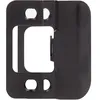
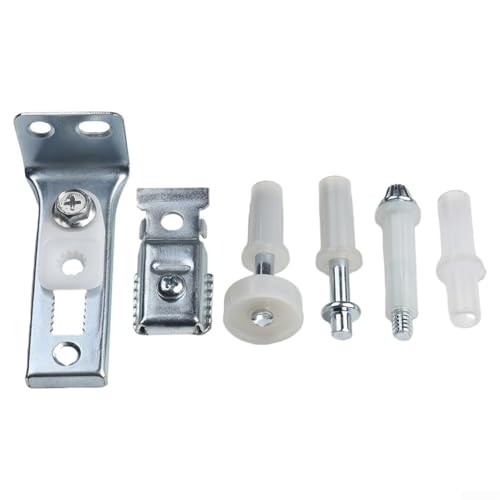
Adjustable Strike Plate, Matte Black – $9.90
Built-in adjustment slots mean you don’t need to drill new holes if the misalignment is more than the 1/8-inch filing threshold this guide covers.
- Best for: Strike plates off by more than 1/8 inch
- Why we picked it: Adjustable slots avoid re-drilling the door frame
- Main drawback: Matte black only, limited to match existing hardware
Compare more door latch hardware
 Option 1 Gator Strike Plate Latch Restorer – $12.99
|
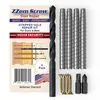 Option 2 Stripped Hinge Screw Hole Repair Kit – $26.99
|
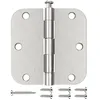 Option 3 6-Pack Brushed Nickel Door Hinges – $14.99
|
As an Amazon Associate we earn from qualifying purchases.
Tools Needed For Repairs
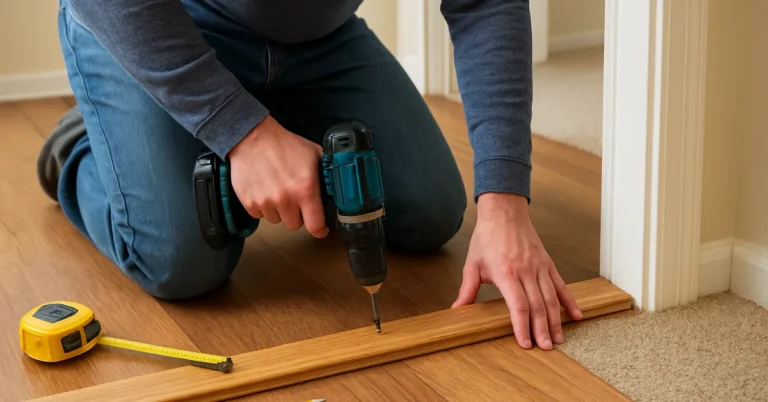
To fix a door, you need basic tools. A screwdriver is a must. It helps to remove screws. A hammer is useful too. It can tap parts into place. A tape measure helps check sizes. It ensures your door fits well. A chisel can adjust the door frame. It helps with tight spots.
Sometimes, you need more tools. A drill can make new holes. It helps if screws don’t fit. A level checks if the door is straight. It stops the door from tilting. A plumb bob is also useful. It checks vertical lines. It ensures the door hangs right.
Adjusting Door Hinges
Tightening loose screws can fix a door that won’t latch. Use a screwdriver to tighten each screw. Check every hinge for loose screws. If a screw keeps turning, it might be stripped. Replace it with a larger screw. This ensures a snug fit. A tight hinge helps the door align better. Proper alignment is crucial for latching.
Replacing damaged hinges may be necessary. Check each hinge for damage. Look for rust or bent metal. If a hinge is broken, replace it. Remove the old hinge with a screwdriver. Install the new hinge. Make sure it fits well. Tighten all the screws on the new hinge. This will help the door close properly. Good hinges make a door latch correctly.
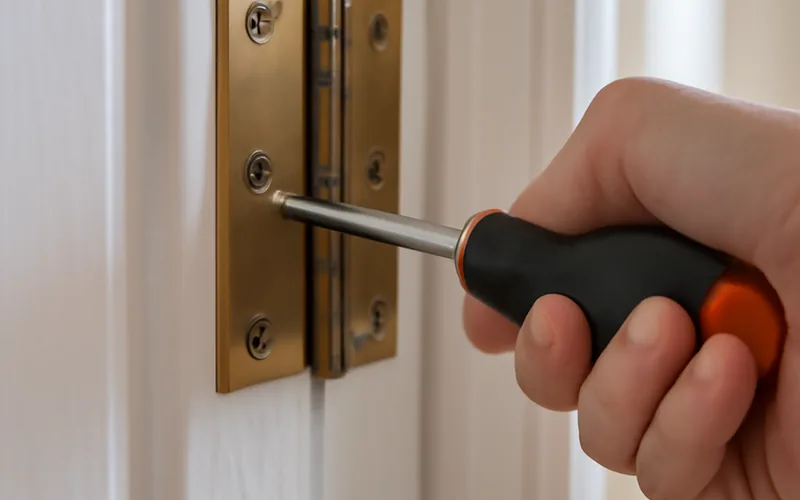
Data Callout: The 1/8-Inch Rule
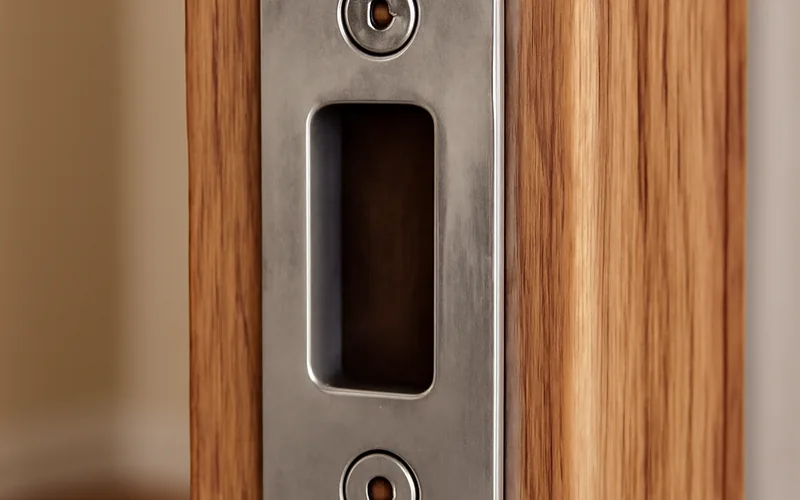
If the strike plate is misaligned by 1/8 inch or less, filing the hole slightly usually fixes it. More than 1/8 inch off, and the entire strike plate needs to be unscrewed and repositioned — filing alone won’t close the gap — Source: Bob Vila.
Realigning The Strike Plate
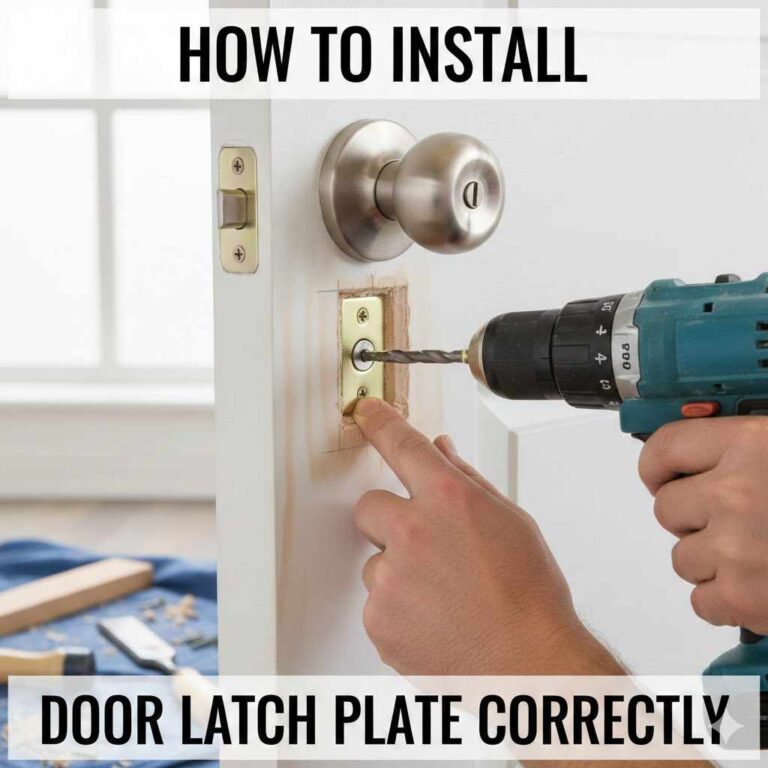
First, close the door and look at the strike plate. Is it too high or low? Use a pencil to mark where the latch hits. This tells you where to make changes. Next, get a drill. Make new holes where you marked. Be careful while drilling. Go slowly to avoid mistakes. Now, check if the door latches properly. If not, try again.
Sometimes, the strike plate needs a small shift. Unscrew the plate first. Move it up or down a little. Use the new holes if you drilled them. Now, screw the plate back on. Close the door to check if it latches. If it works, you’re done. If not, adjust again.
Repairing The Latch Mechanism
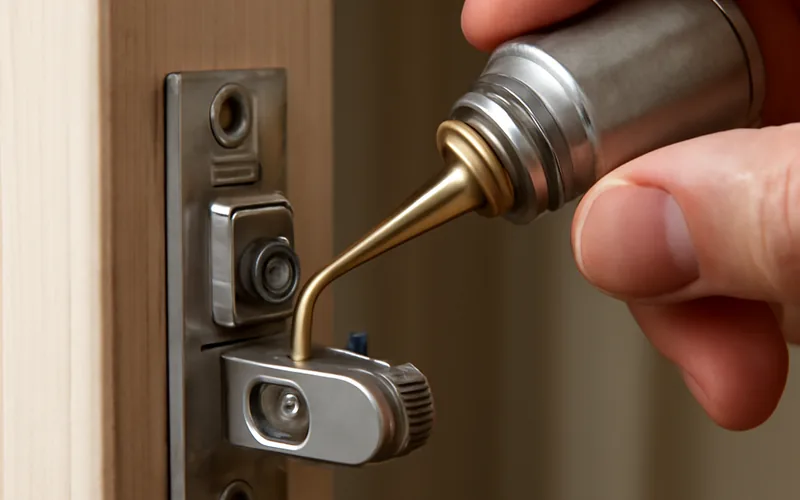
Lubrication helps the latch move smoothly. Use a small brush or cloth. Apply lubricant to the latch and hinges. Oil works well. Spray options are available too. These reduce friction. This makes the door easier to close. Repeat application as needed. Regular maintenance keeps the door working. Check the latch often. Keep it clean and free of dirt. This ensures smooth operation.
Faulty latches can cause issues. Check the latch first. If damaged, it needs replacement. Remove the old latch carefully. Use a screwdriver for this task. Install the new latch. Make sure it fits well. Align it properly. Test the door after installation. It should close easily. If not, adjust it again. Replacing latches can solve many problems. Ensure the new latch is of good quality. This prevents future issues.
“First thing I wanted to check was the space between the top of the door and the header… this space is about an eighth of an inch wider.”
— Tom Silva, This Old House
Testing The Door Latch
Start by looking at the door and frame. Ensure the door is straight. Sometimes, the door may sag. This can cause misalignment. Use a level tool to check the door’s position. If the door is crooked, you might need to tighten the hinges. Make sure the latch lines up with the strike plate. If not, adjust the strike plate. This can help the door latch properly.
Open and close the door a few times. The door should move smoothly. If it sticks, check for obstacles. Look for paint buildup around the latch area. Remove any debris that might block the latch. Use a screwdriver to clean the latch hole. This will help the door close easily. Regular checks keep your door working well.
Preventive Maintenance Tips
Stuck doors often need basic fixes. Check hinges and screws for loose parts. Adjusting the strike plate might help.
Regular Lubrication
Doors need regular lubrication to work well. Use oil or grease on the hinges. This makes the door move smoothly. Check the latch too. A small amount of oil helps it click in place. Do not overuse the oil. Too much can make the door sticky.
Routine Inspection
Inspect your door every few months. Look for loose screws. They can make the door wobbly. Tighten them with a screwdriver. Check the door frame. A damaged frame can stop the door from latching. Fix any cracks you find. This keeps the door strong.
Frequently Asked Questions
How Do You Fix A Door That Won’t Latch?
To fix a door that won’t latch, tighten the screws on the hinges. Adjust the strike plate by loosening its screws and repositioning it. Ensure the latch aligns with the strike plate hole. If needed, file the hole slightly for a better fit.
Test the door to ensure it latches properly.
Why Is My Door Not Latching When I Close It?
Your door might not latch due to misalignment, worn-out hardware, or swelling from humidity. Check the latch and strike plate for damage. Adjusting the hinges or replacing faulty components can solve the issue. Regular maintenance helps keep doors functioning smoothly.
How Do You Fix A Door That Keeps Popping Open?
Tighten the door hinges with a screwdriver. Adjust the latch plate if needed. Ensure the door is aligned properly. Replace any worn-out hinges or latch components. Check the door frame for warping and repair if necessary.
Can You Use Wd-40 On A Door Latch?
Yes, you can use WD-40 on a door latch. It lubricates and prevents rust. Apply a small amount directly to the latch. Avoid overuse to prevent residue buildup. Regular maintenance ensures smooth operation.
Conclusion
Fixing a door that won’t latch is simpler than you think. Start by identifying the problem area. Check the alignment. Tighten loose screws. Adjust the strike plate if needed. Sometimes, a little sanding is necessary. Ensure the door swings freely.
Regular maintenance prevents future issues. Remember, safety comes first. Proper tools make the job easier. With patience, you can fix it yourself. Save time and money. You don’t need to call a handyman. Your door will latch perfectly in no time.
Enjoy peace of mind knowing your home is secure.
Sponsored / affiliate links. As an Amazon Associate I earn from qualifying purchases. I may earn additional commission from eligible campaigns.