Why Won’t My Door Latch? Alignment, Strike Plate, and Hinge Checks
When a door will not latch, the visible strike plate is tempting to adjust first. In many cases, however, the latch is only missing its target because the door has sagged, the hinges are loose, weatherstripping is too thick, or the frame gap changed.
Confirm the symptom before choosing a repair
A door can fail in several ways: it may bounce open, need to be lifted to latch, scrape the strike, latch but not stay closed, or close normally only in one season. Each symptom points to a different first check. Watch the latch as the door closes rather than forcing the handle.
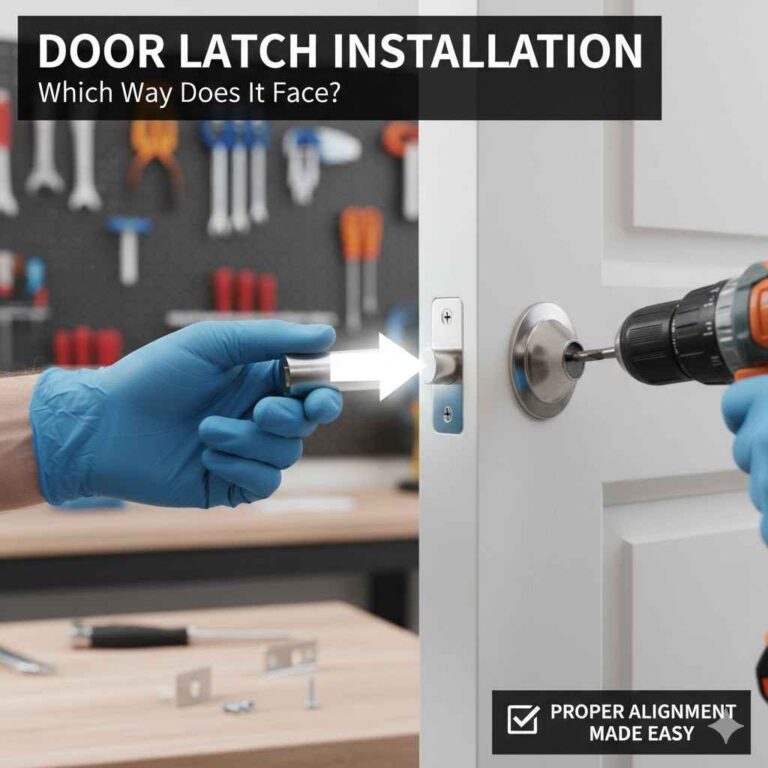
Use a small piece of low-tack tape or a washable mark on the strike area to see where the latch contacts. The result gives a clear direction: high, low, side-to-side, or too shallow. This is more reliable than adjusting hardware by eye.
Check hinges and door support first
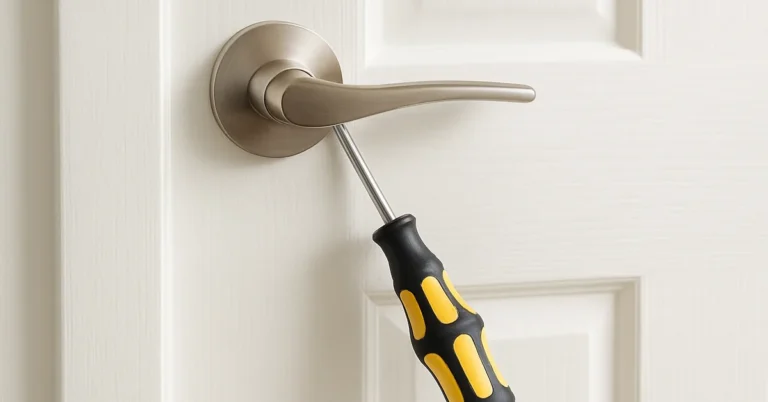
Open the door and inspect every hinge screw. A loose upper hinge can allow the latch side to drop enough to miss the strike even though the door still appears mostly straight. Tighten sound screws and repair stripped holes properly before moving the strike plate.
Look at the reveal around the door. A gap that narrows at the top or bottom is a support clue. If the door needs to be lifted by the knob to latch, hinge sag is more likely than a strike plate that suddenly moved on its own.
Inspect the strike plate and bolt pocket
After confirming the door is supported, check whether the latch tongue reaches the strike opening and whether debris, paint, or damaged wood is blocking it. The latch must enter far enough to engage; simply widening the visible metal opening may not solve a shallow or obstructed pocket behind it.
Make small, measured changes only after marking the contact point. A plate shifted too far can leave an unsightly opening or reduce the hardware’s bearing surface. On exterior doors, preserve weather sealing and do not defeat the door’s intended locking function.
Weatherstripping and seasonal movement
New or oversized weatherstripping can push a door away from the jamb and prevent the latch from reaching its opening. Test the door with the weatherstrip area in mind rather than immediately filing metal. Seasonal humidity can similarly change the door’s fit.
If the problem appears after a weatherization project, compare the door’s closure force with the product instructions. The goal is a sealed door that still locks and latches smoothly, not a tight seal that requires a shoulder push every time.
When the latch itself is worn or damaged
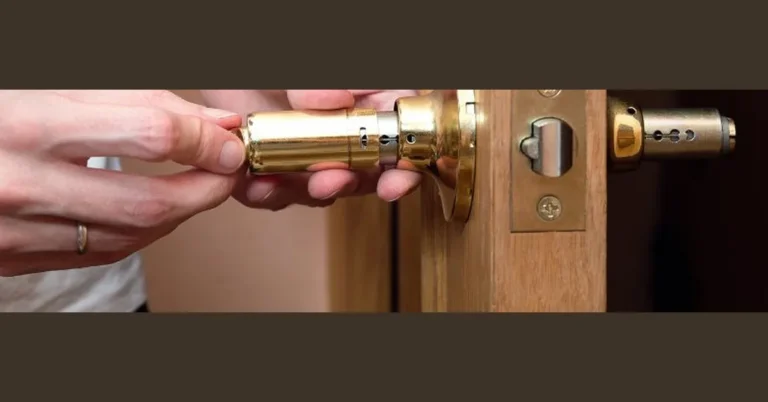
A latch that does not spring out freely, has a damaged bevel, or feels inconsistent after the door is aligned may need repair or replacement. Remove hardware only after checking that the door is open and you can secure the area if it is an exterior entry.
Match replacement hardware to the existing door preparation and any fire, security, or accessibility requirements. If a deadbolt is also misaligned, correct the door position first; changing two pieces of hardware at once makes diagnosis harder.
When to stop and call a professional
Get help when the jamb is cracked, the door is fire-rated, the opening has visibly shifted, the lock controls access to a rental or shared property, or an exterior door cannot be secured. A professional can assess the frame and hardware together.
The information gain here is the latch-contact map. It turns a vague latch problem into a measurable high, low, side, or depth issue before any permanent adjustment is made.
Document the fit before making a permanent change
Take a few photos of the gap, hinge position, and contact point before sanding wood, moving a strike, or replacing hardware. A simple before-and-after record helps show whether the correction changed the door support, the latch engagement, or only the visible symptom.
Make one controlled adjustment at a time and retest the full door operation: open, close, latch, lock, and unlock. That method is slower than changing several parts together, but it keeps a small repair reversible and makes a recurring issue easier to diagnose.
Use normal force during the test. A door that closes only when pushed hard, lifted, or pulled toward the jamb is not fully corrected even if the latch finally clicks. Recheck the gaps and hardware rather than accepting a repair that hides a continuing alignment or security problem.
For an exterior opening, test the weather seal and deadbolt after the latch works. A correction that changes the door’s position can affect both. The finished result should close smoothly, latch without force, lock fully, and maintain a consistent reveal around the opening. Repeat the check the following day before considering the repair complete.
Use a repair boundary that protects the door system
Do not modify a fire-rated assembly, shared-building entry, exterior security hardware, or visibly damaged frame based on a quick internet fix. Those situations can involve listed components, life-safety requirements, or concealed damage that needs the right professional assessment.
For ordinary interior hardware, keep the original screws and parts until the repair is verified. Comparing the changed part with the original makes it easier to reverse a poor fit and prevents a simple adjustment from becoming a permanent compatibility problem. Label parts as you work and test every function before leaving the area unsecured.
Frequently asked questions
Why does my door latch only when I lift it?
That usually suggests the latch side has sagged, often because of loose or worn hinges. Check hinge screws and the gap around the door before moving the strike plate.
Can weatherstripping stop a door from latching?
Yes. Weatherstripping that is too thick or poorly positioned can hold the door away from the strike. Check fit and installation before altering lock hardware.
Should I file the strike plate when a door will not latch?
Only after confirming hinge support, door alignment, and bolt-pocket depth. A small marked adjustment may help, but filing first can mask the real cause.
The practical next step
A door latch repair lasts longer when you identify the direction of the misalignment first. Stabilize the door, verify the strike and pocket, then make the smallest correction that restores smooth engagement.
Sponsored / affiliate links. As an Amazon Associate I earn from qualifying purchases. I may earn additional commission from eligible campaigns.