Are Smart Locks More Secure? Physical Security, Access Control, and Setup Checks
A smart lock can make access easier to manage, but it does not automatically make a door physically stronger. Its security depends on the existing lock, the strike and frame, the installation, account controls, and whether the household can still enter and exit safely when technology fails.
What a smart lock does and does not solve
Smart locks can improve access control with codes, logs, and temporary entry, but their physical security is limited by the deadbolt, strike plate, door, and frame. Choose a compatible lock and protect both the hardware and the account that controls it.
Start by separating the user goal from the hardware itself. The relevant system includes the deadbolt or latch, strike plate, door frame, mounting screws, batteries, mobile account, user codes, and backup entry method. A good result depends on how those pieces work together, not on one feature name or a quick product claim.
Identify the condition before buying or adjusting anything
Look for observable clues first: whether the door closes without pressure, the bolt extends fully, the strike is sound, batteries are accessible, and every assigned code has an owner. These checks narrow the problem without making a permanent change. Write down what happens when the door is open, closed, latched, locked, and used normally.
Use a simple before-and-after test. Change one condition, test it, and then decide on the next step. This avoids the common mistake of replacing a smart lock when the actual fault is a loose hinge, misaligned jamb, damaged fastener, or incorrect installation.
Choose the option that fits the door and the household
Compatibility matters. Confirm the door material, thickness, handing, clearance, mounting surface, and the manufacturer’s installation requirements before choosing a smart lock. A component that fits one interior door may not be appropriate for an exterior, fire-rated, or shared-entry opening.
Consider who uses the door and what normal use requires. For a shared home, temporary guest codes and a clear access-removal process can be more useful than remote unlocking. For an exterior door, a secure mechanical installation and an emergency entry plan remain essential. The safest useful choice is the one that works reliably every day and does not create an access, egress, or maintenance problem.
Installation and adjustment checks that prevent repeat problems
Dry-fit or inspect the mounting points before final tightening. Make sure the door moves through its full travel, hardware does not rub, and the latch or closing function remains consistent. Check fasteners for solid purchase instead of tightening a stripped hole repeatedly.
After adjustment, test the complete cycle several times using normal force. A fix is incomplete if the door only works when lifted, pushed hard, or held in a specific position. Recheck the reveal around the door and the engagement point after the first day of normal use.
Safety and limits
Do not treat a household hardware adjustment as a substitute for required safety equipment or professional assessment. A connected lock can add risks from weak passwords, unmanaged guest codes, expired batteries, or a door that was already poorly aligned.
Stop and get qualified help when the door is fire-rated, a frame is cracked, the opening has shifted, electrical wiring may be involved, or an exterior entry cannot be secured. Preserve escape and access needs while any repair is in progress.
Common mistakes to avoid
Avoid forcing the mechanism, enlarging holes before diagnosing alignment, or using a part outside its intended application. These choices may hide the symptom while making the door harder to repair later.
Also avoid judging success immediately after one adjustment. A short retest sequence—open, close, latch, lock or release where applicable, and inspect the gaps—provides better evidence than a single close. This is the article’s information-gain step: diagnose the whole door system before committing to a product or alteration.
A practical decision checklist
Use this order: confirm the goal, inspect the surrounding door system, verify compatibility, make one controlled change, and retest the full function. Keep the original parts until the outcome is verified.
This approach helps homeowners choose or repair a smart lock with less guesswork. It also makes it easier to explain the problem accurately if a locksmith, carpenter, or door technician needs to take over.
What to record before you make a final decision
Make a short record of the symptom, the door position, the part involved, and the result of each safe check. Note whether the problem changes with the door open versus closed, whether temperature or humidity seems to matter, and whether another household member experiences the same issue. These observations are more useful than repeatedly changing hardware without a baseline.
If replacement becomes necessary, bring the measurements, photos of the mounting area, and any manufacturer marking on the existing hardware. That gives a retailer or qualified professional enough context to identify a compatible option. It also prevents a common costly outcome: buying a reasonable-looking part that cannot be mounted, adjusted, or used safely with the existing door.
When a simple repair is no longer the right next step
Move beyond a simple adjustment when the symptom returns quickly, structural wood is split, the frame has moved, the part no longer holds an adjustment, or normal operation depends on excessive force. Repeating the same minor fix in those conditions can conceal the real issue and make later repair more expensive.
For an exterior opening, prioritize reliable secure closure. For an interior opening, prioritize safe passage and a consistent swing. In either case, pause before altering a door assembly with special ratings, unusually heavy hardware, or unclear installation history. A precise inspection is usually faster than trial-and-error replacement.
Frequently asked questions
Do smart locks make a weak door frame safer?
No. A smart lock does not reinforce a weak jamb, strike plate, or door. Assess the physical doorway before relying on connected features.
What happens if a smart lock battery dies?
The answer depends on the model. Check the manufacturer instructions for low-battery warnings, emergency power options, mechanical key access, and the proper replacement battery.
Should I give everyone the same smart-lock code?
Separate codes make access easier to manage and remove. Use the lock’s security settings, choose strong account credentials, and review active users regularly.
The practical next step
A smart lock is most useful when it adds controlled access to a well-aligned, physically sound door. Treat digital setup and mechanical installation as one security decision.
Sponsored / affiliate links. As an Amazon Associate I earn from qualifying purchases. I may earn additional commission from eligible campaigns.
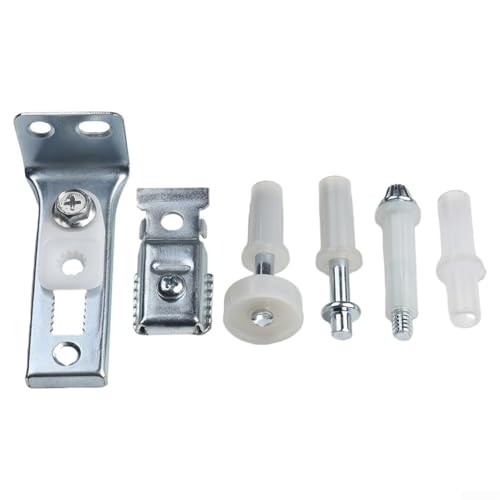 Bi-Fold Door Hardware Repair Kit, Fits 1" to 1-3/8" Thick Closet or Room Doors, Includes Top and Bottom Brackets, Pivots, Guide Wheel for Smooth Operation and Easy Installation
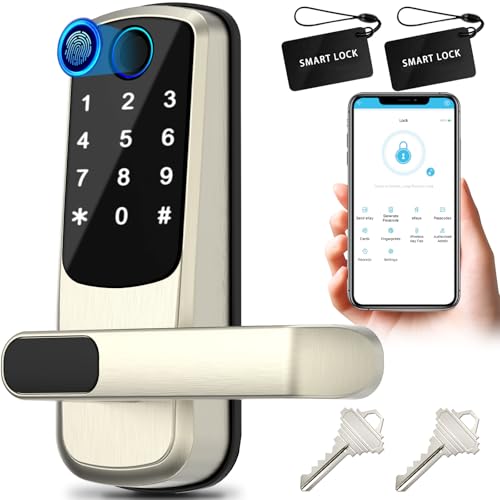 Smart Door Lock with Handle,Fingerprint Exterior Locks,Smart Locks for Front Door/Bedroom/Office,Electronic Digital Keypad Smart Lock,Auto Locked & App Control(Silver)