How to Replace a Mailbox Lock (DIY Cost + When You Can’t)
Replacing a mailbox lock costs $10–15 in parts and takes about 10 minutes: unscrew the old cam lock, insert the new one, and tighten — unless it’s the master arrow lock on a USPS cluster mailbox, which is federal property only a postal worker can service. Tampering with that lock can mean fines. This guide covers keyed vs. combination locks, the exact removal and installation steps, and what to do about a stuck lock before you drill it out.
- Confirm ownership: Make sure it’s your mailbox, or your unit within a cluster box, before replacing anything.
- Identify the lock type: Keyed cam lock or combination lock — check for a keyhole vs. a dial or buttons.
- Remove the old lock: Unscrew the mounting screws or release tab, then pull the lock and cylinder out.
- Buy a matching replacement: Match the cam length and keyway to your mailbox brand.
- Install the new lock: Align the cylinder, mount it, and tighten the screws or tabs.
- Test it: Turn the key or dial the combination several times before closing the mailbox.
Identifying The Type Of Mailbox Lock
Identifying the type of mailbox lock is crucial when it comes to replacing it. By understanding the lock type, you can ensure that you acquire the correct replacement and successfully install it in your mailbox.
When it comes to replacing your mailbox lock, the first step is to identify the type of lock you have — different types require different replacement methods. There are two common types of mailbox locks: keyed locks and combination locks.
Keyed Locks
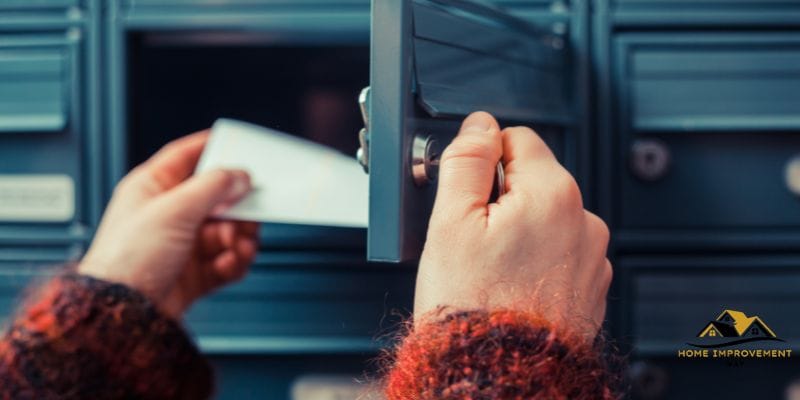
Keyed locks are the traditional type of lock commonly used for mailboxes. These locks require a physical key to unlock and access the mailbox. To determine if you have a keyed lock:
- Inspect the lock on your mailbox carefully.
- If you notice a keyhole or a slot where a key can be inserted, you have a keyed lock.
- If you’ve lost the key or the lock is damaged, you’ll need to replace the lock.
Replacing a keyed lock typically involves removing the old lock and installing a new one. This requires basic tools and can usually be done without professional help:
- Use a screwdriver to remove the screws holding the old lock in place.
- Take out the old lock and keep it aside.
- Insert the new lock into the slot, ensuring it fits securely.
- Tighten the screws to secure the new lock in place.
- Test the lock by inserting the key and turning it to verify it works smoothly.
Combination Locks
Combination locks rely on a specific sequence of numbers or letters to unlock the mailbox. These locks are increasingly popular for the added convenience of not needing a physical key. To determine if you have a combination lock:
- Examine the lock on your mailbox closely.
- If you don’t see a keyhole but instead notice a dial or buttons with numbers or letters, you have a combination lock.
- If you’ve forgotten the combination or the lock no longer functions, you’ll need to replace it.
Replacing a combination lock takes a bit more effort than a keyed lock:
- Identify the brand and model of your current combination lock.
- Order a replacement lock that matches the brand and model.
- Once you receive the new lock, follow the manufacturer’s installation instructions.
- Configure a new combination according to the provided guidelines.
- Test the lock to confirm it functions correctly with the new combination.
📊 A DIY mailbox cam lock replacement kit costs about $10–15, versus $70–150 for a professional locksmith visit — Source: Budget Mailboxes, Legal Mailbox Lock Replacement Guide, 2026
Can You Legally Replace Your Own Mailbox Lock?
Yes, for your own individual mailbox or your own tenant compartment — but not for the master lock on a USPS cluster mailbox. The small lock on your own mailbox door or compartment is your property to maintain and replace. The large T-shaped arrow lock that USPS carriers use to open the whole bank of mailboxes at once is federal property, and only USPS personnel are authorized to service or replace it.
“Only USPS personnel are permitted to replace or service the arrow lock itself. Property owners or residents attempting to tamper with it face legal consequences.”
If a locked master door is blocking access to your own individual lock, don’t drill or pry it — contact your local post office and ask them to open the master door so you can replace your own compartment lock.
Best Mailbox Lock Replacement Pick
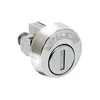
COMPX National USPS-L-1172C Mailbox Lock (3 Keys) – $17.89
A genuine L-1172C keyway cam lock — the same industry-standard spec named in this guide’s tenant-lock section, used on most cluster and panel mailboxes.
- Best for: Cluster mailbox tenant compartments and panel-style mailboxes
- Why we picked it: Matches the standard L-1172C keyway most replacement guides reference
- Main drawback: Costs more than generic universal locks
Compare more mailbox lock options
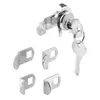 Option 1 Prime-Line S 4140 Mailbox Lock – $9.58
|
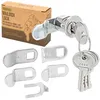 Option 2 Universal Mailbox Lock, 4 Keys – $9.99
|
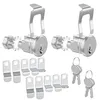 Option 3 Mailbox Lock 2-Pack – $9.99
|
As an Amazon Associate we earn from qualifying purchases.
Removing The Old Lock
Replacing the lock on your mailbox is a simple, cost-effective way to secure your mail. Whether you’ve lost the keys or the lock is damaged, knowing how to remove the old lock is the first step toward installing a new one.
Removing The Mounting Screws
Locate the mounting screws that hold the lock in place — these are usually on the inside of the mailbox door. Use a screwdriver appropriate for the size of the screws to remove them, and keep the screws in a safe place since you’ll need them to install the new lock.
Disassembling The Lock
Once the mounting screws are out, locate the release tab or latch on the lock mechanism, typically on the side of the lock. Press or pull this tab with a small flat-head screwdriver or a pair of pliers to release the lock from the mailbox door. If any wires or cables are attached to the lock mechanism, note how they’re connected before disconnecting them.
My Mailbox Key Won’t Turn — What Should I Do Before Drilling?
Try a graphite-based lubricant before reaching for a drill. Spray it directly into the keyhole, let it sit 5–10 minutes, then gently wiggle the key while turning — this often realigns stuck tumblers without any disassembly. Avoid oil-based lubricants like WD-40 as a long-term fix; they attract dirt and can gum up the cylinder again later. If the key still won’t turn after lubricating, the cylinder likely needs replacing rather than repairing.
Drilling out a stuck lock is a last resort, not a first step. If you do drill, use a slow, steady speed, pause often to clear metal shavings with a screwdriver tip so the bit doesn’t bind, and stop the moment the cylinder spins freely — drilling further than necessary can damage the mailbox door itself.
Installing The New Lock
Once you’ve removed the old mailbox lock, it’s time to install the new one.
Aligning The Lock Cylinder
Hold the lock cylinder parallel to the keyhole and gently insert it into the opening. Make sure the cylinder is straight and level before proceeding.
Mounting The Lock
With the cylinder aligned, mount the lock onto the mailbox door in its designated location, making sure it sits snugly against the surface. Note any screw holes or mounting tabs the manufacturer provided.
If there are screw holes, insert the screws and tighten them to secure the lock. If your lock uses mounting tabs instead, position them over the corresponding slots and press the lock firmly against the door.
Testing The Lock
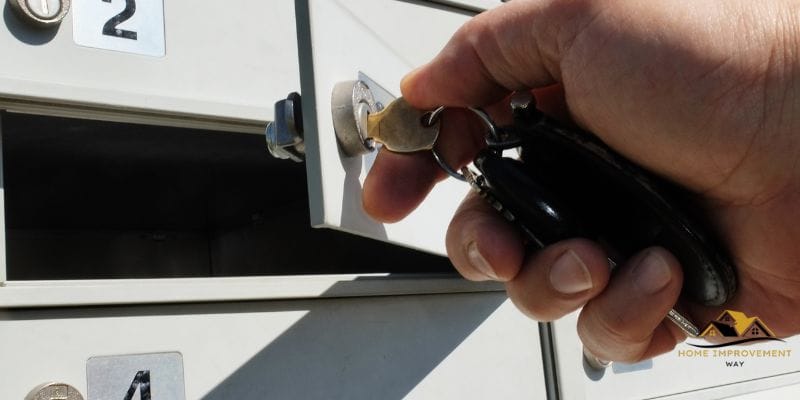
Insert the key into the cylinder and turn it clockwise to lock the mailbox, then counterclockwise to unlock it. Confirm the key turns smoothly and the lock engages and disengages properly.
Also test by lightly pulling on the mailbox door to check for looseness. If the lock or door feels loose, double-check the mounting screws or tabs to make sure they’re fully secured.
Frequently Asked Questions
How Much Does It Cost to Replace a Mailbox Lock?
A DIY replacement cam lock costs about $10–15 for the part, or $6–23 depending on the brand and keyway. Hiring a locksmith typically runs $70–150 including labor, while property-managed apartment buildings often charge tenants $10–50 to have the office replace it for you.
Can I Replace the Lock on a USPS Cluster Mailbox Myself?
Yes for your own individual compartment lock, no for the shared master arrow lock. The arrow lock that carriers use to open the whole unit is federal USPS property, and only postal employees are authorized to service it — tampering with it can carry legal consequences.
What Tools Do I Need to Replace a Mailbox Lock?
Most residential mailbox locks need only a Phillips or flat-head screwdriver to remove the mounting screws, plus the new replacement lock matched to your mailbox’s keyway. A stuck lock may also require a graphite lubricant, and drilling (as a last resort) needs a drill with a metal bit.
How Do I Know What Replacement Lock to Buy?
Check the brand name stamped on your existing lock or mailbox, and measure the cam length (the metal arm that rotates to latch the door). Universal replacement locks that list several compatible brands, like ILCO or National keyways, work for most residential and cluster mailboxes without an exact brand match.
Conclusion
Changing the lock on your mailbox is a simple, inexpensive task that protects your mail and identity. Confirm which lock is actually yours to replace, gather a screwdriver and a matching cam lock, then remove the old lock and install the new one securely.
If you’re setting up a mailbox from scratch rather than just swapping the lock, see our guide to installing a mailbox. Locked out entirely with no spare key on hand? Our guide on opening a mailbox without a key covers the legal options before you replace anything. For more lock and hardware guides, visit our Door Hardware & Locks hub.
Sponsored / affiliate links. As an Amazon Associate I earn from qualifying purchases. I may earn additional commission from eligible campaigns.