Are Deadbolt Locks the Safest Choice? What They Can and Cannot Do
A deadbolt can add meaningful resistance to an exterior door, but the lock alone does not make a doorway secure. The door material, strike plate, frame connection, glass nearby, installation quality, and household escape needs all matter.
What makes a deadbolt different from a spring latch
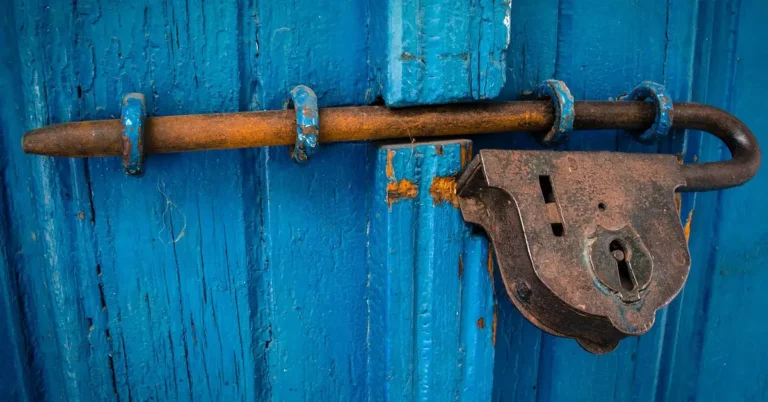
A spring latch can retract when the knob or handle is operated, while a deadbolt extends a solid bolt into the frame. That difference is why exterior doors commonly use a deadbolt in addition to a latchset. The hardware is only one part of the load path when force is applied to a door.
For everyday use, the useful question is not simply whether a deadbolt exists. Ask whether it fully throws into a sound strike area, whether the door closes without lifting or pushing, and whether the latch and deadbolt both engage cleanly. Misalignment can reduce both reliability and security.
Look for independent grading and compatibility
Use a lock with an appropriate independent performance grade for the door’s use, rather than treating a marketing claim as proof. Check the manufacturer instructions for door thickness, backset, handing, bore size, and whether the lock is intended for an exterior door.
A good lock installed in a damaged, thin, or poorly secured jamb cannot deliver its full benefit. Verify that the strike hardware, mounting screws, and the surrounding frame are in sound condition. If you are unsure about a fire-rated or multi-point door, use the door manufacturer’s approved hardware guidance.
The strike plate and frame deserve equal attention
The bolt transfers force into the strike plate and then into the jamb and framing. A small decorative strike or short fasteners may be the weak point even when the deadbolt itself is high quality. This is why door security should be evaluated as a system, not as a single product purchase.
Before adding reinforcement hardware, inspect for split wood, loose screws, a misaligned bolt, or a door that is already rubbing. Correcting alignment first keeps the bolt from repeatedly striking the edge of its opening and makes daily locking less frustrating.
Single-cylinder and double-cylinder considerations
A single-cylinder deadbolt uses a key outside and a thumb turn inside. A double-cylinder model uses a key on both sides. The second design can change access through nearby glass, but it can also create an exit concern if a key is not immediately available during an emergency.
Local code, the door location, and who lives in the home matter. Do not choose an inside-key configuration casually. For any exterior door that serves as an escape route, confirm the applicable code and make sure occupants can leave safely and quickly.
Smart deadbolts add convenience, not a magic security upgrade
A smart deadbolt can offer access logs, temporary codes, and remote control, but its physical security still depends on the bolt, strike, frame, and installation. It also adds account, battery, update, and access-management responsibilities.
If you choose one, use unique account credentials, enable available security features, keep a mechanical-entry plan where appropriate, and test the lock after installation. Do not assume a connected lock fixes a weak door frame or an unlocked secondary entry.
A safer purchase checklist
Confirm the door type and thickness, choose an independently graded exterior lock, inspect the jamb and strike, verify smooth bolt engagement, and plan for emergency egress. Keep keys and codes controlled, and review who still has access after tenants, contractors, or guests leave.
This article’s information gain is the doorway-system check: the best deadbolt decision includes the frame, strike, alignment, and escape route instead of comparing lock styles in isolation.
Document the fit before making a permanent change
Take a few photos of the gap, hinge position, and contact point before sanding wood, moving a strike, or replacing hardware. A simple before-and-after record helps show whether the correction changed the door support, the latch engagement, or only the visible symptom.
Make one controlled adjustment at a time and retest the full door operation: open, close, latch, lock, and unlock. That method is slower than changing several parts together, but it keeps a small repair reversible and makes a recurring issue easier to diagnose.
Use normal force during the test. A door that closes only when pushed hard, lifted, or pulled toward the jamb is not fully corrected even if the latch finally clicks. Recheck the gaps and hardware rather than accepting a repair that hides a continuing alignment or security problem.
For an exterior opening, test the weather seal and deadbolt after the latch works. A correction that changes the door’s position can affect both. The finished result should close smoothly, latch without force, lock fully, and maintain a consistent reveal around the opening. Repeat the check the following day before considering the repair complete.
Use a repair boundary that protects the door system
Do not modify a fire-rated assembly, shared-building entry, exterior security hardware, or visibly damaged frame based on a quick internet fix. Those situations can involve listed components, life-safety requirements, or concealed damage that needs the right professional assessment.
For ordinary interior hardware, keep the original screws and parts until the repair is verified. Comparing the changed part with the original makes it easier to reverse a poor fit and prevents a simple adjustment from becoming a permanent compatibility problem. Label parts as you work and test every function before leaving the area unsecured.
Frequently asked questions
Is a deadbolt safer than a door knob lock?
For an exterior door, a correctly installed deadbolt generally adds resistance beyond a spring-latch knob alone. The strike plate, jamb, door, and installation still determine the real-world result.
Do smart deadbolts make a door more secure?
They can improve access control and convenience, but they do not automatically strengthen the physical doorway. Evaluate the mechanical lock, strike, frame, account security, and backup entry plan.
What should I check before installing a deadbolt?
Confirm door compatibility, smooth alignment, frame condition, strike hardware, and emergency-exit requirements. Follow the lock and door manufacturer’s instructions.
The practical next step
The safest choice is a deadbolt that fits a sound, well-aligned doorway and preserves safe exit for the people using it. Treat the lock as part of a system, not a stand-alone answer.
Sponsored / affiliate links. As an Amazon Associate I earn from qualifying purchases. I may earn additional commission from eligible campaigns.