Why Deadbolts Make Your Home Safer: What to Check First
A deadbolt only makes a front door safer when the bolt, strike plate, and frame can take force without splitting or pulling apart. A weak jamb cancels most of the benefit. Skip that check, and you can buy a better lock while leaving the same easy entry point. This guide explains how deadbolts work in practice, how I compare single-cylinder, double-cylinder, and smart options, and what to check before buying or installing one.
Why deadbolts make your home safer


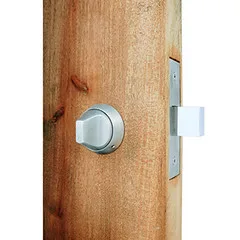
A deadbolt uses a solid bolt that extends into the door frame and stays there until the key or thumbturn pulls it back. That direct action is why it can resist forced entry better than a spring latch, which may be pushed back by a credit card, shim, or door movement. (en.wikipedia.org)
The main security gain comes from how the bolt sends force into the strike plate and jamb. A spring latch depends on a beveled piece and a light spring. A deadbolt depends on solid metal engagement and the surrounding wood or steel that holds it.
What deadbolts stop, and what they do not
Deadbolts help against latch slip, simple prying, and some kick-in attempts. They do not fix rotten trim, loose hinges, a split jamb, or a thin hollow-core slab that flexes around the lock. If the door and frame bend apart, the bolt may still be in place while the opening fails elsewhere.
That is the part many product pages skip. The visible lock is not the only failure point. The actual weak spot is often the frame, the strike-plate screws, or the door itself.
In plain terms, a deadbolt buys resistance. It does not create strength out of weak material.
📊 Yale lists the Yale Assure Lock 2 as a deadbolt-related smart lock product. Source: Shopyalehome.
Should I get a single-cylinder or double-cylinder deadbolt?
For most homes, a single-cylinder deadbolt is the safer default because it locks from the outside with a key and opens from the inside with a thumbturn. A double-cylinder deadbolt keys both sides, which can help where glass is close to the lock, but it can also slow emergency exit and raise fire-safety concerns.
Single-cylinder deadbolts for most homes
Single-cylinder deadbolts are common on residential entry doors because they are simple to use under stress. If someone inside has to leave quickly, a thumbturn is faster than finding a key. That matters on front doors, side doors, and many garage-to-house doors.
Double-cylinder deadbolts and where they may be used
Double-cylinder models can make sense on a door with nearby glass panels or a lock that could be reached through broken glass. They are also used in some special access situations. The tradeoff is real: anyone inside must have a key to exit, and that can slow evacuation.
Before choosing one, check local code and think through nighttime exit, children, guests, and emergencies. Security should not come at the expense of a fast escape route.
What type of deadbolt is best for an exterior door?
A good deadbolt for an exterior entry door is the one that fits the door, matches the backset, and has a frame strong enough to hold it. For most front, side, and garage-to-house doors, a single-cylinder deadbolt with a solid strike plate and good screw anchoring is the practical starting point.
Front, side, and garage-to-house doors
Front doors get the most attention, but side entries and garage-to-house doors are often easier targets. A garage-to-house door is worth checking closely because people sometimes treat it like an interior door even though it connects to the outside environment.
Solid-core vs hollow-core doors
Solid-core doors hold hardware better and flex less. Hollow-core doors can accept some deadbolts, but they may not resist force well enough for an exterior opening. If the slab feels light and drums when tapped, the lock may be stronger than the door around it.
Backset, bore size, and thumbturn clearance
Fit matters before brand name or finish. Measure the backset, confirm the bore size, and make sure the thumbturn will clear trim, glass, or nearby molding. A deadbolt that binds on the inside is annoying at best and unsafe at worst.
| Door situation | Best deadbolt choice | What matters most |
|---|---|---|
| Front entry with solid-core slab | Single-cylinder deadbolt | Good strike plate, exact alignment, strong frame |
| Side door with nearby glass | Single-cylinder or double-cylinder if allowed | Emergency exit, glass reach, code compliance |
| Garage-to-house door | Single-cylinder deadbolt | Thumbturn clearance, smooth operation, solid jamb |
| Light hollow-core exterior door | Upgrade door before lock | Door strength, not just hardware |
How the strike plate, screws, and frame affect kick-in resistance
The strike plate is the metal piece that catches the bolt, and it is often the part that decides whether a kick-in attempt stops at the door or tears the jamb apart. Long screws that reach into framing lumber matter because short screws tend to pull out with the plate.
Why screw length matters
Short screws hold a plate to trim or weak jamb wood. Longer screws tie the plate into the wall framing behind the jamb, which spreads force into a stronger part of the structure. That does more for resistance than a decorative deadbolt finish ever will.
Many standard installations fail at this point. The lock is fine. The screws are not.
How the jamb should be anchored
The jamb needs to be solid, straight, and well fastened. If the door sticks, rubs, or sits proud of the frame, the bolt may hit the edge of the strike opening instead of entering cleanly. Good anchoring starts before the deadbolt goes in.
Why bolt alignment has to be exact
A deadbolt should extend straight into the strike plate without dragging, scraping, or needing shoulder pressure on the door. Misalignment creates wear and can keep the bolt from fully seating. Full seating matters because partial engagement is easier to defeat.
On exterior doors, the throw bolt is often around 1 inch, and that extension only helps if the bolt actually enters the strike plate opening with solid contact. A long bolt in the wrong hole is still a weak lock.
How do I know if my deadbolt is installed correctly?
A deadbolt is installed correctly when the bolt extends and retracts smoothly, lands fully in the strike plate, and the door closes without forcing the thumbturn. If the lock needs a shove, scrapes the edge of the hole, or leaves shiny rub marks, the setup needs adjustment before it can be trusted.
Throw bolt extension and engagement depth
The bolt should extend fully and engage the strike plate cleanly. You should see centered contact, not a shallow bite on the edge of the opening. If the bolt only catches partway, the lock may still fail under force.
Common DIY mistakes with alignment and hole sizing
First-time installers often drill the wrong backset, use a hole that is too tight, or mount the strike plate slightly high or low. Any of those errors can make the bolt bind. Another common miss is assuming the old latch opening is close enough for the new hardware.
Quick checks for smooth lockup and solid contact
- Close the door gently and turn the deadbolt without pushing on the slab.
- Check whether the bolt centers in the strike plate opening.
- Confirm the thumbturn moves without scraping trim.
- Look for loose screws in the strike plate and hinges.
- Open and close the door several times to confirm repeatable alignment.
Deadbolt safety checklist
Use this one-page checklist before buying or installing. It keeps the focus on fit, frame strength, and safe operation rather than finish alone. If several boxes fail, the door may need repair before any deadbolt will perform well.
| Checklist field | What to verify | Pass or fix? |
|---|---|---|
| Door material | Solid-core, steel, or sound wood; avoid relying on a flimsy hollow-core slab | |
| Existing latch type | Spring latch, old deadbolt, or combined entry lock | |
| Strike-plate condition | No cracks, no bending, and no enlarged screw holes | |
| Screw length | Long enough to anchor into framing, not just trim | |
| Backset | Matches the lock body and door prep | |
| Thumbturn clearance | No trim, window, or panel interference | |
| Single- or double-cylinder choice | Double-cylinder only if glass exposure and safety rules allow it | |
| Security grade and finish check | Compare ANSI/BHMA grade first; choose finish after fit |
What finish or backset should I choose for a deadbolt?
Choose finish after you confirm fit and security. Satin nickel, antique brass, oil rubbed bronze, and black suede are common finish choices, and Yale’s deadbolt offerings also include lifetime brass. Those finishes matter for appearance, but they do not make the door stronger.
Security grade before style
ANSI/BHMA security grade is a more useful sign of hardware strength than color alone. Use the grade to compare models, then make sure the lock matches the door prep and frame. If the door hardware does not fit, a better finish will not fix it.
Backset and door compatibility
Backset has to match the drilled door and the lock body. On older doors, the existing hole layout can limit your choices. On newer doors, it is still worth measuring instead of guessing, especially on exterior entry doors that were modified over time.
Yale sells deadbolts in entry-locking, passage, dummy, and privacy functions. Yale’s deadbolt collection includes price filters under $25, $25-50, $50-100, $100-200, $200-350, and above $350. That range shows how widely hardware can vary, but price alone still does not tell you whether the lock fits the door or frame.
Do smart deadbolts replace traditional deadbolts?
Smart deadbolts add keypad or app access, but they do not replace the need for a strong bolt, strike plate, and frame. They are best treated as a convenience layer on top of a real deadbolt, not as a substitute for good mechanics or sound installation.
Convenience vs mechanical simplicity
Smart locks are useful when you want code access, remote control, or easier key sharing. They can also reduce key-copy headaches. But they add batteries, electronics, and more parts that can fail than a basic mechanical deadbolt.
Battery dependence and where smart locks make sense
Battery dependence is the tradeoff. A dead battery can leave you locked out if there is no backup key or other access method. Smart deadbolts make the most sense where convenience matters and the homeowner is willing to maintain batteries and test the lock regularly.
Yale includes smart-lock options in the same brand ecosystem as deadbolts, and Yale lists the Yale Assure Lock 2 and the Yale Assure Lock 2 Touch as related smart lock products. Yale’s ecosystem also includes Matter compatibility for one smart-lock option, plus Google Assistant and Amazon Alexa compatibility.
Yale’s deadbolt-related shopping categories appear to include homes, renters, garage/side/office, and vacation rental hosts. That range fits the reality that different doors need different access methods and different levels of daily convenience.
Are deadbolts safer than spring latch locks?
Yes, deadbolts are safer than spring latch locks for exterior doors because the bolt does not spring back when pressure is applied to the latch edge. A spring latch is built for convenience, while a deadbolt is built to hold position against force and reduce easy slip-through attacks.
That said, a deadbolt only wins when the rest of the door system supports it. A weak frame, poor screws, or a badly cut strike opening can erase much of the advantage.
Why do deadbolts make a home safer?
Deadbolts make a home safer by turning the door, frame, and strike plate into one resisting unit instead of relying on a spring latch alone. They slow forced entry, resist simple manipulation better, and can stop many quick attempts that work against ordinary knob locks.
They are most useful when the door fits well and the frame is anchored properly. That is the real lesson: the lock is only as strong as the structure around it.
Can a deadbolt make my door harder to kick in?
Yes, a deadbolt can make a door harder to kick in when the bolt, strike plate, screws, jamb, and framing all work together. The lock slows the attack, and the reinforced plate spreads force into stronger material. If the frame is weak, though, the door can still fail at the jamb.
That is why many entry failures happen around the lock, not through it. Reinforce the strike area first, then install the deadbolt with proper alignment and solid screws.
What type of deadbolt is best for an exterior door?
The best exterior deadbolt is the one that fits the door prep, clears the inside trim, and anchors into a solid frame. For most homes, that means a single-cylinder deadbolt with a well-fitted strike plate, especially on front, side, and garage-to-house entries.
If the door has nearby glass or another special access concern, reassess whether a double-cylinder model is appropriate and safe. Security should be matched to the door, not chosen from a shelf by color or price alone.
Frequently asked questions
How do I know if my deadbolt is installed correctly?
A correct installation lets the bolt extend fully without binding, locks smoothly with light hand pressure, and seats in the strike plate without scraping. If the bolt drags, the thumbturn is tight, or the door must be pushed hard to lock, the alignment or hole size needs correction.
What finish or backset should I choose for a deadbolt?
Choose the backset first, because it must match the door prep and lock body. After that, pick a finish such as satin nickel, antique brass, oil rubbed bronze, or black suede to match the rest of the hardware. Fit and strength come before appearance.
Are deadbolts safer than spring latch locks?
Yes. A deadbolt resists direct force better than a spring latch because it uses a solid bolt that stays extended until turned back. That said, a deadbolt on a weak jamb or poorly screwed strike plate can still be defeated faster than a properly reinforced door system.
Do smart deadbolts replace traditional deadbolts?
No. Smart deadbolts add keypad or app convenience, but they still need the same mechanical basics: a strong bolt, good strike plate, sound screws, and a frame that can take force. Batteries and electronics add convenience, not structural strength.
Should I get a single-cylinder or double-cylinder deadbolt?
Single-cylinder deadbolts suit most homes because they allow fast exit with a thumbturn. Double-cylinder models can help where glass is close to the lock, but they create an emergency exit tradeoff. If you choose one, make safety and code compliance part of the decision.
WHY Definition & Meaning – Merriam-Webster — The meaning of WHY is for what cause, reason, or purpose. How to use why in a sentence.
“Why” is useful here because deadbolt security is about cause and effect. The reason a lock works, or fails, usually comes down to the bolt, strike plate, screws, jamb, and door material acting together. Ask why each part matters, and the weak point becomes easier to fix.
Sponsored / affiliate links. As an Amazon Associate I earn from qualifying purchases. I may earn additional commission from eligible campaigns.