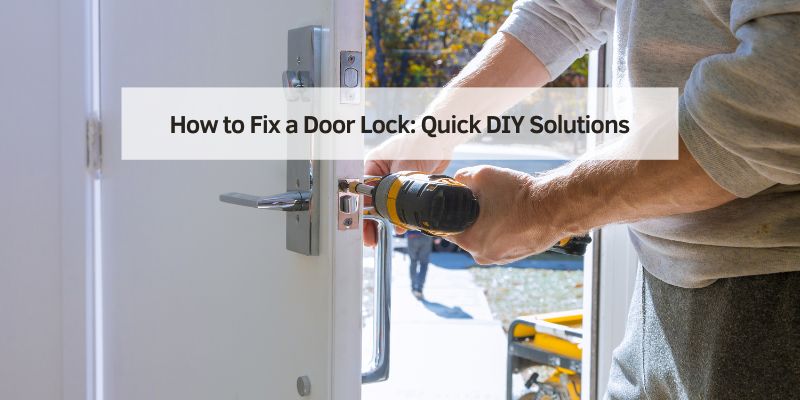
How to Fix a Door Lock: Jammed, Sticky or Loose Cylinder
Most stuck or jammed door locks come down to 3 causes: a dirty keyhole, a misaligned strike plate, or a worn cylinder. Lubricating or realigning fixes the first two without replacing anything. Forcing a stuck key can snap it off inside the lock, turning a 5-minute fix into a locksmith call. This guide covers diagnosing the cause, fixing each type of lock problem, and when to replace the cylinder entirely. See our full door hardware and locks hub for more. For a dirty-keyhole jam specifically, see how to unjam a door lock.
Identifying Common Lock Problems
Door locks can sometimes be tricky. A common issue is a stuck key. This happens if the lock is dirty. Another problem is a loose door handle. This can make locking hard. Misaligned latches can also cause trouble. They stop the door from closing well.
Rust is another enemy of locks. It makes them hard to turn. Sometimes the lock cylinder spins. This is because of worn parts inside. A broken key in the lock can stop everything. It needs careful removal to avoid damage.
Weather changes can affect locks too. They may expand or contract. This makes them difficult to operate. It’s important to identify these issues early. Solving them can keep your lock working well.
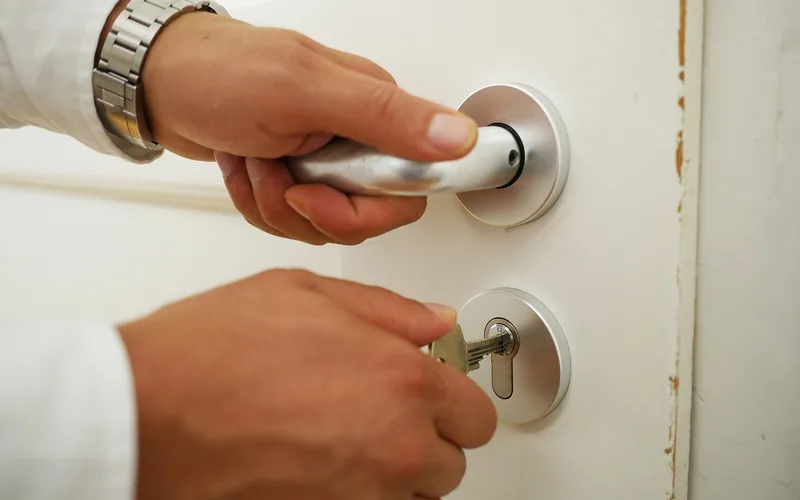
Tools Needed For Door Lock Repair
Fixing a door lock needs some tools. First, grab a screwdriver. It helps to unscrew and tighten parts. Use a hammer to fix loose parts. A drill can make holes if needed. Get pliers to hold or cut wires. A tape measure checks sizes. Use a chisel to shape or remove wood.
Need a level for straight lines. A utility knife can cut small things. Have a flashlight for dark places. Sandpaper smooths rough edges. Gloves protect your hands. Safety glasses keep eyes safe. Lock lubricant helps locks move smoothly.
These tools make repair easy. Keep them close by. They make work faster and safer. Always use the right tool for the job.
Fixing A Loose Door Knob
A loose door knob can be annoying. First, find the screws on the knob. Use a screwdriver to tighten them. Make sure they are snug. This will keep the knob from wobbling. Check all screws. Some might be hidden. Turn each screw until tight. Don’t overdo it. You might strip the screw.
Sometimes, parts of the door knob are broken. Find the damaged piece. It could be a screw or a plate. Replace it with a new one. Buy the right size. Use tools to remove the old part. Then, put in the new piece. Make sure it fits well. Test the knob. It should turn smoothly now.
Repairing A Jammed Lock
📊 A locksmith service call for a jammed lock runs $50-200, plus a $30-85 minimum call fee — Source: HomeGuide, 2026 locksmith cost data
A jammed lock can be frustrating. Lubrication often fixes this issue. Start by getting a good lock lubricant. Spray the lubricant into the keyhole. Insert the key slowly. Turn it back and forth gently. This helps spread the lubricant. It can make the lock work smoothly again. Repeat if needed. Always use the key gently. This prevents further damage.
A misaligned strike plate can stop a lock from working. Check if the latch goes into the plate hole. If not, you may need tools. A screwdriver is useful. Loosen the plate screws. Adjust the plate until the latch fits. Tighten the screws again. Test the door lock after adjustment. This ensures proper alignment. If still jammed, consult a locksmith.
Best Door Lock Replacement Pick
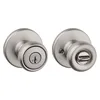
Kwikset Tylo Entry Door Knob with Lock
If the cylinder is too worn to fix, a full knob-and-lock swap costs about the same as one locksmith service call.
- Best for: replacing a worn-out cylinder rather than repairing it
- Why we picked it: recognized brand, standard fit for most exterior doors
- Main drawback: comes keyed differently than your existing locks unless rekeyed
Compare more door lock repair options
 Option 1 Hillman Graphite Lock Lubricant
|
 Option 2 Prime-Line Adjustable Strike Plate
|
 Option 3 Door Latch Mortise Tool Kit
|
As an Amazon Associate we earn from qualifying purchases.
Addressing Key Issues
Bent keys can be a problem. They won’t work well. You should duplicate a key before it breaks. Take the bent key to a locksmith. They will make a new, straight copy. This new key will work better. Keep the bent key as a backup. It’s a smart idea. Don’t throw it away.
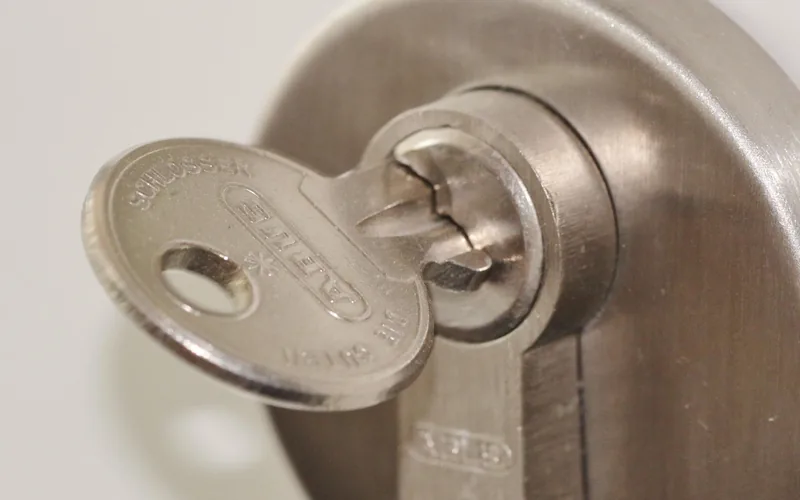
A broken key stuck in a lock is frustrating. First, spray some oil into the lock. This makes removal easier. Use pliers to gently pull out the key. Don’t force it too hard. This might damage the lock. If the key doesn’t come out, call a locksmith. They have special tools. They can help you.
Adjusting Misaligned Doors
Check each door hinge closely. Are they loose or tight? Loose hinges can cause problems. Use a screwdriver to tighten them. Make sure all screws fit well. If screws are missing, replace them right away. Sometimes, hinges wear out. Replace worn hinges with new ones. This might solve the issue. Also, ensure the hinges are not bent. Bent hinges can make doors stick.
Shimming helps fix misaligned doors. Use thin wood pieces as shims. Place shims behind the hinge. This can adjust the door’s position. First, remove the hinge screws. Then, insert the shim. Lastly, reattach the hinge with screws. Check the door alignment. The door should close properly now. If not, add another shim. Repeat until the door is aligned.
Replacing A Faulty Lock Cylinder
First, remove the screws from the door handle. These screws usually hold the lock in place. Pull the handle off gently. This exposes the cylinder. Check the cylinder for damage. If it’s broken, it needs replacing.
Buy a new cylinder from a hardware store. Make sure it matches the old one. This ensures it fits correctly. Slide the new cylinder into the lock hole. Test it to make sure it turns smoothly.
Secure the cylinder with screws. Tighten them so the lock is firm. Place the handle back on the door. Make sure everything is tight. Test the lock again to ensure it works. If it doesn’t, check the alignment.
Maintaining Your Door Lock
Fixing a door lock can be simple with basic tools. Start by identifying the problem, like jamming or misalignment. Tighten loose screws or lubricate moving parts to ensure smooth operation. Regular maintenance helps extend the lock’s lifespan, ensuring your home remains secure.
Regular Cleaning
Door locks need regular cleaning. Dust and dirt can cause problems. Use a soft cloth to clean the lock. Avoid using water or harsh chemicals. These can damage the lock. Gentle cleaning keeps the lock working well. It also helps the lock last longer.
Routine Lubrication
Lubrication is important for door locks. It keeps them moving smoothly. Use a good lubricant for locks. Spray it inside the keyhole. Also, spray on the moving parts. Do this every few months. It helps prevent sticking and jamming. Regular lubrication makes locks easy to use.
Frequently Asked Questions
How To Fix A Door Lock That Won’t Lock?
Check for misalignment between the lock and strike plate. Tighten loose screws and lubricate the lock mechanism. Adjust the strike plate if needed. Replace worn or damaged parts for proper functioning. Ensure the door is correctly hung to prevent lock issues.
How Do You Fix A Lock That Won’t Turn?
Apply lubricant like WD-40 to the keyhole. Ensure the key is clean and correctly aligned. Tighten loose screws on the door. If the issue persists, consult a locksmith to avoid further damage. Regular maintenance prevents future lock problems.
How To Fix A Dropped Door Lock?
Tighten loose screws on the door lock using a screwdriver. Realign the strike plate if necessary. Check for any damaged parts and replace them. Lubricate the lock mechanism with graphite or silicone spray. Test the lock to ensure it functions smoothly.
How Do You Fix A Jammed Lock?
Apply lubricant to the lock. Insert the key and gently jiggle it. Use a screwdriver to realign any misaligned parts. If needed, remove the lock and clean internal mechanisms. Reassemble carefully, ensuring all components fit snugly. Consult a locksmith for persistent issues.
Conclusion
Clean and lubricate the lock before assuming it needs replacing – most jams and stiff keys are fixed that way in under 10 minutes. If cleaning and realigning the strike plate don’t fix it, the cylinder itself is likely worn and cheaper to replace than to keep repairing.
Sponsored / affiliate links. As an Amazon Associate I earn from qualifying purchases. I may earn additional commission from eligible campaigns.